
E-Bike Configuration Comparison Guide
Compare motors, batteries, brakes, riding controls, frames and other key e-bike components. Get a quick overview of the differences and explore our detailed comparison guides for deeper technical information.
Explore Configurations ↓Compare E-Bike Components
Get a quick overview of common e-bike configuration options. Each section links to a detailed comparison guide for buyers who need more technical information before finalizing specifications.
Motor System
Compare riding feel, weight distribution, climbing performance, maintenance requirements and product positioning.
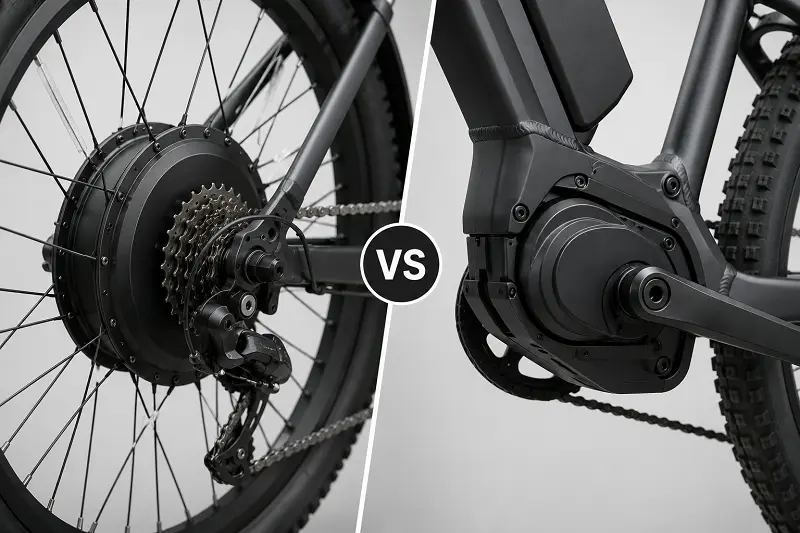
Comparison Image
Motor Power
Compare common motor power options according to riding application, bike weight, terrain and target market requirements.
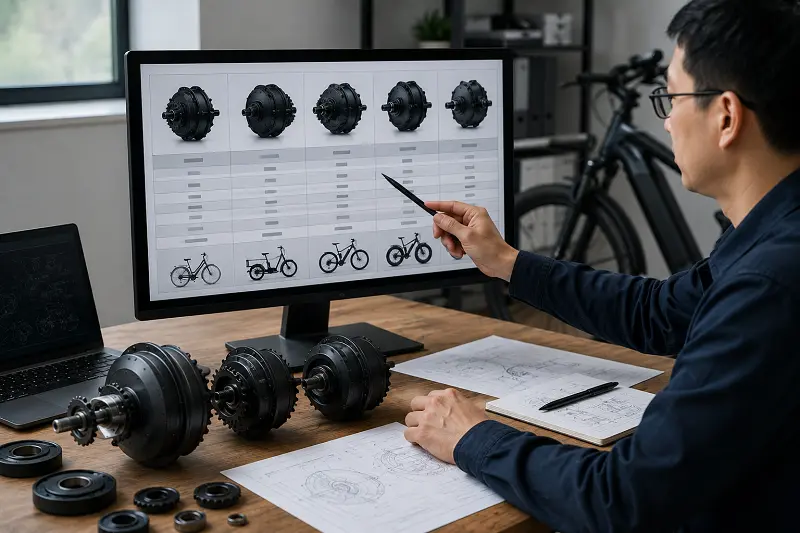
Motor Power Comparison Image
Battery System
Compare battery voltage, motor compatibility, power delivery, system weight and common e-bike applications.
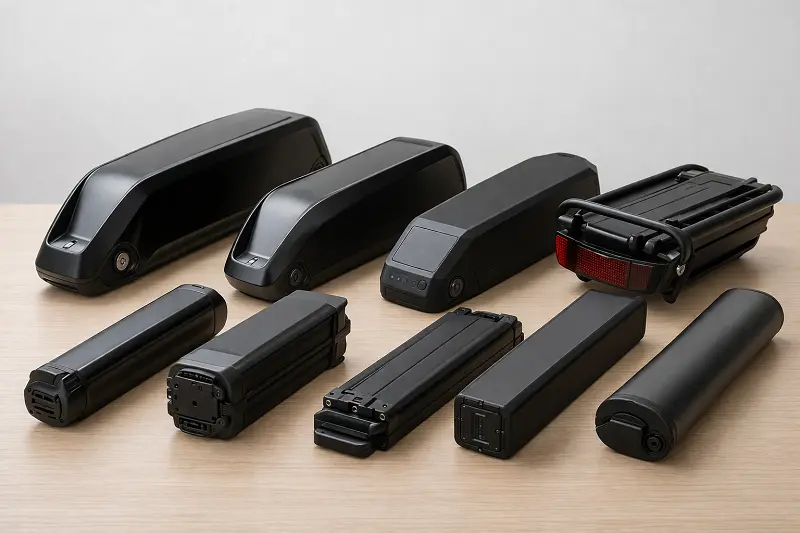
Comparison Image
Braking System
Compare braking performance, lever feel, maintenance, component cost and suitability for different e-bike categories.
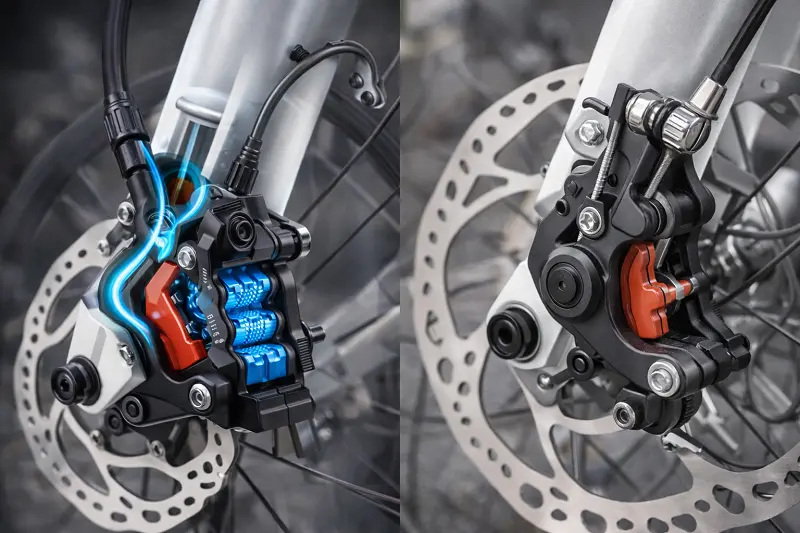
Comparison Image
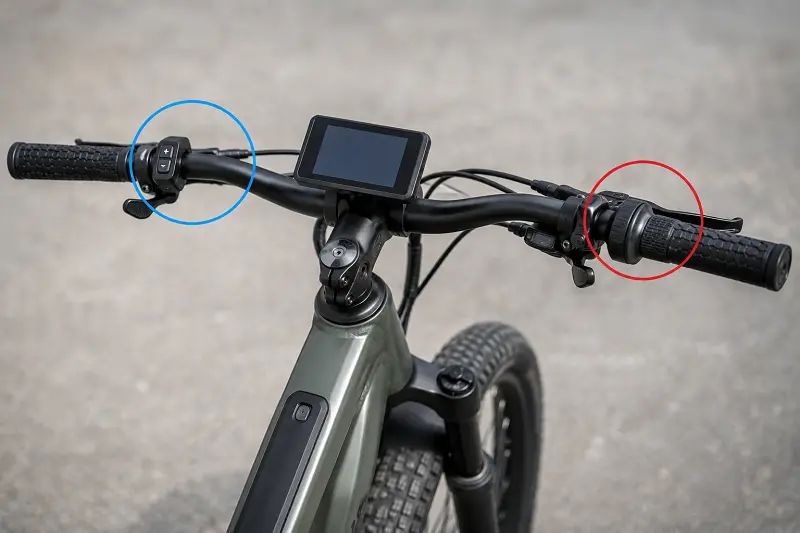
Riding Control
Compare how motor power is activated, riding experience, rider effort, control style and suitability for different markets.
Comparison Image
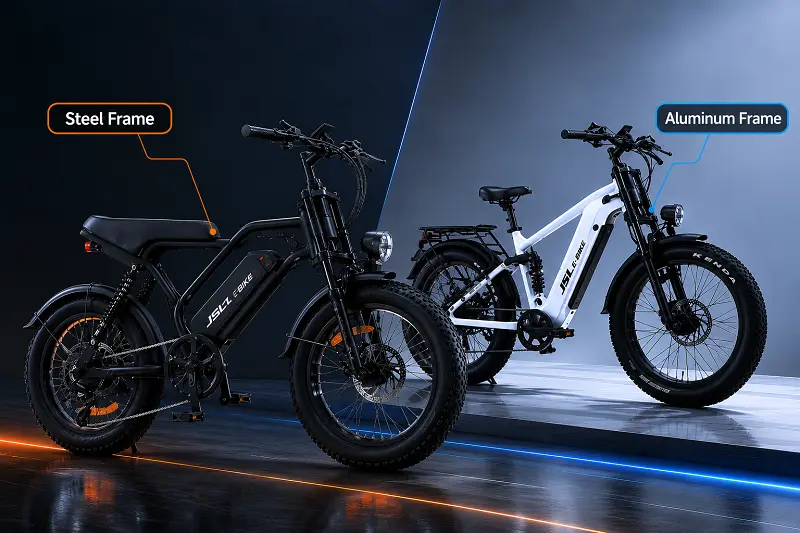
Frame & Suspension
Compare frame weight, strength, manufacturing cost, riding comfort and suspension configuration.
Comparison Image
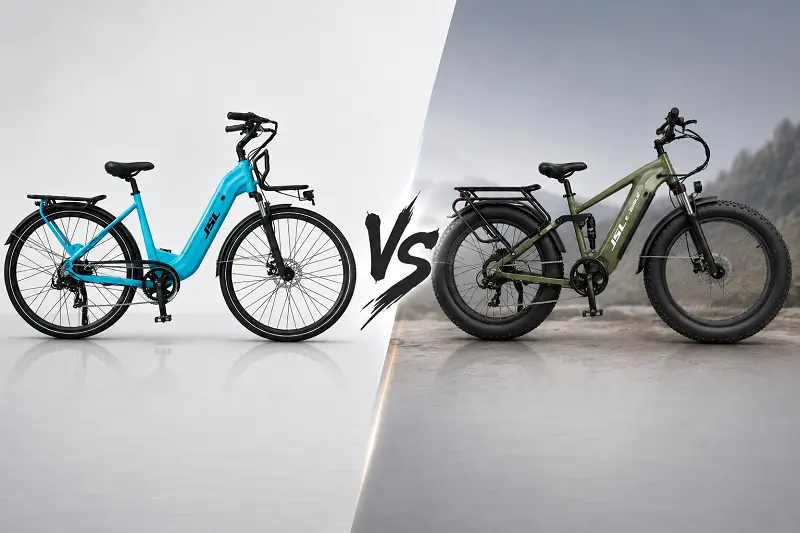
Frame Geometry
Compare accessibility, frame geometry, riding style and target users to choose the right high-step or low-step design for your market.
Comparison Image
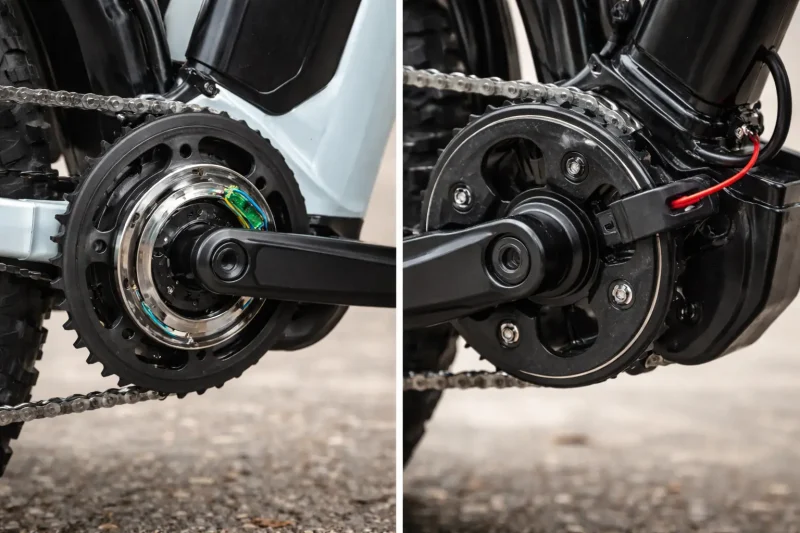
Pedal Assist Sensors
Compare assist response, riding feel, control accuracy, system cost and suitable applications to choose the right sensor for your e-bike configuration.
Comparison Image
Build the Right Specification for Your Market
There is no single best configuration for every e-bike. Motor, battery, brake and component choices should match the application, market regulations and product positioning.
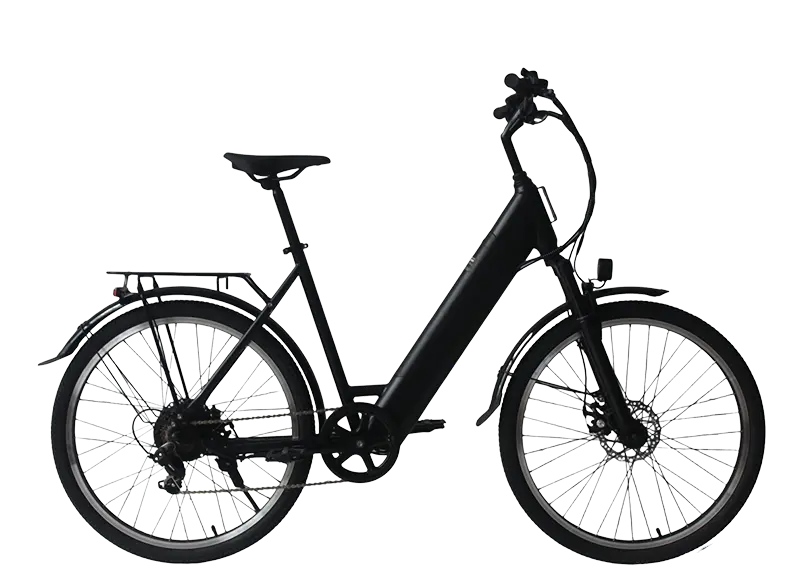
City E-Bike
- 250W Rear Hub Motor
- 36V / 48V Battery
- Pedal Assist
- Mechanical / Hydraulic Brake
- 7-Speed Drivetrain
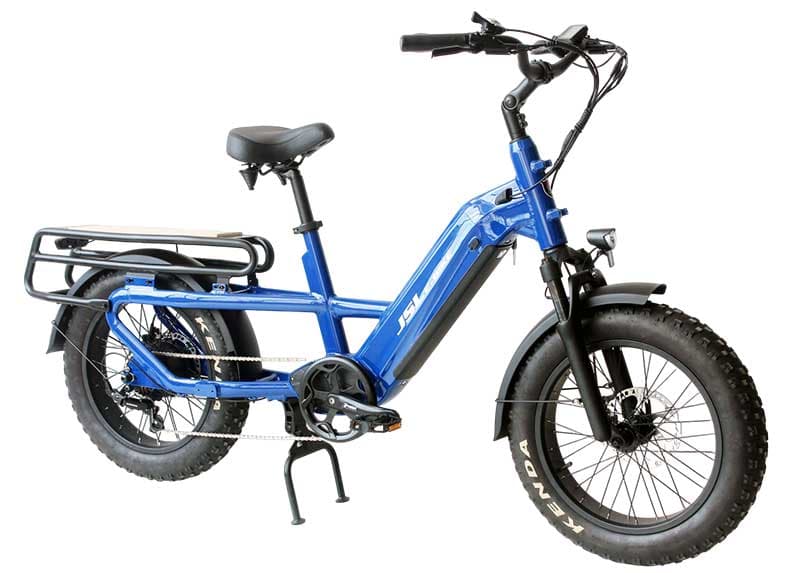
Premium Commuter
- 250W Mid-Drive Motor
- 48V Battery
- Pedal Assist
- Hydraulic Disc Brake
- Premium Display
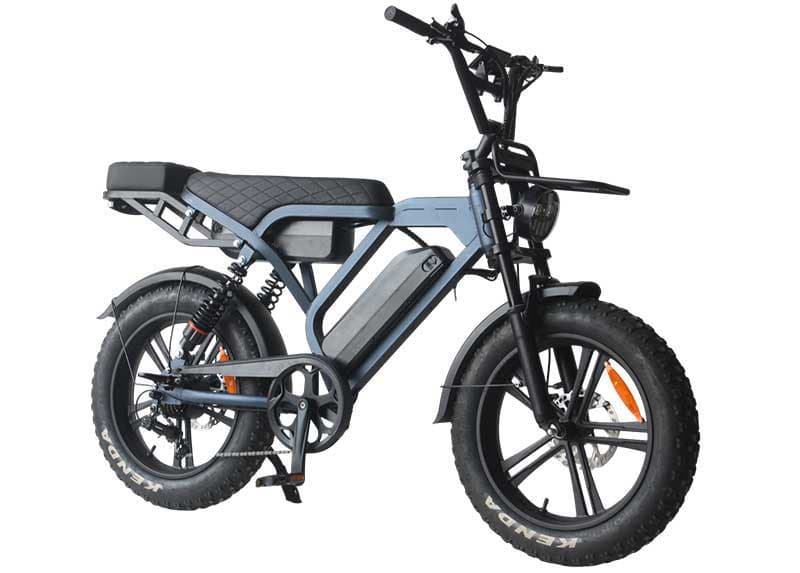
Fat Tire E-Bike
- 500W–750W Rear Hub Motor
- 48V Battery
- Throttle / Pedal Assist
- Hydraulic Disc Brake
- Suspension Fork
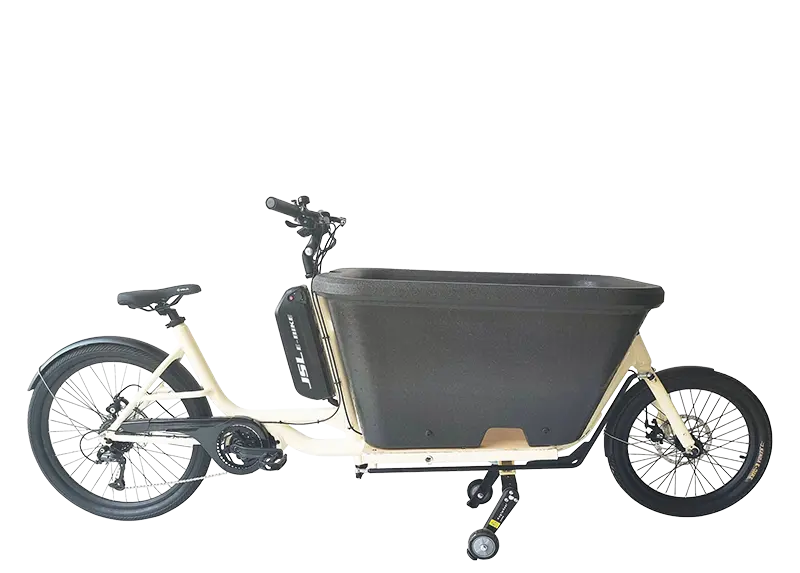
Cargo E-Bike
- 250W–500W Motor
- 48V High-Capacity Battery
- Pedal Assist
- Hydraulic Disc Brake
- Heavy-Duty Frame
Need Help Choosing Your E-Bike Configuration?
Tell us your target market, application, motor requirements, expected range and product positioning. Our team can help evaluate the right component combination before sampling and production.
Discuss Your E-Bike Project →Solutions
Development
Configuration
Testing
Production