
Inside JSL’s Professional Electric Bicycle Factory
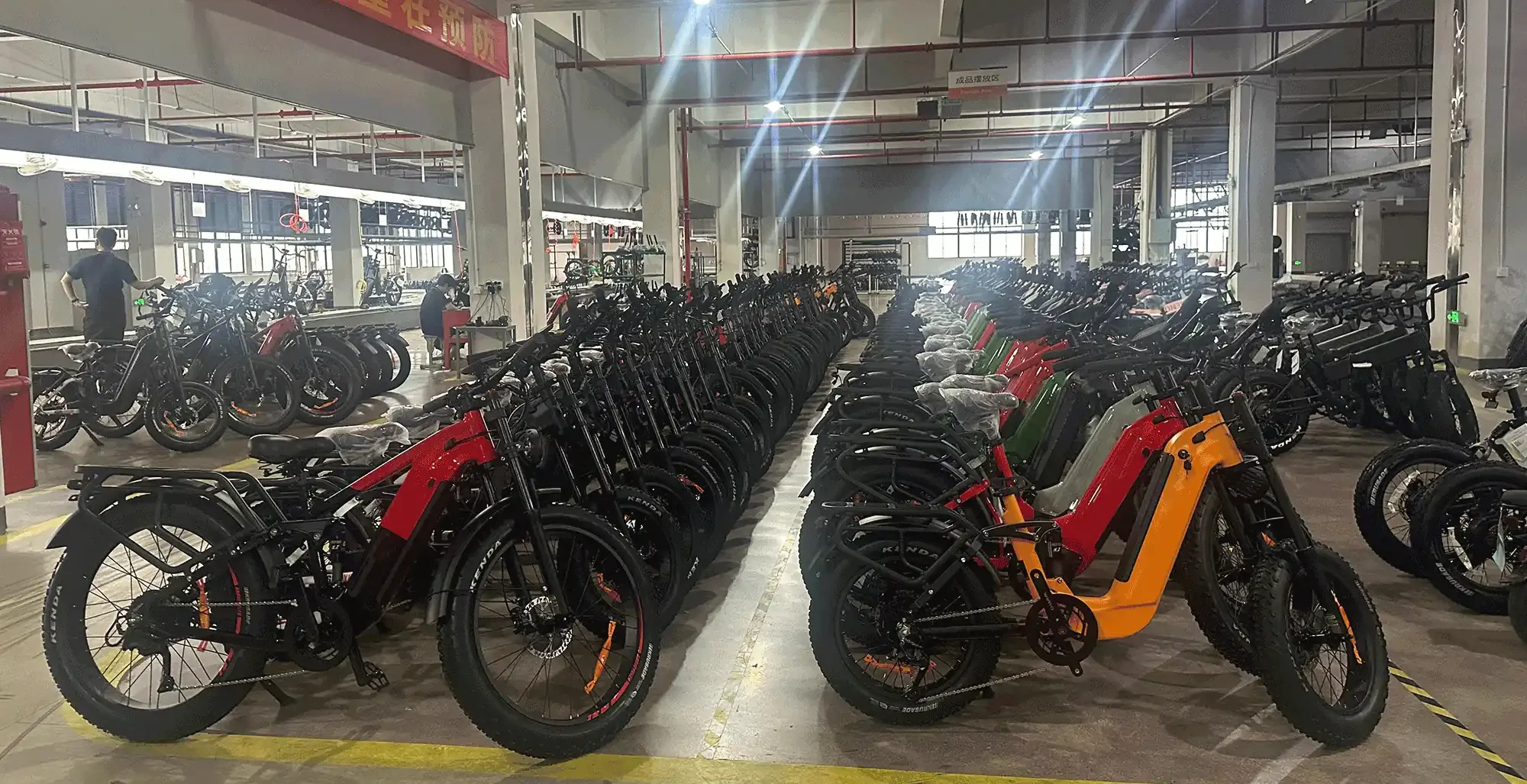
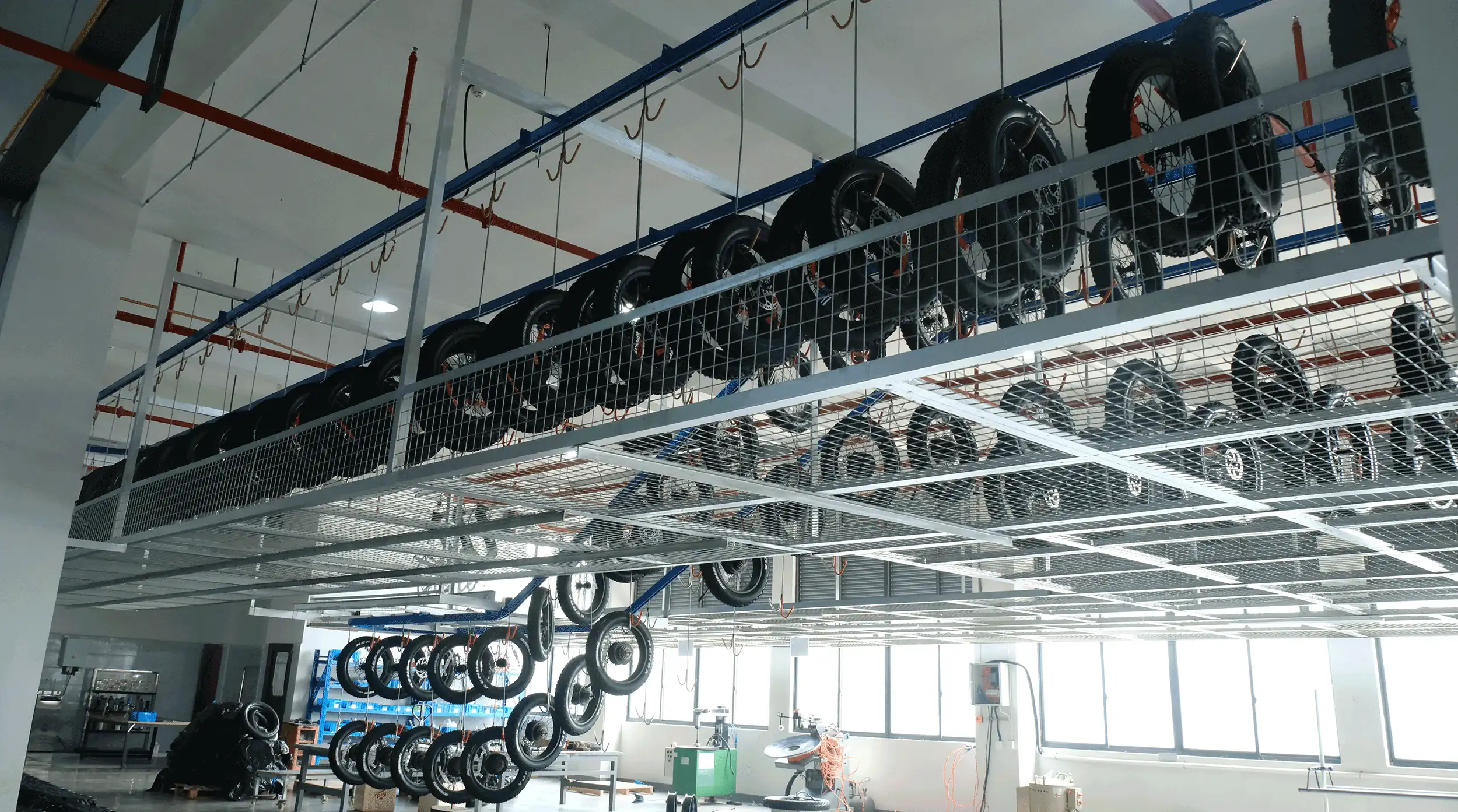
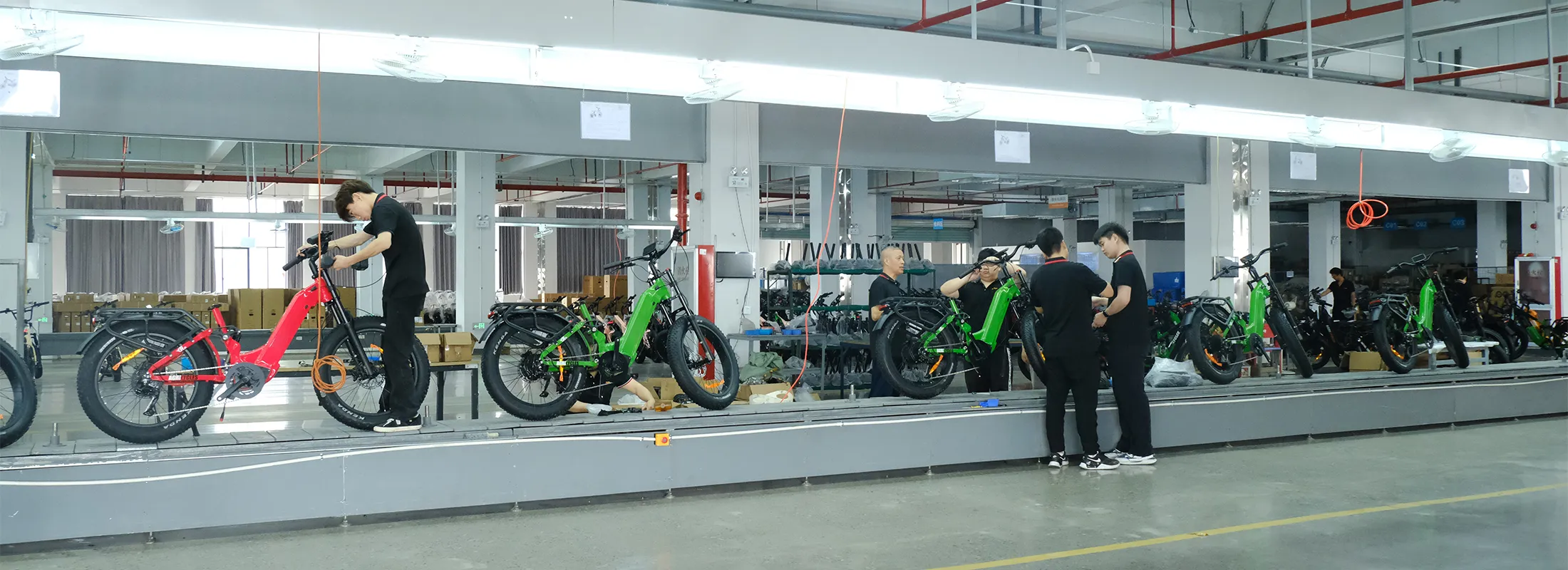
75,000㎡ modern facility with automated production lines, delivering 150,000 e-bikes annually with consistent quality.
From frame welding to final assembly, every step follows strict standards to ensure safety, durability, and premium quality.
Professional Electric Bike Manufacturer & Global B2B Partner
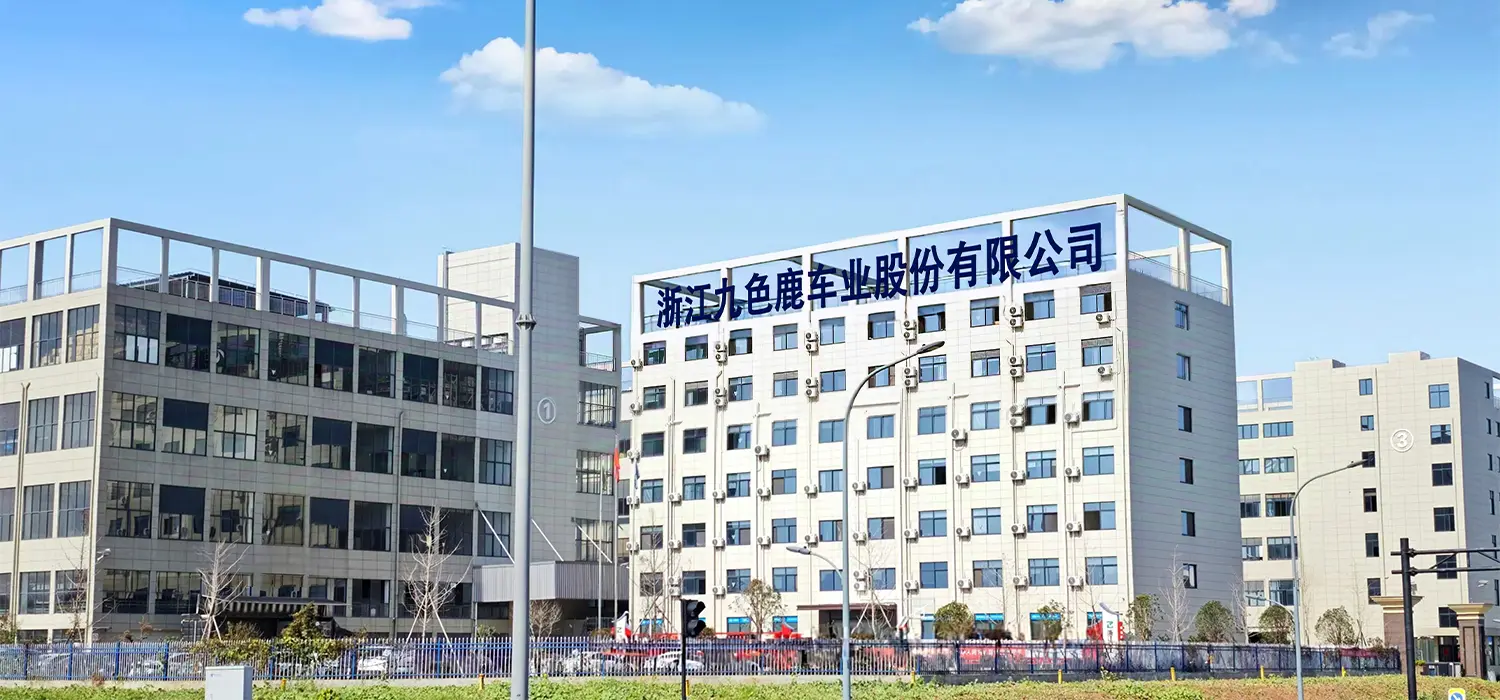
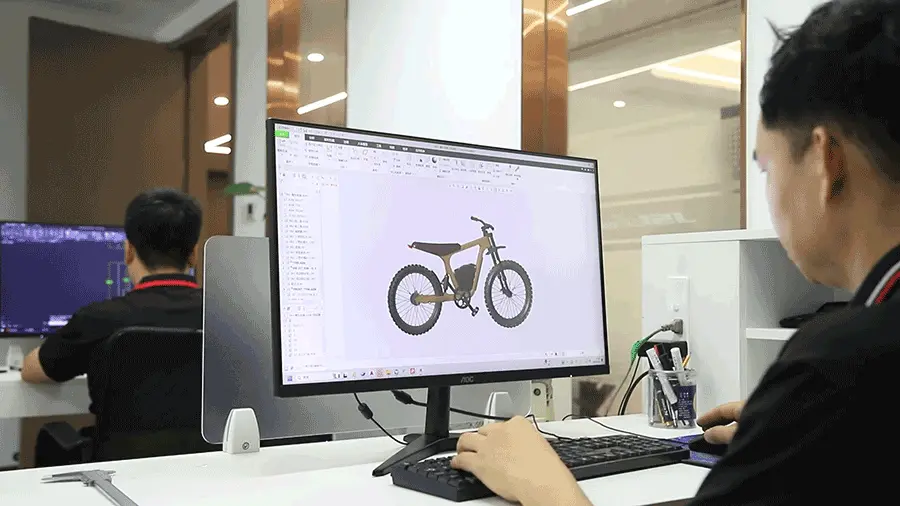
Since its establishment in 1999, Zhejiang JSL Electric Bike Co., Ltd has grown into one of the leading manufacturers in China’s electric bicycle industry. With more than two decades of continuous development, JSL integrates design, R&D, manufacturing, and sales, and has positioned itself as a trusted partner for global B2B buyers including wholesalers, importers, retailers, and mobility solution providers.
Factory
75,000㎡ modern production base
Team
260 employees, including 12 senior R&D engineers
Capacity
150,000 complete e-bikes per year
Certifications
CE, EN15194 , UL, ISO9001, TÜV
EU Anti-dumping Whitelist
Certified company (Code C473)
Production
3 complete assembly lines + frame workshop + painting / powder coating
Tailor-Made Electric Bikes for Your Business Needs
At JSL Factory, we understand that every market and business has unique requirements. That’s why we provide comprehensive customization options, ensuring your eBikes perfectly match your branding, usage scenarios, and customer expectations.
- Customized Frame Options
Material choices: Aluminum alloy, carbon steel, magnesium alloy
Frame types: Mountain, fat tire, city commuter, folding
Welding and painting techniques for premium finishes
- Battery & Motor Solutions
Battery: Different capacities (36V/48V, 10–20Ah) with branded cells
Motor: 250W–750W hub or mid-drive motors, tailored to local regulations and terrain
Swappable or integrated battery design options - Branding & Logo Customization
OEM/ODM logo printing on frame, battery case, packaging
Custom colors and decals aligned with your brand identity
Exclusive model designs for long-term partners - Components & Accessories
Gears: Shimano 7/9/10 speed options
Brakes: Disc brakes (mechanical/hydraulic) or V-brakes
Tires: 20”, 26”, 27.5”, 700C city tires, fat tires, puncture-resistant options
Extra accessories: Lights, racks, fenders, throttle, suspension fork
Connect with us to create eBikes tailored to your market needs.
Let's Talk About Your Cutting Needs
Please provide your e-bike requirements, including product type, materials, motor wattage, battery capacity, and other relevant specifications. Upon receiving this information, we will promptly provide a detailed solution and quotation. Take action now!
E-bike Basics & Market Insights
Component Options & Customization
Manufacturing Process – From Raw Material to Complete E-bike
What is an Electric Bicycle?
An electric bike (eBike) is a bicycle equipped with an electric motor and rechargeable battery to assist the rider. Unlike traditional bicycles, eBikes provide pedal assistance or throttle power, making riding easier, faster, and more efficient—whether for commuting, leisure, or cargo transport.
Key Components of an eBike
- Motor:Provides power for riding, available in hub motors and mid-drive systems.
- Battery:Rechargeable lithium battery, determines range and performance.
- Controller:The brain of the eBike, managing power output.
- Display:Shows speed, battery level, and riding modes.
- Pedal Assist/Throttle:Flexible riding modes for different needs.
Why eBikes Are Popular?
- Eco-friendly:Zero emission, sustainable travel.
- Cost-effective:Low maintenance and energy cost.
- Convenient:Ideal for commuting and urban mobility.
- Versatile:Suitable for mountain biking, city commuting, and cargo transport.
Electric Bike Classifications and Applications
Mountain Electric Bikes (E-MTB)
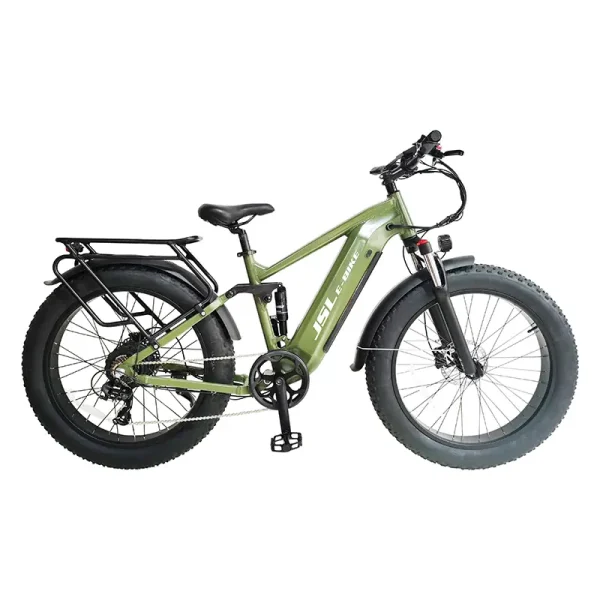
Designed for off-road trails and challenging terrain, our mountain e-bikes are durable, powerful, and ideal for outdoor enthusiasts and rental businesses.
City / Commuter Electric Bikes
Designed for everyday commuting, these e-bikes are efficient, comfortable, and require low maintenance, perfect for short-distance city travel.
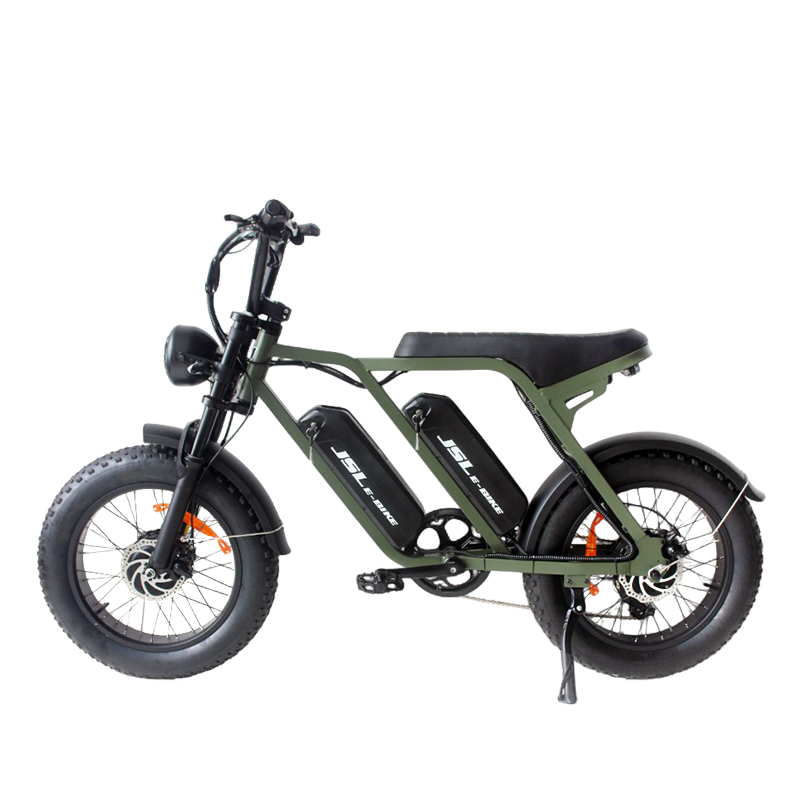
Fat Tire Electric Bikes
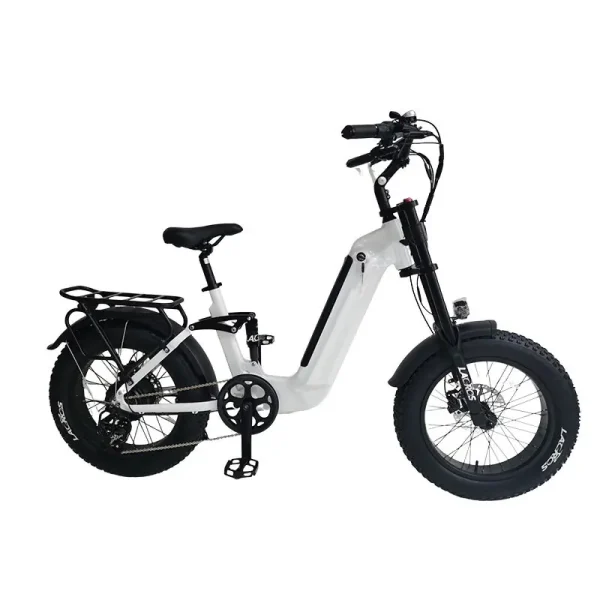
With oversized tires, these e-bikes offer exceptional stability on sand, snow, and rough terrain, perfect for adventurous riders and heavy-duty applications.
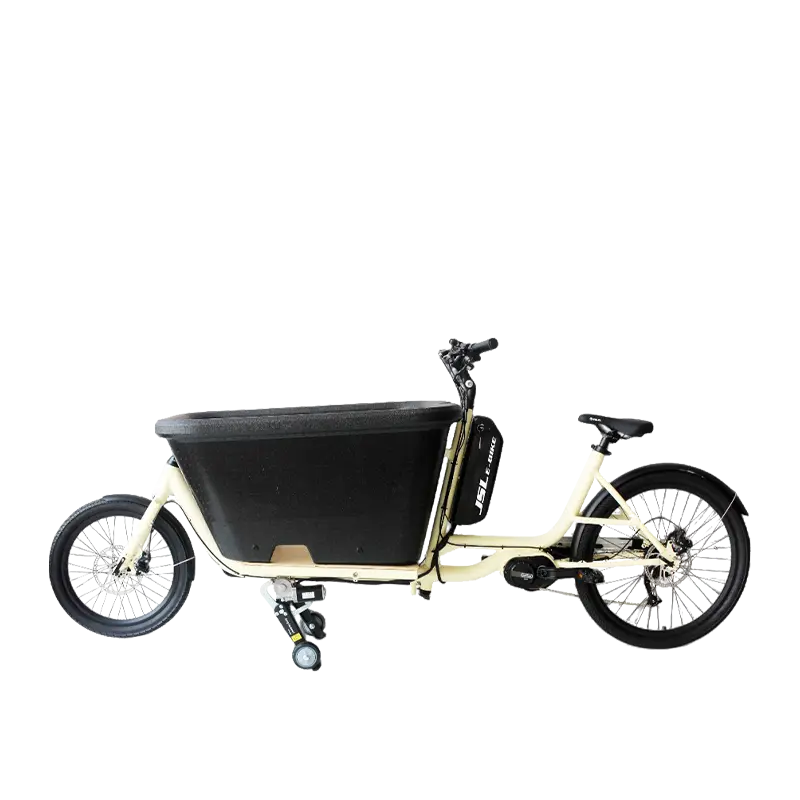
Cargo Electric Bikes
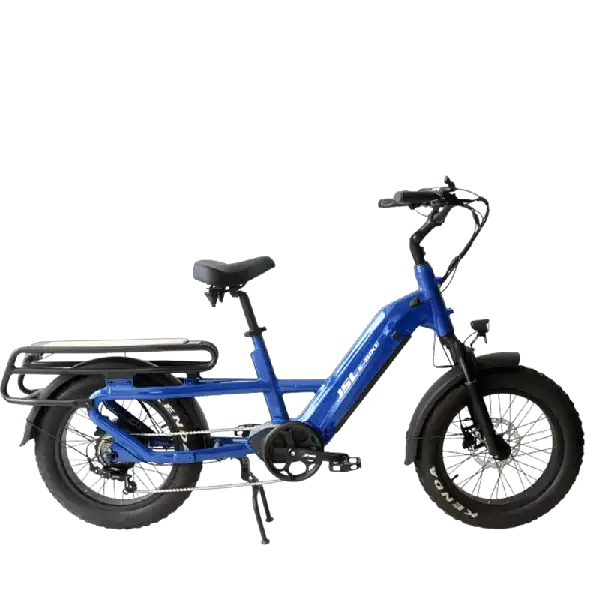
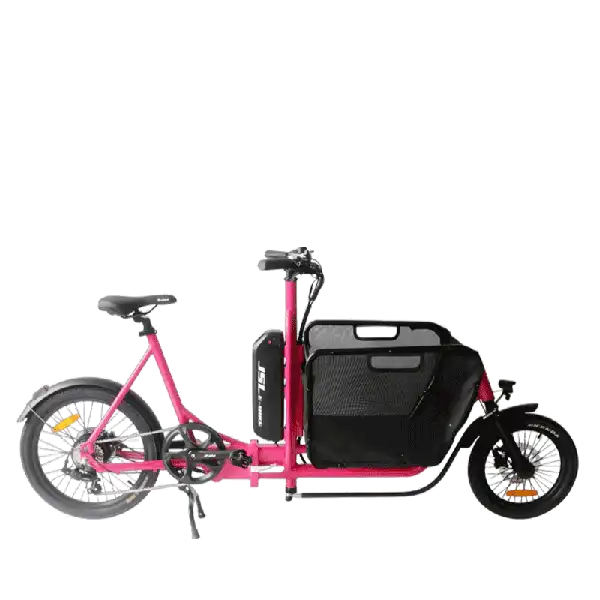
Our cargo e-bikes are robust and practical, built for heavy-duty transportation, ideal for logistics, delivery, and family use.
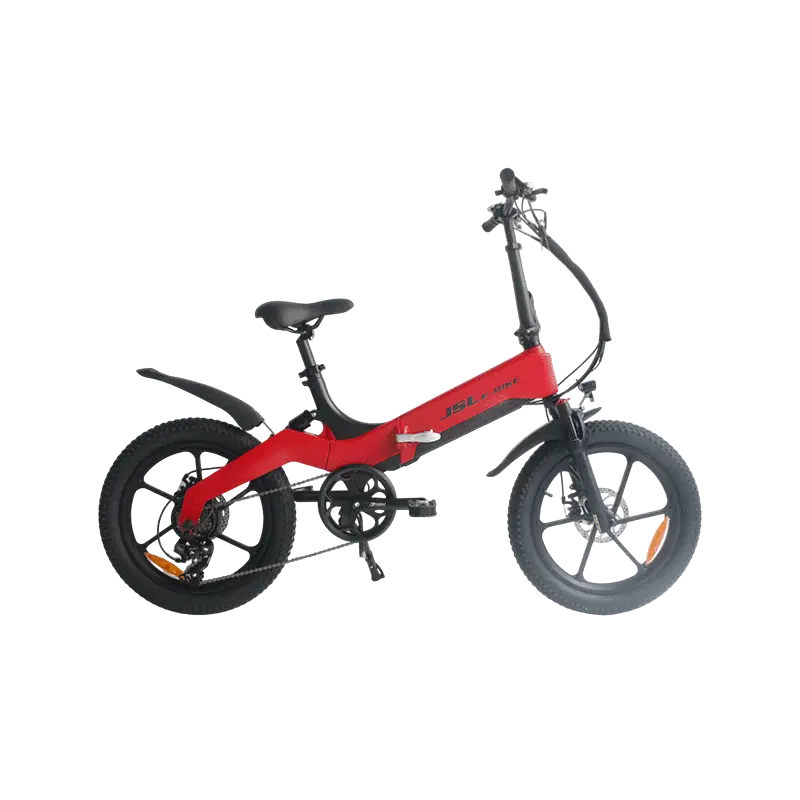
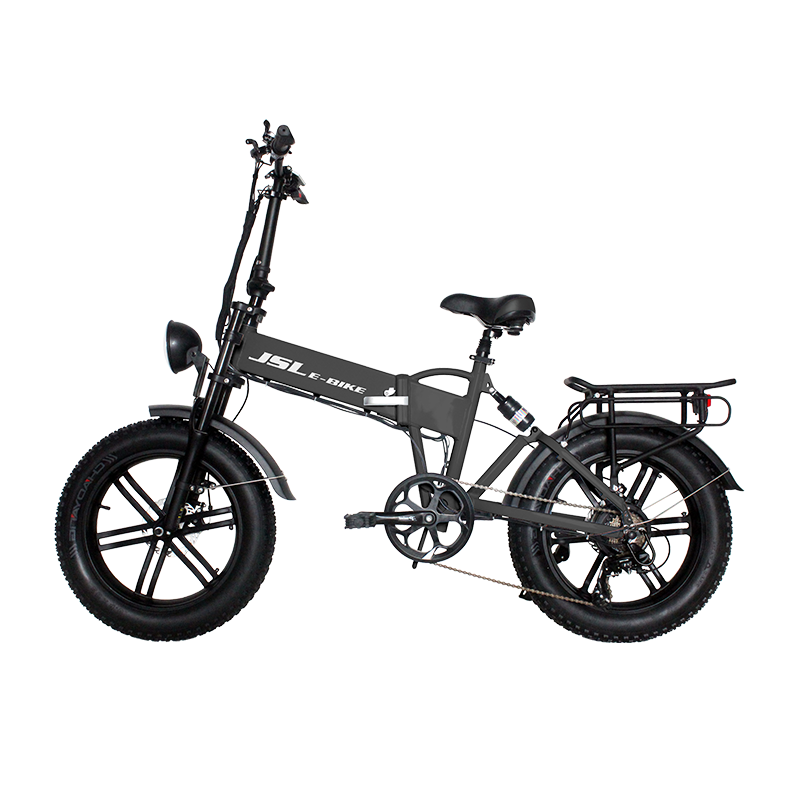
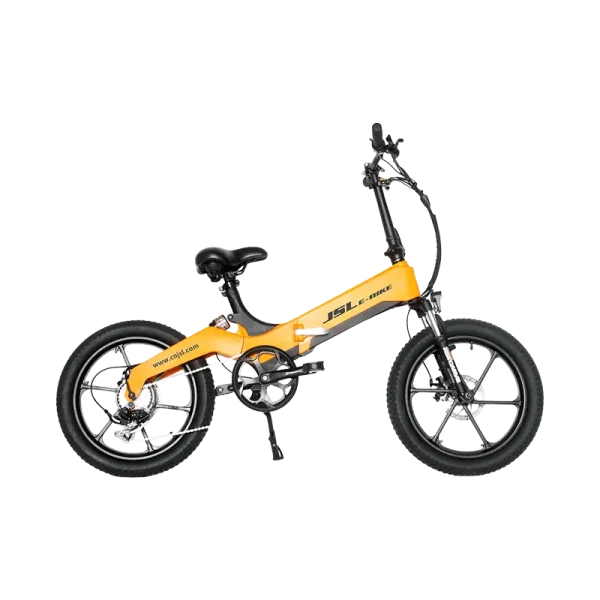
Folding Electric Bikes
Compact and portable, our folding e-bikes are perfect for urban commuting, easy to store and carry, ideal for both daily use and sharing programs.
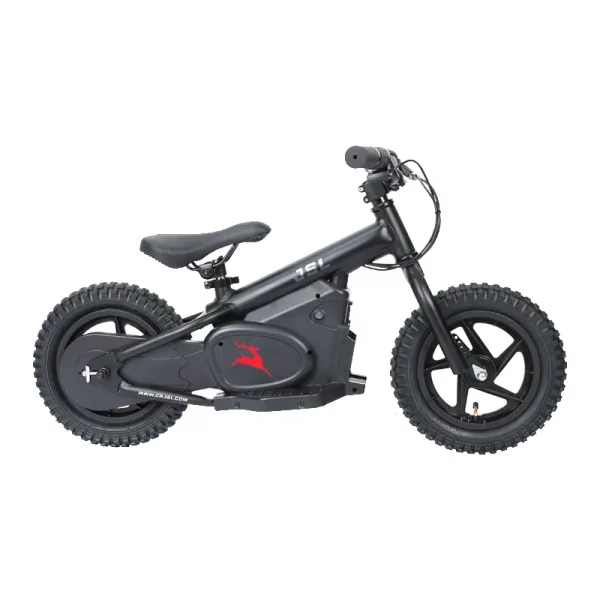
Kids Balance Electric Bikes
Safe and fun, these e-bikes help young riders learn balance while enjoying the thrill of cycling. Lightweight and easy to use, perfect for kids aged 3-6.
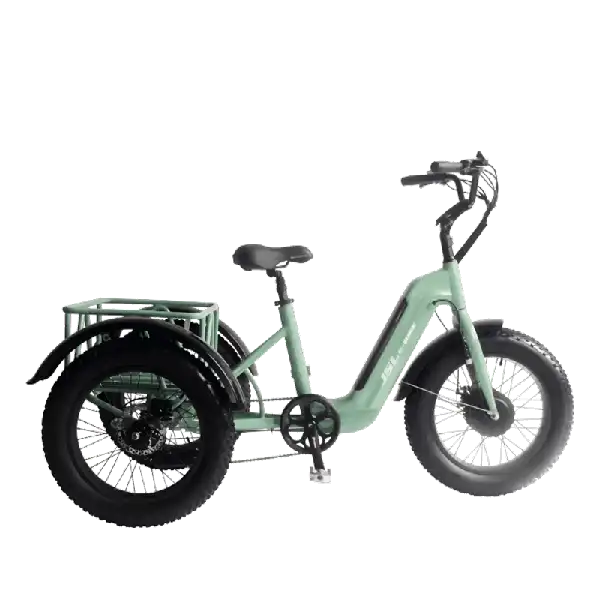
Electric Tricycles
Stable and versatile, electric tricycles are ideal for elderly riders, rehabilitation use, or heavy-duty cargo transport, combining comfort and safety with strong performance.
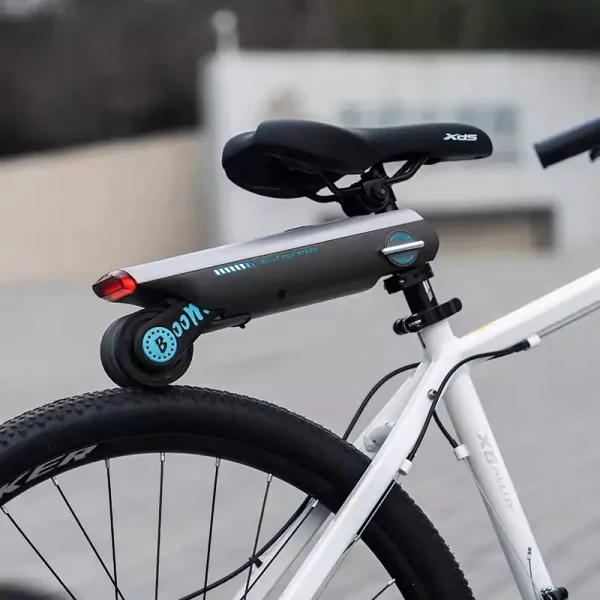
Bicycle Conversion Kits / Assist Devices
Our electric assist kits transform traditional bicycles into e-bikes, offering flexibility and cost efficiency for riders and businesses alike.
Applications & Market Opportunities
Electric bikes today serve multiple business models:
- Shared Mobility Projects – Public and private e-bike sharing fleets.
- Last-Mile Delivery – Food delivery, parcel logistics, urban distribution.
- Tourism & Rental – Folding and fat-tire bikes for leisure rentals.
- Corporate Mobility – Sustainable commuting solutions for employees.
- Government Programs – Supporting low-carbon urban mobility initiatives.
Component Options Overview / Flexible Configurations

Ebike Battery
(Type/Capacity/Removable)

Ebike Motor
(Type/Power)

Ebike Drivetrain
(Crankset/Gear System)

Ebike Brake System
(Mechanical/Hydraulic Disc Brake)

Ebike Tires & Rims
(Tire size/Tread/Rim style)

Handlebar& Saddle
(Adjustable Handlebar/Saddle style)

Display & Controlsy
(Type/Throttle option)

External Components Options / Supply Chain Integrated
We support project-based selection of brands and specifications (battery, motor, tires, display, etc.), and provide certifications and supplier documents to help you pass compliance and inspections smoothly.
One-click market-ready bundles (EU/US)
Alternative brand solutions available
Popular Build Packages / One-Click Selection
EU Commuter Set (250W + 36V)
36V 10–15Ah battery with Samsung or domestic cells, EN15194 compliant
250W rear hub or mid-drive motor, speed limited to 25 km/h
160/180mm mechanical or hydraulic disc brakes
Badge: EU-ready
US City/Trail (500–750W + 48V)
- 48V 15–20Ah battery, BMS 30–35A
- 500/750W rear hub motor, optional upgrade to 52V system
- 180mm hydraulic disc brakes + 27.5×2.2 or 26×4.0 fat tires
Badge: In stock
Cargo/Utility (Mid-Drive + Torque Sensor)
- 36/48V, 600–800Wh high-capacity battery
- 250–500W mid-drive motor with torque sensor, strong climbing ability
- 180/203mm brake rotors with heavy-duty cargo tires
Badge: Utility
Manufacturing Process – A Walkthrough of Our Factory
At JSL, production is our proof of professionalism. From raw materials to finished e-bikes, every stage is controlled, tested, and optimized.
From Welding to Casting: A Comprehensive Guide to Bicycle Frame Manufacturing
The frame is the “skeleton” of bicycles and e-bikes. Its manufacturing process directly determines the strength, weight, appearance, and overall riding experience. As market demands diversify, frame technologies have also continued to evolve.
01 Raw Material Selection
Raw Material Selection
- Aluminum 6061 and high-strength steel tubes.
- Certified suppliers with test reports.
- Incoming inspection: tensile strength, chemical composition.
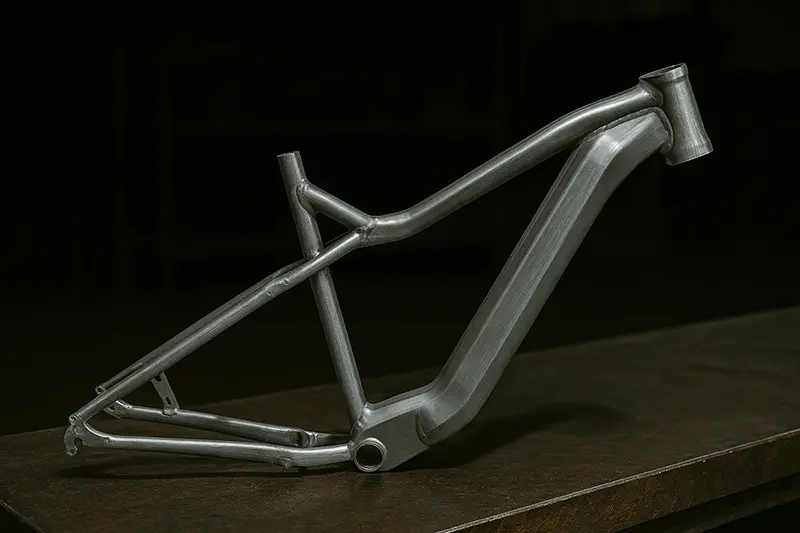
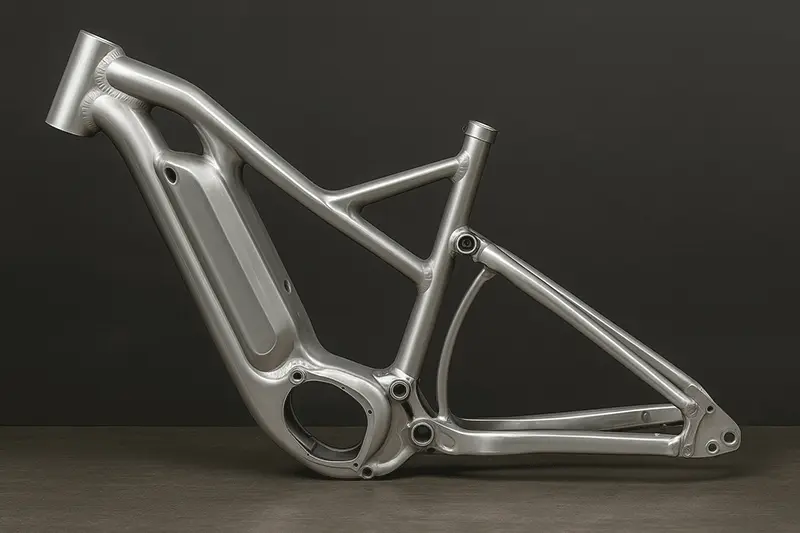
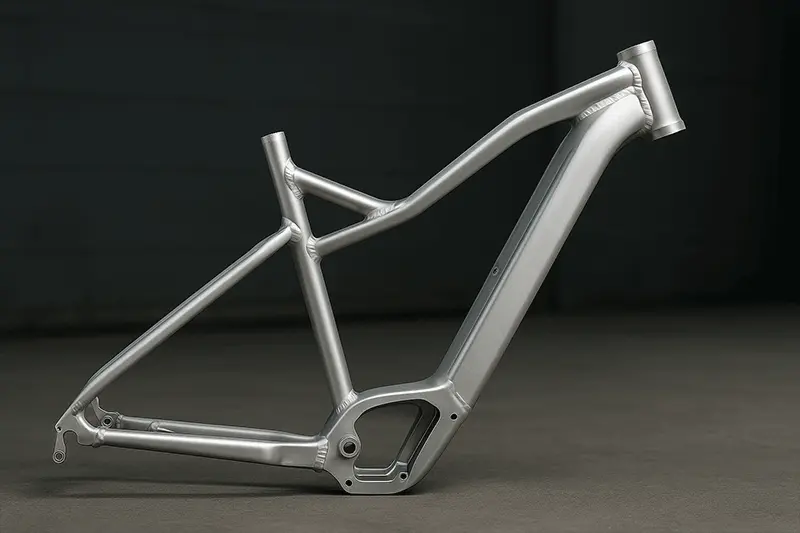
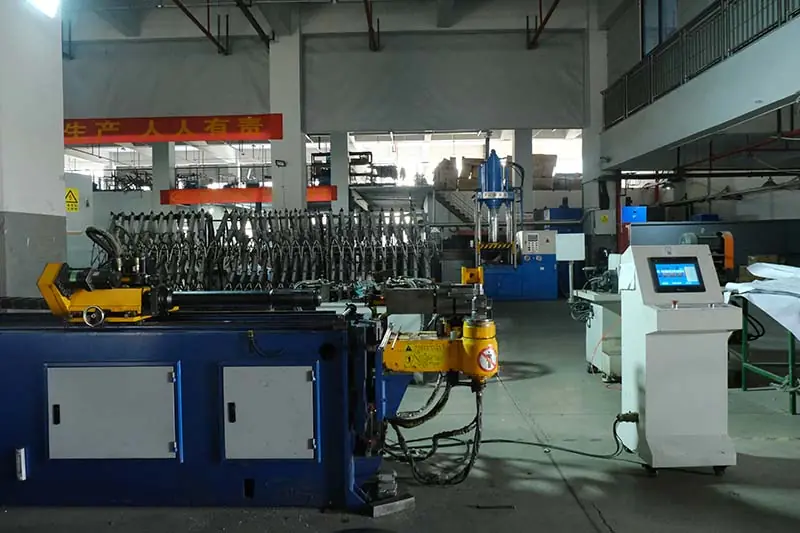
Electric bike Frame Tube Processing

Butted Tubing
Tube ends are thicker, middle thinner; lightweight but strong.
Hydro Bulging
Liquid pressure expands specific tube sections for local reinforcement.
Hydroforming
High-pressure liquid expands the tube inside a mold for complex shaping.
Shaped Tubes
Tubes are shaped into oval, square, or custom profiles.
02 Machining
Electric Bike Frame Machining
Machining is carried out after welding and heat treatment to ensure precision of key frame components. Using CNC machines and specialized tools, critical areas such as the head tube, bottom bracket shell, and disc brake mounts are precisely bored, faced, and threaded. This guarantees accurate dimensions, smooth assembly with bearings and drivetrain parts, and reliable performance during riding.
Purpose: Achieve precision on key mounting points.
Process: CNC boring → Facing → Threading.
Outcome: Accurate fit, smooth assembly, reliable function.
03 Manufacturing Processes
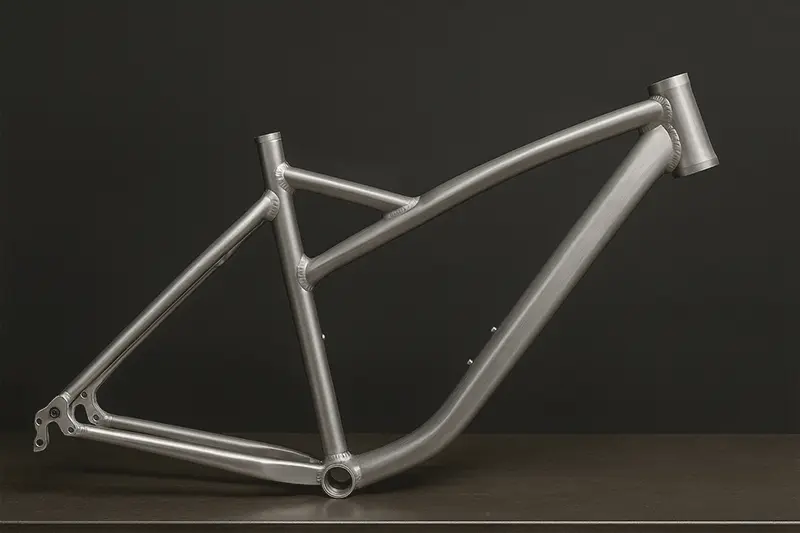
Electric bike Frame Manufacturing Processes
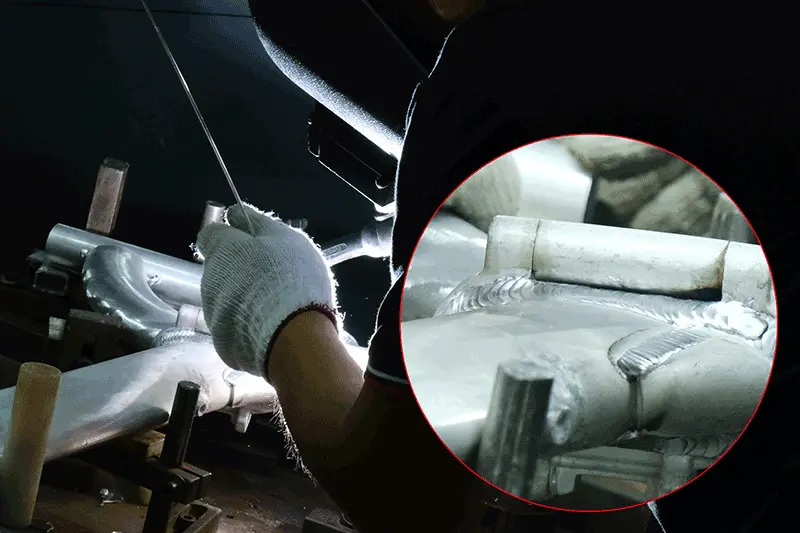
Welded Frames
Tubes are cut and joined by TIG/MIG welding; the most common method.
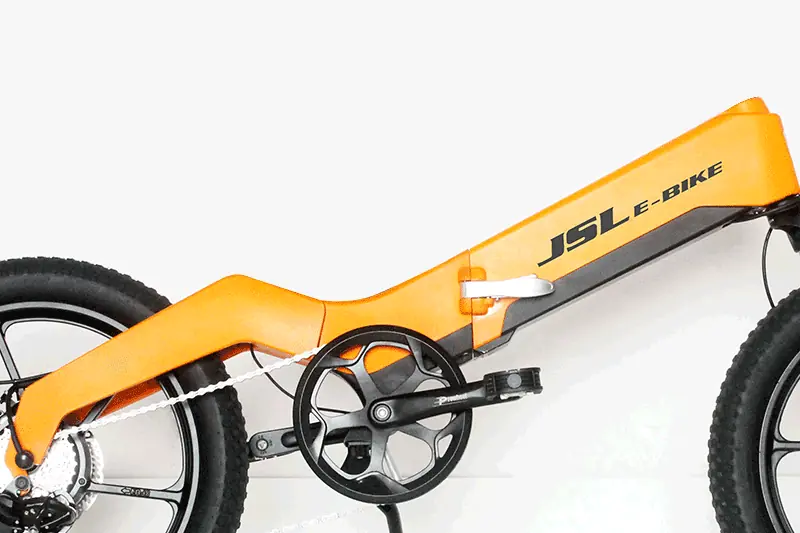
Integrated Die Casting
Molten aluminum is cast into molds, forming frames in one step; seamless appearance.
Forging
Mainly for joints (BB, dropouts); provides high strength.
Extruded Profiles Assembly
Aluminum extrusions are cut and assembled, often combined with welding
04 T4 Heat Treatment
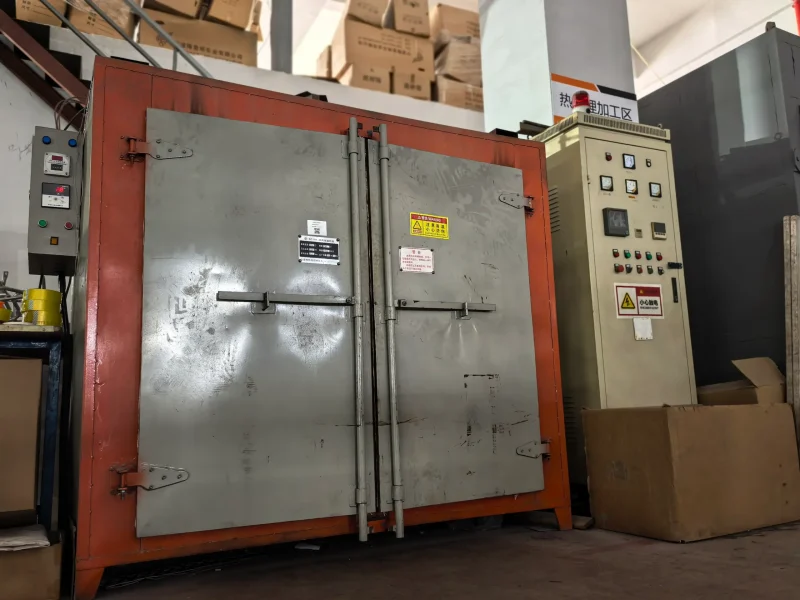
Electric Bike Frame T4 Heat Treatment
T4 Heat Treatment is an essential step in aluminum frame manufacturing. After welding, the frame undergoes a solution heat treatment at high temperature, followed by rapid cooling. This process dissolves alloying elements into the aluminum matrix, releasing internal stress caused by welding. The result is a more stable structure, improved toughness, and preparation for subsequent aging treatments such as T6.
Purpose: Relieves welding stress, enhances toughness.
Process: High-temperature solution → Rapid quenching.
Outcome: Stable frame, ready for aging treatment.
05 Alignment
Electric Bike Frame Alignment
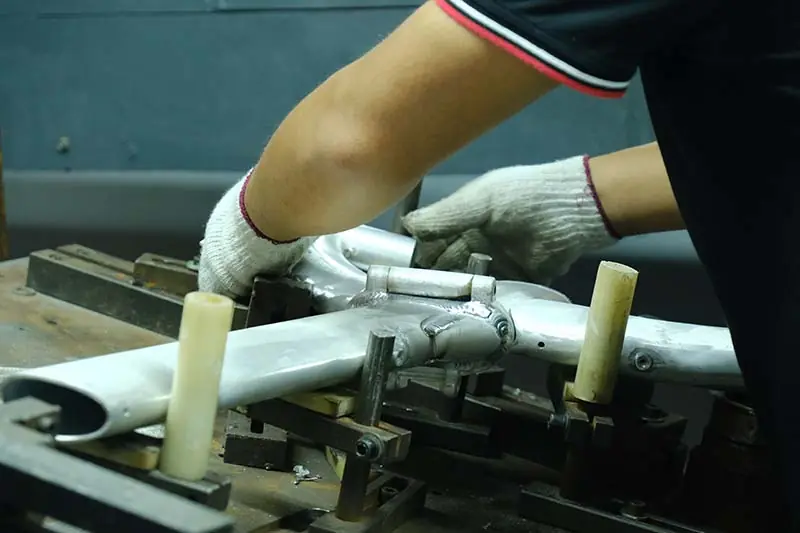
Frame Alignment ensures that the bicycle frame maintains precise geometry after welding and heat treatment. Specialized fixtures and measuring tools are used to check key dimensions such as head tube angle, bottom bracket position, and rear dropout spacing. Any deviation is carefully adjusted to restore symmetry and accuracy. This process guarantees riding stability, smooth drivetrain operation, and reliable assembly with other components.
Purpose: Corrects deformation after welding/heat treatment.
Process: Precision measurement → Mechanical adjustment.
Outcome: Stable geometry, better riding performance.
06 T6 Heat Treatment (Artificial Aging)
Electric Bike Frame T6 Heat Treatment (Artificial Aging)
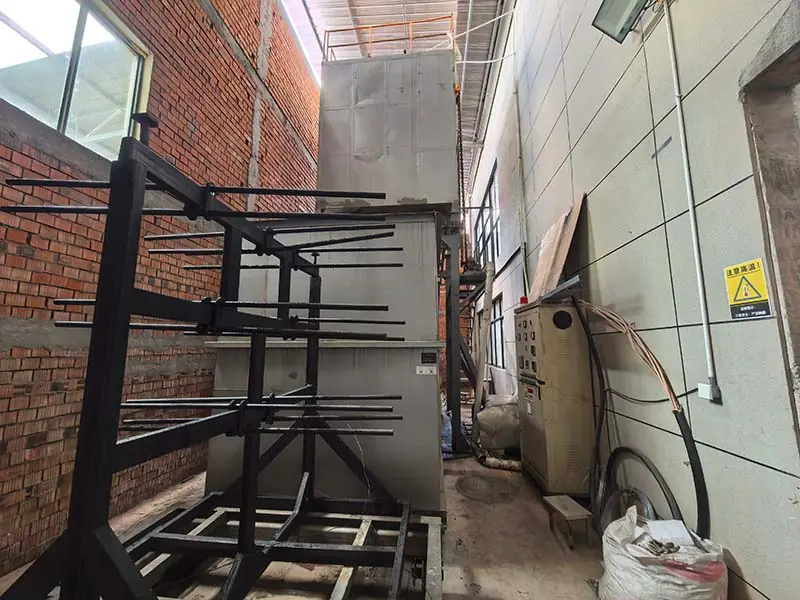
T6 Heat Treatment, also known as Artificial Aging, follows the T4 process. After solution treatment and quenching, the frame is reheated at a controlled temperature for several hours. This allows alloying elements to precipitate uniformly, increasing hardness, tensile strength, and fatigue resistance. T6 treatment ensures the aluminum frame reaches its optimal mechanical performance, making it strong enough for demanding riding conditions.
Purpose: Strengthen the frame after T4 treatment.
Process: Reheating → Controlled aging → Stabilization.
Outcome: Higher strength, better durability, long service life.
07 Grinding & Polishing
Electric Bike Frame Grinding & Polishing
Grinding & Polishing is the process of refining the frame surface after welding and machining. Skilled workers use grinders, sanding belts, and polishing tools to smooth out welding seams, remove sharp edges, and create a uniform surface finish. This step not only improves the frame’s appearance but also prepares it for painting, powder coating, or anodizing, ensuring long-lasting durability and a premium look.
Purpose: Smooth welds, remove burrs, enhance appearance.
Process: Grinding → Sanding → Polishing.
Outcome: Seamless finish, ready for coating.
08 Frame Pre-treatment
Electric Bike Frame Pre-treatment
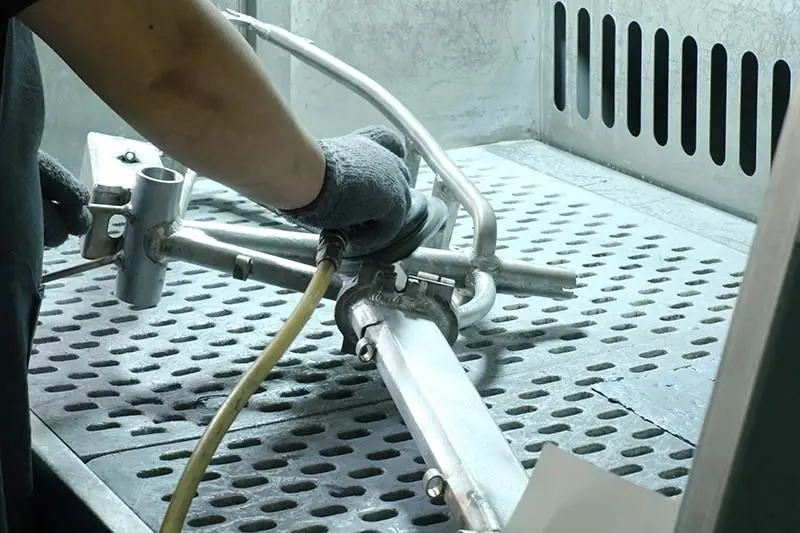
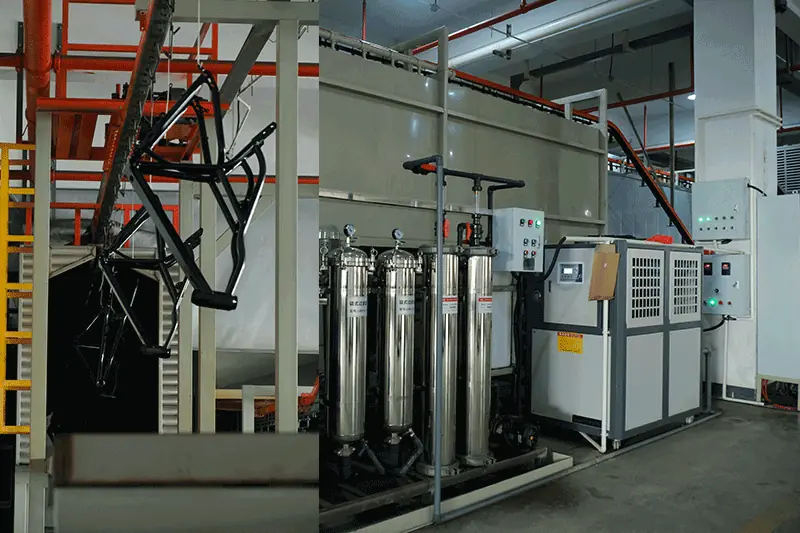
Before painting, powder coating, or anodizing, all frames undergo 11 pre-treatment steps to ensure surface cleanliness and coating adhesion. By removing oil, dust, and oxide layers through degreasing, rinsing, pickling, and phosphating, the frame surface is activated and prepared for coating. This process improves adhesion, prevents corrosion, and ensures a smooth, uniform finish. Proper pre-treatment is essential for long-lasting durability and premium surface quality.
Purpose: Clean and activate the frame surface.
Process: Degreasing → Rinsing → Chemical treatment → Drying.
Outcome: Better coating adhesion, corrosion resistance, smooth finish.
Alkaline Degreasing(Remove oil) → Water Rinsing → Pickling(Remove oxide layer) → Water Rinsing → Phosphating(Enhance adhesion) → Water Rinsing → Drying
09 Surface Treatment
Electric Bike Frame Surface Treatment
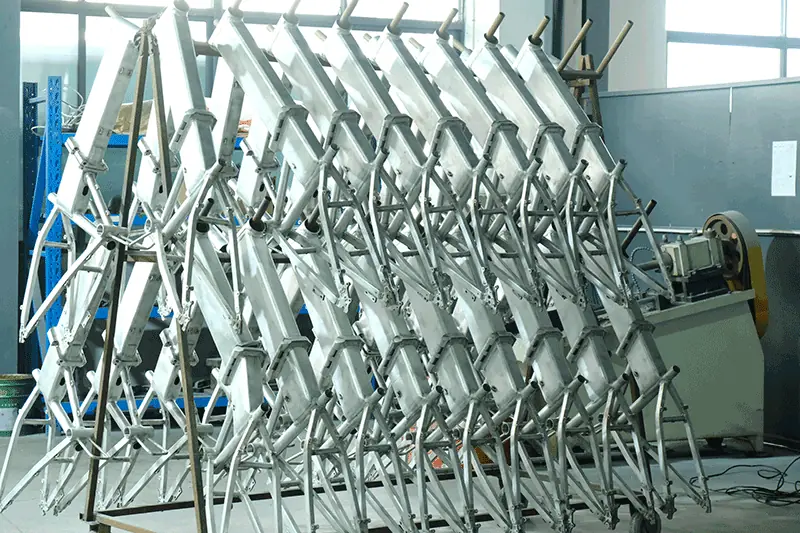
Surface Treatment is the final coating process that gives the e-bike frame both protection and appearance. Depending on customer requirements, the frame may undergo powder coating, electrophoresis (E-coating), or painting. Each method creates a durable layer that resists corrosion, enhances weather resistance, and provides a smooth, attractive finish. High-quality surface treatment ensures long-lasting durability and reinforces the premium look of the frame.
Purpose: Protect the frame and improve aesthetics.
Process: Powder coating / Electrophoresis / Painting.
Outcome: Corrosion-resistant, durable, and visually appealing frame.
Ebike Frame Wet Painting (Baking Finish)
For frames requiring special or gradient colors, we apply wet painting with baking finish.
- Paint: Imported eco-friendly acrylic paint
- Method: Electrostatic spraying + manual touch-up
- Baking Condition: 140–160℃ × 30 min
- Effect: High gloss finish, color vividness improved by ≥20%
Ebike Frame Powder Coating Process
Using a fully automatic powder coating line, the frame surface receives a uniform and dense coating layer.
Process: Powder Coating / Application → High-Temperature Curing → Cooling → Inspection.
Parameters: Coating Thickness:70–90 μm / Curing Condition:180℃ × 20 min.
Performance: Salt Spray Test:≥500 h/Eco-friendly: VOC.
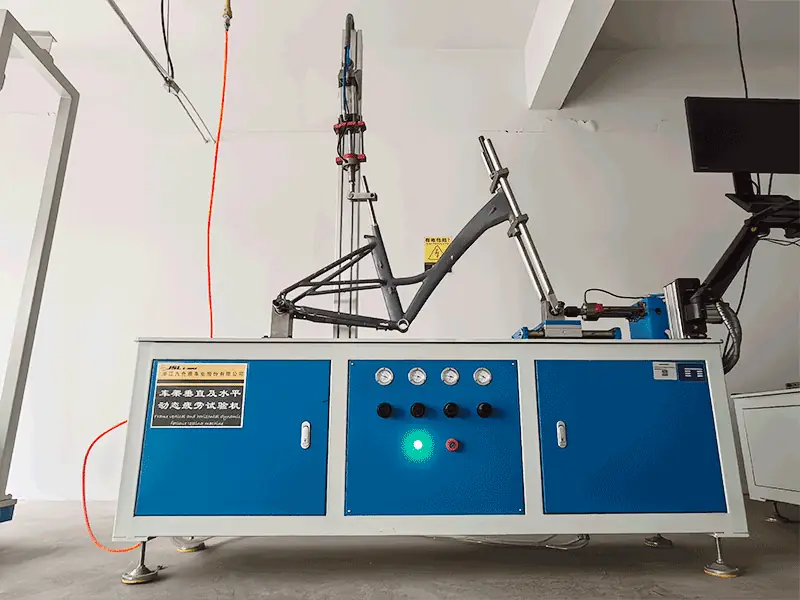
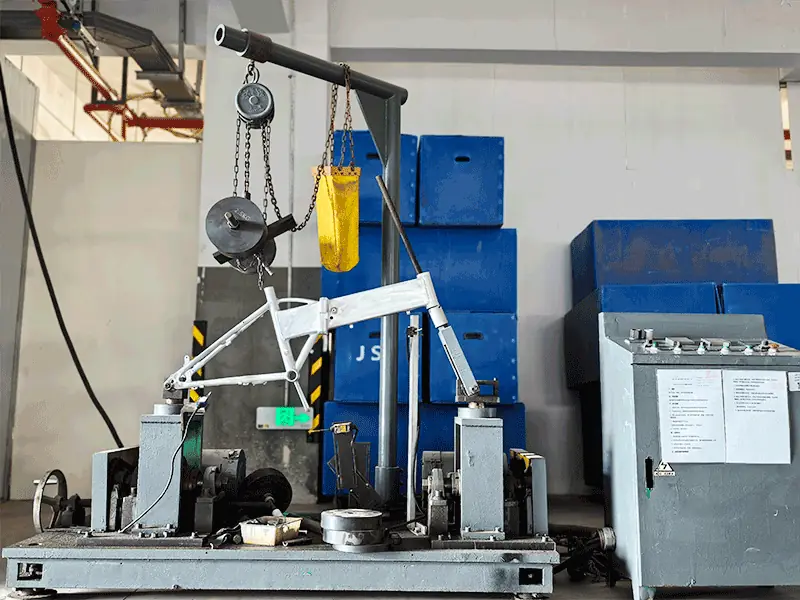
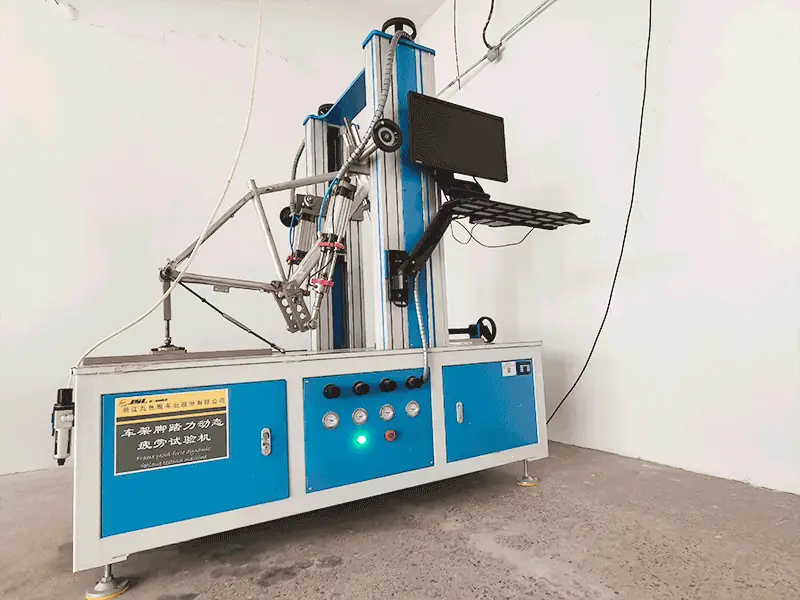
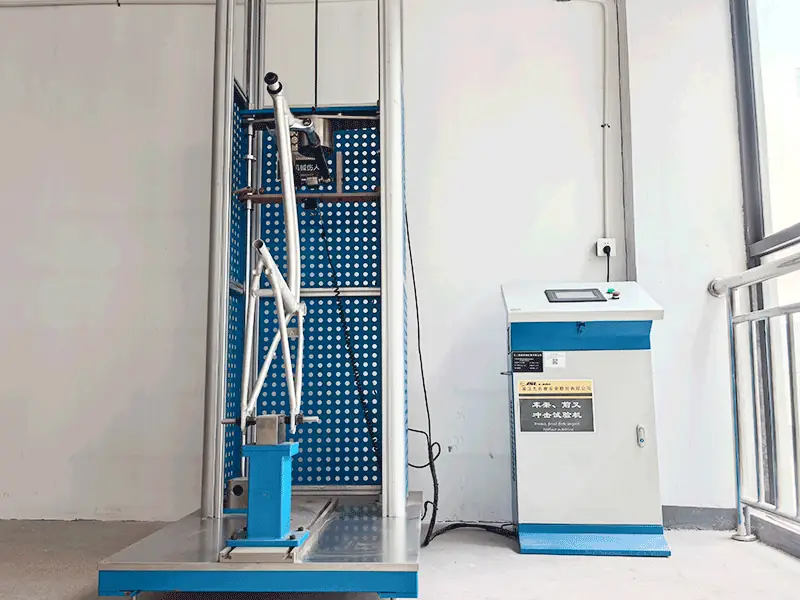
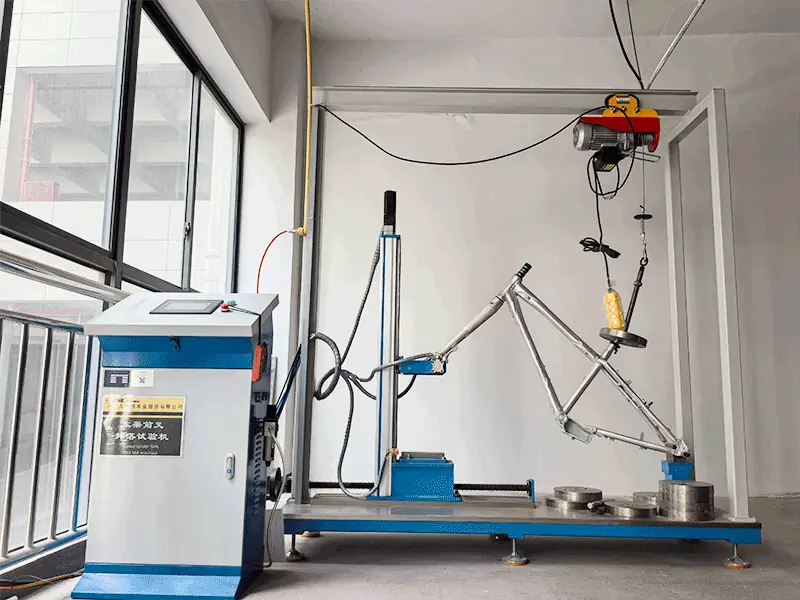
10 Quality Assurance · Frame Testing & Validation
Electric Bike Frame Surface Treatment
Front-End Horizontal Fatigue Test
Purpose: Applies cyclic lateral load at the head tube to simulate steering/braking forces.
Checks: Cracks around head tube joints, headset looseness.
Pedaling (BB) Fatigue Test
Purpose: Applies alternating torque at the bottom bracket to replicate pedaling loads.
Checks: BB shell cracking, chainline deformation.
Whole-Frame Dynamic Fatigue Test
Purpose: Applies multi-point cyclic loads to simulate long-term riding stresses.
Checks: Weld durability, frame fatigue life.
Vertical Drop Impact Test
Purpose: Applies vertical drop impact onto seat tube area to simulate sudden seat loads.
Checks: Dents, permanent deformation.
Front-End Impact Test
Purpose: Delivers a pendulum/mass impact to the front end to simulate frontal collision.
Checks: Instant cracks, weld failures.
11 Complete Bike Assembly Process
Complete Bike Assembly Process
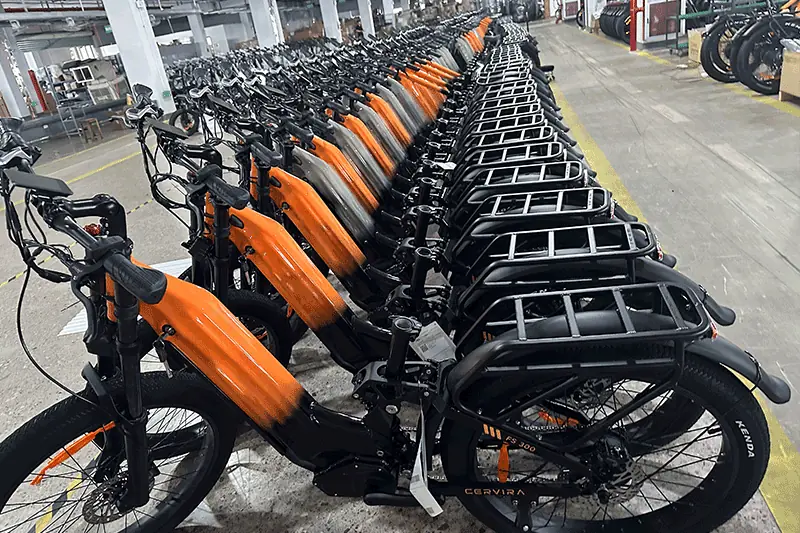
At JSL, complete bike assembly is conducted on a fully automated production line, enhanced by skilled technicians for precision handling. From components to final bikes, every process follows strict industrial standards:
Component Preparation: Wheel spoke tension controlled within ±5%, high-speed dynamic balance deviation ≤0.3 mm; brake systems pre-assembled in batches with braking force ≥180 N.
Motor Installation: Both hub and mid-drive motors are installed with precision ≤0.2 mm, waterproof rating IP65, and tested for noise (≤55 dB) and temperature rise (≤25℃ under 30 min load).
Battery Assembly: Modular structure with aluminum alloy casing; cell voltage deviation ≤0.01 V; battery packs pass IPX7 immersion test and ≥800 cycle life verification.
Controller & Wiring: All harnesses use quick-plug waterproof connectors (IP67), fixed every 20 cm to prevent abrasion during long-term use.
Final Assembly & QC: Key bolts tightened to 25–50 Nm; pedal rotation resistance ≤0.5 Nm. Each bike undergoes ≥20 minutes of test riding to verify brake sensitivity, shifting smoothness, and motor response.
With automated assembly lines, standardized parameters, and comprehensive quality checks, JSL ensures every e-bike delivers safety, smooth performance, and a premium finish.