Choosing an e-bike frame seems simple, but the wrong choice can alienate your target customer. This decision goes far beyond looks and can directly impact your sales and brand positioning.
Step-through frames are best for comfort and accessibility, targeting city commuters, seniors, and families. Step-over frames offer structural strength and a sporty feel, making them ideal for mountain, fat tire, and performance-focused e-bikes. The choice defines your product's core user and purpose.
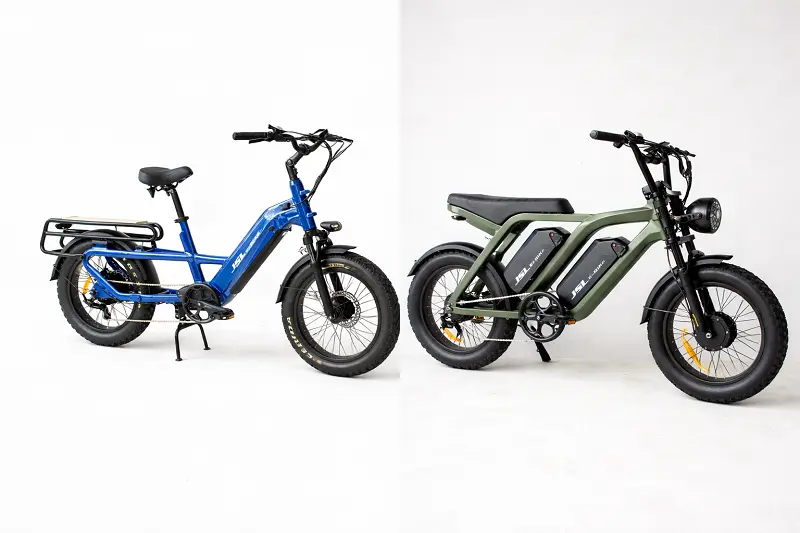
When I talk to clients, many see this as a simple choice between a low bar and a high bar. But I always tell them the frame shape is the foundation of their product's story. It's about who the bike is for and what it's designed to do. So, let's break down what these two frame types really mean for your business and your customers.
Is a Step-Through Frame Just for Convenience?
Many people think step-through frames are just about making it easier to get on and off. But seeing it that way means you could miss out on a huge and diverse market.
No, it's about making cycling accessible and friendly. Step-through frames attract a wide audience, including urban commuters in work clothes, seniors who value safety, and parents managing cargo. They signal that a bike is for everyday life, not just for sport or recreation.
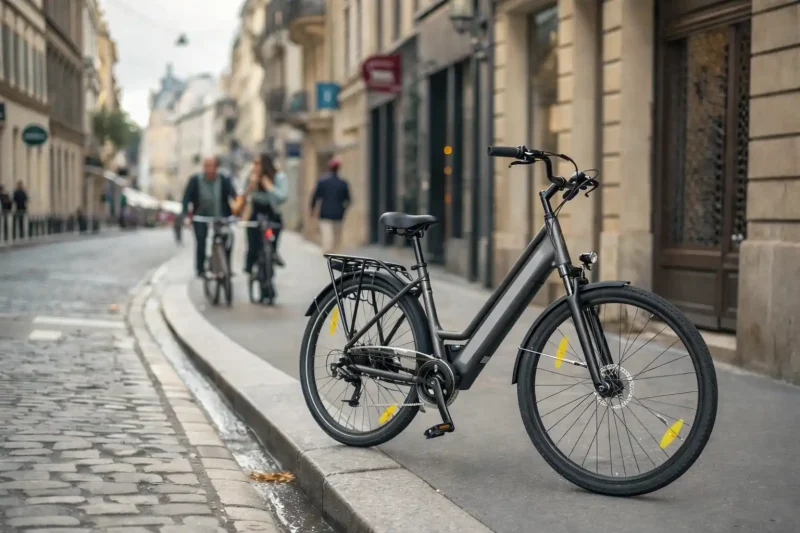
In my experience, the step-through frame sells a feeling of ease. It removes barriers that might stop someone from riding a bike.1 Think about the different types of people this appeals to.
The Everyday Urban User
City riders need practicality. They make frequent stops at lights, lock up their bikes on busy streets, and often wear normal clothes, not specialized cycling gear. A step-through frame means they can get on and off quickly without swinging a leg high over the back, which is difficult in a suit, a dress, or with a backpack on.
Seniors and Riders with Limited Mobility
This is a growing market that values safety and comfort above all else. A low frame reduces the risk of losing balance while mounting or dismounting.2 It provides confidence, which is often the biggest hurdle for older riders who want to stay active.
Parents and Cargo Haulers
For cargo e-bikes designed for school runs or grocery trips, a step-through design is almost essential. When you have a child seat on the back or heavy bags in a basket, stability is key. A step-through frame allows the rider to firmly plant their feet on the ground while getting on, making the whole process much safer and less awkward.
| User Profile | Primary Need | How Step-Through Frame Helps |
|---|---|---|
| City Commuter | Frequent stops, non-sporty attire | Effortless mounting and dismounting. |
| Senior Rider | Safety, stability, confidence | Reduces risk of falls and feels more secure. |
| Parent with Cargo | Balance while loaded | Allows stable footing before starting. |
Does a Step-Over Frame Mean Better Performance?
Your customers often want a bike that looks tough, durable, and ready for adventure. You might think a step-over frame automatically delivers that. But there's more to it than just looks.
In many cases, yes. The classic diamond-shaped design of a step-over frame provides natural structural rigidity and strength.3 This is why it's the standard for mountain e-bikes, fat tire models, and performance hybrids where handling and durability under stress are critical for the rider.

The step-over frame, with its high top tube, creates a classic triangle.4 This shape is incredibly strong and has been the standard in bicycle design for over a century for a good reason. It's all about physics.
Structural Integrity and Power Transfer
The two triangles of a step-over frame create a very stiff and light structure.5 This rigidity is crucial for performance. It means that when a rider pedals hard, the energy goes directly to moving the bike forward instead of being wasted by flexing the frame. On a rough trail, this stiffness also gives the rider precise handling and control, allowing them to navigate obstacles with confidence. It feels more connected and responsive.
The Right Image for the Right Market
Beyond engineering, the step-over frame has a powerful image. It looks athletic and capable. For mountain e-bikes, fat tire e-bikes, and performance road models, customers expect this design. It visually communicates strength and purpose.6 If you are targeting a market that values sportiness, off-road capability, or an aggressive riding style, the step-over frame is the clear choice. It aligns the product's look with its intended function.
| E-Bike Type | Primary Use Case | Why Step-Over Frame is Ideal |
|---|---|---|
| Mountain E-Bike | Off-road trails, technical terrain | Maximum stiffness for precise control and durability. |
| Fat Tire E-Bike | Sand, snow, loose ground | Frame strength to handle impacts and a powerful look. |
| Performance Hybrid | Fast commuting, fitness | Efficient power transfer and an aggressive riding posture. |
What’s the Hidden Engineering Secret of a Good Step-Through Frame?
So, you decide to develop a step-through e-bike to attract a wider audience. But be careful. If a factory simply cuts out the top tube, you might sell a wobbly and unsafe product.
The secret is proper reinforcement. Removing the top tube compromises the frame's strongest structural shape. A quality manufacturer must re-engineer the frame, typically by using an oversized down tube and strengthening the head tube and bottom bracket areas to ensure it is stiff, stable, and safe.
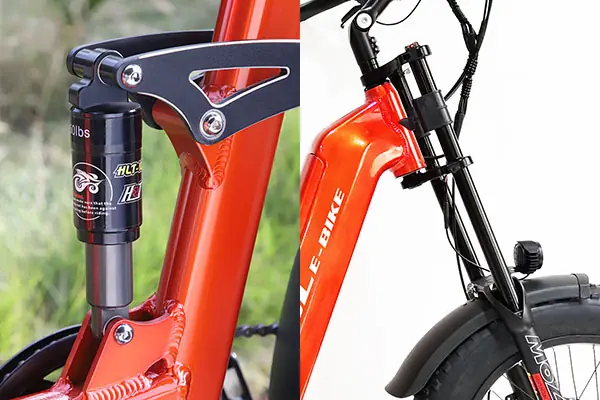
This is the single most important point I stress to my OEM and ODM clients. A poorly made step-through e-bike is a liability. The additional weight of the battery and motor, combined with the forces from braking, puts immense stress on the frame. Without a top tube, that stress has to go somewhere else.
The Engineering Challenge
In a good design, that stress is managed by the down tube. We can't just use a standard tube. We must use a much larger, often hydroformed, down tube that resists twisting forces. Sometimes, a double-tube design is used for extra-low step-throughs or heavy-duty cargo models.7 We also have to add extra material, called gussets, to reinforce the joints at the head tube (where the handlebar connects) and the bottom bracket (where the pedals connect). Without this, the bike will feel noodly and unstable, especially at speed or during turns. This is not just uncomfortable; it's dangerous.
When you evaluate a potential manufacturing partner, you must ask about this. Ask to see their designs. Ask how they test for frame stiffness and durability. A good partner will have clear answers and be proud to show you their engineering.
| Feature | Bad Step-Through Design (A Red Flag) | Quality Step-Through Design (Our Standard) |
|---|---|---|
| Down Tube | A standard, thin tube is used. | An oversized, hydroformed, or double-tube is used. |
| Frame Feel | Noticeable flex or "wobble" when riding. | Stiff, stable, and confidence-inspiring ride. |
| Joints | Standard welds with no reinforcement. | Reinforced gussets at head tube and bottom bracket. |
| Your Business Risk | Customer complaints, returns, safety issues. | Happy customers, brand loyalty, strong reputation. |
Conclusion
The choice between frame types is a strategic market decision, not just an aesthetic one. Understanding the engineering behind them is key to building a quality product for your target audience.
"Step-Through Frame Benefits: Comfort and Accessibility for E-Bike ...", https://dohenybike.com/blogs/folding-e-bikes/step-through-frame-benefits-comfort-and-accessibility-for-e-bike-riders?srsltid=AfmBOopEbukiJvxKOLam9YKmGQUeh0Qfl5C_CAJ26txDWHs4Ey6VgbnE. This source supports the claim that step-through frames reduce barriers to cycling by making it easier for diverse users to mount and dismount. Evidence role: general_support; source type: research. Supports: It removes barriers that might stop someone from riding a bike.. ↩
"Bicycle frame - Wikipedia", https://en.wikipedia.org/wiki/Bicycle_frame. This source supports the claim that low frames, such as step-through designs, reduce the risk of balance loss during mounting or dismounting, particularly for seniors or those with limited mobility. Evidence role: mechanism; source type: research. Supports: A low frame reduces the risk of losing balance while mounting or dismounting.. ↩
"Science of Cycling: Bicycle Frame Design | Exploratorium", https://annex.exploratorium.edu/cycling/frames4.html. This source explains how the diamond-shaped design of step-over frames contributes to their structural rigidity and strength, which is essential for performance-focused bicycles. Evidence role: mechanism; source type: education. Supports: The classic diamond-shaped design of a step-over frame provides natural structural rigidity and strength.. ↩
"The Effects of Bicycle Frame Geometry on Muscle Activation ... - PMC", https://pmc.ncbi.nlm.nih.gov/articles/PMC3818671/. This source explains how the high top tube in step-over frames forms a triangular structure, contributing to their strength and rigidity. Evidence role: mechanism; source type: education. Supports: The step-over frame, with its high top tube, creates a classic triangle.. ↩
"Science of Cycling: Bicycle Frame Design | Exploratorium", https://annex.exploratorium.edu/cycling/frames4.html. This source explains how the dual-triangle design in step-over frames contributes to their stiffness and lightweight properties, which are critical for performance. Evidence role: mechanism; source type: education. Supports: The two triangles of a step-over frame create a very stiff and light structure.. ↩
"Step-Through vs. Step-Over: Which Frame Design Is Better for Your ...", https://newurtopia.com/blogs/blog/step-through-vs-step-over-ebike-frames?srsltid=AfmBOor592t2R0rHPv8N1Ednye6aG9JsB-wgqFrCmFKne3y6Y13TIeJp. This source supports the claim that the visual design of step-over frames conveys strength and purpose, aligning with customer expectations for performance bikes. Evidence role: general_support; source type: research. Supports: It visually communicates strength and purpose.. ↩
"Science of Cycling: Bicycle Frame Design | Exploratorium", https://annex.exploratorium.edu/cycling/frames4.html. This source supports the claim that double-tube designs are employed in step-through frames for added strength in extra-low or heavy-duty models. Evidence role: mechanism; source type: research. Supports: Sometimes, a double-tube design is used for extra-low step-throughs or heavy-duty cargo models.. ↩