Struggling to find a market that values quality over price? You might be overlooking a region where e-bikes are not a luxury, but a core part of daily life.
The Nordic e-bike market1 is a high-growth, high-quality segment with an 8% CAGR. It's driven by deep integration into city infrastructure and mature user habits, making it a prime opportunity for premium, high-tech e-bike manufacturers looking for a stable and appreciative customer base.
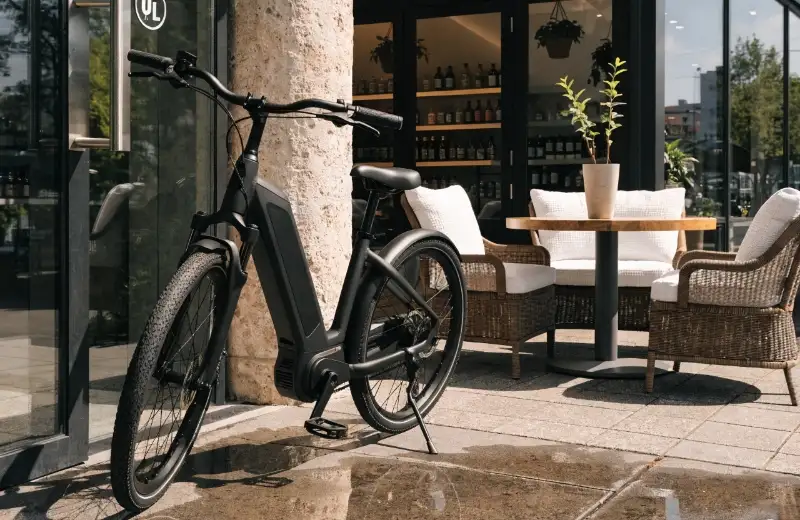
I've spent years analyzing global trends, and the Nordic region always stands out. It's not just about sales numbers; it's about a different mindset. To really succeed here, you need to understand what makes this market tick. Let's break it down.
Why is the Nordic E-Bike Market More Than Just Selling Bikes?
Do you think selling e-bikes is just about features and specs? In the Nordics, that approach will fail. The market is built on a completely different foundation.
The Nordic region is an "electric mobility ecosystem market2." E-bikes are not recreational toys; they are a vital part of the urban transport system. Governments actively integrate them, and cycling is a primary mode of commuting, creating a unique, system-level demand for high-quality e-bikes.
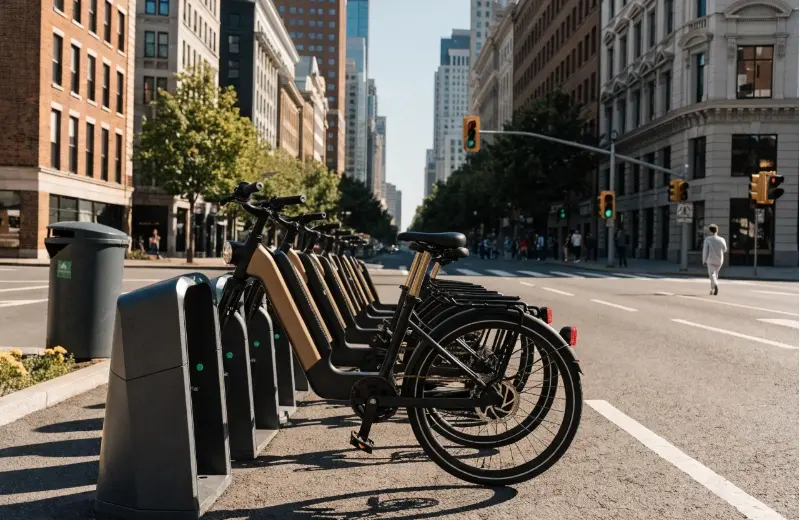
When I first looked into the Nordic market, I thought it was just a smaller version of Germany or the Netherlands. I was wrong. Here, the e-bike is treated as essential infrastructure. For example, in Sweden, I learned that over 70% of people use a bike for their commute. This isn't a niche hobby; it's how the city moves. This changes everything for us as manufacturers. We're not just selling a product; we're providing a solution that fits into a larger system. This means our bikes need to be reliable enough for daily use, all year round. It’s a market where the e-bike has already won the argument, and our job is to provide the best possible tool for the job.
Here’s how this "ecosystem" thinking plays out:
- Government Integration: Cities plan their public transport with bike-sharing and bike lanes in mind.
- Corporate Adoption: Companies offer e-bikes to employees as a smart commuting perk.
- Public Perception: The e-bike is seen as an intelligent, efficient, and green alternative to a car.
What Really Drives E-Bike Adoption in the Nordic Region?
Are you relying on government subsidies to drive your sales? In the Nordic countries, the real drivers are much more powerful and permanent, creating a stable, long-term market.
The Nordic market is driven by "city design," not just policy incentives. Excellent cycling infrastructure, mature user habits where people depend on e-bikes for their 5-15km commute, and a strong cultural commitment to sustainability are the true engines of growth in this unique region.
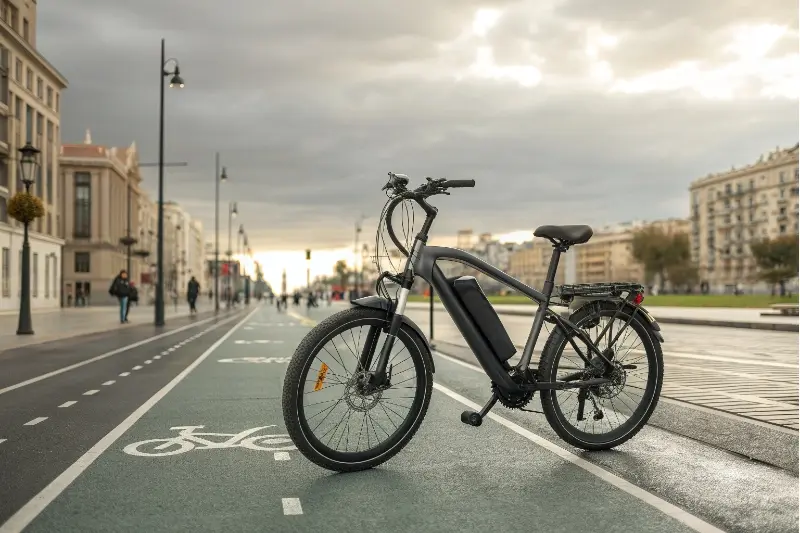
From my experience, most markets rely on temporary boosts like subsidies. But the Nordic growth is built on a solid foundation. It’s what I call "city design-driven." I’ve seen city plans from Stockholm and Copenhagen, and they literally design the city around cycling. It’s a core part of their urban strategy, which gives me confidence as a manufacturer that this demand is here to stay. It's not a trend; it's a fundamental shift in urban living. This makes it a predictable and reliable market for us to invest in for the long term.
Here are the three pillars of this market's strength:
1. Infrastructure is the First Driver
They don't just paint a line on the road. They build dedicated, wide bike highways, secure parking systems, and even heated bike lanes in winter. This makes cycling safe, convenient, and the most logical choice.
2. User Habits are Mature
People aren't just "trying out" e-bikes. They "depend" on them for daily life. The typical commute is 5-15 km, a perfect distance for an e-bike to replace a car or crowded public transport. It's a need, not a want.
3. Sustainability is a Core Value3
Nordic consumers are among the most environmentally conscious in the world. They are genuinely willing to pay more for a green solution. An e-bike fits perfectly with their goal of reducing their carbon footprint.
What Kind of E-Bikes Actually Succeed in the Nordic Market?
Are your standard e-bike models failing to gain traction in the Nordics? It's likely because the market demands a very specific set of high-performance features that are non-negotiable.
Successful e-bikes in the Nordic market are high-end, tech-oriented machines. They require long-range batteries (100km+), smart features like GPS and app connectivity, and robust all-weather durability to handle rain, snow, and cold. Standard, basic models simply won't cut it here.
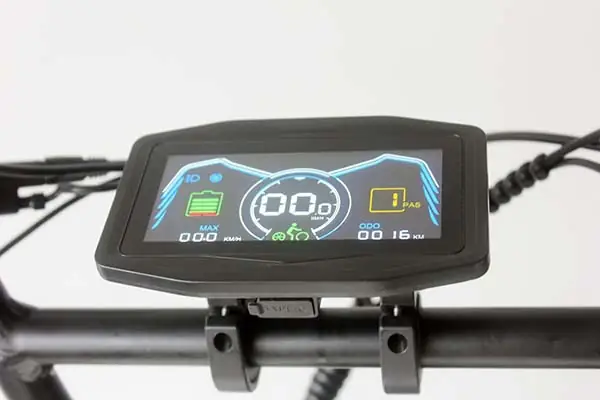
I remember working on a project for a Finnish client. They told me, "Your bike has to survive our winter." That really stuck with me. The Nordic market isn't about flashy looks; it's about tough, reliable performance. The technical standards are incredibly high and uniform. For example, Pedal Assist Systems (PAS) make up about 74% of the market, and Lithium-ion batteries are nearly 100% standard. But that's just the baseline for entry.
To win, you need to focus on what I call the "Nordic Premium Trio":
| Feature | Why It's Crucial in the Nordics |
|---|---|
| Long Range (100km+) | With longer commutes and a culture of outdoor trips, a powerful battery isn't a luxury; it's a necessity to avoid range anxiety. |
| Smart Technology | GPS for anti-theft, app connectivity for diagnostics, and integrated displays are expected. The consumer is tech-savvy and wants a smart device. |
| All-Weather Durability | These bikes must perform flawlessly in rain, snow, and sub-zero temperatures. This means sealed components, rust-resistant materials, and reliable brakes. |
The main use is still urban commuting (around 80%), but there's a growing demand for e-MTBs for outdoor tourism. This means we have to build for both scenarios: a tough commuter and a capable trail bike.
How Should I Tailor My Strategy for Different Nordic Countries?
Thinking of the Nordics as one single market is a big mistake. Each country has its own unique demands, and a one-size-fits-all approach is doomed to fail before it even starts.
You must adapt your strategy. Sweden is the largest, most mature market. Finland offers the fastest growth. Denmark has the strongest cycling culture and highest penetration. Norway's hilly terrain creates a strong demand for high-performance, powerful e-bikes with robust motors and brakes.
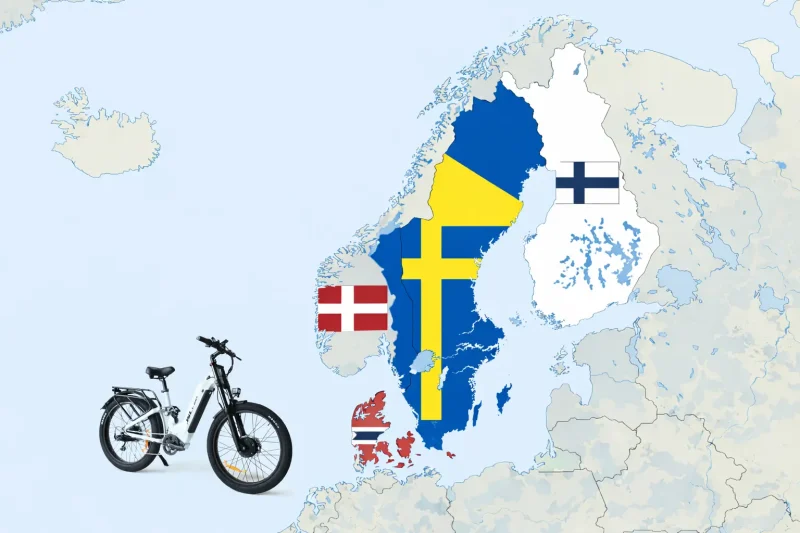
During my business development trips, I learned that treating the Nordics as a monolith is a quick way to lose. You have to get specific. A bike that sells well in Copenhagen might not work in the hills around Oslo. It's essential to understand these local nuances to provide real value. This detailed approach is what separates successful brands from those that fail.
Here’s a quick breakdown I use for my own planning:
- 🇸🇪 Sweden: This is the big, mature market, making up about 35% of the region. They have the best infrastructure and policies. The key word here is Maturity. You need a polished product and a solid service network.
- 🇫🇮 Finland: This is the growth engine, with a CAGR around 9%. The market is expanding quickly. The key word is Potential. It’s a great place for new brands to enter, if they have the right quality.
- 🇩🇰 Denmark: Cycling is practically a religion here. The penetration is incredibly high. The key word is Culture. Your design and brand story must resonate with a very knowledgeable customer base.
- 🇳🇴 Norway: The terrain is tough. Lots of hills and mountains. This means customers need high-torque motors and excellent brakes. The key word is Performance. This is a market for your most powerful and durable models.
And remember, competition here isn't about price. It's about technology, quality, and local service. A low-price strategy will not work.
Conclusion
The Nordic region is a small, premium, and mature growth market. Success here requires high-quality, tech-driven products built for daily commuting, not a low-cost, high-volume approach.
Explore the dynamics of the Nordic e-bike market to understand its growth potential and unique characteristics. ↩
Learn how the Nordic region integrates e-bikes into urban transport systems, creating a unique demand for high-quality e-bikes. ↩
Explore the environmental consciousness of Nordic consumers and their willingness to invest in green solutions. ↩