Your customers think more is better, but a jerky, unpredictable ride says otherwise. The number of assist levels on the spec sheet doesn't guarantee a great experience.
The best number of assist levels is not about quantity, but quality. What truly matters is that each level's power delivery is smooth, logical, and perfectly matched to real-world riding situations. The goal is control and predictability, not just a higher number on the display.
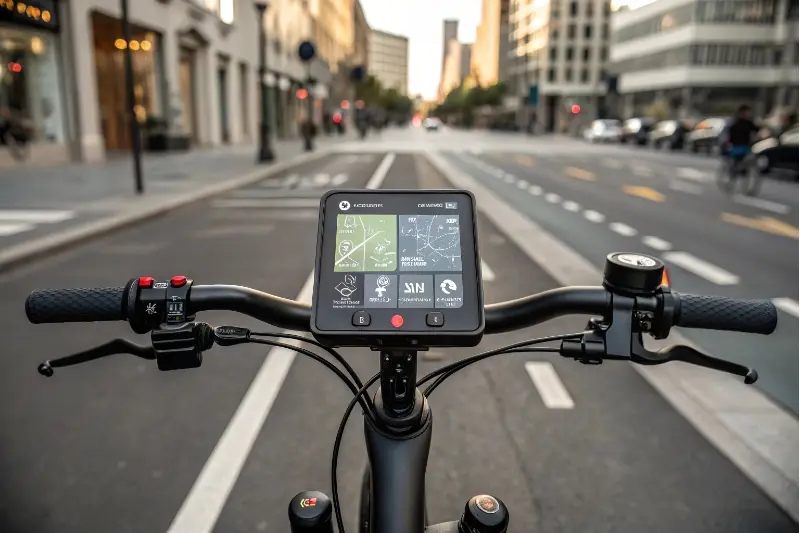
I've seen many clients get excited about offering more features. It's a natural instinct to believe that a bike with nine assist levels must be better than one with three. However, the feedback from actual riders often tells a different story. The focus should not be on a marketing gimmick but on creating a ride that feels intuitive and supportive. In this post, I want to break down why the "rhythm" of the power assist is far more important than the number of gears. We will explore how to get this right for your specific e-bike project.
Why Are More Assist Levels Not Always the Best Choice?
You see a competitor's bike with 9 assist levels and think it looks premium. But your riders might complain about confusing controls and sudden power surges.
More levels can create a worse user experience if the controller tuning is poor.1 If the power difference between levels is barely noticeable, or the jump is too abrupt, it frustrates the rider and makes the entire e-bike feel cheap and unrefined.
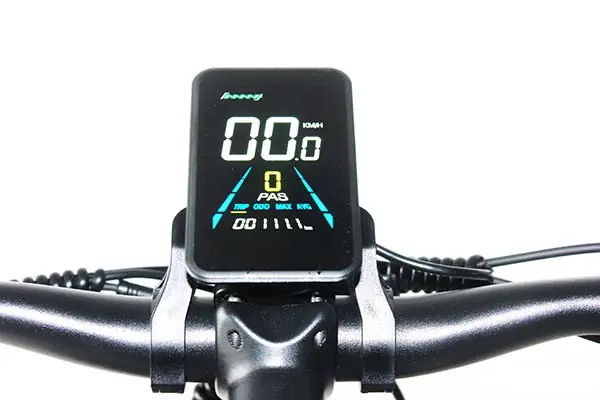
When we talk about poor tuning, we're talking about a frustrating experience for the end-user. Imagine a rider trying to navigate a busy street. They switch from level 2 to level 3 and feel almost no change. Then they switch to level 4, and the bike suddenly lurches forward. This is not a premium experience. It's a confusing and potentially unsafe one. This is a common issue when brands chase a higher number for the spec sheet without investing in the software that controls it. For an OEM project, this is critical because that negative experience becomes associated with your brand. A well-tuned system, even with fewer levels, provides a sense of quality and reliability that riders can feel instantly.
| Feature | Poorly-Tuned 7-Level System | Well-Tuned 3-Level System |
|---|---|---|
| Experience | Confusing, with unnoticeable gaps and sudden power jumps. | Simple, intuitive, and predictable. |
| Level 1 -> 2 | Rider feels almost no difference in power. | A gentle boost, perfect for starting. |
| Level 4 -> 5 | Bike suddenly lurches forward, causing a loss of control. | A noticeable but smooth increase in power for cruising. |
| User Perception | "The bike feels cheap and hard to control." | "This bike is easy to ride and feels very stable." |
How Do Assist Levels Define an E-Bike's 'Riding Personality'?
You've built an e-bike with a powerful motor, but your target users find it too aggressive. This mismatch leads to poor reviews and missed sales targets.
Assist level tuning is what gives an e-bike its character.2 It determines whether the bike feels sporty and responsive or gentle and comfortable. The same 500W motor can be programmed to feel perfect for a young thrill-seeker or a relaxed urban commuter.
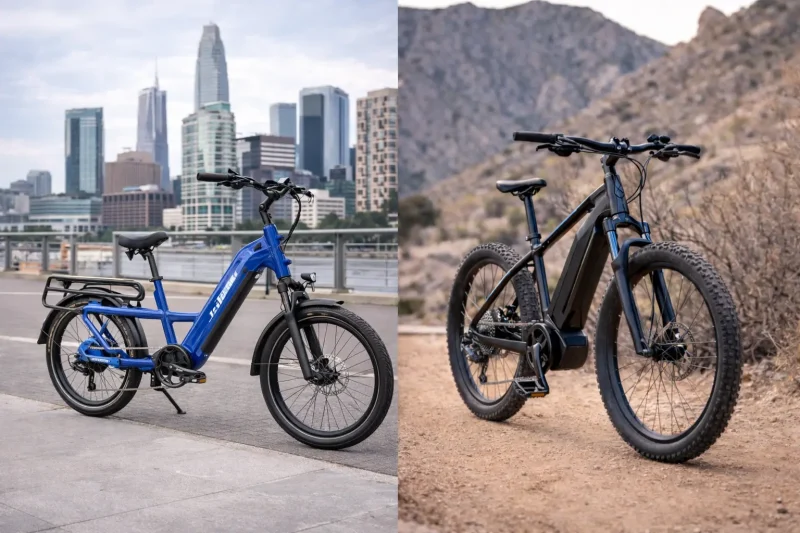
I often tell my clients that the assist levels define the bike's "riding personality." It’s a concept they sometimes overlook. They might focus only on the motor's wattage or the battery's capacity. But how that power is delivered is what the rider actually feels. A bike tuned with an aggressive power curve will feel fast and exciting, delivering a lot of torque instantly. This is great for a mountain e-bike designed for off-road trails. On the other hand, a city bike for commuting or for older riders should have a gentle, smooth power delivery. It should feel safe and easy to control, prioritizing comfort over raw acceleration. As an OEM manufacturer, our job is to help you define this personality and program the controller to perfectly match your target market's expectations.
| Rider Profile | Tuning Goal | Power Delivery Characteristics | Ideal Bike Type |
|---|---|---|---|
| Thrill-Seeker | Aggressive & Sporty | Quick torque response, strong acceleration. | Mountain, Fat Tire |
| Urban Commuter | Smooth & Efficient | Gradual power increase, predictable control. | City, Folding |
| Family User | Safe & Gentle | Soft start, very smooth transitions. | Cargo, Cruiser |
What's the Right Number of Assist Levels for Different E-Bike Types?
You're launching a new e-bike line and are unsure if you need 3, 5, or 9 levels. Choosing wrong can add cost or limit the bike's usability.
There is no one-size-fits-all answer. Simple entry-level city bikes do well with 3 to 5 levels.3 High-performance models like mountain, cargo, or fat tire e-bikes benefit from 5 to 9 levels for finer power control in varied conditions.
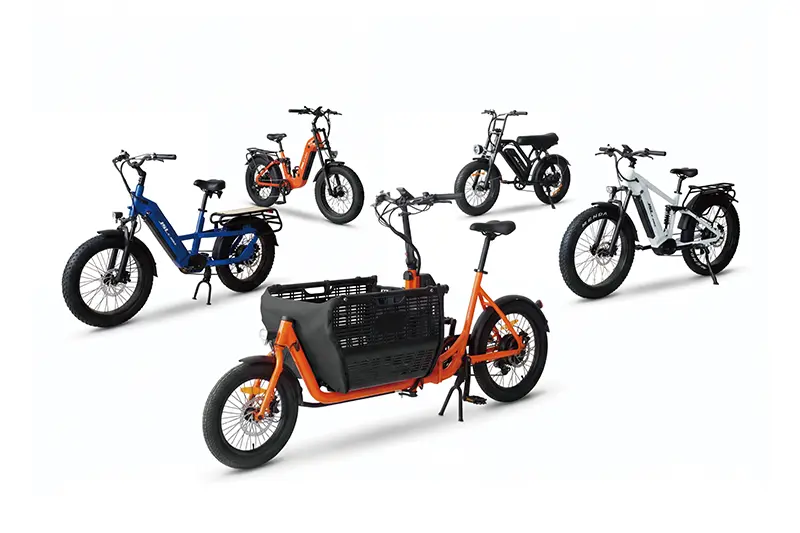
The ideal number of assist levels depends entirely on the bike's purpose and its intended user. For an entry-level commuter bike, simplicity is king. The rider wants to get on, press a button, and go. A simple 3-level system (Eco, Normal, Power) is often perfect.4 It’s easy to understand and keeps the post-sale support costs low. However, for a more advanced cargo e-bike, the rider needs much finer control. They might need a very low power setting to get started with a heavy load, multiple mid-range levels for cruising on different inclines, and a powerful top level for tackling steep hills. In this case, having more levels (like 5, 7, or even 9) adds real value. It allows the rider to precisely manage power and conserve battery life.5
| E-Bike Category | Recommended Levels | Rationale |
|---|---|---|
| Entry-Level City Bike | 3-5 Levels | Simplicity, ease of use, low cost. The focus is on a straightforward experience. |
| Mid-Range Trekking Bike | 5-7 Levels | Offers more refinement for longer rides and varied terrain, balancing power and efficiency. |
| Mountain/Fat Tire Bike | 5-9 Levels | Provides precise power control for technical climbs, difficult terrain, and managing traction. |
| Cargo E-Bike | 5-9 Levels | Essential for managing heavy loads, offering a gentle start and powerful climbing assistance. |
Why Is Controller Tuning More Important Than the Number of Levels?
Your spec sheet looks amazing with 9 assist levels, but your test riders are not impressed. The bike feels unrefined, hurting your brand before it even launches.
The controller's software is the brain that makes the assist levels work.6 Excellent tuning creates a smooth, predictable, and efficient ride. Poor tuning will make even a high-end bike with many levels feel clunky, frustrating, and cheap.
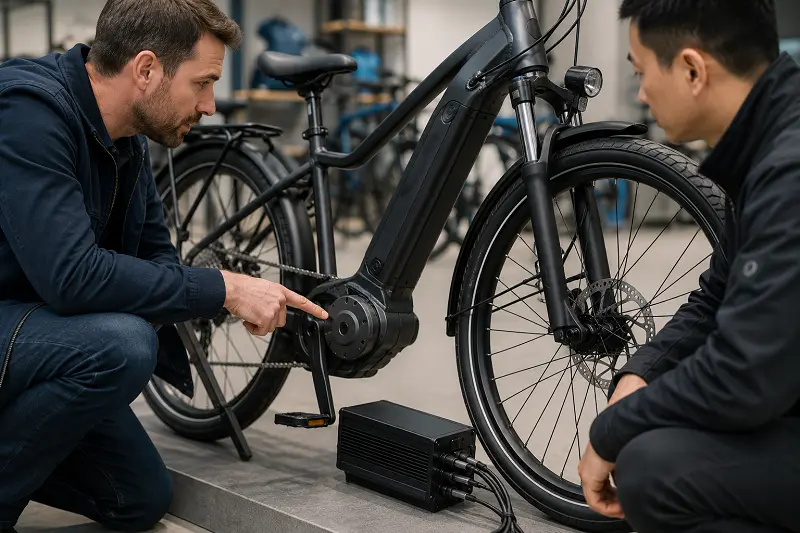
I can't stress this enough: the magic is in the software, not the hardware specs alone. The controller takes input from the rider (pedaling) and translates it into motor assistance. Good tuning is about programming the "rhythm" of this assistance. How does the bike behave when you start from a standstill? Does it lurch forward or ease in smoothly?7 When you switch between levels, is the transition seamless or jerky? Does the motor respond naturally to how hard you are pedaling? These are the details that separate a great e-bike from a mediocre one. This is where our 20+ years of experience really comes into play. We don't just pick a controller; we work with our clients to program a custom power delivery profile that makes their bike feel perfect for their target customer. It’s the invisible art behind a fantastic ride.
Conclusion
The value of assist levels is not in their number, but in their rhythm.8 Good tuning creates a bike that feels controllable, powerful, and has a predictable range.
"Electric bike (non)users' health and comfort concerns pre and ...", https://pmc.ncbi.nlm.nih.gov/articles/PMC8558387/. Research supports that poorly tuned e-bike controllers can lead to inconsistent power delivery, negatively impacting user experience. Evidence role: mechanism; source type: research. Supports: More assist levels can create a worse user experience if the controller tuning is poor.. Scope note: The study may focus on specific e-bike models or controller types. ↩
"Understanding e-bike assist levels and power output", https://www.facebook.com/groups/2261067167324461/posts/23970409579296907/. Studies indicate that assist level tuning significantly influences the perceived riding experience and bike usability. Evidence role: expert_consensus; source type: research. Supports: Assist level tuning is what gives an e-bike its character.. Scope note: The findings may vary based on the motor and controller used. ↩
"Best Electric Bike Buying Guide - Consumer Reports", https://www.consumerreports.org/health/electric-bikes/buying-guide/. Market analysis suggests that entry-level e-bikes often feature fewer assist levels for simplicity and cost-effectiveness. Evidence role: general_support; source type: institution. Supports: Simple entry-level city bikes do well with 3 to 5 levels.. Scope note: The analysis may not cover all entry-level e-bike models. ↩
"Smart Electrically Assisted Bicycles as Health Monitoring Systems", https://pmc.ncbi.nlm.nih.gov/articles/PMC8780236/. Consumer feedback indicates that a 3-level assist system is widely appreciated for its simplicity and ease of use. Evidence role: general_support; source type: institution. Supports: A simple 3-level system (Eco, Normal, Power) is often perfect.. Scope note: Feedback may vary based on user demographics and bike types. ↩
"Which Pedal Assist level kills the battery the most? - Facebook", https://www.facebook.com/groups/lectricebikesowners/posts/3793031514302743/. Research confirms that multiple assist levels enable better power management and battery conservation for e-bike riders. Evidence role: mechanism; source type: research. Supports: It allows the rider to precisely manage power and conserve battery life.. Scope note: The findings may depend on the specific e-bike model and battery type. ↩
"Using Pedal Assist Levels on E-bikes for Challenging Rides", https://www.facebook.com/groups/926685377947023/posts/1588886108393610/. Technical reviews emphasize the critical role of controller software in managing e-bike assist levels effectively. Evidence role: mechanism; source type: education. Supports: The controller's software is the brain that makes the assist levels work.. Scope note: The reviews may focus on specific controller brands or models. ↩
"10 Best Reasons to Buy an E-Bike in 2026 - Crazy Lenny's eBikes", https://crazylennysebikes.com/reasons-to-buy-an-e-bike/?srsltid=AfmBOooLHxWNXNbMtiQhJpzCPBbzVmRFtDOT1NcfczBjsYf7mofuOQws. User experience studies highlight the importance of smooth power transitions in e-bike controllers for safety and comfort. Evidence role: expert_consensus; source type: research. Supports: Does it lurch forward or ease in smoothly?. Scope note: The studies may not address all controller types or tuning methods. ↩
"Understanding e-bike assist levels and power output - Facebook", https://www.facebook.com/groups/2261067167324461/posts/23970409579296907/. Expert reviews argue that the quality of assist level transitions outweighs the quantity in determining e-bike usability. Evidence role: expert_consensus; source type: education. Supports: The value of assist levels is not in their number, but in their rhythm.. Scope note: The reviews may focus on specific e-bike models or user groups. ↩