Worried about rust damaging your e-bikes in coastal regions? Poor finishes can lead to costly returns and a tarnished brand reputation. Protect your investment with the right surface treatment.
For e-bikes in humid or coastal areas, a superior surface finish is vital. It provides essential long-term protection against corrosion from salt and moisture, safeguarding not just the frame's appearance but also its structural integrity and the sensitive electronic components housed within it.
It's easy to focus on the color and shine of a new e-bike. But as a manufacturer, I've seen firsthand how quickly that shine can fade when exposed to the wrong environment. The real story of durability isn't on the surface you see, but in the layers you don't. This is especially true for any e-bike being shipped to, stored in, or used in a place with high humidity or salty air. Let's explore why this matters so much for your business and your brand's reputation.
You see a small rust spot and think it's just a cosmetic issue. But hidden corrosion can compromise structural safety and cause electronic failures, leading to major customer complaints.
Beyond visible rust, corrosion in e-bikes poses significant hidden risks1. It can weaken frame welds, compromise the integrity of the battery compartment, and allow moisture to damage critical electronic components like the controller and wiring connectors, leading to functional failure and safety hazards.
When B2B clients evaluate a new e-bike model, they often focus on the big picture: motor power, battery range, and overall design. Surface finish is sometimes treated as a purely aesthetic choice—matte or gloss, this color or that one. But for bikes going to coastal or humid markets, this is a mistake. The real danger isn't a cosmetic blemish; it's the slow, silent failure of the entire system.
The Domino Effect of Frame Corrosion
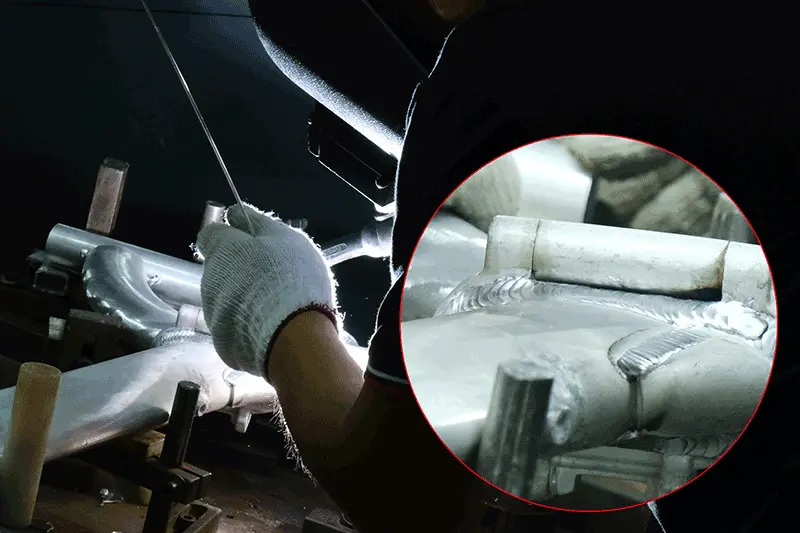
Corrosion doesn't start on the large, flat surfaces of the main tubes. It begins in the places you can't easily see. Think about weld seams, the edges of holes drilled for cables, the inside of the seat tube, or the area around the head tube. These spots trap moisture and salt. Once rust takes hold, it starts to weaken the metal. This process is often accelerated during sea freight and long-term storage in humid port warehouses, meaning the damage can start long before the bike is ever sold.
| Vulnerable Area | Risk of Corrosion | Potential Impact |
|---|---|---|
| Weld Seams | Moisture and salt get trapped in microscopic crevices. | Structural weakening at critical stress points, leading to potential frame failure2. |
| Wire Outlet Holes | Unprotected, sharp metal edges are exposed to the elements. | Water can get inside the frame, and chafed wires can cause short circuits. |
| Battery Compartment | Seals can fail if the surrounding metal corrodes. | Water ingress can damage the battery and its connectors, posing a fire risk. |
| Screw & Bolt Holes | Threads and connection points are prime spots for rust. | Seized components and weakened connections for racks or fenders. |
When Electronics and Corrosion Collide
An e-bike is an electronic system on wheels. Unlike a regular bicycle, corrosion can lead to more than just a seized part; it can cause total electrical failure3. If the frame around the battery housing corrodes, the seal can be compromised. Water gets in, and suddenly you're dealing with connection problems, short circuits, or a damaged Battery Management System (BMS). The same goes for the controller and other wiring connectors. They are often tucked away inside the frame or in seemingly protected areas. But if the frame itself is rusting from the inside or at its entry points, moisture will find a path. This leads to intermittent faults that are a nightmare for customers and repair shops to diagnose, ultimately destroying their trust in your brand.
How can you tell a good surface treatment from a purely cosmetic one?
Your supplier shows you a beautiful sample, but how do you know it will last? A finish that looks good now might hide poor preparation, leading to peeling and rust later on.
A good surface treatment involves multiple layers of protection, not just a top coat of paint. Look for evidence of thorough pre-treatment to clean the metal, followed by a protective primer or e-coating layer before the final color and clear coat are applied for durability.
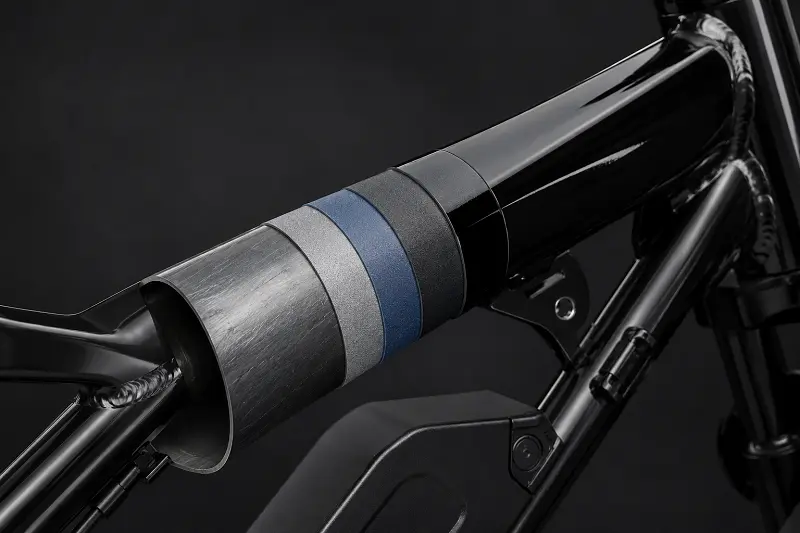
I've seen many clients get impressed by a flawless paint job on a prototype. But a durable finish is like a strong building—the foundation is everything. A pretty top coat without proper preparation underneath is just a temporary mask. For markets where corrosion is a real threat, you have to look deeper. The true quality of a surface treatment lies in the process, not just the final look.
The Layers of a Durable Finish
A robust, corrosion-resistant finish is a multi-step process. Skipping any of these steps to save a few dollars is a recipe for failure.
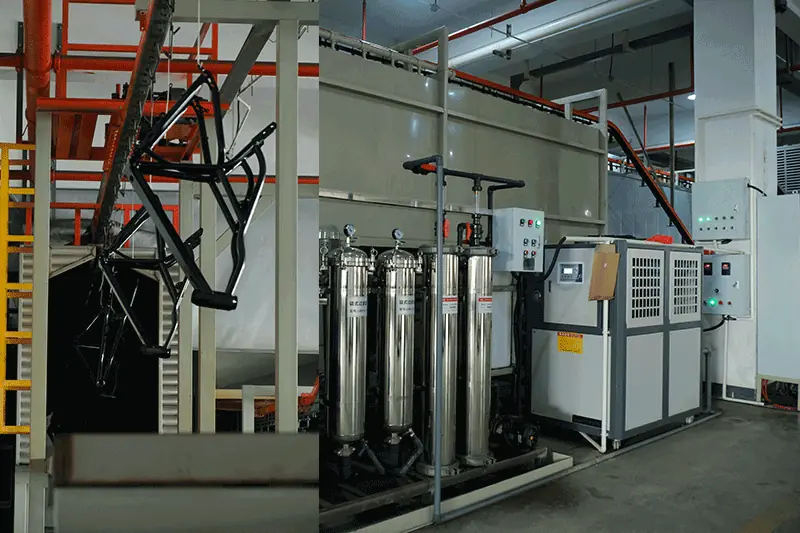
- Pre-treatment: This is the most important step. The raw frame must be thoroughly cleaned and degreased to remove any oils or contaminants. After cleaning, a process like phosphating creates a microscopic crystalline layer on the metal4. This layer does two things: it provides its own minor corrosion resistance, and more importantly, it creates a perfect surface for the next layer to grip onto. Without proper pre-treatment, paint will eventually bubble and peel off5.
- Anti-Corrosion Primer / E-coating: This is the real hero in the fight against rust. We use electrophoresis, or e-coating, which involves dipping the entire frame in a primer bath and applying an electrical charge6. This process pulls the primer into every single corner, crevice, and even inside the frame tubes, creating a complete, uniform seal against moisture. A simple spray-on primer can't achieve this level of total coverage.
- Top Coat: This is the color layer, applied either as a liquid paint or a more durable powder coat. While this layer provides the aesthetics, its ability to withstand chips and scratches relies entirely on the strength of the bond created by the first two steps.
- Clear Coat: A final clear layer adds depth to the color, provides UV protection to prevent fading, and acts as the first line of defense against scratches.
Questions to Ask Your OEM/ODM Partner
When discussing your project, don't just talk about colors. Use these questions to verify that your manufacturing partner understands and implements a proper finishing process for your target market.
| Aspect | Question to Ask Supplier | Why It Matters |
|---|---|---|
| Pre-treatment | "What is your full pre-treatment process before painting? Do you use phosphating?" | This confirms they are properly preparing the metal surface for maximum adhesion and durability. |
| Anti-Corrosion Layer | "Do you use electrophoresis (e-coating) or a spray primer? What are the specifications?" | E-coating is the superior choice for comprehensive rust protection, especially for complex frames. |
| Material Quality | "What brands of powder or paint do you use? Are they rated for outdoor and marine environments?" | High-quality materials from reputable brands resist fading, chipping, and chemical exposure better. |
| Quality Control | "What kind of testing do you perform? Do you conduct salt spray tests, and for how many hours7?" | A salt spray test simulates accelerated aging in a coastal environment. The longer the finish lasts in the test, the better it will perform in the real world. |
Isn't focusing on anti-corrosion just adding unnecessary cost?
You want to keep your costs low to be competitive. But cutting corners on surface treatment might save you cents now, only to cost you dollars in returns and warranty claims later.
Investing in anti-corrosion treatment is not an unnecessary cost; it's a crucial part of risk management for export markets. The small upfront investment significantly reduces the much larger potential costs of batch-wide recalls, warranty claims, and irreversible damage to your brand's reputation.
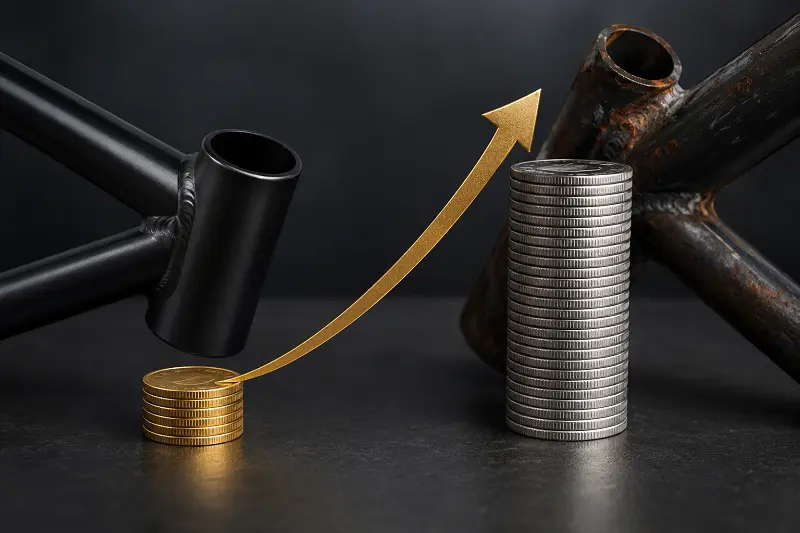
I understand the pressure to reduce the Free On Board (FOB) price. Every dollar counts. Some clients might see a high-spec surface treatment and ask, "Is this really necessary? Can we use a cheaper process?" My answer is always the same: it depends on your market. For a dry, inland region, perhaps. But for a coastal city, a humid country, or anywhere that uses salt on the roads in winter8, cutting this corner is one of the riskiest decisions you can make9.
The True Cost of a "Cheap" Finish
The few dollars you save per unit by skipping e-coating or using a minimal pre-treatment process can evaporate in an instant when the problems start. I remember a client who wanted to save about $5 per frame for an order going to Southeast Asia. Against our advice, they opted out of the full e-coating process. About a year later, their distributor was flooded with complaints. Paint was bubbling and peeling around the bottom bracket and headset on dozens of bikes. The cost to manage that crisis—including shipping replacements, warranty labor, and the damage to their new brand in that market10—was more than fifty times their initial "savings." The real costs are not on the factory invoice; they show up later in:
- Warranty Claims: Paying for labor and parts to fix rust damage or related electrical faults.
- Product Returns: The logistics costs to ship a faulty bike back across an ocean are huge.
- Lost Inventory: If a whole batch is found to have a systemic finishing flaw, it could be a total loss.
- Brand Damage: Negative reviews and angry customers can destroy a brand's reputation, especially when it's new to a market. A reputation for "rusting bikes" is very hard to fix.
A Smart Investment, Not an Expense
As your manufacturing partner, our goal is not just to build your bikes. It's to help you build a successful, long-term business. We see a high-quality surface treatment as a fundamental part of quality control for any product destined for a challenging environment. Instead of viewing it as a cost, you can frame it as a key feature. Marketing your e-bikes as "Coastal-Ready" or having "All-Weather Durability" backed by a superior finish builds consumer confidence and can justify a premium price point. It shows you've thought about the real-world conditions your customers will face. It proves you build products that are made to last, which is the foundation of any great brand.
Conclusion
For humid or coastal markets, surface treatment isn't about looks; it's about survival. Choosing the right finish protects your product, your customers, and your brand's long-term reputation.
"Everything You Need to Know about Frame Material of Electric Bikes", https://himiwaybike.com/blogs/news/everything-you-need-to-know-about-frame-material-of-electric-bikes. This source explains the structural and electronic risks posed by corrosion in e-bikes, including weakened welds and compromised battery compartments. Evidence role: mechanism; source type: research. Supports: Corrosion in e-bikes can weaken frame welds, compromise battery compartments, and damage electronic components, leading to functional failures and safety hazards.. ↩
"Aluminum and metal frame corrosion : r/metallurgy - Reddit", https://www.reddit.com/r/metallurgy/comments/1qs58lj/aluminum_and_metal_frame_corrosion/. This source discusses how corrosion at weld seams and stress points can compromise the structural integrity of metal frames. Evidence role: mechanism; source type: research. Supports: Corrosion at weld seams and stress points can compromise the structural integrity of metal frames, potentially leading to frame failure.. ↩
"What to do about corrosion... : r/ebikes - Reddit", https://www.reddit.com/r/ebikes/comments/1advdv6/what_to_do_about_corrosion/. This source discusses how corrosion in electronic systems, including e-bikes, can lead to electrical failures and safety issues. Evidence role: mechanism; source type: research. Supports: Corrosion in e-bikes can cause total electrical failure by compromising seals, allowing water ingress, and damaging electronic components like the Battery Management System (BMS).. ↩
"Phosphate conversion coating - Wikipedia", https://en.wikipedia.org/wiki/Phosphate_conversion_coating. This source explains the phosphating process and its role in providing corrosion resistance and improving paint adhesion. Evidence role: mechanism; source type: education. Supports: Phosphating creates a microscopic crystalline layer on metal surfaces, offering minor corrosion resistance and improving paint adhesion.. ↩
"The paint was bubbling a little and we ended up just peeling it off ...", https://www.reddit.com/r/paint/comments/1ivtba6/the_paint_was_bubbling_a_little_and_we_ended_up/. This source explains how inadequate pre-treatment of metal surfaces can lead to paint adhesion failures, such as bubbling and peeling. Evidence role: mechanism; source type: education. Supports: Inadequate pre-treatment of metal surfaces can cause paint to bubble and peel off over time.. ↩
"Electrophoretic deposition - Wikipedia", https://en.wikipedia.org/wiki/Electrophoretic_deposition. This source describes the electrophoresis (e-coating) process and its effectiveness in providing uniform corrosion protection for metal surfaces. Evidence role: mechanism; source type: education. Supports: Electrophoresis (e-coating) involves dipping metal in a primer bath and applying an electrical charge, ensuring uniform corrosion protection.. ↩
"Salt spray test - Wikipedia", https://en.wikipedia.org/wiki/Salt_spray_test. This source explains the purpose of salt spray tests in evaluating the corrosion resistance of coatings and materials. Evidence role: mechanism; source type: education. Supports: Salt spray tests are used to evaluate the corrosion resistance of coatings and materials, simulating accelerated aging in harsh environments.. ↩
"Analysis of Environmental Factors Affecting the Atmospheric ... - PMC", https://pmc.ncbi.nlm.nih.gov/articles/PMC7435615/. This source identifies environmental factors like coastal humidity and road salt as major contributors to corrosion in metal products. Evidence role: mechanism; source type: research. Supports: Coastal humidity, road salt, and similar environmental factors significantly accelerate corrosion in metal products.. ↩
"Corrosive Poisonings in Adults - PMC - NIH", https://pmc.ncbi.nlm.nih.gov/articles/PMC3633385/. This source discusses the long-term risks and costs associated with inadequate surface treatments for products exposed to corrosive environments. Evidence role: general_support; source type: research. Supports: Skipping proper surface treatments for products in corrosive environments can lead to significant long-term risks and costs.. Scope note: The source may not specifically address e-bikes but provides general insights into the risks of poor surface treatments. ↩
"Why Great New Products Fail - MIT Sloan Management Review", https://sloanreview.mit.edu/article/why-great-new-products-fail/. This source examines how product failures in new markets can lead to reputational damage and hinder brand growth. Evidence role: general_support; source type: research. Supports: Product failures in new markets can lead to reputational damage and hinder brand growth.. Scope note: The source may not specifically address e-bikes but provides general insights into the risks of reputational damage in new markets. ↩