You've approved a fantastic e-bike sample, and you're ready to order. But what if the final shipment doesn't match? This fear can turn an exciting launch into a costly problem.
The biggest risk in OEM e-bike projects isn't a bad sample; it's a perfect sample that the factory can't replicate in mass production. A sample only proves one unit is possible1, but real success depends on ensuring every single bike in the batch is consistently excellent.
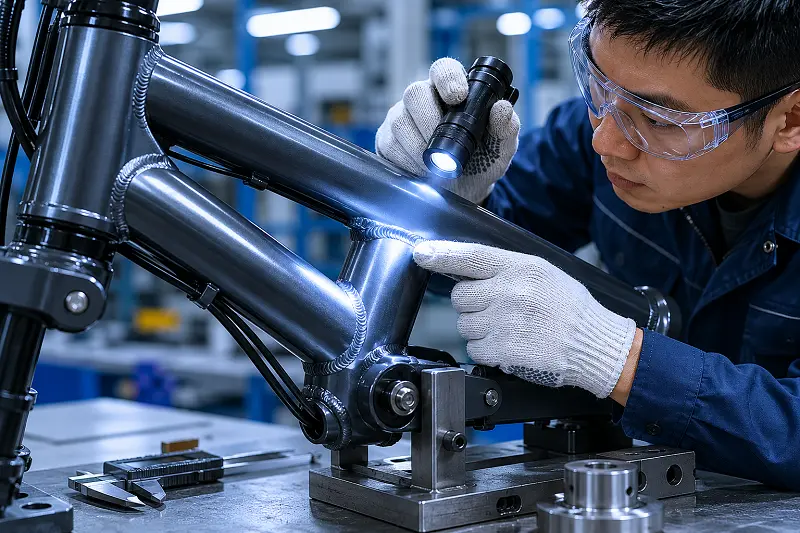
In my experience, clients often focus on the sample's appearance, specs, and ride feel. They fall in love with that one bike. But the real challenge of OEM manufacturing isn't making one great bike; it's making thousands of them exactly the same. The sample is the start of the conversation, not the end. To protect your brand and your investment, you have to look beyond that first perfect unit and understand the processes that will ensure every bike is just as good.
What's the Difference Between a Sample and Mass Production?
You think a great sample means a great production run is guaranteed. But the process for one bike is very different from thousands. This misunderstanding can lead to major quality issues down the line.
A sample is a "single-unit validation." It shows what's possible when top technicians focus on one bike. Mass production, however, requires "batch consistency." This means every unit must meet the same standard, a complex challenge that involves variables not present in a single build.
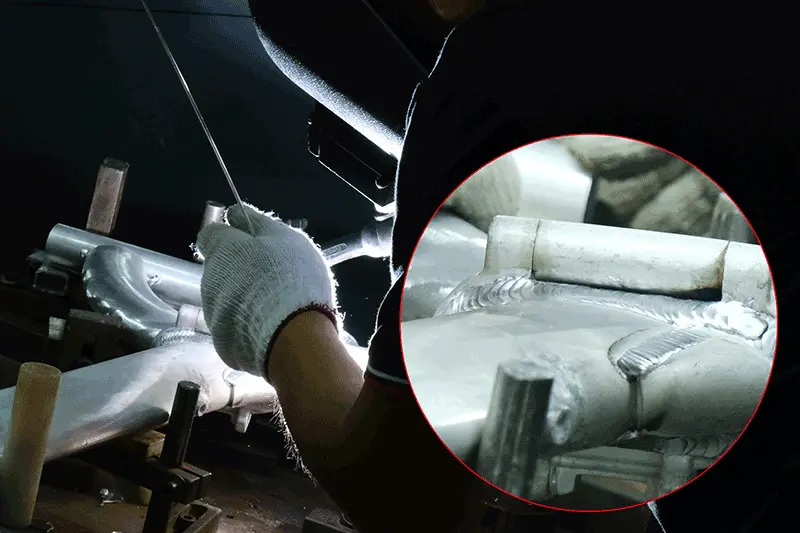
When my team builds a sample, our most experienced engineers often assemble it by hand. They can spend hours perfecting every single detail, from the wiring to the brake tuning. This process answers the question, "Can this bike be built?" But mass production is a completely different world. It relies on assembly lines, different workers with varying skill levels, and large batches of components from suppliers. Small changes in frame welding jigs2, the chemical composition of a paint batch, the firmware on a motor controller, or even the torque applied to a screw can create significant differences between the flawless sample and the final products. The real question for your business isn't if one bike can be made well, but if thousands of them can be made consistently well, day after day. This is where a factory's true capabilities are tested.
What Common Problems Arise When Scaling From Sample to Production?
Your sample bike was perfect, but now customers are complaining about rattles and loose parts. This happens when small details are overlooked during the shift to mass production, and it's a frustrating problem.
Common issues include battery fit problems, unexpected noises from loose wiring3, color differences in paint between batches, and shipping damage from inadequate packaging. These problems don't appear on the carefully prepared sample but surface when producing hundreds or thousands of units under factory conditions.
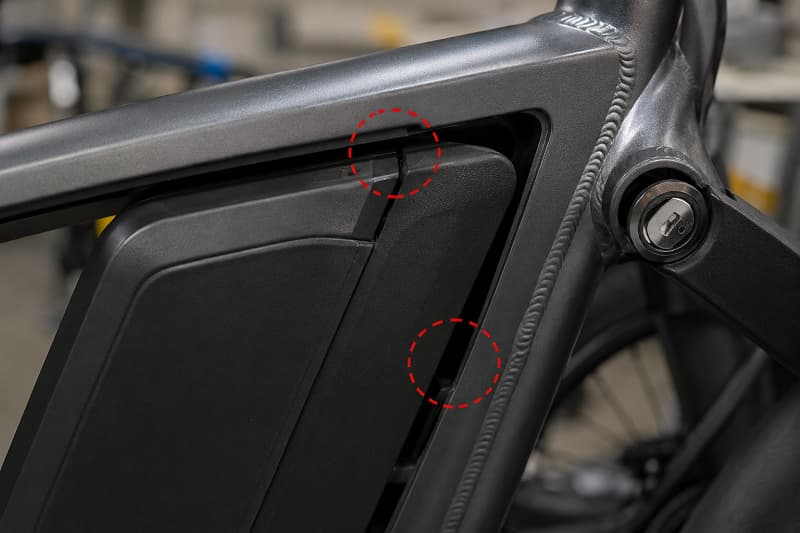
I've seen clients get blindsided by issues that were impossible to predict from the sample alone. A battery might slide perfectly into the sample's frame, but in mass production, if the frame's battery compartment tolerance isn't strictly controlled4, some batteries will be too tight to remove or too loose and rattle around. A silent sample doesn't guarantee a silent production run; if the wiring harness isn't secured with zip ties in the exact same way5 on every bike, it can vibrate against the frame and create annoying noises. These "small" differences are what separate a premium product from a problematic one. It's crucial to anticipate these potential failures before they happen.
Here is a breakdown of common issues I see when scaling up:
| Component / Process | Sample Observation | Potential Mass Production Issue |
|---|---|---|
| Battery Compartment | The battery fits smoothly and securely. | Poor tolerance control leads to loose, rattling, or tight-fitting batteries. |
| Wiring Harness | The bike is completely silent and clean. | Inconsistent cable routing causes rattles, friction, or connection failures. |
| Paint & Finish | The color is perfect and uniform. | Batch-to-batch variations in paint cause noticeable color differences (chromatic aberration). |
| Packaging | The bike arrives safely in one box. | Inadequate design leads to scratches, bent parts, or missing accessories during bulk shipping. |
How Can You Guarantee Mass Production Quality Beyond the Sample?
You know the sample isn't enough, but you're not sure what to ask for next. You feel powerless to control the quality of your bulk order. Fortunately, there is a clear path forward.
You must confirm more than just the bike itself. Demand and approve the final Bill of Materials (BOM)6, key component supplier list, manufacturing process standards, physical color swatches, detailed assembly instructions, quality inspection standards, and the final packaging plan. These documents are your quality contract.

A sample confirms the "what," but you need to lock down the "how." The key to success is shifting your focus from the single product to the repeatable process. Before signing off on mass production, you must have a set of agreed-upon documents that serve as the blueprint for every bike. Think of it as the rulebook for the factory. For example, the Bill of Materials (BOM) shouldn't just say "36V battery"; it should specify the cell manufacturer, the BMS model, and the capacity. The assembly instructions should detail how to route every cable7 and the specific torque setting for every critical screw. These documents are what turn your great sample from a one-off success into a scalable product and give you control over the final quality.
Here is your essential pre-production checklist:
| Document / Standard | Why It's Crucial for Mass Production |
|---|---|
| Bill of Materials (BOM) | Locks in the exact brand and model for every single part, preventing substitutions. |
| Key Supplier List | Prevents the factory from swapping a quality component for a cheaper alternative without approval. |
| Process & Assembly Standards | Defines exactly how the bike is built, ensuring consistency from worker to worker and shift to shift. |
| Color Swatches/Samples | Provides a physical standard for paint color to check against, preventing batch variations. |
| Inspection & Testing Protocol | Defines the clear pass/fail criteria for every single bike that comes off the production line. |
| Packaging Solution | Ensures the product arrives to the end customer safely and in perfect condition after a long journey. |
Conclusion
In OEM manufacturing, a great sample is just the starting point, not the guarantee. A truly reliable factory partner is one who can translate that perfect sample into a consistent, high-quality mass-produced order.
"Mass production - Wikipedia", https://en.wikipedia.org/wiki/Mass_production. This source explains that a sample demonstrates the feasibility of producing a single unit but does not guarantee consistency in mass production. Evidence role: definition; source type: education. Supports: A sample only proves one unit is possible, but real success depends on ensuring every single bike in the batch is consistently excellent.. ↩
"Improvement of manufacturing jigs design for reduction of welding ...", https://www.sciencedirect.com/science/article/abs/pii/S0920379619304740. This source outlines how minor variations in manufacturing tools, such as welding jigs, can lead to inconsistencies in mass production. Evidence role: mechanism; source type: research. Supports: Small changes in frame welding jigs, the chemical composition of a paint batch, or the firmware on a motor controller can create significant differences between the flawless sample and the final products.. ↩
"Mass production - Wikipedia", https://en.wikipedia.org/wiki/Mass_production. This source identifies common issues in mass production, such as loose wiring causing unexpected noises, and explains their origins. Evidence role: general_support; source type: research. Supports: Common issues include battery fit problems, unexpected noises from loose wiring, color differences in paint between batches, and shipping damage from inadequate packaging.. ↩
"Challenges and opportunities for high-quality battery production at ...", https://pmc.ncbi.nlm.nih.gov/articles/PMC11725600/. This source explains how tolerance control in manufacturing processes, such as battery compartments, affects product quality. Evidence role: mechanism; source type: research. Supports: If the frame's battery compartment tolerance isn't strictly controlled, some batteries will be too tight to remove or too loose and rattle around.. ↩
"Overcoming Challenges in Wire Harness Manufacturing", https://www.violintec.com/wire-harness-manufacturing/wire-harness-manufacturing-and-its-challenges/. This source discusses how inconsistent wiring harness assembly can lead to noise and reliability issues in mass production. Evidence role: mechanism; source type: research. Supports: If the wiring harness isn't secured with zip ties in the exact same way on every bike, it can vibrate against the frame and create annoying noises.. ↩
"[PDF] Quality Assurance Document", https://www3.epa.gov/ttnamti1/files/ambient/pm25/qa/pepqapp.pdf. This source explains the importance of approving a detailed Bill of Materials (BOM) to ensure consistency in mass production. Evidence role: general_support; source type: education. Supports: Demand and approve the final Bill of Materials (BOM), key component supplier list, manufacturing process standards, physical color swatches, detailed assembly instructions, quality inspection standards, and the final packaging plan.. ↩
"[PDF] Designing Effective Step-By-Step Assembly Instructions", https://graphics.stanford.edu/papers/assembly_instructions/assembly.pdf. This source discusses the role of detailed assembly instructions in ensuring consistency and quality in mass production. Evidence role: mechanism; source type: education. Supports: The assembly instructions should detail how to route every cable and the specific torque setting for every critical screw.. ↩