Last-mile delivery is getting more expensive and slower. Traffic, fuel costs, and vehicle restrictions are squeezing your profits. Cargo e-bikes offer a powerful and efficient alternative to solve this.
The boom is driven by rising e-commerce demand, government incentives for green transport1, and huge cost savings over delivery vans. For importers and fleet operators, understanding the different types and their specific advantages is key to capitalizing on this fast-growing market.
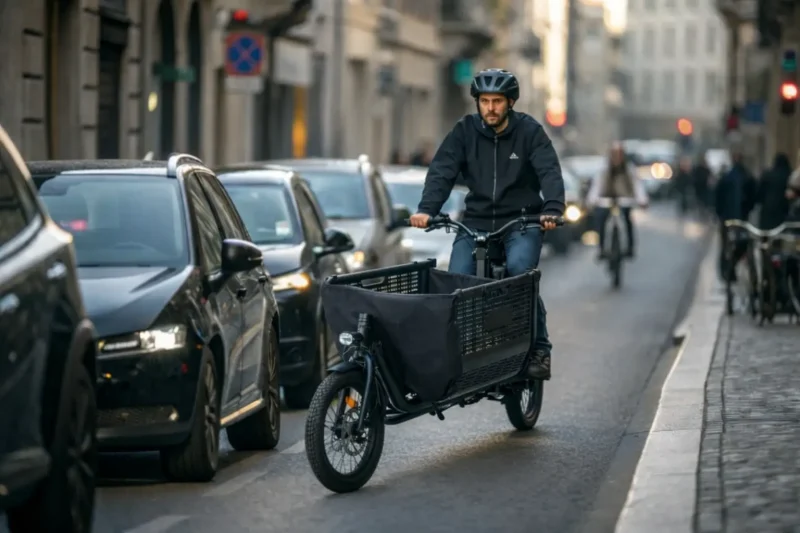
As an e-bike manufacturer for over two decades, I've seen this shift firsthand in the orders we receive. This isn't just a trend; it's a fundamental change in urban logistics2. But before you invest, you need to know that a "cargo e-bike" is really a "last-mile delivery solution," not just a product. They are not all the same. To make the right choice for your business, you must first understand the main categories you will find on the market.
What Are the Main Types of Cargo E-Bikes Available Today?
You see the term "cargo e-bike" everywhere, but you might not know which model truly fits your business needs. Choosing the wrong type means a wasted investment and daily inefficiency.
There are three main types: Long-tail, Front-load (also known as Bakfiets), and Cargo Trikes. Each is built for different loads, handling, and uses, from light urban delivery to heavy commercial transport. Knowing the difference is crucial for a smart purchase.
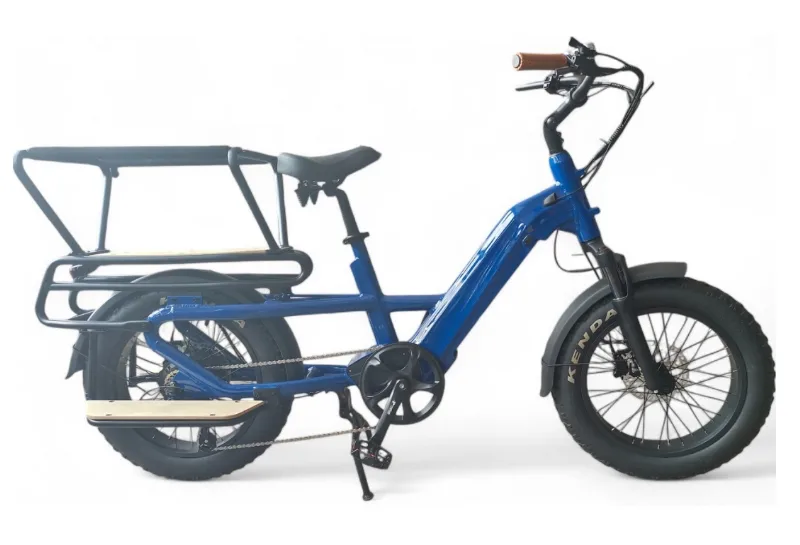
A true cargo e-bike is much more than a standard bicycle with a basket. These vehicles originated in the Netherlands to deal with congested streets where delivery was difficult. They evolved from bikes that couldn't carry enough into purpose-built machines for delivering goods or carrying people. Based on our manufacturing experience, we classify them into these distinct types.
1. Long-tail E-Bikes
This design features an extended rear rack that can carry cargo or even a passenger. They handle very much like a normal bicycle, which makes them easy for anyone to ride. Their simpler construction also means a lower cost. This makes them a perfect entry point for businesses focused on food delivery, small parcel services, or general urban logistics.
2. Front-load (Bakfiets) E-Bikes
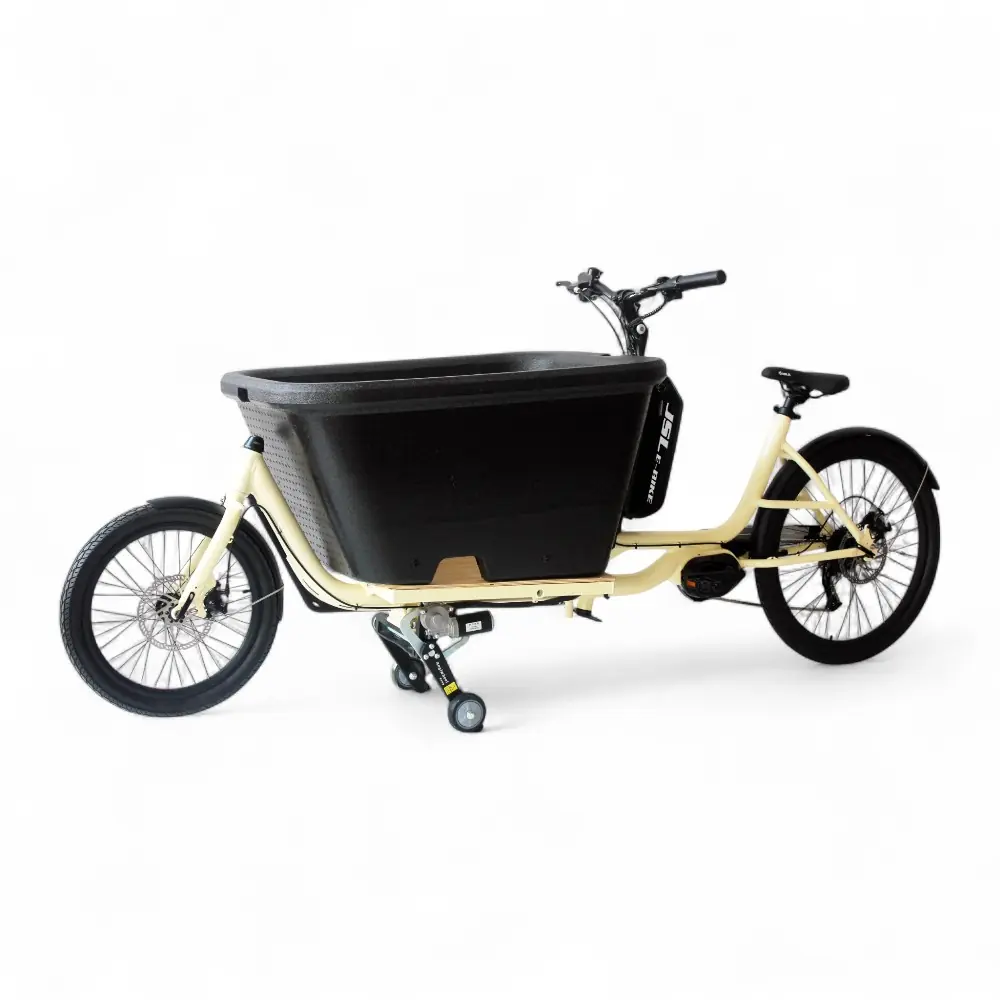
"Bakfiets" is Dutch for "box bike." These models have a large cargo box or platform in front of the rider, between the handlebars and the front wheel. This design provides excellent stability, especially with heavy loads, and offers a huge amount of cargo space. They are very popular in Europe for families carrying children and for commercial businesses that need to transport bulkier goods.
3. Cargo Trikes
As the name suggests, these are three-wheeled e-bikes. They offer the highest level of stability and the largest payload capacity. The three-wheel structure makes them incredibly steady, even when stopped. This makes them ideal for heavy-duty commercial applications, mobile vending, or any situation where maximum carrying capacity is the top priority.
How Do Cargo E-Bikes Fundamentally Differ From Regular Electric Bikes?
You might think a cargo e-bike is just a stronger version of a regular e-bike. This mistake can lead you to buy bikes that are not suitable for tough commercial use and will fail quickly.
The main difference is their purpose. Regular e-bikes are built for a rider's personal comfort. Cargo e-bikes are workhorses built to be durable, carry heavy loads, and generate revenue. This core purpose changes everything about their design and components.
In my experience, the conversation with a client for a regular e-bike is about a comfortable ride. The conversation for a cargo e-bike is about helping their business make money. A personal e-bike might be used once or twice a day. A commercial cargo e-bike is often used more than ten times a day, every day. This intense usage demands a completely different approach to engineering. The design must be extremely durable and require very little maintenance to prevent downtime. This is why key specifications are so different.
| Dimension | Standard E-Bike | Cargo E-Bike |
|---|---|---|
| Load Capacity | 100–120 kg | 150–250 kg+ |
| Structure | Standard Frame | Reinforced Structure |
| Motor | Standard Power | High-Torque Priority |
| Brakes | Standard Brakes | Higher-Spec (Safety) |
The reinforced structure3 is necessary to handle the stress of heavy loads day after day without failing. The motor must prioritize high torque over high speed. This allows the rider to start from a complete stop with a full load, especially on a hill. Finally, the brakes must be much more powerful. Stopping a 200 kg vehicle safely and reliably requires higher-specification systems, like hydraulic disc brakes.
What's Really Driving the Global Surge in Demand for Cargo E-Bikes?
You can see the trend, but you might be worried it's just a temporary fad. Hesitating now could mean missing a huge business opportunity as your competitors adapt and gain an advantage.
The demand is fueled by three main drivers: the boom in last-mile delivery, strong government policies promoting green logistics, and the huge cost savings they offer. These factors are creating a stable, long-term growth trend, not a short-term fad.
From our factory floor, we can feel the market changing. The number of inquiries and orders for cargo e-bikes has grown dramatically over the last two years. This isn't just our feeling; market data confirms this is the future. The reasons are clear and powerful.
The Last-Mile Delivery Boom
E-commerce and food delivery services have exploded. This creates a massive need for fast, flexible, and low-cost transportation for the "last mile" of a delivery. Cargo e-bikes are the perfect tool to navigate crowded city streets and get packages to customers' doors efficiently.
The Push from Policy
Governments, especially in Europe, are actively pushing for a change. They are creating low-emission zones4 that restrict or ban fuel-powered vehicles. At the same time, many are offering subsidies and incentives for businesses that switch to electric cargo bikes. This forces companies to adapt, and cargo e-bikes are the logical solution.
The Clear Cost Advantage
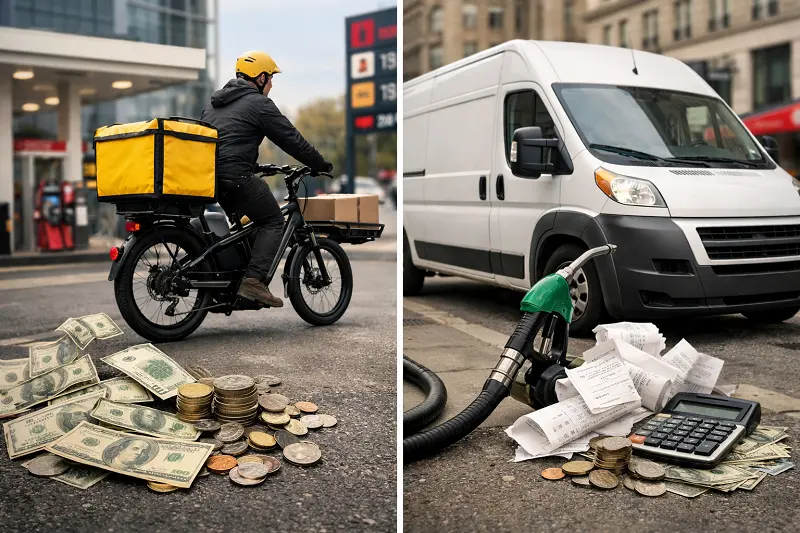
This is what our clients care about most. When you compare a cargo e-bike to a traditional delivery van, the savings are immediate and significant. The cost of fuel disappears. The problem of finding and paying for parking is gone. And maintenance costs are far lower. For any business running a fleet, these savings add up quickly and directly improve the bottom line.
Why Is Choosing the Right Cargo E-Bike Manufacturer So Important?
Many factories are now starting to offer "cargo e-bikes" as the market grows. But choosing a cheap or inexperienced supplier can lead to product failures, serious safety issues, and a damaged brand reputation.
A real cargo e-bike is a complex piece of engineering, not just a bike with a basket. It requires expert design in its frame structure, force distribution, and power system to ensure it is safe, durable, and reliable under constant heavy use.
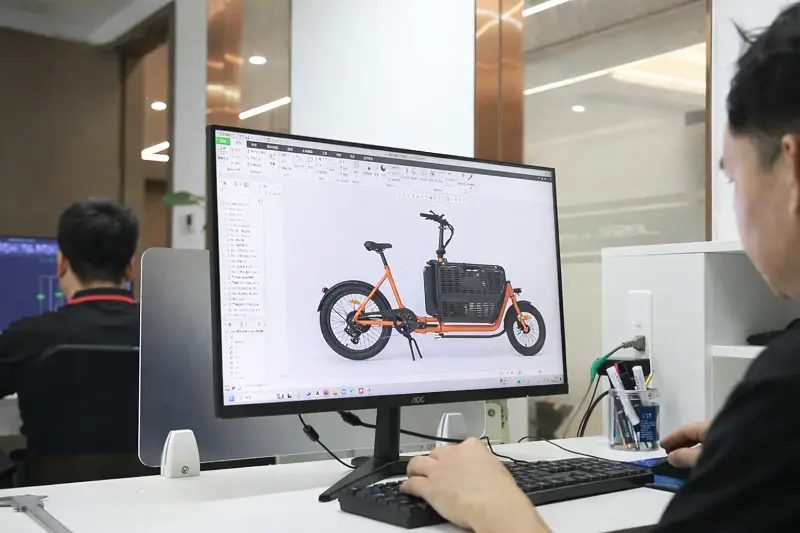
I cannot stress this enough: you cannot just add a bigger rack to a standard e-bike and call it a cargo bike. We've spent years perfecting the engineering because the physics are completely different. The safety and success of your business depend on getting this right.
Frame and Stability
The entire frame structure must be designed from the ground up to handle heavy loads. We have to carefully calculate how forces are distributed across the frame to prevent weak points. For long-tail and front-load models, the long wheelbase creates unique stability challenges that must be solved through careful geometric design.
Powertrain Integration
The power system is a delicate balance. The motor needs enough torque to move heavy loads, but it also has to comply with local regulations on power and speed. The battery must provide enough range for a full day's work but also be integrated safely into the frame. The firmware that controls it all must be optimized for commercial use.
Safety and Maintenance
For a heavy vehicle, brakes are the most important safety feature. We strongly recommend hydraulic disc brakes for their reliable stopping power in all weather conditions. Furthermore, the entire bike must be designed for low maintenance. For a fleet operator, a bike that is out of service is a bike that is losing money. Easy access to components and durable parts are essential.
Conclusion
Cargo e-bikes are a powerful solution for modern logistics. Understanding their different types, clear benefits, and complex engineering is key for any importer or brand looking to succeed in this booming market.
Learn about the financial and regulatory support for adopting eco-friendly transportation methods like cargo e-bikes. ↩
Explore how cargo e-bikes provide a powerful solution for navigating crowded city streets efficiently. ↩
Discover how reinforced structures ensure durability and reliability for heavy commercial use. ↩
Understand the role of low-emission zones in promoting green logistics and cargo e-bike adoption. ↩