Searching for the top e-bike manufacturer is confusing. The real "leading" partner isn't the most famous one, but the one that fits your specific business needs and market.
The leading e-bike manufacturer for you isn't the biggest brand. It's a partner with proven OEM/ODM experience, stable quality control, and the ability to deliver certified, market-ready products consistently. The best choice is about suitability, not just fame or size.
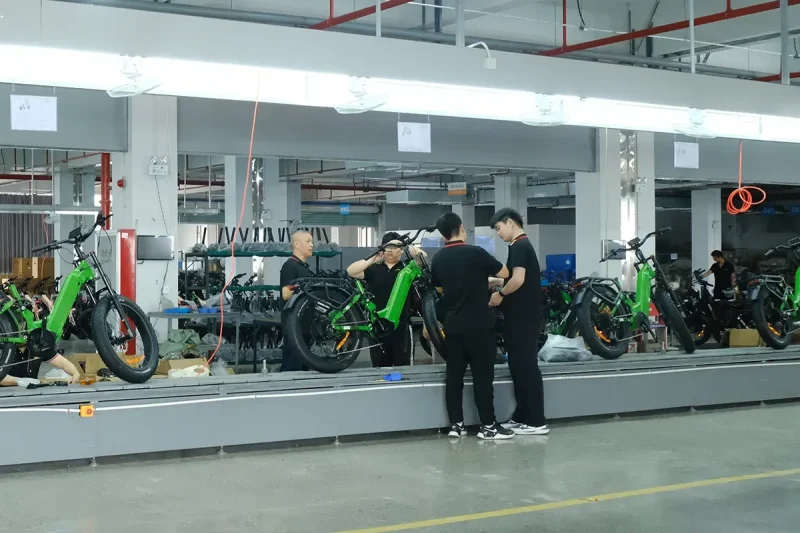
Many people think the biggest names in the e-bike world are the best manufacturers. I see this all the time. But after over 20 years in this industry, I've learned that for businesses like yours, the definition of "leading" is very different. It's not about brand recognition; it's about partnership and reliability. Let's explore what you should really be looking for when choosing a manufacturing partner.
Why Is System Integration More Important Than Just Assembly?
Choosing a supplier based on assembly price seems smart. But mismatched parts lead to failures, high warranty costs, and a damaged brand reputation. A leading partner integrates systems, not just assembles parts.
System integration is vital because an e-bike's performance depends on how well components work together. A true partner ensures the motor, battery, BMS, and frame are perfectly matched. This prevents failures, reduces your after-sales costs, and builds a reliable brand reputation for you.
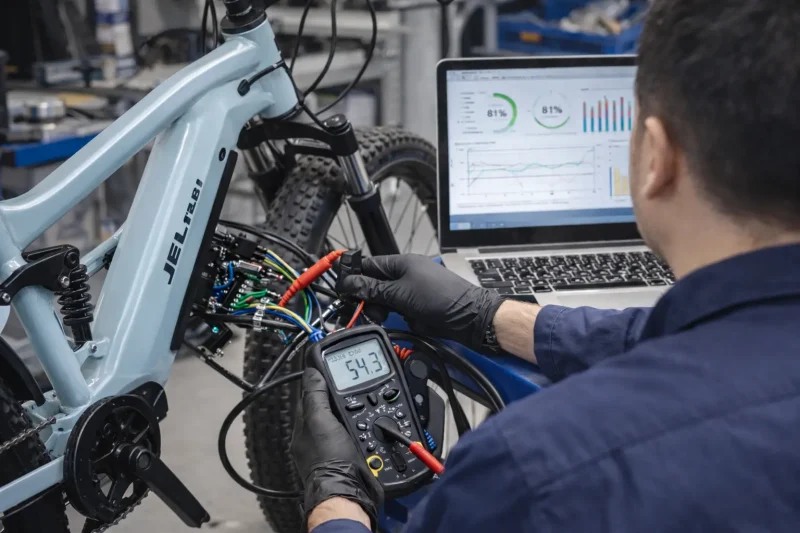
An electric bike isn't just a bicycle with a motor attached. It's a complex system where every part must work in harmony. This includes the frame, motor, battery, Battery Management System (BMS), controller, wiring harness, and brakes. When these parts aren't designed to work together, big problems can happen. I've seen cheap projects fail because the controller overheated the motor, or the BMS1 didn't protect the battery correctly, leading to safety risks. Even the wiring harness, if poorly made, can cause short circuits and failures. A simple assembler just puts parts together.2 A true manufacturing partner focuses on system integration to guarantee performance and safety. They understand how one component affects another. This approach prevents future headaches for you and ensures your customers get a reliable product they can trust.
| Aspect | Assembly-Only Factory | System Integration Partner |
|---|---|---|
| Focus | Putting pre-selected parts together | Ensuring all components work together flawlessly |
| Responsibility | For the assembly process only | For the entire e-bike's performance and safety |
| Outcome | Potential for mismatched parts and unreliability | A balanced, reliable, and safe e-bike |
| Your Risk | High after-sales costs and brand damage | Lower long-term costs and a stronger brand |
Should a Manufacturer Just Quote Prices or Help You Make Decisions?
You ask for a price and get a number. But does that price reflect a product that will actually sell in your market? A great partner does more than quote prices.
A leading manufacturer should do more than just quote prices. They should act as your partner. This means providing configuration advice, helping you navigate local regulations, and offering solutions tailored to your market. Their job is to help you build a successful product, not just a cheap one.
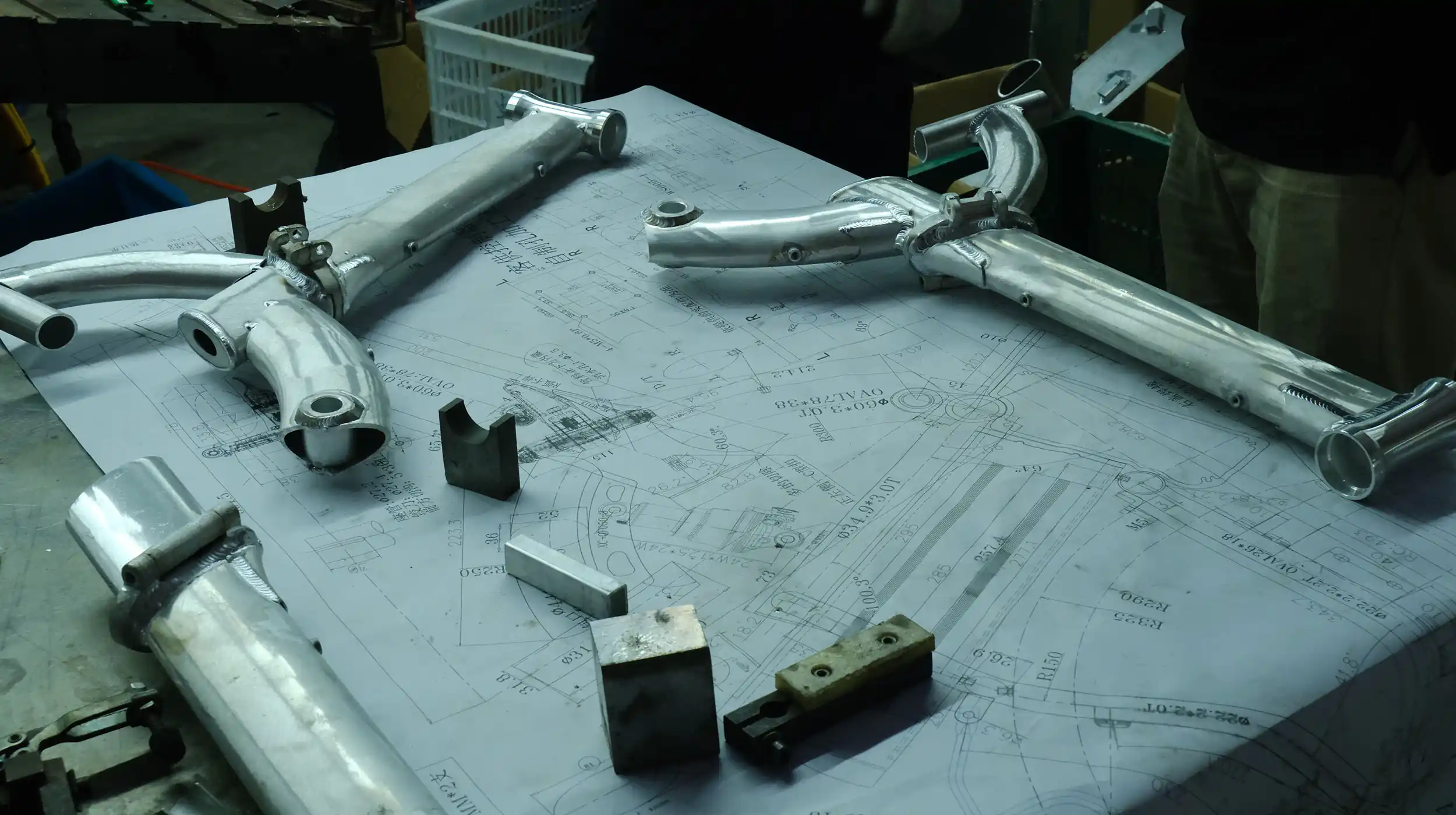
There's a big difference between a supplier and a partner. A supplier takes your list of specifications and gives you a price. A partner asks about your target market, your customers, and your business goals. For example, a client once came to us asking for a powerful 750W motor for a city e-bike destined for Germany. A simple supplier would have just quoted the price. But as their partner, we explained that EU regulations limit motors to 250W.3 We then worked with them to develop a high-torque 250W mid-drive system that felt powerful but remained fully compliant. This saved them from ordering a product they couldn't legally sell. A true partner uses their OEM/ODM experience to guide you. They help you decide between a city e-bike or a fat tire e-bike for your specific market, suggest the right battery capacity for commuting versus off-road use, and ensure full compliance. Their goal is to make your business succeed.
Is the Cheapest Manufacturer Really the Best Choice for Long-Term Business?
A rock-bottom price is tempting. But what if it leads to constant quality issues, angry customers, and endless warranty claims? The cheapest initial price often becomes the most expensive choice.
The cheapest manufacturer is almost never the best long-term choice. A low price often hides poor quality control, cheap components, and a lack of proper testing. These issues lead to high warranty costs and customer complaints that will cost you far more than you saved initially.
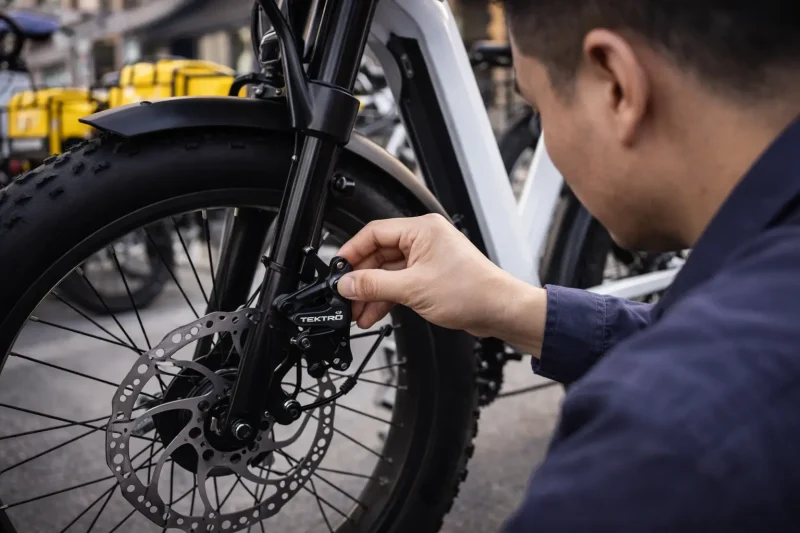
I've seen businesses fail because they chose the cheapest supplier. The initial purchase order looks great, but then the problems start. Customer complaints roll in about batteries that die too soon or brakes that fail. Soon, all the money you "saved" is spent on returns, replacements, and customer service. Your brand's reputation is damaged, maybe permanently. A reliable partner might have a slightly higher unit price, but that's because they invest in things that protect your business. They use stable supply chains, conduct rigorous testing, and secure proper certifications like CE for Europe or UL for North America. This focus on quality drastically reduces your long-term risks and costs. An experienced manufacturer understands these certifications are not just paperwork; they are essential for market access and protecting you from legal issues. Think of your manufacturer not as a one-time purchase, but as a crucial part of your supply chain.
| Factor | The "Cheapest" Supplier | A Reliable Partner |
|---|---|---|
| Initial Cost | Very Low | Fair & Competitive |
| Quality Control | Minimal or Inconsistent | Rigorous & Documented |
| Certifications | Often Missing or Faked | Verified (CE, UL, TÜV) |
| After-Sales Costs | High (Returns, Warranty) | Low and Predictable |
| Brand Reputation | At Risk of Damage | Protected & Strengthened |
| Long-Term Cost | Often Very High | Predictable & Lower |
Conclusion
In conclusion, don't search for the biggest e-bike manufacturer. Instead, find the most reliable partner who fits your market, protects your brand, and helps your business grow long-term.
"What Is a Battery Management System Ebike and Why It Matters for ...", https://www.ayaatech.com/news/what-is-a-battery-management-system-ebike-and-why-it-matters-for-performance/. The source explains the role of the Battery Management System (BMS) in ensuring the safety and performance of e-bike batteries, highlighting its importance in preventing overheating and protecting the battery. Evidence role: mechanism; source type: encyclopedia. Supports: The Battery Management System (BMS) is crucial for protecting e-bike batteries and ensuring their safe operation.. ↩
"[PDF] System Assembly, Integration and Test an d Spacecraft Handling", https://www.nasa.gov/wp-content/uploads/2024/02/system-assembly-i-and-t-spacecraft-handling-2024.pdf?emrc=b1bc0e. This source differentiates between simple assembly and system integration in manufacturing processes. Evidence role: definition; source type: education. Supports: Simple assemblers focus only on putting parts together, unlike system integrators who ensure component compatibility.. ↩
"What is the Power Limit for Ebikes in the EU? - Tesway EU", https://eu.teswaybike.com/blogs/news/power-limit-ebikes-eu. This source confirms that EU regulations restrict e-bike motor power to 250W for legal compliance. Evidence role: statistic; source type: government. Supports: EU regulations limit e-bike motor power to 250W for compliance in the European market.. ↩