Struggling with messy e-bike cables ruining your design? The choice between internal and external routing impacts more than looks. It affects your brand's future and your bottom line.
For OEM clients, internal routing offers a premium, integrated look ideal for high-end models1. External routing prioritizes easy assembly and maintenance2, making it better for cost-effective, high-volume projects where serviceability is key. The choice depends on your product positioning and market strategy.
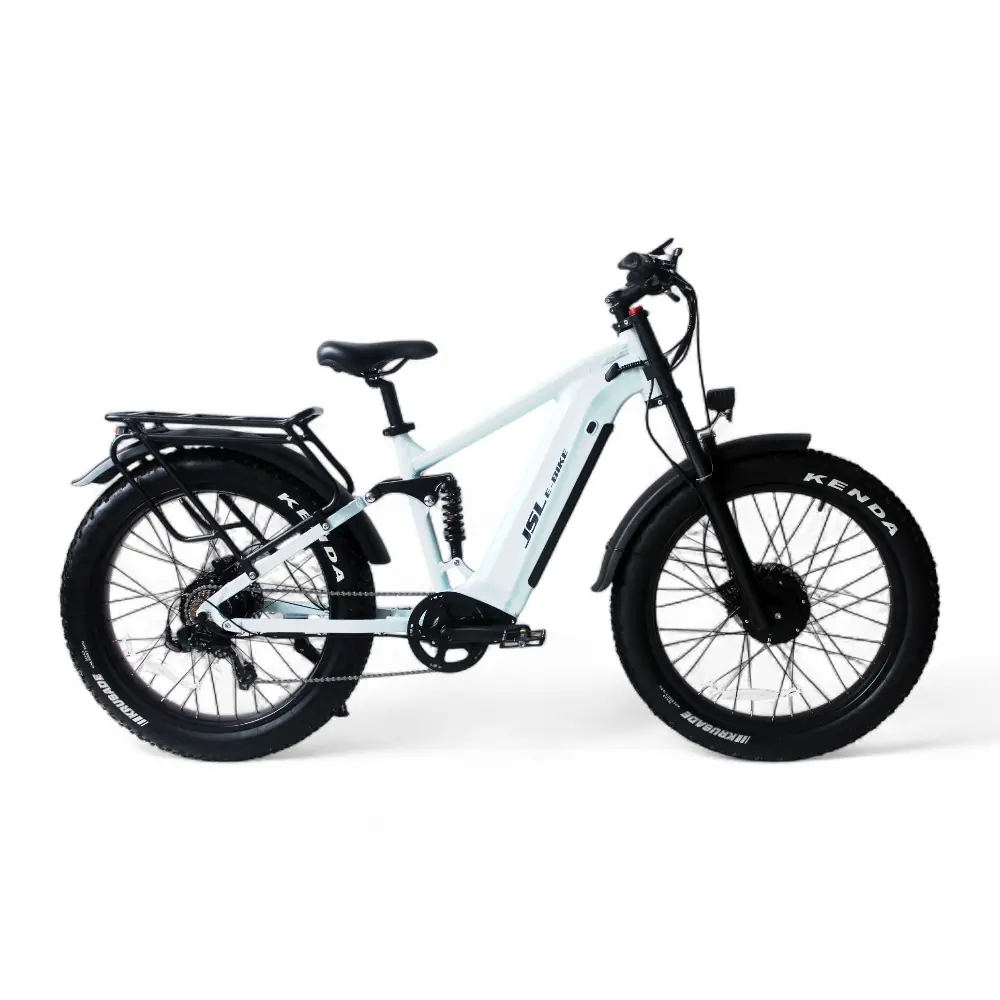
Choosing the right cable routing is a big decision. I've seen clients focus only on the looks, but it's much more than that. This choice affects the entire lifecycle of the bike, from how it's built in our factory to how it's serviced years later. Let's break down what each option really means for your business. This will help you make the best choice for your next OEM project.
Is Internal Cable Routing the Best Choice for a Premium Brand Image?
Want your e-bikes to look sleek and modern? Exposed cables can make a bike look dated3. Internal routing cleans up the design, giving it that high-end, professional feel.
Yes, internal routing is fantastic for building a premium brand image. It creates a clean, integrated look that customers associate with quality and modern design. It's perfect for city e-bikes, mountain e-bikes, and any model where aesthetics are a key selling point.
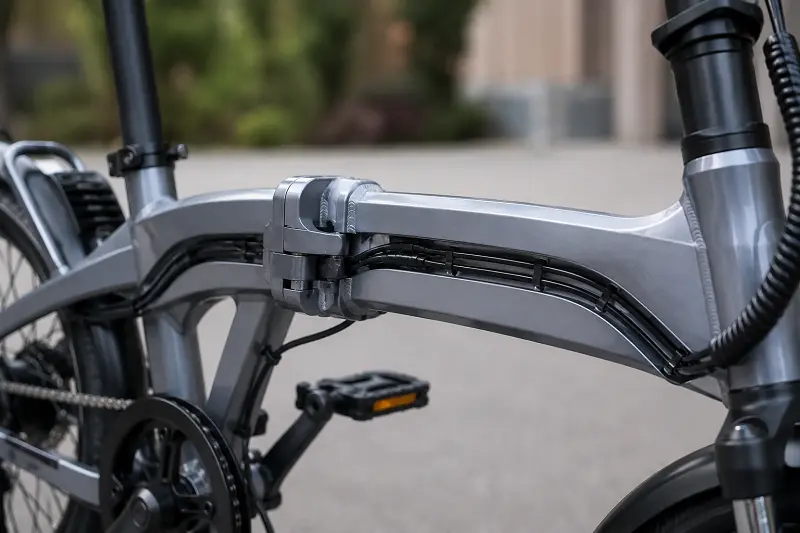
Based on my experience with countless OEM projects, internal routing is about more than just hiding wires; it's about selling a feeling. When a customer sees a bike with no visible cables, they see a thoughtfully designed, high-value product. This is crucial for mid-to-high-end city bikes, performance mountain e-bikes, and especially models with integrated batteries where a seamless look is expected. However, this premium look comes with technical demands that we manage carefully during production. It's not as simple as just drilling holes in a frame.
The Hidden Technical Demands
We have to be very precise. The entry and exit holes in the frame must be perfectly placed and finished4 to avoid sharp edges that could damage the cables over time. The cable length must be exact to prevent rattling inside the frame or pulling when the handlebars turn. This adds a layer of complexity to the assembly process. Our technicians are trained to handle this, but it’s a factor that adds to the manufacturing time and cost. Maintenance is also a consideration. While the cables are protected, replacing one means carefully threading a new one through the frame5, which is more complex than with an external setup.
| Aspect | Benefit | Challenge |
|---|---|---|
| Aesthetics | Sleek, modern, and integrated look | Can hide potential wear and tear from view |
| Assembly | - | Requires skilled labor and precise components |
| Maintenance | Protects cables from weather and damage | Difficult access for repairs or replacement |
| Perception | Creates a high-perceived value | Hides after-sales complexity inside the frame |
When is External Cable Routing a Smarter Business Decision?
Worried about complex repairs and high service costs? Internal routing looks great but can be a headache for maintenance. External routing offers a simpler, more practical solution for many projects.
External routing is smarter for projects prioritizing cost-control, ease of maintenance, and rapid deployment. It's ideal for entry-level models, large wholesale orders, and markets where simple, quick repairs by local dealers are essential.

I always tell my clients not to dismiss external routing as "old-fashioned." In many cases, it's the most intelligent business choice. Think about it from the perspective of a large distributor or a rental fleet manager. They need bikes that are easy to assemble, quick to service, and cheap to maintain. External routing delivers on all these fronts6. Any mechanic, anywhere in the world, can see exactly how the bike is wired. If a brake cable or shifter wire needs replacement, it’s a five-minute job, not a workshop puzzle.
The Power of Practicality
This simplicity directly translates into lower costs across the board. Assembly in our factory is faster7, which means we can produce larger volumes more efficiently. For you, the client, it means your dealers won't need specialized training to service the bikes, reducing your support overhead8. This makes external routing perfect for price-sensitive markets, entry-level models, or any project where operational efficiency and reliability are more important than a perfectly clean silhouette. It's a trade-off, but it's a very practical one. The cables are more exposed to the elements, but they are also incredibly easy to inspect and replace.
| Aspect | Benefit | Trade-off |
|---|---|---|
| Assembly | Fast, simple, and requires less specialized skill | Less premium and clean appearance |
| Maintenance | Very easy access for quick inspections and repairs | Cables are exposed to potential damage and wear |
| Cost | Lower manufacturing and long-term service costs | Can lead to a lower perceived market value |
| Target | Ideal for high-volume, cost-focused projects | Not suitable for top-tier, design-led brands |
How Do I Decide Between Internal and External Routing for My E-Bike Project?
Feeling stuck between aesthetics and practicality? Choosing the wrong cable routing can lead to service headaches or a product that misses its market. Let's clarify the decision for you.
To decide, analyze your target market and after-sales strategy. If you're building a premium brand with a strong service network, choose internal routing. If you're targeting high-volume sales with a focus on cost and easy maintenance, external routing is the safer choice.
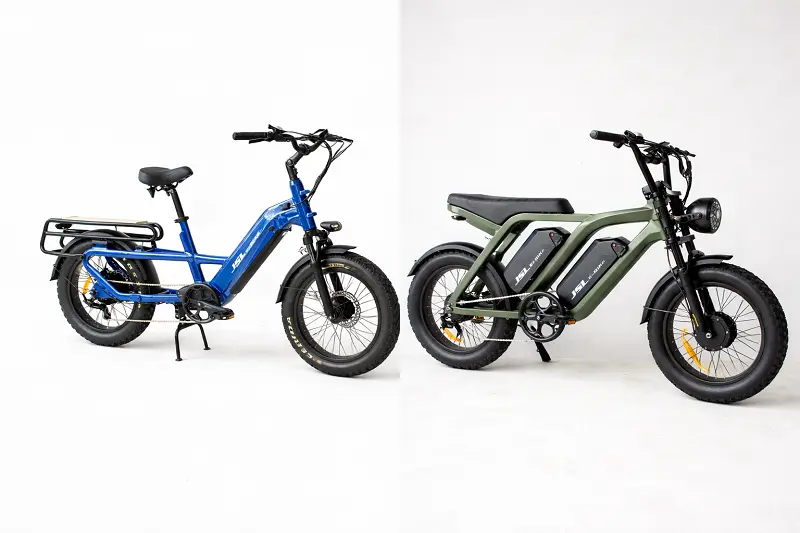
This is the conversation I have with every OEM client. The choice of cable routing isn't just a technical detail; it's a strategic decision that defines your product. I often say that internal routing sells a brand image, while external routing sells operational efficiency. You need to be honest about what your business model and your customers truly need. Are you building a flagship product where every detail contributes to a premium feel? Or are you aiming to equip a large sales force or capture a mass market where cost and serviceability are the top priorities?
Evaluating Your Business Model
Think about your after-sales support system. If you have well-trained technicians and a robust warranty process, the complexity of internal routing is manageable. Your team can handle the specialized service, and your customers get the beautiful bike they desire. But if you're selling into markets with less-developed service infrastructure, or through channels where quick turnover is key, external routing is a much safer bet. It empowers local mechanics and minimizes downtime9 for the end user. This decision is about aligning the product's design with your company's strengths.
| Your Priority | Recommended Routing | Why It Makes Sense |
|---|---|---|
| Premium Brand Image & Aesthetics | Internal | Creates a high-end, clean look that justifies a higher price point and strengthens your brand. |
| Cost Control & High Volume | External | Simplifies manufacturing and reduces assembly time, lowering the overall cost per unit. |
| Ease of Maintenance & Serviceability | External | Allows for quick and easy repairs by any mechanic, reducing warranty costs and improving customer uptime. |
| Integrated Design & Innovation | Internal | Essential for modern designs, especially with integrated batteries, sensors, and other advanced systems. |
Conclusion
In short, internal routing is for brand image, and external is for operational efficiency. Your choice depends on whether you're selling a premium look or selling volume and serviceability.
"Internal cable routing, the dumbest trend in bike design in my opinion.", https://www.reddit.com/r/cycling/comments/zxjyh5/internal_cable_routing_the_dumbest_trend_in_bike/. This source supports the claim that internal cable routing is often associated with a premium and integrated aesthetic in high-end bicycles. Evidence role: expert_consensus; source type: encyclopedia. Supports: Internal routing is associated with a premium and integrated look for high-end e-bike models.. ↩
"Here are five reasons why external cable routing can be better than ...", https://www.facebook.com/lorenzmaptv/videos/here-are-five-reasons-why-external-cable-routing-can-be-better-than-internal-cab/1978243735941311/. This source explains how external cable routing simplifies assembly and maintenance processes for bicycles. Evidence role: mechanism; source type: education. Supports: External routing simplifies assembly and maintenance for e-bikes.. ↩
"Can someone explain the design of having the inner cable exposed ...", https://www.reddit.com/r/bikewrench/comments/1bw1bkp/can_someone_explain_the_design_of_having_the/. This source discusses how exposed cables can affect the perceived modernity and design appeal of bicycles. Evidence role: expert_consensus; source type: encyclopedia. Supports: Exposed cables can make a bike look less modern and appealing.. ↩
"Playing the odds with internal cable routing - James Huang | Substack", https://nminus1bikes.substack.com/p/playing-the-odds-with-internal-cable-routing. This source details the technical requirements for internal cable routing, including the need for precise placement of entry and exit holes. Evidence role: mechanism; source type: education. Supports: Internal cable routing requires precise placement and finishing of entry and exit holes to avoid cable damage.. ↩
"What's the smartest way to replace internally routed brake cables ...", https://www.reddit.com/r/bikewrench/comments/1459dbq/whats_the_smartest_way_to_replace_internally/. This source explains the complexity of replacing cables in internally routed bicycle frames. Evidence role: mechanism; source type: education. Supports: Replacing cables in internally routed frames is more complex than in externally routed ones.. ↩
"Internal cable routing, the dumbest trend in bike design in my opinion.", https://www.reddit.com/r/cycling/comments/zxjyh5/internal_cable_routing_the_dumbest_trend_in_bike/. This source supports the claim that external cable routing simplifies assembly, maintenance, and cost management for bicycles. Evidence role: general_support; source type: education. Supports: External routing simplifies assembly, maintenance, and cost management for e-bikes.. ↩
"Environment and ICTs, climate change, e-waste, energy efficiency", https://www.itu.int/rec/T-REC-L/en. This source explains how external cable routing can speed up the assembly process in bicycle manufacturing. Evidence role: mechanism; source type: education. Supports: External cable routing speeds up the assembly process in factories.. ↩
"Dealer Training", https://www.ilsos.gov/departments/vehicles/dealer-training.html. This source discusses how external cable routing reduces the need for specialized training and support in bicycle maintenance. Evidence role: mechanism; source type: education. Supports: External routing reduces the need for specialized training and support in bike maintenance.. ↩
"Repair Garage License - City of Minneapolis", https://www.minneapolismn.gov/business-services/licenses-permits-inspections/business-licenses/vehicles/services/retail/repair-garage/. This source supports the claim that external cable routing allows for easier repairs by local mechanics, reducing downtime for users. Evidence role: mechanism; source type: education. Supports: External routing allows for easier repairs by local mechanics, reducing downtime for users.. ↩