Struggling to find the right European market for your e-bike brand? Sweden presents a huge opportunity, but its unique dynamics can be confusing. Let's break it down.
The Swedish e-bike market is surging thanks to strong government support, advanced urban infrastructure, and a growing consumer shift towards sustainable and efficient commuting. This combination creates a perfect environment for well-positioned e-bike brands to thrive, with a projected market value of over $535 million by 2029.1
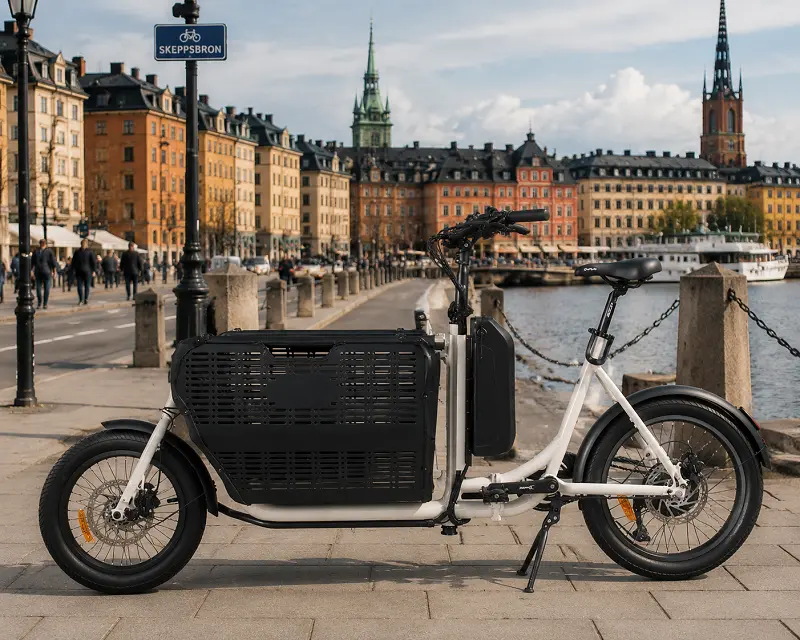
I've been in the e-bike manufacturing business since 1999, and I've watched markets evolve all over the world. Sweden is one of the most exciting ones right now. It's not just about selling bikes; it's about understanding a fundamental shift in how people live and move. The numbers are impressive, with a compound annual growth rate (CAGR) of nearly 7%. But numbers only tell part of the story. To truly succeed there, you need to understand the 'why' behind the growth. Let's dive into the key factors that are making Sweden a hotspot for e-bikes.
How are Policies and Infrastructure Shaping Rider Demand?
Your brand can't succeed if the environment isn't ready. Sweden has a problem with urban congestion and emissions, and cities are actively building the solution with bike-friendly policies.
Swedish cities are investing heavily in bike lanes, secure parking, and public sharing systems. This strong government push, combined with a cultural focus on sustainability, makes it easier and more attractive for people to choose an e-bike for their daily commute, especially for last-mile travel.
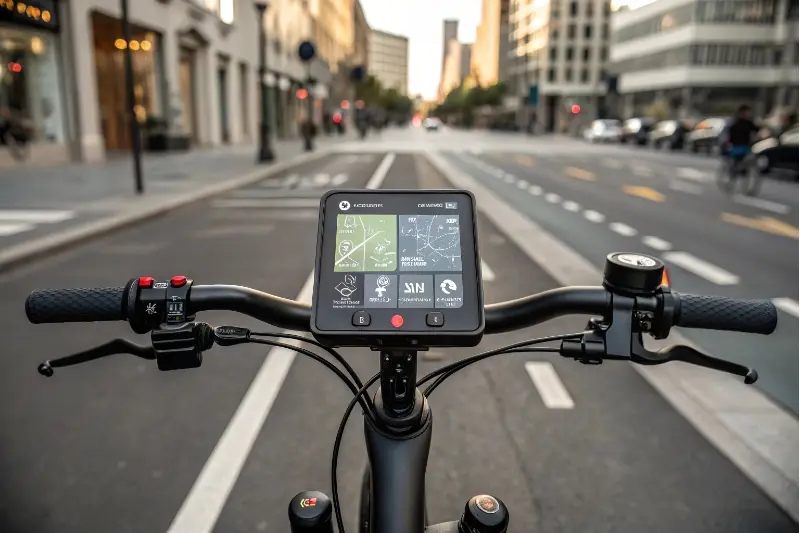
From my experience working with clients targeting the EU, infrastructure is everything. Sweden gets this right. Cities like Stockholm and Gothenburg aren't just painting lines on the road; they're creating entire ecosystems. For example, Gothenburg aims for 12% of all urban trips to be by bicycle by 2025.2 This commitment directly fuels demand for the products we manufacture. We see a clear trend where daily commutes of 5-15 kilometers are becoming the norm for e-bike users. This is the sweet spot. It's too long for a comfortable walk but perfect for an e-bike, which saves time and money compared to a car or public transport. The COVID-19 pandemic accelerated this, pushing people away from crowded buses and trains. This led to a 6.2% jump in e-bike adoption in 2020 alone.3
Here's a simple breakdown of how policy influences consumer choice:
| Government Action | Consumer Impact | Our OEM/ODM Solution |
|---|---|---|
| Building dedicated bike lanes | Increased rider safety and confidence | Lightweight city e-bike frames with integrated safety lights |
| Subsidies & incentives | Lowered cost of entry for new buyers | Cost-effective manufacturing to help brands offer competitive pricing |
| Public e-bike share systems | Introduces e-bikes to a wider audience | Durable, low-maintenance designs perfect for fleet use |
| Promoting "Last-Mile" solutions | Increased demand for portable/folding models | Custom design services for compact and specialized e-bike models |
Which E-Bike Types are Winning Over Swedish Riders?
You're selling a great product, but is it the right one for Sweden? The market is highly segmented, and consumers have very specific needs. Choosing the wrong category is a costly mistake.
Pedelecs (pedal-assist) are the dominant force, making up about 57% of the market.4 However, Speed Pedelecs (S-Pedelecs) are the fastest-growing segment, fueled by long-distance commuters. Urban and city models remain the largest application, but trekking and cargo bikes are gaining ground fast.
As a manufacturer, we pay close attention to these segments because they dictate our entire production focus. The dominance of Pedelecs is no surprise. They feel like a traditional bike but with a helpful push, which is perfect for city commuters and recreational riders. This is our bread and butter. We produce thousands of frames and motor systems tailored for this experience.
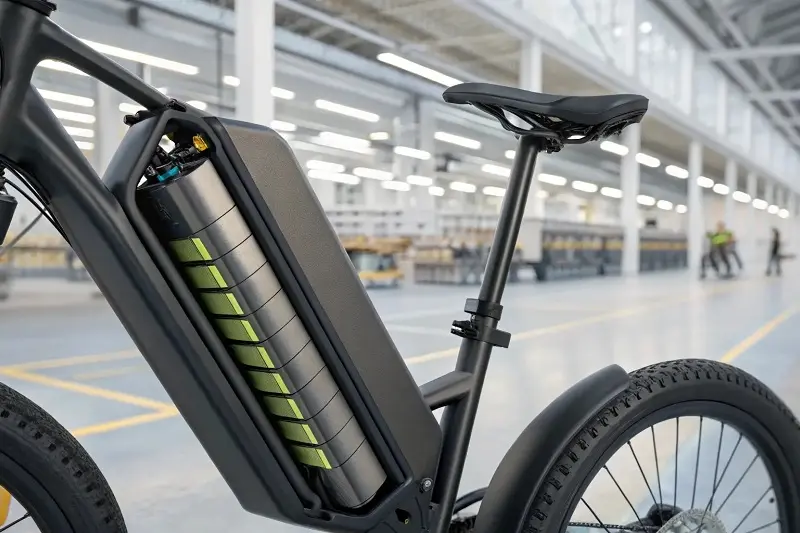
But the real excitement for me is in the niche growth areas. S-Pedelecs appeal to a power user who wants to replace their car for longer commutes. This requires robust frames, powerful motors, and long-range batteries – all areas where our custom engineering shines. At the same time, the demand for trekking and mountain e-bikes is being driven by Sweden's love for the outdoors. And while the cargo e-bike market is small, its importance in urban logistics is undeniable. We're seeing more inquiries for custom cargo solutions for last-mile delivery services. Underpinning all of this is battery technology. Lithium-ion batteries account for over 99% of the market for a reason: they are efficient, long-lasting, and lightweight. We have invested heavily in our battery pack and BMS (Battery Management System) capabilities to meet this demand.
| E-Bike Category | Market Position | Target User | Key Feature |
|---|---|---|---|
| Pedelecs | Dominant (57%) | City Commuter, Recreational Rider | Natural ride feel, efficiency |
| City/Urban | Largest (77% application) | Daily Urban Traveler | Comfort, practicality, style |
| S-Pedelecs | Fastest-Growing | Long-Distance Commuter | Speed, power, range |
| Trekking/MTB | Growing Rapidly | Outdoor Enthusiast | Durability, powerful motor, suspension |
| Cargo E-Bikes | Niche but Important | Delivery Services, Families | High load capacity, stability |
What Does the Competitive Landscape Mean for New Brands?
Entering a market with established players like Trek and Giant can be intimidating. You might wonder if there's any room left. The answer is yes, but you can't just compete on price.
The Swedish market is a mix of global giants and strong local brands. To succeed, new companies must focus on product differentiation, smart features, and building a reliable service network. Customization and localization are key to standing out from the crowd.
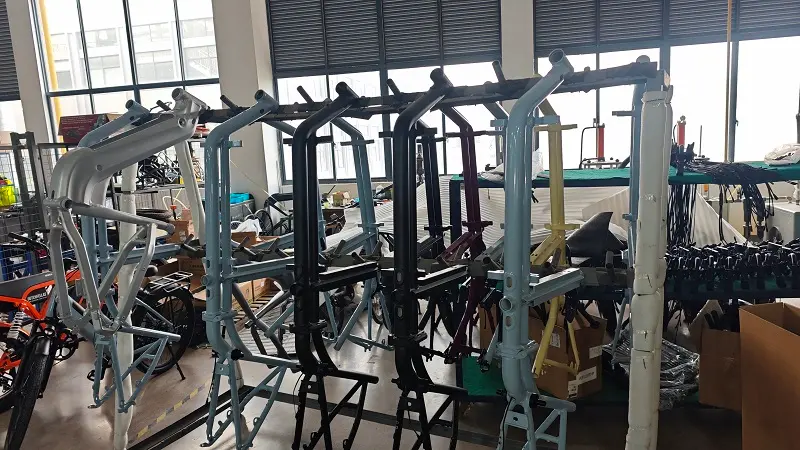
I've seen many brands try to enter mature markets and fail because they offer a generic product. In Sweden, success isn't just about having a good bike; it's about the entire ownership experience. Local players like Ecoride AB have built strong reputations through excellent after-sales support. International brands are competing with smart, connected features and innovative designs. This is where a strong OEM/ODM partner becomes your greatest asset. We don't just assemble parts. We help you innovate. Do you want to integrate a custom IoT module for fleet tracking? We can do that. Need a unique frame design that reflects your brand's identity? Our in-house frame factory is at your service.
The future trends are clear. Consumers are looking for more than just transportation. They want financing options, leasing plans, and seamless connectivity. They also demand safety and compliance with all local regulations. As a manufacturer with CE, TÜV, and ISO9001 certifications, we ensure your product is market-ready from day one. Your competitive edge will come from your ability to adapt.
Key Factors for Market Success:
- Product Innovation: Offer unique designs, better performance, or specialized features.
- Smart Connectivity: Integrate IoT, GPS tracking, and companion apps.
- Service & Support: Build a reliable after-sales network for maintenance and repairs.
- Localization: Tailor colors, features, and marketing to Swedish tastes.
- Compliance & Quality: Ensure all products meet strict EU standards for safety and reliability.
Conclusion
The Swedish e-bike market offers incredible potential. Success hinges on understanding local policy, consumer needs, and a competitive landscape that rewards innovation, quality, and strong partnerships.
"Sweden E-bike Market Size, Share, Trends, 2030 Report", https://www.mordorintelligence.com/industry-reports/sweden-e-bike-market. This source provides market projections for the Swedish e-bike industry, supporting the claim about its future valuation. Evidence role: statistic; source type: research. Supports: The Swedish e-bike market is projected to reach $535 million by 2029.. Scope note: Projections may vary depending on unforeseen economic or policy changes. ↩
"Goteborgsgirot edition 2025 - Battistrada.com", https://battistrada.com/en/cycling-calendar/edition/goteborgsgirot-2025/38725/. This source provides information on Gothenburg's urban mobility goals, supporting the claim about its bicycle trip target. Evidence role: statistic; source type: government. Supports: Gothenburg aims for 12% of urban trips to be by bicycle by 2025.. Scope note: The source may not provide updates on progress toward the goal. ↩
"Sweden E-bike Market Size, Share, Trends, 2030 Report", https://www.mordorintelligence.com/industry-reports/sweden-e-bike-market. This source provides data on the increase in e-bike adoption in Sweden during 2020, supporting the claim about the 6.2% growth rate. Evidence role: statistic; source type: research. Supports: E-bike adoption in Sweden increased by 6.2% in 2020.. Scope note: The data may be specific to 2020 and not reflect longer-term trends. ↩
"Sweden E-bike Market Size, Share, Trends, 2030 Report", https://www.mordorintelligence.com/industry-reports/sweden-e-bike-market. This source provides market share data for Pedelecs in Sweden, supporting the claim about their dominance. Evidence role: statistic; source type: research. Supports: Pedelecs make up 57% of the Swedish e-bike market.. Scope note: The data may not account for recent shifts in consumer preferences. ↩