Are you trying to understand the European e-bike market? It can be tough to know where to start. Austria, with its unique drivers, presents a golden opportunity if you know how.
The Austrian e-bike market is growing steadily, mainly because of government subsidies, high fuel prices making e-bikes cheaper to run, corporate leasing programs, and strong demand from the country's huge alpine tourism industry. These factors create a very strong and stable market.
I've been in the e-bike manufacturing business for over two decades, and I've seen markets evolve. The Austrian market is a fascinating case study in how a combination of policy, geography, and consumer behavior can create a thriving ecosystem. It's not just about selling bikes; it's about understanding the specific needs of the Austrian rider. In this post, I'll break down the key factors I've identified that are shaping this market, from government support to the specific tech that consumers demand. Let's dive into the details.
How big is Austria's e-bike market and where is it headed?
Wondering if the Austrian market is worth the investment? Ignoring the numbers means you could be missing out on a stable, billion-dollar opportunity that is only getting bigger each year.
The market is projected to grow from $1.08 billion in 2025 to $1.43 billion by 2031.1 This reflects a steady compound annual growth rate (CAGR) of 4.78%, showing consistent and reliable expansion rather than a risky, volatile boom.
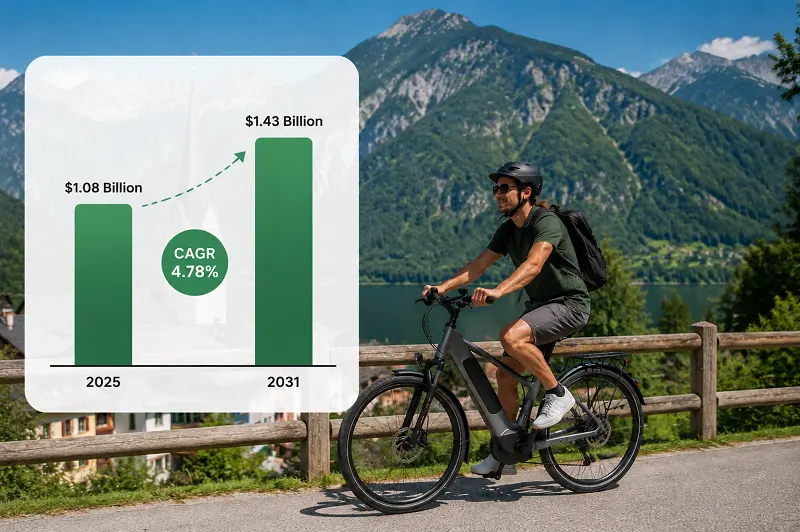
From my experience, steady growth is often more valuable than explosive, unpredictable growth. The Austrian market's trajectory is built on solid foundations. The numbers tell a clear story of a market moving from $1.08 billion in 2025 to an expected $1.43 billion by 2031. The key drivers behind this are not temporary trends. First, high and fluctuating fuel prices make e-bikes a very smart financial choice for daily commuting. Second, Austria's mountainous terrain makes it a top destination for tourism, and e-mountain bikes are becoming essential for exploring the Alps. Finally, corporate leasing programs are putting high-quality e-bikes into the hands of thousands of employees, creating a new and powerful sales channel. These factors together ensure that demand remains strong and continues to build over time, making it a very attractive market for manufacturers like us.
| Market Driver | Description | Impact on Growth |
|---|---|---|
| Policy Incentives | Government subsidies and tax breaks for purchasing and leasing e-bikes. | High (Reduces upfront cost for consumers) |
| High Fuel Prices | Makes e-bike commuting a cost-effective alternative to cars. | High (Drives daily use and commuter sales) |
| Corporate Leasing | Companies provide e-bikes to employees as a benefit, often with tax savings. | Medium-High (Accelerates high-end model sales) |
| Alpine Tourism | Strong demand for e-mountain bikes for rental and personal use in tourist areas. | High (Supports a strong recreational segment) |
What government support and infrastructure are fueling e-bike adoption in Austria?
Government rules can seem confusing and hard to follow. But if you ignore them, you risk missing out on powerful subsidies that your competitors are using to lower prices and win sales.
The Austrian government's "Klimaaktiv mobil" program provides direct purchase subsidies of up to €850 for individuals. This is boosted by corporate tax benefits for leasing and major investments in urban bike lanes and charging stations, making e-bikes an easy choice.
In my line of work, I see how government policy can make or break a market. Austria is a perfect example of how to do it right. The "Klimaaktiv mobil" program is a game-changer because it directly tackles the biggest barrier for many customers: the initial cost. When a private buyer can get up to €850 back, a mid-range e-bike suddenly becomes much more affordable. Some cities like Vienna and Salzburg add another €200-€500 on top of that, which is a huge incentive.2 Even more impactful, in my opinion, is the corporate leasing model. Companies using programs like JobRäder can offer employees high-end e-bikes as part of their salary package, with significant tax advantages for both the company and the employee. This single-handedly fuels the demand for premium models. This supportive policy environment, which I estimate contributes at least 1.2% to the market's annual growth, is what makes Austria so promising.
| Incentive Type | Details | Target Audience |
|---|---|---|
| Private Subsidy | Up to €850 from "Klimaaktiv mobil" + local bonuses (€200-€500). | Individual Buyers |
| Corporate Leasing | Tax benefits for companies providing e-bikes to employees (e.g., JobRäder). | Businesses and Employees |
| Infrastructure | Expansion of bike lanes, charging stations, and secure parking. | All E-bike Riders |
What types of e-bikes and technology are Austrians buying?
You don't want to design and manufacture a container of e-bikes only to find out nobody in your target market wants them. Stocking the wrong models is a costly mistake.
Austrian consumers heavily favor pedal-assist bikes, which make up 66.58% of the market.3 City/urban models are the most popular style (46.25%),4 but the real tech trend is the preference for powerful mid-drive motors (55.12%) and low-maintenance belt drives (72.95%).5
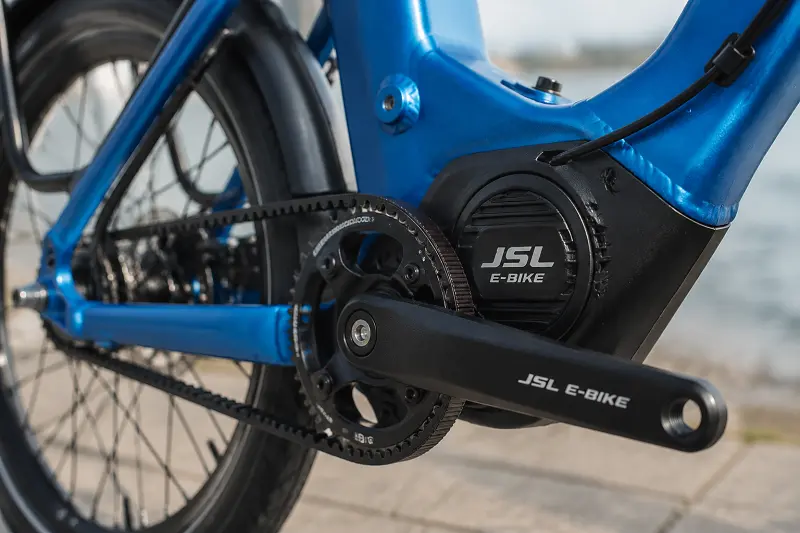
When we develop e-bikes for a specific market, we have to get the technology right. In Austria, performance and practicality are key. The dominance of pedal-assist (pedelec) models is no surprise, but it's the components that tell the real story. The preference for mid-drive motors, which account for over half the market and are growing at 4.88%, shows that Austrian riders need power for hills and a natural riding feel. This is true for city commuters facing inclines and tourists tackling mountain trails. Hub motors are still there for entry-level bikes, but the serious market is mid-drive. What I find especially interesting is the high adoption of belt drives, at over 72%. This tells me that consumers are willing to pay a premium for a durable, low-maintenance solution, which is perfect for daily commuters who don't want to deal with a greasy chain. This focus on quality and long-term value is a sign of a mature and sophisticated consumer base.
| Component | Market Share / Growth Trend | Why It's Popular in Austria |
|---|---|---|
| Motor Type | Mid-Drive: 55.12% share, 4.88% CAGR | Better for climbing hills, provides a balanced and natural riding feel. |
| Motor Power | 351-500W: Fastest growing segment with 4.99% CAGR | Offers a good balance of power for hills and cargo without being excessive. |
| Drivetrain | Belt Drive: 72.95% share, 4.81% CAGR | Low maintenance, clean, and durable, ideal for daily commuting. |
| Bike Type | Cargo/Utility: Fastest growing segment with 4.96% CAGR | Driven by commercial delivery services and families replacing cars. |
How are e-bikes sold in Austria and who are the key players?
So you have the right product, but how do you get it to the customer? Choosing the wrong sales strategy or underestimating the competition can stop your market entry before it even starts.
Brick-and-mortar stores still dominate sales, accounting for 70.65% of the market, but online channels are growing fast at a 4.9% CAGR. The competitive landscape is a mix of local champions like KTM and CUBE and international giants like Riese & Müller and Trek.
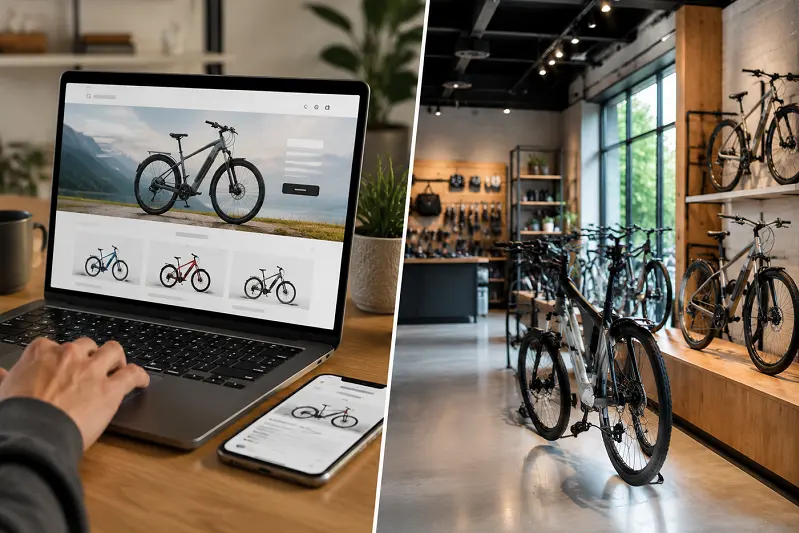
Understanding the sales landscape is crucial. While the majority of sales still happen in physical stores where customers can test ride and get expert advice, the rapid growth of online sales shows a shift in buying habits. The winning strategy I see emerging is an O2O (online-to-offline) model, where customers research online and buy from a local dealer. In terms of price, the sweet spot is the mid-range ($1,500-$2,499), which holds the largest market share at nearly 31%.6 However, the fastest growth is in the high-end segment ($3,500-$5,999), growing at 4.85% annually, largely driven by the corporate leasing trend I mentioned earlier. The competition is healthy, with strong local brands holding their own against global players. To succeed here, brands are focusing on differentiation through advanced tech like smart connectivity, predictive maintenance, and offering flexible leasing and subscription models. The new battlegrounds are clearly commercial fleets, city logistics, and the tourism sector.
Conclusion
The Austrian e-bike market offers stable, premium-focused growth. Success requires leveraging policy support, focusing on high-performance tech, and tapping into commercial, tourism, and digital sales channels to gain a competitive edge.
"Austria E-bike Market Dynamics and Forecasts: 2025-2033 Strategic ...", https://www.marketreportanalytics.com/reports/austria-e-bike-market-104812. This source provides the projected growth figures for the Austrian e-bike market from 2025 to 2031, including the compound annual growth rate. Evidence role: statistic; source type: research. Supports: The Austrian e-bike market is expected to grow from $1.08 billion in 2025 to $1.43 billion by 2031.. Scope note: The projection may depend on specific market conditions that could change. ↩
"The latest from the cargo bike boom: bike-sharing and subsidies for ...", https://www.radkompetenz.at/en/9349/the-latest-from-the-cargo-bike-boom-bike-sharing-and-subsidies-for-vienna-and-salzburg/. This source details additional e-bike subsidies provided by cities like Vienna and Salzburg, supplementing national programs. Evidence role: mechanism; source type: government. Supports: Cities like Vienna and Salzburg offer additional e-bike subsidies ranging from €200 to €500.. Scope note: The information may vary by city and year, requiring localized confirmation. ↩
"Austrian e-bike market share shifts towards European record", https://www.bike-eu.com/49735/austrian-e-bike-market-share-shifts-towards-european-record. This source provides market share data for pedal-assist bikes in Austria, confirming their dominance in the e-bike segment. Evidence role: statistic; source type: research. Supports: Pedal-assist bikes account for 66.58% of the Austrian e-bike market.. Scope note: The data may not reflect recent changes in consumer preferences. ↩
"Austria E-bike Market Size & Share Outlook to 2031", https://www.mordorintelligence.com/industry-reports/austria-e-bike-market. This source confirms that city/urban e-bike models hold a 46.25% market share in Austria, reflecting consumer preferences. Evidence role: statistic; source type: research. Supports: City/urban e-bike models are the most popular in Austria, with a 46.25% market share.. Scope note: The data may not account for emerging trends in other e-bike categories. ↩
"Austria E-bike Market Size & Share Outlook to 2031", https://www.mordorintelligence.com/industry-reports/austria-e-bike-market. This source provides market share data for mid-drive motors and belt drives in Austria, highlighting their popularity among consumers. Evidence role: statistic; source type: research. Supports: Mid-drive motors and belt drives are preferred by Austrian e-bike consumers, with market shares of 55.12% and 72.95%, respectively.. Scope note: The data may not include niche or emerging technologies. ↩
"Austria E-bike Market Size & Share Outlook to 2031", https://www.mordorintelligence.com/industry-reports/austria-e-bike-market. This source confirms that mid-range e-bikes priced between $1,500 and $2,499 hold the largest market share in Austria, at nearly 31%. Evidence role: statistic; source type: research. Supports: Mid-range e-bikes priced between $1,500 and $2,499 hold the largest market share in Austria, at nearly 31%.. Scope note: The data may not account for fluctuations in consumer spending or currency exchange rates. ↩