Struggling to understand the unique demands of the Norwegian e-bike market? It's a lucrative but tricky region. Success requires a deep dive into local trends, not just standard offerings.
Norway's e-bike market is unique due to strong government support, a focus on winter-ready technology, and high demand for powerful cargo models. Success hinges on providing high-performance, reliable e-bikes tailored for cold climates and commercial use, creating specific opportunities for specialized manufacturers like us.
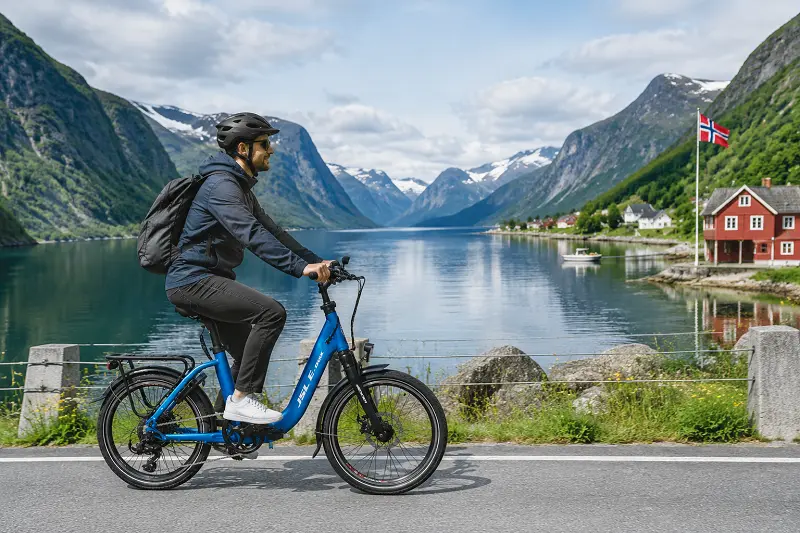
When I first started looking into the European market, Norway immediately stood out. It’s not just another country adopting e-bikes; it's a nation integrating them into its very infrastructure and lifestyle, even through the harsh winters. This presents both challenges and massive opportunities. If you’re considering this market, you need to understand what’s driving its growth. It's a fascinating case study in how a country can fully embrace electric mobility. Let's look at the specifics.
How Is Norway's E-Bike Market Growing So Fast?
You see e-bike growth everywhere, but Norway's pace is different. Ignoring the specific drivers here means missing a huge opportunity. The key is understanding their unique government-led approach.
The market is set to grow from $176.45 million in 2026 to $215.87 million by 2031.1 This isn't just organic growth; it's fueled by direct government subsidies, massive expansion of dedicated bike lanes, and technology specifically optimized for tough winter conditions.
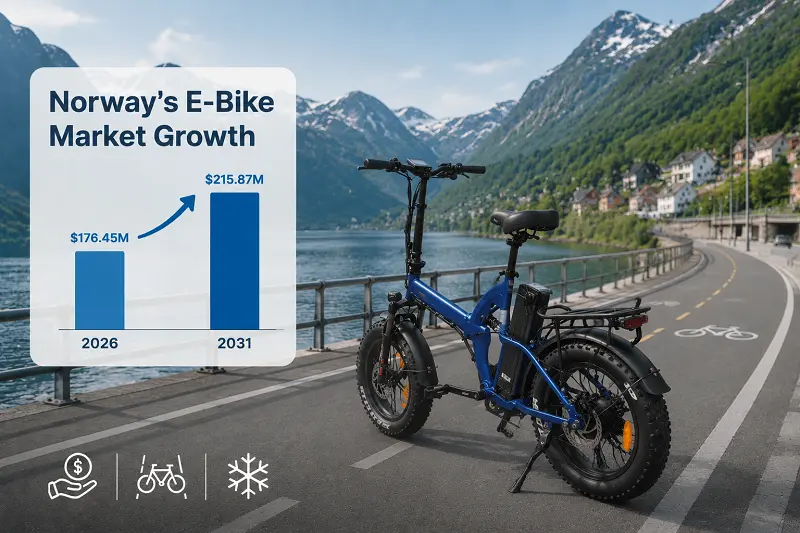
From my experience as a manufacturer, government support is the most powerful growth accelerator. In Norway, this goes beyond simple tax incentives. They are actively building a future around e-bikes. The compound annual growth rate (CAGR) of 4.12% is steady and reliable because it's built on a solid foundation. Think about smart mobility hubs in cities that make commuting seamless, and urban planning that prioritizes bikes over cars. This investment in infrastructure, especially dedicated and well-maintained bike lanes, directly reduces safety concerns and weather-related risks. It creates a stable, predictable environment where both individuals and businesses, like delivery services, can confidently invest in e-bikes. This is a market that’s being built to last, not just a passing trend.
| Market Driver | Impact on Growth |
|---|---|
| Public Subsidies | Lowers entry cost for consumers, boosts sales volume. |
| Infrastructure Expansion | Increases safety and convenience, making e-bikes more attractive. |
| Winter Tech Optimization | Makes e-bikes a viable year-round transport option. |
What Kind of E-Bikes Do Norwegians Actually Want?
You can't just ship your standard city e-bike to Norway and expect it to sell. Mismatching your product to the local lifestyle is a fast way to fail.
Norwegians use e-bikes for daily trips, mostly under 15 km. But the real growth is in specialized models. High-performance speed pedelecs are growing at 12.27% annually, and commercial cargo e-bikes are exploding at 18.1% CAGR for "last-mile" logistics.
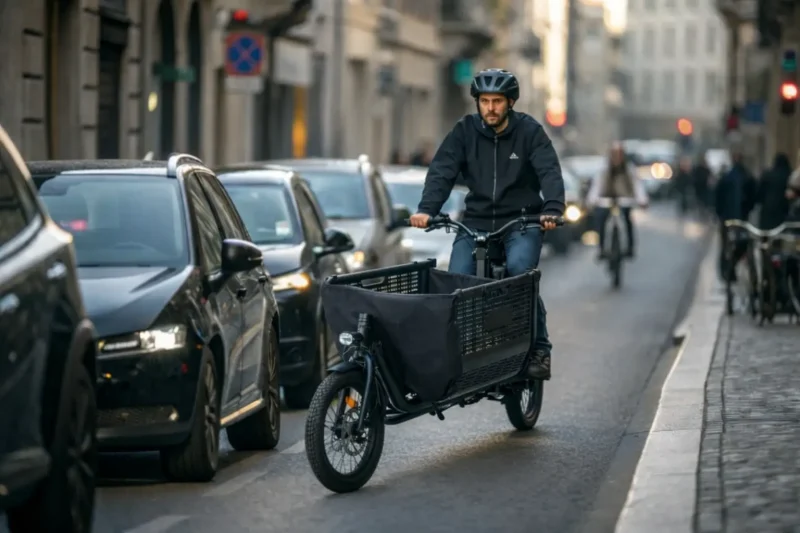
When we analyze the data, we see a clear split in the Norwegian market. On one hand, the standard urban e-bike remains the workhorse, making up 45.92% of the market in 2025. These are used for short commutes and family errands. However, the exciting growth is elsewhere. The demand for speed and power is undeniable. Speed pedelecs, which offer assistance at higher speeds, cater to longer-distance commuters who want to get to work faster. At the same time, the commercial sector is booming. The 14.64% CAGR for cargo and utility e-bikes shows that businesses are rapidly adopting them for deliveries. This requires a different kind of product: one with a robust frame, powerful motor, and customizable cargo solutions. And uniquely for Norway, all these bikes must perform reliably in freezing temperatures, a specific demand we focus on heavily in our designs.
| E-Bike Segment | 2025 Market Share (Est.) | Key Driver |
|---|---|---|
| City/Urban | 45.92% | Daily short-distance commuting |
| High-Performance/Speed | Growing at 12.27% CAGR | Longer commutes, speed preference |
| Cargo/Utility | Growing at 14.64% CAGR | Commercial delivery, "last-mile" logistics |
What Technical Features Are Must-Haves for E-Bikes in Norway?
Standard e-bike components often fail in Norway's harsh climate. Cold weather kills battery life and performance, leading to frustrated customers and a damaged brand reputation.
For Norway, you must prioritize lithium-ion batteries optimized for cold weather. Mid-drive motors are essential, holding a 62.78% market share for their superior traction and reliability. Also, low-maintenance belt drives are a fast-growing trend, perfect for the corrosive winter conditions.
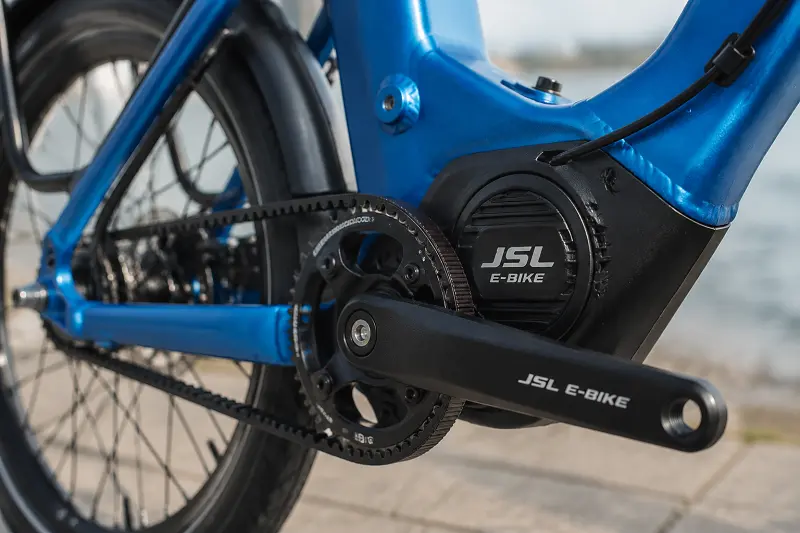
As an OEM/ODM manufacturer, the technical specifications are where we can really create value. In Norway, it's all about durability and performance in adverse conditions. While lithium-ion batteries are standard (97.02% market share), the key is the Battery Management System (BMS)2 and cell chemistry that can handle the cold without a dramatic drop in range. The dominance of mid-drive motors (growing at 13.95%) is logical; they provide better torque for hills and improved balance and traction on slippery surfaces, which is critical. We're also seeing a rapid shift toward belt drives (15.62% growth) because they resist corrosion from road salt and require almost no maintenance compared to chains. Finally, power matters. The fastest-growing motor segment is 501-600 watts (16.3% growth), showing that consumers want enough power to handle long distances, steep terrain, and heavy cargo loads without compromise.
| Component | Norwegian Market Trend | Why It Matters |
|---|---|---|
| Battery | Li-Ion with low-temperature optimization | Maintains range and performance in winter. |
| Motor | Mid-drive (62.78% share) | Better traction, torque, and balance. |
| Drivetrain | Belt Drive (15.62% growth) | Low maintenance, resists corrosion from salt. |
| Power | 501-600W (16.3% growth) | Handles hills, cargo, and long distances. |
How Can a New Brand Compete in the Norwegian E-Bike Market?
Entering the Norwegian market can seem daunting. It's crowded with established European giants like Giant and Merida. Without the right strategy, it's easy to get lost.
The key is to avoid competing head-on. Focus on fast-growing niches like premium cargo solutions or expertly winter-proofed e-bikes. Differentiate with superior smart connectivity, a reliable local service network, and products that integrate with Norway’s smart city infrastructure.
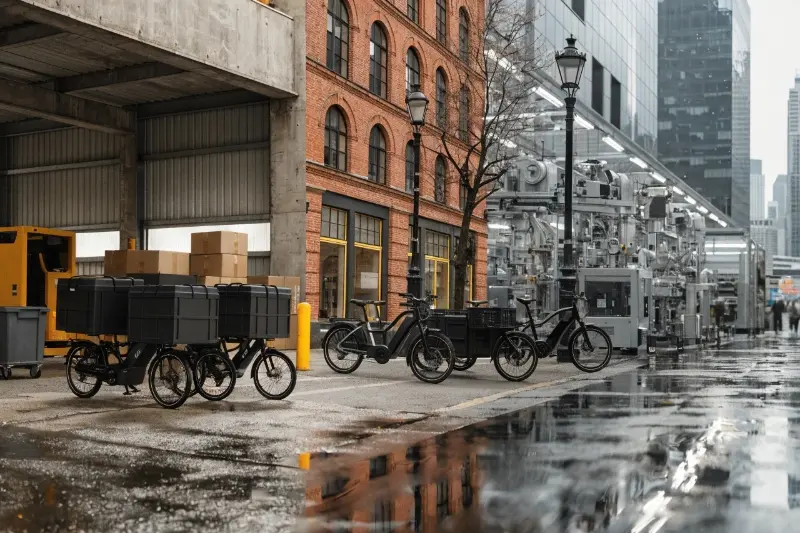
We've helped many brands enter new markets, and Norway requires a smart approach. The market has medium concentration, but the big players are well-entrenched. The challenges are real: high prices for premium bikes can be a barrier, reliance on foreign supply chains creates risk, and infrastructure in rural areas is still lacking. However, opportunity lies in these gaps. The premium segment ($3500-$5999) is growing significantly at 10.62% CAGR3, showing customers are willing to pay for quality and performance. While offline channels are still dominant (66.59%), online sales are growing at a blistering 17.61% CAGR.4 This is where a new brand can make its mark. Success isn't just about the bike; it's about the ecosystem. We can help you build e-bikes with advanced IoT features for fleet management, design a direct-to-consumer sales model, and ensure full compliance with local regulations. The winners will be those who provide not just a product, but a complete, localized solution.
Conclusion
To succeed in Norway, focus on high-performance, winter-ready e-bikes, especially for cargo. Strong service networks and deep technical customization are essential to capturing this growing, tech-savvy market.
"Europe: Projected e-bike market growth by country - Statista", https://www.statista.com/statistics/1377603/projected-growth-e-bike-market-by-country-europe/?srsltid=AfmBOoorzvnYVkcIbQrPtWAc9QObwyWGON8UyoVYWGQwyw7N15G_wgwG. This source provides the projected growth figures for Norway's e-bike market from 2026 to 2031. Evidence role: statistic; source type: research. Supports: The market is set to grow from $176.45 million in 2026 to $215.87 million by 2031.. ↩
"Cold-Climate Optimized EV Battery Systems Market to Reach USD ...", https://www.morningstar.com/news/accesswire/1162866msn/cold-climate-optimized-ev-battery-systems-market-to-reach-usd-304-billion-by-2036-as-winter-performance-and-thermal-innovation-drive-ev-adoption. A Battery Management System (BMS) is crucial for monitoring and optimizing the performance of lithium-ion batteries, especially in cold climates like Norway, where temperature fluctuations can significantly impact battery efficiency. Evidence role: mechanism; source type: encyclopedia. Supports: Battery Management Systems (BMS) are essential for optimizing lithium-ion battery performance in cold climates, ensuring consistent range and efficiency.. ↩
"Norway E-bike Market Size & Share Outlook to 2031", https://www.mordorintelligence.com/industry-reports/norway-e-bike-market. The source provides data on the premium e-bike segment in Norway, highlighting its growth rate of 10.62% CAGR, which reflects increasing consumer demand for high-quality and high-performance e-bikes. Evidence role: statistic; source type: research. Supports: The premium e-bike segment in Norway is growing significantly at a compound annual growth rate (CAGR) of 10.62%, indicating a strong consumer preference for high-quality and high-performance e-bikes.. ↩
"Norway E-bike Market Size & Share Outlook to 2031", https://www.mordorintelligence.com/industry-reports/norway-e-bike-market. This source confirms the 66.59% dominance of offline channels and the 17.61% CAGR of online sales in Norway's e-bike market. Evidence role: statistic; source type: research. Supports: While offline channels are still dominant (66.59%), online sales are growing at a blistering 17.61% CAGR.. ↩