Struggling to choose the right e-bike display? Picking the wrong one can confuse users and create after-sales headaches. The key is focusing on what truly matters for your specific e-bike model.
A good e-bike display makes information easy for end-users to understand, quick for dealers to check, and perfectly suited to the bike's market position. The essential information includes speed, battery level, pedal-assist level, mileage, and light status1. This is sufficient for most standard e-bikes.
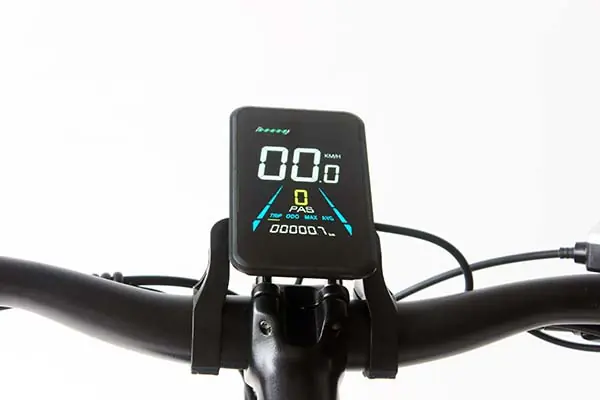
As an e-bike manufacturer, I've seen countless B2B buyers get lost in display specifications. They compare feature lists, thinking more is always better. But the truth is, the "best" display isn't the one with the most functions. It's the one that does its job perfectly for the intended user and market. To find that perfect match, we need to look at what's truly necessary for different types of e-bike projects. Let's break it down into what's essential, what's a valuable upgrade, and the one feature that everyone overlooks but shouldn't.
What are the essential basics every e-bike display needs?
Choosing a display for a budget-friendly project is tough. Overspending on features users don't need will kill your profit margin. The solution is to focus only on the core functions.
Every e-bike display must clearly show speed, battery level, pedal-assist level, mileage, and light status. These five pieces of information are enough for most commuter, folding, and wholesale e-bikes. They ensure a simple and effective user experience without adding unnecessary cost.
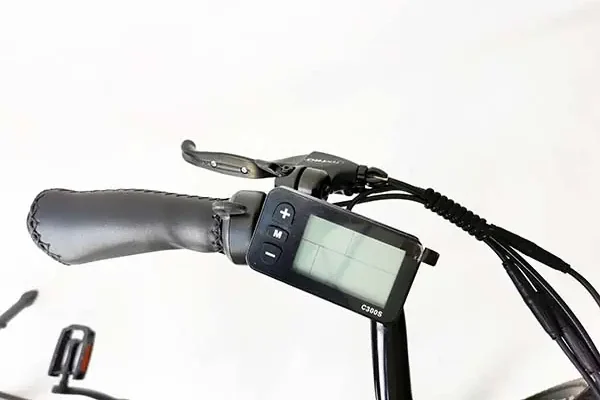
For any price-sensitive project, like wholesale distribution or entry-level city bikes, clarity is king. The goal is to give the rider just enough information to feel confident and in control. Anything more can be a distraction. In my experience, a display that excels at the basics is far more valuable than a complicated one that riders can't figure out. The focus should be on reliability. For example, the battery indicator must be stable and trustworthy2. A rider needs to know they can count on it. A simple, robust, and easy-to-read display already meets the needs of a huge segment of the market.
| Basic Feature | Why It's Essential for the Rider |
|---|---|
| Speed | Provides immediate feedback on pace and helps riders adhere to local speed limits3. |
| Battery Level | The most critical info. It prevents "range anxiety" and tells the rider when to head home or charge. |
| Assist Level (PAS) | Allows the rider to easily see and adjust how much help the motor is providing. |
| Mileage (Odometer) | Helps track usage for fun or for maintenance scheduling. |
| Light Status | A simple icon confirms that the lights are on, which is a key safety feature. |
When should you upgrade to a more advanced e-bike display?
Does your high-end e-bike feel a bit basic? Customers won't pay a premium if the tech doesn't match the price. An advanced display can add that necessary touch of value.
For mid-to-high-end models like fat tire, cargo, or mountain e-bikes, an advanced display is key. Adding features like trip data, power output, USB charging, and Bluetooth connectivity enhances the bike's premium feel. This allows you to create product differentiation in a crowded market.
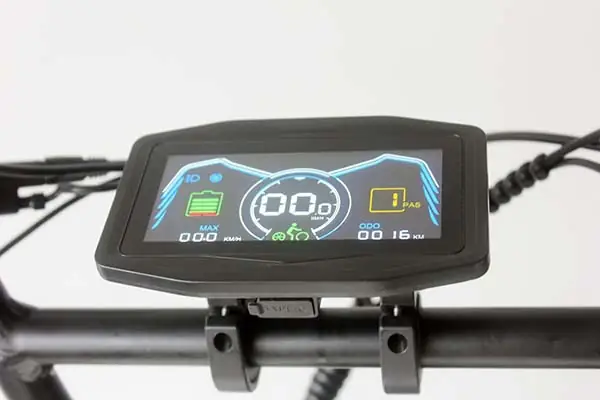
When we develop a premium OEM project for a brand, the display is a major part of the conversation. It’s a highly visible component that defines the user's interaction with the bike. For these models, the display should do more than just show the basics; it should enhance the bike's specific purpose. For example, a cargo e-bike rider might use trip distance and riding time data for their delivery logs4. A mountain e-biker will appreciate seeing their real-time power output (in watts) as they tackle a steep climb5. And for a modern city e-bike brand, Bluetooth connectivity for a companion app is practically a requirement6. These features justify a higher price point and make the bike feel more integrated and intelligent.
| Advanced Feature | Best E-Bike Type | Benefit for the User/Brand |
|---|---|---|
| Trip Data (Distance, Time) | Cargo, Touring, City | Helps track deliveries, fitness goals, or daily commutes7. |
| Power Output (Watts) | Mountain, Performance | Gives performance-focused riders real-time feedback on their effort. |
| USB Charging Port | All types, especially City & Cargo | Allows riders to charge their phone on the go8, a huge convenience. |
| Bluetooth Connectivity | Brand OEM, Premium City | Enables app integration for navigation, ride tracking, and settings control. |
Why is after-sales support the most overlooked display feature?
Are your dealers swamped with simple repair questions? This wastes time and money, and it can hurt your brand’s reputation for reliability. A smart display can be your first line of defense9.
The most crucial information on a display might be for the dealer, not the rider. Features like error codes, detailed battery status, and sensor alerts10 are invaluable. They empower dealers to diagnose problems quickly, drastically reducing after-sales costs and improving overall customer satisfaction.
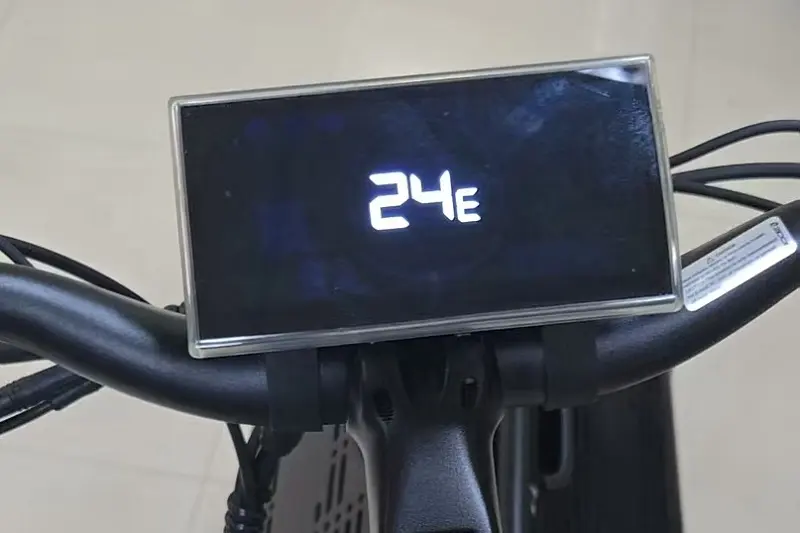
This is the point I stress most to my B2B clients. A pretty display is nice, but a helpful display has long-term value. When an e-bike has a problem, the first thing a user does is call the dealer. If the dealer has to guess what's wrong, the process is slow and frustrating for everyone. But if the display can show an error code, like "Error 21 - Speed Sensor Anomaly," the dealer knows exactly where to look. This turns a long troubleshooting call into a quick, targeted repair. For a B2B buyer, this is a massive advantage. It reduces your partners' support burden and makes your product line much easier to manage.
| Diagnostic Feature | How It Helps the Dealer |
|---|---|
| Error Codes | Instantly points to the faulty component (e.g., motor, controller, throttle). |
| Detailed Battery Info | Shows voltage, cycle count, or cell health, helping diagnose battery issues. |
| Brake Sensor Indicator | Confirms if the brake cut-off switch is working correctly. |
| Controller Status | Can indicate communication problems between the display and the controller. |
Conclusion
The right display isn't about showing more data. It’s about reducing the user's learning curve and the dealer's after-sales costs, making the e-bike both easy to ride and easy to fix.
"Top 5 Factors to Consider When Choosing an E-Bike Display", https://www.rocktech.com.hk/rocktech-blog/e-bike-display-ips-lcd/. These features are commonly cited as the standard set of information provided by basic e-bike displays, ensuring functionality for commuter and entry-level models. Evidence role: expert_consensus; source type: encyclopedia. Supports: These five features are sufficient for most standard e-bikes.. Scope note: The claim assumes these features are universally sufficient, which may vary by market. ↩
"Why e-bike battery life shows discrepancy? - Facebook", https://www.facebook.com/groups/926685377947023/posts/1791179674830918/. A stable and accurate battery indicator is critical for preventing range anxiety among e-bike users. Evidence role: mechanism; source type: education. Supports: A stable and trustworthy battery indicator is essential for rider confidence.. Scope note: The claim does not address variations in battery indicator accuracy across different e-bike models. ↩
"9 E-Bike Safety Tips", https://nps.edu/web/safety/ebike. Speed displays on e-bikes are essential for rider safety and compliance with local regulations. Evidence role: mechanism; source type: government. Supports: Speed displays help riders adhere to local speed limits and monitor their pace.. Scope note: The claim does not address variations in speed limit enforcement across regions. ↩
"Physical activity when riding an electric-assisted bicycle with ... - PMC", https://pmc.ncbi.nlm.nih.gov/articles/PMC10348875/. Trip distance and riding time data are commonly used by cargo e-bike riders for delivery tracking and efficiency monitoring. Evidence role: case_reference; source type: institution. Supports: Cargo e-bike riders use trip distance and riding time data for delivery logs.. Scope note: The claim assumes all cargo e-bike riders prioritize these features, which may not apply universally. ↩
"What does watts mean for an electric bike? - Facebook", https://www.facebook.com/groups/1350916218635465/posts/2232065530520525/. Real-time power output is a feature valued by performance-focused riders, especially in mountain biking scenarios. Evidence role: case_reference; source type: research. Supports: Mountain e-bikers appreciate seeing their real-time power output during climbs.. Scope note: The claim may not apply to casual mountain e-bike users who prioritize other features. ↩
"Use your phone as bike computer - why your smartphone is the best ...", https://powunity.com/en/phone-as-bike-computer-smartphone-as-best-e-bike-display. Bluetooth connectivity is increasingly integrated into modern e-bike displays to enable app-based features like navigation and ride tracking. Evidence role: expert_consensus; source type: research. Supports: Bluetooth connectivity is practically a requirement for modern city e-bike brands.. Scope note: The necessity of Bluetooth connectivity may depend on the target market and user preferences. ↩
"How Many Use a GPS On Their Ebike? | Electric Bike Forums", https://forums.electricbikereview.com/threads/how-many-use-a-gps-on-their-ebike.24523/. Trip data features are commonly used by e-bike riders for tracking deliveries, fitness progress, and commute efficiency. Evidence role: case_reference; source type: institution. Supports: Trip data helps e-bike riders track deliveries, fitness goals, or daily commutes.. Scope note: The claim generalizes the use of trip data across all rider types without specifying demographic differences. ↩
"Do you want USB-C charging on your eBike? Why? - Reddit", https://www.reddit.com/r/eMountainBike/comments/1r31dg0/do_you_want_usbc_charging_on_your_ebike_why/. Phone charging via USB ports on e-bike displays is a feature that enhances convenience for urban and touring riders. Evidence role: general_support; source type: research. Supports: USB charging ports allow riders to charge their phone on the go, enhancing convenience.. Scope note: The claim assumes all riders find this feature useful, which may not apply to non-urban demographics. ↩
"E-Bike App - Bikonnect", https://www.bikonnect.com/product/app. Smart displays with diagnostic features are recognized for their role in reducing troubleshooting time and improving dealer support. Evidence role: mechanism; source type: education. Supports: Smart displays act as a first line of defense in diagnosing e-bike issues.. Scope note: The claim assumes all smart displays are equally effective, which may depend on the specific implementation. ↩
"Generic E-Bike Error Codes List (Part 1): Troubleshooting Guide", https://upway.co/blogs/news/generic-electric-bike-error-codes-list?srsltid=AfmBOopBQWCw2IN9ViIxAnEokO_GzpL8e94fH2o5Cwk3Xa8rlydr8bYq. Error codes and diagnostic features are widely recognized as essential for reducing after-sales support costs in e-bike systems. Evidence role: mechanism; source type: education. Supports: These features empower dealers to diagnose problems quickly, reducing after-sales costs.. Scope note: The effectiveness of these features may vary depending on the implementation quality. ↩