Feeling lost in the European e-bike market's future? Sticking to old plans means falling behind. We'll show you the clear path forward for 2025 and beyond.
The European e-bike market is shifting from consumer-driven growth to a mature phase powered by B2B fleets, government policies, and specialized use cases like cargo delivery. The key is moving from simple retail to structured fleet solutions and leasing models, with a focus on mid-to-high-end products.
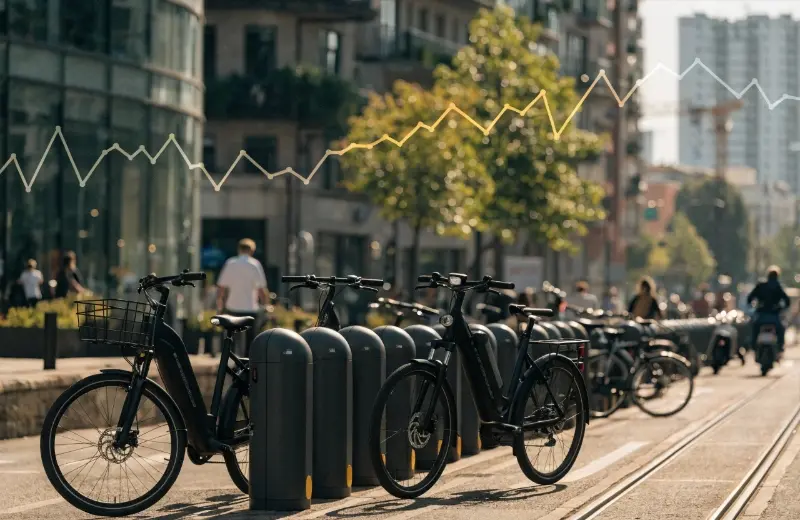
The numbers tell a story of steady, not explosive, growth. The market is projected to grow from $21.28 billion in 2025 to $26.56 billion by 2031, a compound annual growth rate (CAGR)1 of 3.76%. But behind these numbers are powerful shifts that are changing the game for manufacturers and brands. Let's break down what's really driving the market and where the true opportunities lie. Understanding these drivers is the first step to building a winning strategy for the years ahead.
What Are the Real Engines Driving E-Bike Growth in Europe?
Are you still focused only on individual consumer sales? This narrow view misses the biggest growth drivers. You risk targeting a shrinking segment while competitors capture large, stable B2B contracts.
The core growth engines are no longer just individual buyers. B2B demand from corporate leasing and last-mile delivery fleets, strong government subsidies, and expanding cycling infrastructure are now the primary forces shaping the market's future. These create stable, long-term demand for OEMs.
The European market is no longer in its explosive growth phase; it's maturing. This means the way to win has changed. It's less about capturing new individual buyers and more about understanding the structural shifts that create predictable, long-term demand. As a manufacturer with over 20 years of experience, I've seen these cycles before. The smartest companies adapt to where the market is going, not where it has been. The growth now comes from three core areas that work together.
The Rise of B2B Demand
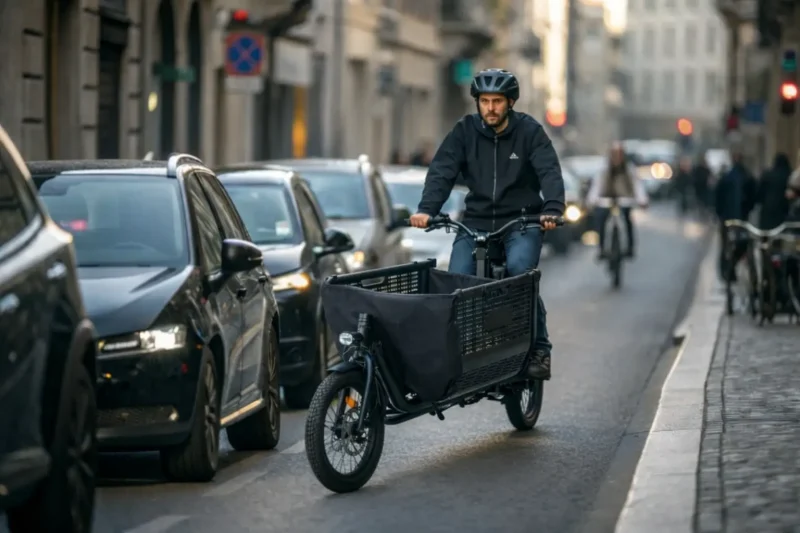
The real engine of growth is now business-to-business (B2B). We're seeing a huge increase in demand from companies offering e-bike leasing as an employee benefit. It's a great perk that also supports corporate sustainability goals. Even more significant is the expansion of last-mile delivery fleets by giants like DHL, Amazon, and UPS. They need reliable, efficient vehicles for urban logistics. For us as an OEM, this is fantastic news. Fleet orders are larger, more stable, and more predictable than fluctuating consumer sales. It allows us to build long-term partnerships and develop customized e-bikes designed specifically for commercial use.
The Power of Policy
You cannot understand the European market without understanding its policies. This is a policy-driven market, not a purely consumer-driven one. Governments are actively encouraging e-bike adoption with powerful incentives. Subsidies can go as high as €4,000 in some regions. Tax deductions and government-backed leasing models lower the financial barrier for both individuals and companies. At the same time, anti-dumping tariffs on certain imports protect compliant manufacturers. This environment favors high-quality, certified products that meet strict EU regulations like EN15194. It rewards partners who do things the right way.
Infrastructure is King
Long-term growth is built on infrastructure. Cities across Europe are investing heavily in new cycling infrastructure. Paris, for example, is adding over 1,000 km of bike lanes. There's a direct link: higher bike lane density can increase e-bike penetration by up to 40%. When people feel safe riding, they are more likely to switch from a car to an e-bike for their daily commute. This government investment signals a long-term commitment to cycling, which in turn secures a growing user base for years to come. It ensures a sustained demand for well-made city and commuter e-bikes.
What Kind of E-Bikes Are Actually Selling in Europe?
Thinking a unique motor or battery will make you stand out? The European market is surprisingly standardized. Competing on basic specs is a losing battle against established players.
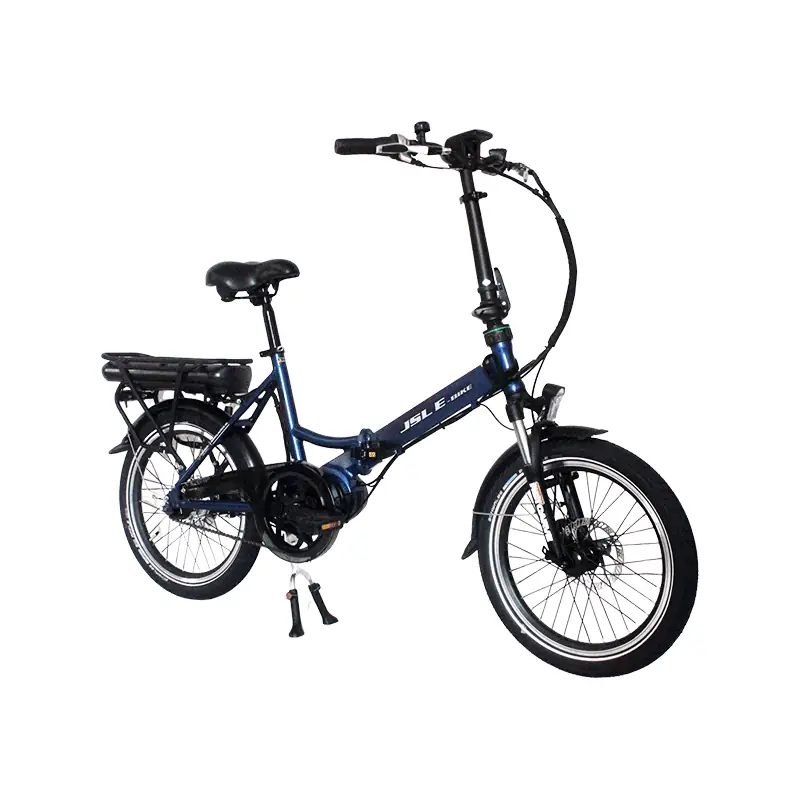
The dominant European e-bike is a pedal-assist (PAS) model2, making up 77% of the market. It typically features a mid-drive motor (63% share) and a lithium-ion battery. The key is not basic configuration, but application-specific design and quality components that meet market needs.
To succeed in Europe, you have to build what people actually want to buy. And more importantly, you have to build what is legally allowed. The market has very clear technical standards and user preferences. Trying to introduce a product that ignores these realities is a quick way to fail. Instead, the opportunity lies in perfecting the formula and innovating within the established categories. Let's look at the structure of the market in terms of product, application, and price.
Product & Technology Standards
First, regulation dictates the product. The standard for a typical e-bike in the EU is governed by the EN15194 standard3. This means a motor limited to 250W of continuous power, assistance that cuts off at 25 km/h, and a pedal-assist system (PAS) with no throttle. This is non-negotiable for mass-market compliance. As a result, PAS bikes dominate with a 77% market share. Within this category, mid-drive motors are the preferred choice for a quality feel, commanding a 63% share of the motor market. And lithium-ion batteries are so universal they are on nearly 100% of e-bikes. This standardization means you can't win on basic specs. You have to differentiate with quality, reliability, and design tailored to a specific use case.
Key Applications & Growth Areas
So, what are people using these e-bikes for? Urban commuting is by far the biggest application, making up 73% of the market. This is the bread and butter. However, the most exciting story is in the growth figures. The single fastest-growing segment is cargo e-bikes, with a projected CAGR of 3.84%. This points directly to the rise of commercial use and families looking for car alternatives. The message for any brand or importer is crystal clear: the most certain path to success is to have a strong offering in both the city commuter and cargo bike categories.
The Shift in Pricing
The European customer is showing a clear preference for quality. While the largest volume of sales happens in the $1,500–$2,499 price range, the fastest-growing segment is the tier just above it: $2,500–$3,499. The low-end, sub-$1000 market is being squeezed. This is a clear signal of premiumization. Customers are willing to invest more for better performance, durability, and features. They have learned that a cheap e-bike can cost more in the long run with maintenance and reliability issues. For us as a manufacturer, this validates our focus on high-quality components and robust manufacturing processes.
Where Are the Hidden Opportunities for E-Bike Brands and OEMs?
Are you just trying to sell more bikes through old channels? This approach is becoming less effective. You could be missing out on new business models that offer better profits and stability.
The biggest opportunities lie in new business models. The shift from "buying" to "leasing" creates demand for fleet customization. The rise of commercial cargo e-bikes opens a high-profit niche. And the growing online channel offers a direct path to customers.
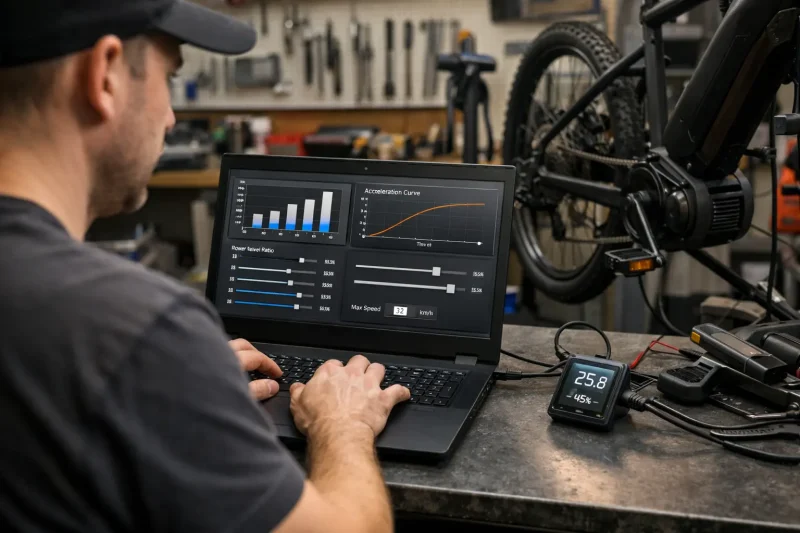
In a mature market, the biggest wins often come from looking at the business model, not just the product. How people buy, use, and maintain e-bikes is changing. For an OEM/ODM partner like us, this is where we can add the most value. We don't just assemble bikes; we help our clients build businesses around these new trends. The smartest brands aren't just selling bikes; they're selling solutions. Here are the trends creating the most valuable opportunities right now.
Trend 1: The "As-a-Service" Model
The shift from ownership to usership is a massive trend across many industries, and it has firmly arrived in the e-bike world. Corporate leasing programs are taking off because they can reduce a company's fleet costs by 30-50%. For a manufacturer, this is a game-changer. It means we can work directly with fleet operators to design bikes built for their specific needs: extreme durability, low maintenance, and integrated technology for tracking. This leads to stable, long-term contracts for customized e-bikes, which is a much more predictable business than seasonal consumer retail.
Trend 2: Commercial Cargo is Booming
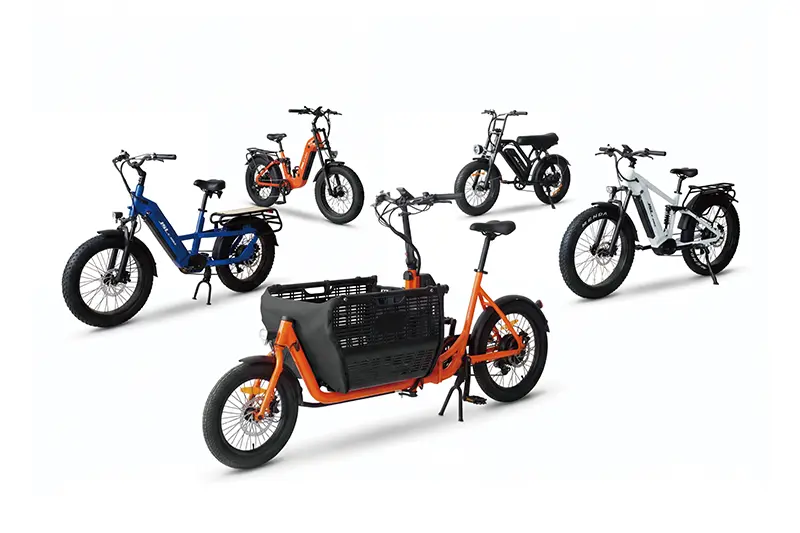
Cargo e-bikes have moved from a niche curiosity to a serious business tool. A delivery company can reduce its last-mile costs by up to 25% by switching from vans to cargo e-bikes in dense urban areas. With modern designs capable of carrying up to 200kg, they are a real alternative. This makes cargo e-bikes a high-value, high-profit product. As an OEM, we have the engineering capability to create highly customized cargo solutions. We can design unique frames, integrate specialized front or rear cargo systems, and build bikes that meet the heavy demands of daily commercial work.
Trend 3: New Tech for New Demands
The rise of fleets and leasing models puts a premium on one thing: low maintenance. Fleet managers don't have time for constant adjustments and repairs. This is why technologies like belt drives are rapidly gaining popularity. A belt drive is clean, quiet, and can last for thousands of kilometers with virtually no maintenance, unlike a traditional chain. When you pair a belt drive with an internal gear hub, you get a nearly maintenance-free drivetrain. This "belt + internal gear" combination is quickly becoming the gold standard for modern city, commuter, and fleet bikes. It's a key feature that smart brands are building into their premium offerings.
What Challenges and Competitors Should You Watch Out For?
Think the market is an easy win? High costs, lingering inventory issues, and new types of competitors can stop your growth. Ignoring these risks is a recipe for failure.
The main challenges are high battery costs and a slow recovery from the post-pandemic inventory crisis. The competitive landscape is also changing. It’s not just other bike brands; fleet platform operators are becoming the new gatekeepers, controlling large-scale purchasing decisions.
No market analysis is complete without a realistic look at the challenges. While the opportunities are significant, there are hurdles to overcome and a shifting competitive field to navigate. Being aware of these issues is just as important as knowing where the growth is. In my experience, preparing for the challenges is what separates the successful brands from the ones that stumble.
Overcoming Market Hurdles
The single biggest barrier to wider adoption remains the high cost of e-bikes, driven primarily by the price of batteries. This is especially true in Eastern European markets where purchasing power is lower. Another major issue is the post-pandemic inventory crisis. Many dealers over-ordered in 2021 and 2022 and are still working through that excess stock. This means they are cautious about placing large new orders. We don't expect a sudden boom in OEM orders; instead, it will be a period of steady, strategic recovery. Finally, inconsistent regulations across different countries, especially for high-speed S-Pedelecs, create complexity and limit the growth of that premium segment.
Understanding the New Competition
The competitive landscape is moderately fragmented, but the most important change is who the "customer" is. The power is shifting.
| Player Type | Focus | Key Characteristic |
|---|---|---|
| European Brands | High-End (e.g., Riese & Müller) | Strong brand prestige, focus on premium quality. |
| Asian Manufacturers | Price Competition | Capable of mass production, but limited by EU tariffs. |
| New Players | Fleet Platforms & Operators | Control purchasing, demand durability, IoT, and service. |
Traditionally, we sold to distributors and wholesalers who then sold to dealers. Now, a new and powerful player has emerged: the fleet platform operator. These companies manage large fleets for delivery or corporate leasing4. They are becoming the new gatekeepers, and their purchasing decisions are based on total cost of ownership, durability, and connectivity—not just brand name. For an OEM like us, this is a huge opportunity. We can build direct relationships with these operators and become their strategic manufacturing partner, providing the exact custom solutions they need.
Conclusion
In short, the European e-bike market is now driven by policy and B2B needs. Success depends on focusing on cargo, leasing models, and fleet customization, not just retail sales.
Learn about the steady growth rate of the e-bike market and what it means for future investments. ↩
Find out why PAS models are preferred by European consumers and how they comply with regulations. ↩
Learn about the technical standards governing e-bikes in Europe and their importance for market compliance. ↩
Discover how corporate leasing programs are driving demand for e-bikes as employee benefits and sustainability tools. ↩