Selling e-bikes globally1 is a huge opportunity. But confusing regulations can stop your business in its tracks. You need to know the rules to succeed.
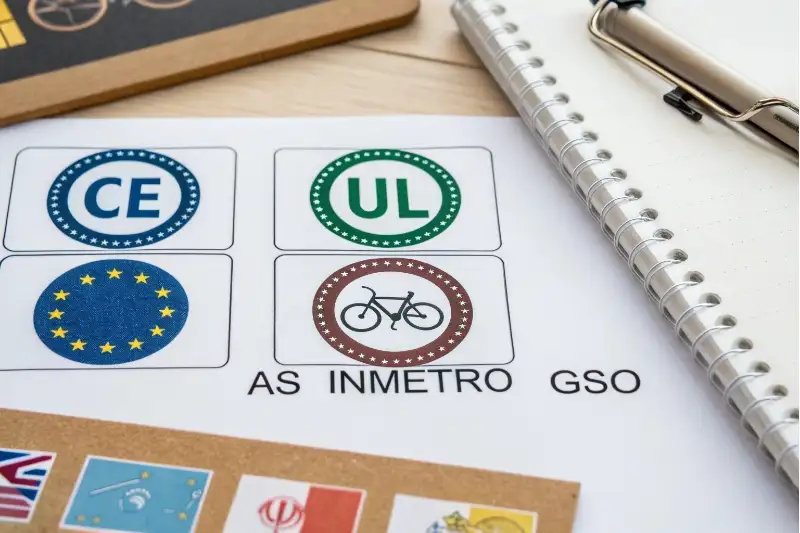
To sell e-bikes globally, you need specific certifications2 for each market. The main ones are CE for Europe3, UL and CPSC for the US4, and others like AS for Australia5, INMETRO for Brazil6, and GSO for the Middle East7. Each one covers different safety and quality standards.
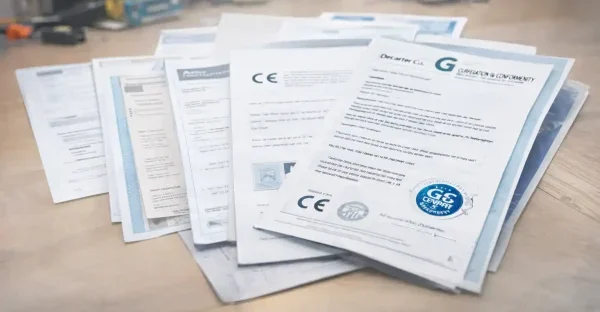
Navigating the world of e-bike certifications can feel like a maze. We've been doing this for over two decades, and I've seen how these rules can make or break a new e-bike brand. Getting the right certification is not just about following rules. It's about ensuring your product is safe, reliable, and ready for your target market. It’s the key to building trust with your customers and growing your business without any costly surprises. Let's break down what you need to know for the world's biggest e-bike markets.
What Certifications Do You Need for the European Market?
Entering the huge European market is exciting. But without the right paperwork, your products will never leave the port. This can cause major delays and kill your launch.
For Europe, you mainly need CE certification, which shows your e-bike meets health, safety, and environmental rules. The key standard is EN 151948. E-Mark certification9 is also needed for specific components like lights and electronics to ensure they are road-safe.
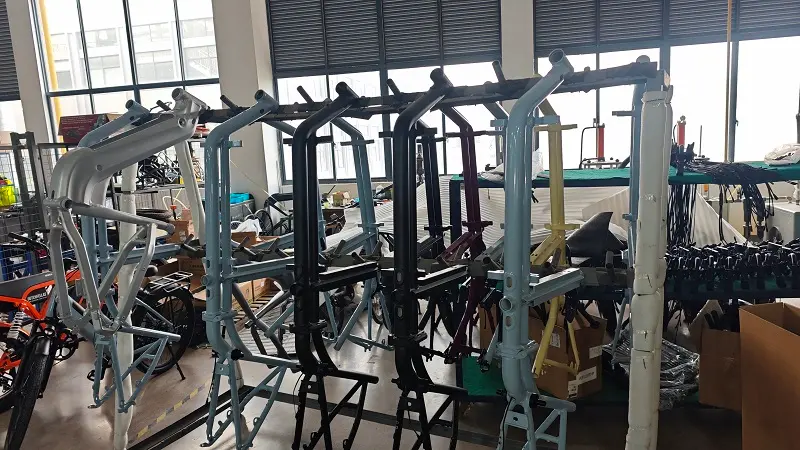
Let's dive deeper into European rules. The CE mark is your master key. It's a declaration from us, the manufacturer, that the e-bike meets all EU directives. For e-bikes, the most important standard is EN 15194. This standard is very specific. It limits the motor's continuous power to 250 watts and cuts off assistance at 25 km/h. Also, the motor should only work when you are pedaling; a throttle that works without pedaling is generally not allowed. We design our drive systems to follow these rules perfectly.
Another one is E-Mark. Think of it as a specific approval for vehicle parts. While CE covers the whole bike, E-Mark certifies individual components like headlights, taillights, and reflectors. This ensures they meet the strict visibility and safety standards for European roads.
Here is a simple table to show the difference:
| Certification | What It Covers | Main Goal |
|---|---|---|
| CE Mark | The entire electric bicycle as a product | Health, Safety, and Environmental |
| E-Mark | Specific components (lights, electronics) | Road Safety and Vehicle-Part Compliance |
For cargo e-bikes, there's another standard, EN 17860, which has special requirements for stability and load-bearing. We have helped many clients develop compliant cargo bikes by engineering the frames and testing them to meet these exact rules.
How Do US Certifications Like UL and CPSC Differ?
The US market has its own set of tough safety standards. If your e-bike doesn't meet them, you face recalls and legal issues. This can damage your brand's reputation.
In the US, UL certification is a strict standard for the entire electrical system, including the battery and motor. CPSC certification10 focuses on the mechanical safety of the consumer product, like the brakes, frame, and overall stability, to prevent injuries during use.
The US takes electrical and mechanical safety very seriously. UL certification, especially UL 284911, is the gold standard for the e-bike's electrical system. It's much stricter than CE in some ways. For example, once a product is UL certified, you cannot change any of the key components. If we certify a bike with a specific battery and controller, you must use those exact parts. UL inspectors can check this. We manage our supply chain carefully to ensure every bike we produce for a UL-certified project uses the exact same approved components.
Then there is the CPSC. The Consumer Product Safety Commission wants to make sure products sold in the US are safe for people to use. For e-bikes, this means they check things that could cause an accident. Are the brakes strong enough to stop the bike at speed? Is the frame durable enough not to crack? Is the bike stable during turns? We conduct rigorous stress tests on our frames and braking systems to ensure they pass CPSC requirements with flying colors.
Here’s how they compare:
| Certification | Focus Area | Key Concern |
|---|---|---|
| UL | Electrical System | Fire and electrical shock prevention |
| CPSC | Mechanical & Physical Parts | Preventing rider injury from product failure |
What About International and Australian Standards?
Beyond Europe and the US, other markets have their own rules. If you ignore them, you can't sell there. Australia is a growing market with specific safety expectations.
The key international standard is ISO 421012, which sets safety requirements for bicycles and can be applied to e-bikes. In Australia, e-bikes must meet Australia Standards (AS)13, which are similar to European rules but have their own local requirements for safety and performance.
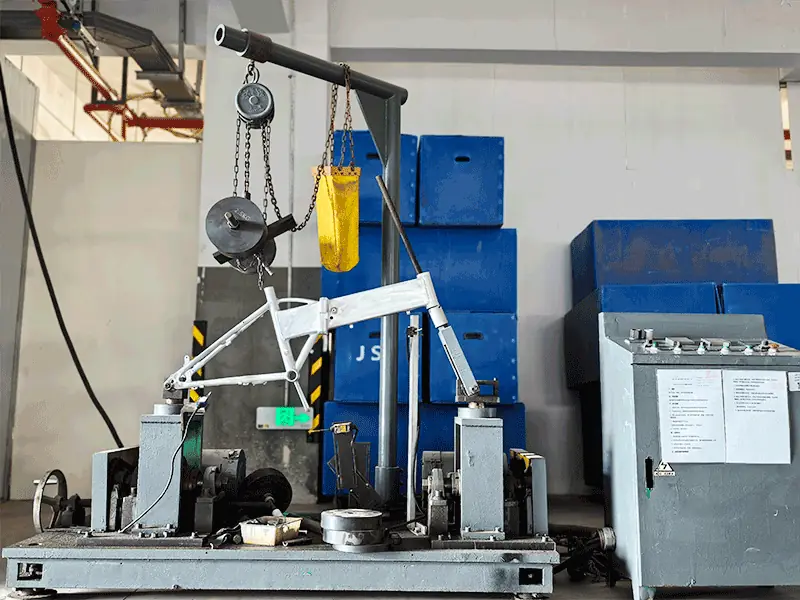
ISO standards help create a global baseline for quality and safety. ISO 421012 is a big one. It covers the safety requirements for the design, assembly, and testing of bicycles. Many of its principles are adapted for e-bikes. As an ISO 9001 certified manufacturer, we use these quality management principles in everything we do. This makes it easier for us to meet the requirements of other specific certifications2 because our foundation is already strong. Think of ISO as building a strong, reliable house.
Down in Australia, the rules feel familiar if you know the European standards. They have their own Australia Standards (AS). For e-bikes, the rules are very similar to Europe's EN 15194. They generally require a pedal-assist system14 with a maximum power of 250 watts. I remember working with an Australian client who wanted to launch a city e-bike line. We were able to adapt one of our European models quickly because the core engineering for the motor and frame already aligned with Australian requirements. We just had to make some small adjustments and handle the local paperwork.
| Standard | Region/Scope | Main Focus |
|---|---|---|
| ISO 4210 | International | General safety requirements for bicycle design, assembly, and testing. |
| AS Standards | Australia | Specific safety and performance rules for the Australian market, similar to EN 15194. |
Are E-Bike Certifications Complex in South America?
South America is a promising market, but the rules can be a moving target. Selling there without understanding the local landscape is risky and can lead to customs issues.
Yes, certifications in South America can be complex. Brazil requires INMETRO certification for electrical and mechanical safety. Other countries may follow Mercosur regional standards15, but rules in major markets like Brazil and Argentina are getting stricter and change often.
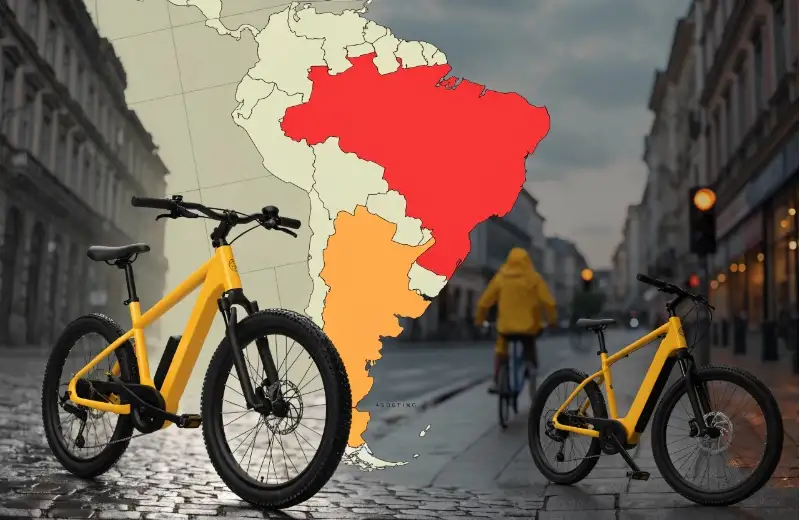
The situation in South America requires you to stay alert. In Brazil, the biggest market, e-bikes need INMETRO certification. This is managed by the National Institute of Metrology, Quality and Technology. It covers electrical safety, mechanical stability, and even environmental rules. It’s a comprehensive check to make sure the product is safe for Brazilians.
For other countries like Argentina and Uruguay, they are part of the Mercosur trade bloc. This means they often try to align their standards. However, in our experience, things are not that simple. Each country can have its own specific import rules. Recently, both Brazil and Argentina have been tightening their requirements. What was acceptable last year might not be this year. I had a client planning a launch in Argentina, and we had to do a last-minute check on a new regulation about battery labeling. It's why having a manufacturing partner who actively tracks these changes is so important. It saves you from having your container of e-bikes stuck at the port because of a small, new rule you missed.
What Should You Know About Middle Eastern Certifications?
The Middle East market has unique challenges, especially the extreme heat. Selling a standard e-bike there without considering this could lead to battery failures and safety hazards.
For the Middle East, you need to follow GSO standards for Gulf countries. Saudi Arabia requires SASO certification16, and the UAE has its own ESMA rules17. All these certifications focus heavily on battery and electrical safety due to the high-temperature environment.
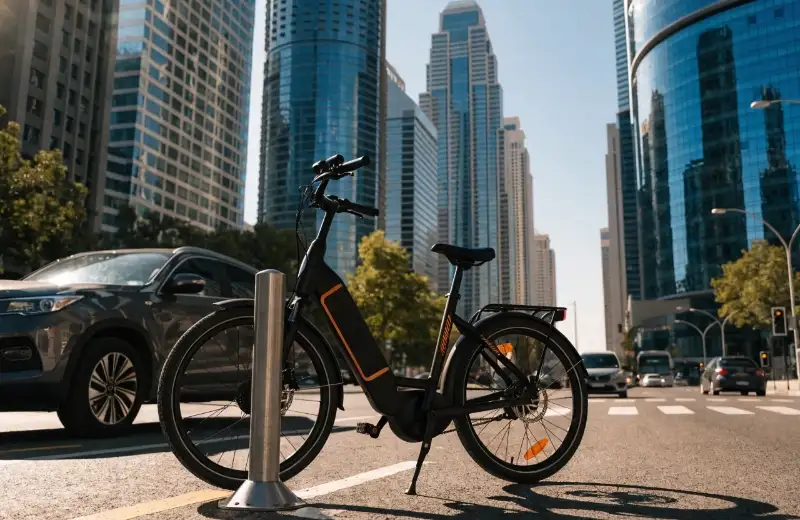
When we design e-bikes for our clients in the Middle East, heat is our number one concern. The certifications in this region reflect that. The Gulf Standardization Organization (GSO) creates standards for countries like the UAE, Saudi Arabia, and Qatar. If you want to sell in this region, your e-bike must be GSO-compliant.
Individual countries also have their own powerful standards bodies. In Saudi Arabia, you need to meet the requirements of the Saudi Standards, Metrology and Quality Organization (SASO). In the United Arab Emirates, it's the Emirates Authority for Standardization and Metrology (ESMA). All of them pay extra attention to the battery and electrical systems. They want to be sure that the battery management system (BMS)18 can handle high ambient temperatures without overheating or losing performance. We use specific battery cells and BMS technology designed for high-heat environments for all our projects in this region. This ensures the bikes are not just compliant, but also safe and reliable for daily use in a hot climate.
| Certification | Country/Region | Key Focus |
|---|---|---|
| GSO | Gulf Cooperation Council (GCC) | Regional quality and safety standards |
| SASO | Saudi Arabia | National safety, quality, and environmental |
| ESMA | United Arab Emirates (UAE) | National safety, especially for batteries |
Why Is Battery Certification a Separate, Crucial Step?
You might think certifying the e-bike is the final step. But if you can't ship the product, your business is at a standstill. The battery is treated as a hazardous material.
Battery certification is a separate, vital step because batteries are classified as dangerous goods for shipping. All lithium-ion batteries must pass UN38.3 testing19 to be transported legally by air or sea. This is a global requirement, separate from the e-bike's own certification.
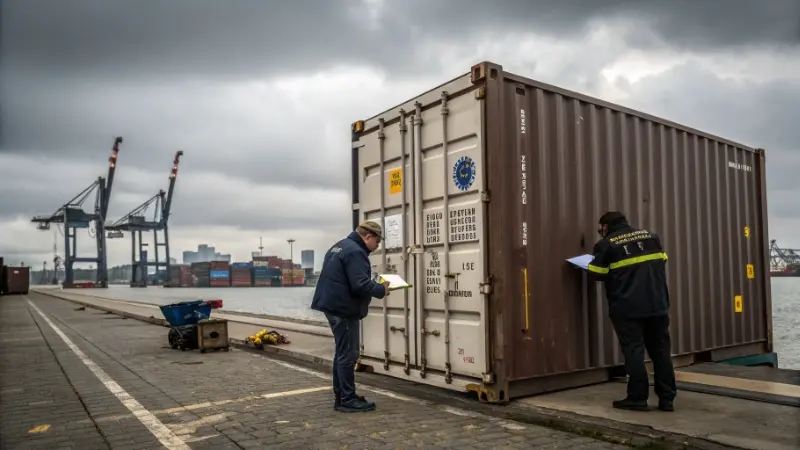
This is a detail that many new brands miss. Even if your e-bike is fully CE or UL certified, you cannot ship it without the battery also having its own certification. The most important one is UN38.3. This is a United Nations standard for the transportation of lithium-ion batteries. It is not optional; it is required by law for air and sea freight.
The UN38.3 test is intense. It simulates a variety of tough conditions that a battery might face during shipping. This includes altitude simulation (low pressure), thermal tests (extreme temperature changes), vibration tests, and shock tests. The goal is to ensure the battery will not catch fire, leak, or explode during transit. As a manufacturer, we ensure that all the battery packs we produce, whether for our standard models or custom OEM projects, are sourced from suppliers who provide full UN38.3 test reports. This prevents any last-minute shipping nightmares and ensures your products arrive safely at their destination. It’s a critical piece of the puzzle for any global e-bike business.
Conclusion
Understanding e-bike certifications is key to global success. Each market has unique rules, from Europe's CE to America's UL, but working with an experienced partner makes navigating them simple.
Explore the potential and challenges of entering the global e-bike market to expand your business horizons. ↩
Learn about the essential certifications required for e-bike sales in different international markets to ensure compliance. ↩
Understand the importance of CE certification for entering the European e-bike market and ensuring product compliance. ↩
Discover the key safety standards for selling e-bikes in the US and how they protect consumers. ↩
Find out how AS certification aligns with European standards and what it means for e-bike sales in Australia. ↩
Learn about the comprehensive safety and quality checks required for e-bikes in Brazil's market. ↩
Explore the regional standards for e-bikes in the Middle East and their focus on safety in high temperatures. ↩
Understand the specific requirements of the EN 15194 standard for e-bikes to ensure compliance in Europe. ↩
Learn about the importance of E-Mark certification for ensuring road safety of e-bike components in Europe. ↩
Find out how CPSC certification ensures mechanical safety and prevents injuries for e-bike users in the US. ↩
Discover the significance of UL 2849 in ensuring the electrical safety of e-bikes in the US market. ↩
Explore how ISO 4210 sets a global baseline for bicycle safety and its application to e-bikes. ↩
Understand the local safety and performance requirements for e-bikes in the Australian market. ↩
Explore how pedal-assist systems work and their importance in meeting international e-bike standards. ↩
Learn about the regional standards affecting e-bike sales in South American countries like Argentina and Uruguay. ↩
Discover the national safety and quality standards for e-bikes in Saudi Arabia's market. ↩
Find out about the specific safety standards for e-bikes in the UAE, focusing on battery safety. ↩
Discover how BMS technology ensures the safety and reliability of e-bikes, especially in extreme climates. ↩
Understand the critical safety tests required for shipping lithium-ion batteries used in e-bikes. ↩