Choosing your first e-bike model is tough. A wrong pick wastes resources and delays success. We'll guide you to the right choice for a strong market entry.
For new brands, starting with City E-Bikes is the smartest move. They offer low production costs and high market demand. As your business grows, you can expand into niche, higher-profit models like Fat Tire and Cargo E-Bikes to capture different customer segments.
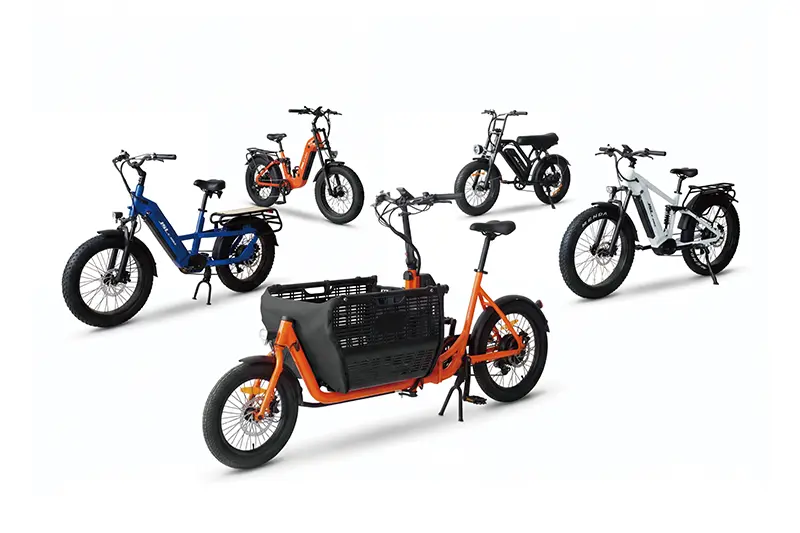
Choosing the right starting point is crucial for any new e-bike brand. It sets the foundation for your future growth and profitability. Let's dive deeper into each category to see which one fits your business goals best. We will start with the most common choice: the city e-bike.
Why Are City E-Bikes the Safest Bet for New Brands?
Want a low-risk market entry? High costs and niche products are dangerous for new brands. City e-bikes provide a safe, high-demand starting point for building your business.
City e-bikes are the safest bet because of their massive market demand for urban commuting. They have lower production costs, are easier to get certified due to standard 250W motors, and appeal to a wide, price-sensitive audience, ensuring quicker sales and brand growth.
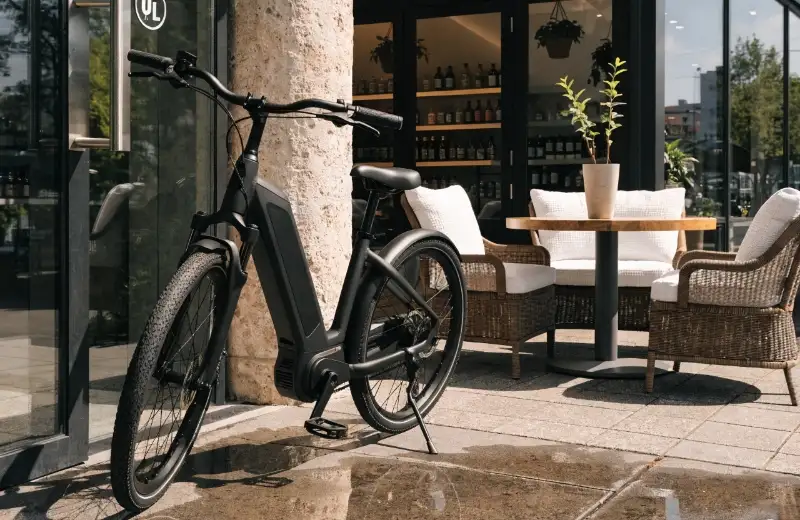
I remember a client who was hesitant about where to start. We advised them to launch with a simple city e-bike line. The lower initial investment allowed them to focus on marketing and building their brand identity. Within a year, they had captured a significant market share and were ready to expand their product line. This approach works because it aligns perfectly with the needs of a new business.
Target Market and Key Features
City e-bikes are designed for urban commuters and people who need a reliable vehicle for short trips. The design is simple, lightweight, and user-friendly. The motor is typically 250W, which provides a smooth assist without being overpowering. This power level is also compliant with regulations in many regions, especially in Europe. This makes the certification process much faster and cheaper.
Strategic Advantages for Manufacturers
For a new brand, cash flow and market penetration1 are everything. City e-bikes are excellent for both. Their production costs are relatively low, which means you can offer them at a competitive price. This attracts price-sensitive customers and helps you build sales volume quickly.
| Feature | City E-Bike Specification | Benefit for New Brands |
|---|---|---|
| Motor Power | 250W | Regulation-friendly, lower cost |
| Battery | 250Wh - 500Wh | Sufficient for daily commutes, affordable |
| Target User | Urban Commuters | Large, established market |
| Price Point | Entry-level to Mid-range | High sales volume potential |
Is a Fat Tire E-Bike Your Ticket to the High-End Market?
Finding it hard to stand out in the crowded e-bike market? Low margins on basic models can stall growth. Fat tire e-bikes offer a path to higher profits.
Yes, fat tire e-bikes can be your ticket to the high-end market. They appeal to recreational and off-road riders willing to pay more for performance and versatility. This niche allows for higher price points, better profit margins, and helps establish your brand as premium.
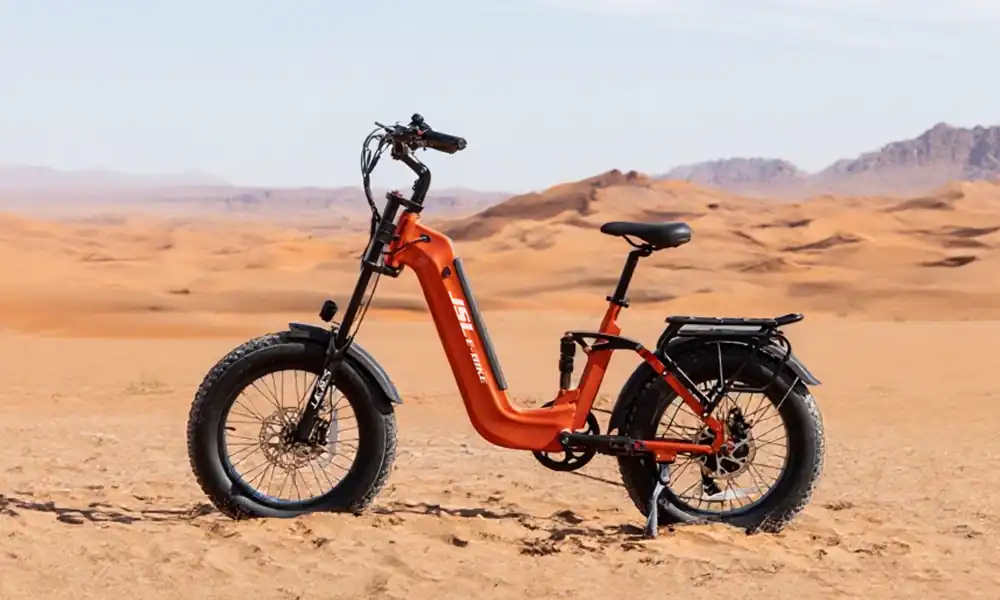
Once you have established your brand with city e-bikes, you can start looking at more specialized markets. Fat tire e-bikes are a perfect next step. They target a completely different customer: the adventurer, the weekend warrior, and the person who wants a bike that can handle any terrain. We helped a client add a fat tire model to their lineup, and it quickly became their most profitable product. Customers loved the unique riding experience and were happy to pay a premium for it. This move elevated their brand image from a simple commuter brand to a lifestyle and adventure brand.
Unlocking the Recreational Market
The market for leisure and outdoor recreation is growing fast. People want products that support their hobbies. Fat tire e-bikes fit this trend perfectly. Their wide tires provide stability and grip on sand, snow, and rough trails. This versatility opens up new sales opportunities in regions with diverse landscapes, like North America.
Technical Specs and Profit Potential
These bikes require more powerful components. They usually have motors of 500W or higher and larger batteries to support longer, more demanding rides. The frames are also built to be more robust. These higher-spec components increase the production cost, but they also justify a much higher retail price. The profit margin on a single fat tire e-bike can be significantly higher than on a city e-bike.
| Feature | Fat Tire E-Bike Specification | Benefit for Established Brands |
|---|---|---|
| Motor Power | 500W or higher | High performance for off-road |
| Tires | Wide, all-terrain | Versatile for sand, snow, mud |
| Target User | Outdoor Enthusiasts | Niche, high-value market |
| Price Point | Mid-range to High-end | Higher profit margins |
Could Cargo E-Bikes Be Your Most Profitable B2B Opportunity?
Looking for large, consistent orders? The consumer market is volatile and expensive to enter. The B2B cargo e-bike market offers a stable, high-demand alternative for your business.
Absolutely. Cargo e-bikes represent a huge B2B opportunity. The demand for last-mile delivery2 and green logistics3 is booming. These bikes command higher prices and are often ordered in bulk by businesses, leading to significant, stable revenue and high-profit margins.
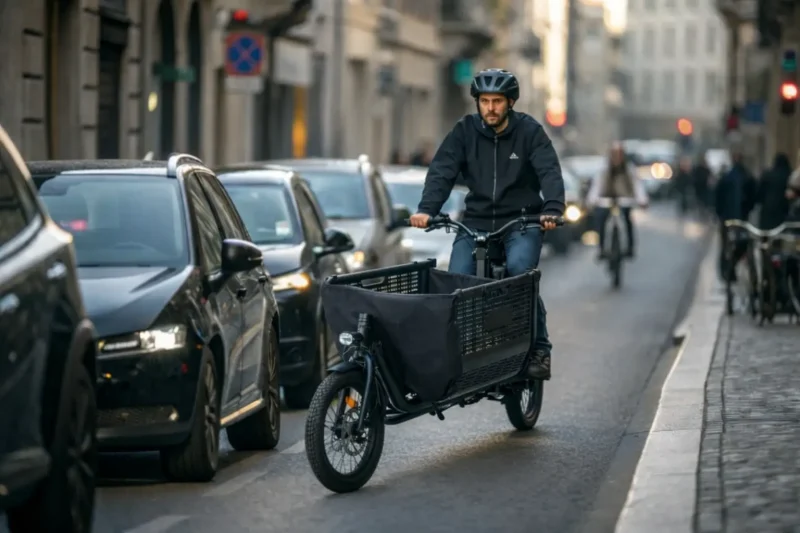
For brands ready to scale, the commercial market is a fantastic opportunity. We've worked with companies that specialize in building cargo e-bikes for logistics providers. The key here is not just selling a bike, but providing a complete business solution. These clients need reliability, high load capacity, and customization options. A successful B2B partnership can lead to large, recurring orders that provide a stable revenue stream for your manufacturing facility. Focusing on the B2B market with cargo e-bikes can transform your business from a consumer brand into a key player in the commercial mobility industry.
The Rise of Commercial E-Mobility
Cities are getting more congested, and environmental regulations are getting stricter. As a result, companies are looking for efficient and eco-friendly ways to deliver goods. Cargo e-bikes are the perfect solution for "last-mile" delivery. The demand from food delivery services, logistics companies, and even local businesses is growing every year. This is not a trend; it is a fundamental shift in urban logistics.
Design Considerations for B2B Clients
Commercial clients have different needs than consumers. They require bikes that are extremely durable and can carry heavy loads. This means reinforced frames4, powerful motors (500W+), and very large batteries (500Wh to 1000Wh) for all-day operation. Customization is also key. Businesses may need specific cargo racks, branding, or integrated technology. Providing these options can help you win large contracts.
| Feature | Cargo E-Bike Specification | Benefit for B2B-focused Brands |
|---|---|---|
| Load Capacity | High, with reinforced frames | Meets commercial delivery needs |
| Motor Power | 500W or higher | Handles heavy loads with ease |
| Target User | Logistics, Delivery Companies | Large, stable B2B orders |
| Key Selling Point | Durability and Customization | High unit price and profit |
Conclusion
Start with city e-bikes for market entry, then expand to high-profit fat tire and B2B cargo models. This strategic path ensures stable growth and long-term success for your brand.
Focusing on high-demand, affordable models like city e-bikes allows brands to build sales volume and establish a strong market presence quickly. ↩
Cargo e-bikes are efficient and eco-friendly, making them ideal for last-mile delivery in congested urban areas. ↩
Cargo e-bikes support sustainable urban logistics, helping businesses reduce their carbon footprint while maintaining efficiency. ↩
Reinforced frames ensure durability and high load capacity, meeting the needs of commercial clients in logistics and delivery. ↩