Struggling to find new, high-growth markets for your e-bike business? Missing out on a booming region could mean leaving significant revenue on the table. It's time to look east.
Yes, the Middle East is rapidly becoming a key market for electric bikes. The market is projected to grow from $73.07 million in 2025 to $105.8 million by 2029. This boom is fueled by government investment1, a growing demand for sustainable transport2, and new technology.
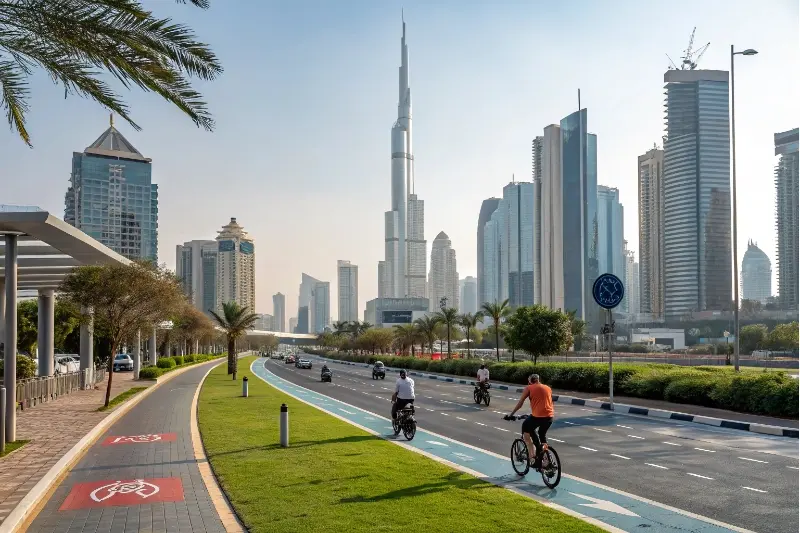
This region is transforming before our eyes. For over 20 years, I've watched markets evolve, but the speed of change in the Middle East is something special. It's not just about selling bikes; it's about being part of a fundamental shift in how people live and move. For businesses ready to adapt, the opportunities are immense. Let's explore what's making this market so exciting.
What's Fueling the E-Bike Boom in the Middle East?
Wondering what’s behind this explosive growth? Without understanding the core drivers, you can't build an effective market strategy. Key factors like government spending and green initiatives are creating massive demand.
The growth is mainly fueled by huge government investments in cycling infrastructure3, like the UAE's plan for extensive new bike lanes. Also, a growing environmental awareness and a shift toward sustainable urban mobility are major drivers, making e-bikes a popular solution.
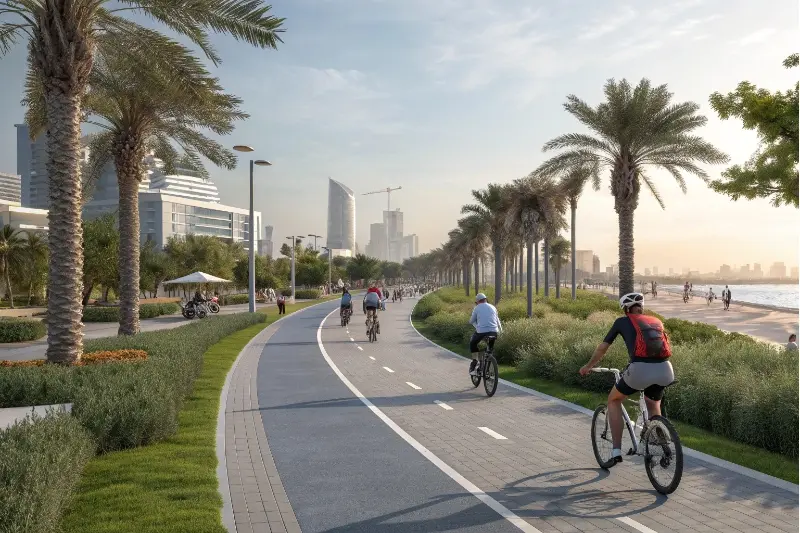
When we develop e-bikes for new markets, we always look at the underlying support structure. Seeing governments invest heavily is the biggest green flag for us as manufacturers. It tells me there's a long-term vision. In the UAE, the plan to build between 463 and 759 kilometers of dedicated bike lanes by 2026 is a game-changer. This isn't just a proposal; it's concrete and steel creating a safe and inviting environment for riders. This directly addresses one of the biggest barriers to cycling adoption anywhere in the world: safety.
This government push is matched by a cultural shift. As cities like Dubai and Riyadh expand, traffic congestion becomes a daily headache. People are actively looking for smarter, greener ways to get around. E-bikes provide the perfect answer for daily commutes and that critical "last-mile" of a journey. This trend is amplified by the rise of e-commerce, which has made it easier than ever for consumers to research and purchase e-bikes online.
Here’s a breakdown of the main factors:
| Driving Factor | Impact on the E-Bike Market |
|---|---|
| Government Infrastructure | Creates safe, dedicated spaces for riding, boosting consumer confidence. |
| Sustainable Initiatives | Aligns with national goals (e.g., Saudi Vision 20304), promoting e-bikes as a green solution. |
| Urbanization & Traffic | Positions e-bikes as a practical alternative to cars for short-distance travel. |
| E-commerce Growth | Simplifies the purchasing process and expands consumer access to different brands. |
Which E-Bike Models and Technologies Are Winning in the Middle East?
Don't know which products to offer in this new market? Selling the wrong type of e-bike is a costly mistake. Understanding the specific segments and technology trends is crucial for success.
Pedal-assist city e-bikes are the clear leaders, projected to hold an 82% market share in 2024. For power, lithium-ion batteries are the standard, making up about 70% of the market due to their superior efficiency, fast charging, and long lifespan.
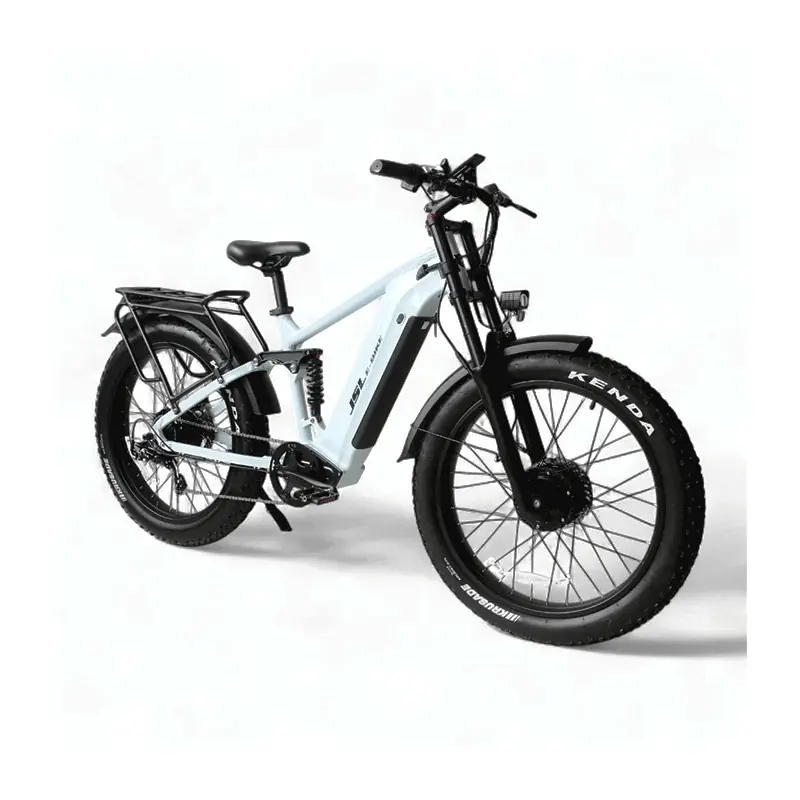
From our experience as an OEM/ODM manufacturer, product-market fit is everything. In the Middle East, the demand is clear. The urban commuter is the primary customer. They need a reliable, comfortable, and efficient bike for daily use. That's why city e-bikes with pedal-assist (pedelec) systems are dominating. This system feels natural to new riders and complies with local regulations. While throttle-assisted e-bikes are growing, especially for users who want a more effortless ride, pedelecs are the core of the market.
Battery technology is another critical area. While cheaper lead-acid batteries still have a small presence among very price-sensitive buyers, the market overwhelmingly prefers lithium-ion. As a battery solutions provider, we see this firsthand. Clients demand high-capacity, long-lasting, and lightweight batteries that can handle the region's heat and deliver consistent performance. This is why our focus is on advanced lithium-ion battery packs with robust Battery Management Systems (BMS)5 to ensure safety and longevity.
Here’s a closer look at the key product trends:
E-Bike Categories
- City E-Bikes: The most popular segment, designed for comfort and efficiency on urban roads.
- Speed Pedelecs: A growing niche for users with longer commutes who need higher speeds.
- Fat Tire E-Bikes: Finding a place for recreational use, especially in desert or coastal areas.
Technology Breakdown
| Technology | Market Share (2024 Est.) | Why It's Winning |
|---|---|---|
| Pedal-Assist | ~82% | Intuitive feel, regulatory compliance, efficient power use. |
| Throttle-Assist | Growing Niche | Offers an effortless, scooter-like experience. |
| Lithium-Ion Battery | ~70% | High energy density, long lifespan, lightweight, fast charging. |
| Lead-Acid Battery | Declining | Lower cost but heavy, inefficient, and shorter lifespan. |
Where Are the Biggest Opportunities Within the Middle East E-Bike Market?
The Middle East is a diverse region, not a single market. Focusing on the wrong country is a waste of time and resources. You need to pinpoint the key national markets to maximize your entry.
The United Arab Emirates (UAE) is the largest market, currently holding a 44% share due to strong government support. However, Saudi Arabia is the fastest-growing market, driven by a young population and the ambitious "Vision 2030" plan promoting sustainable transport.
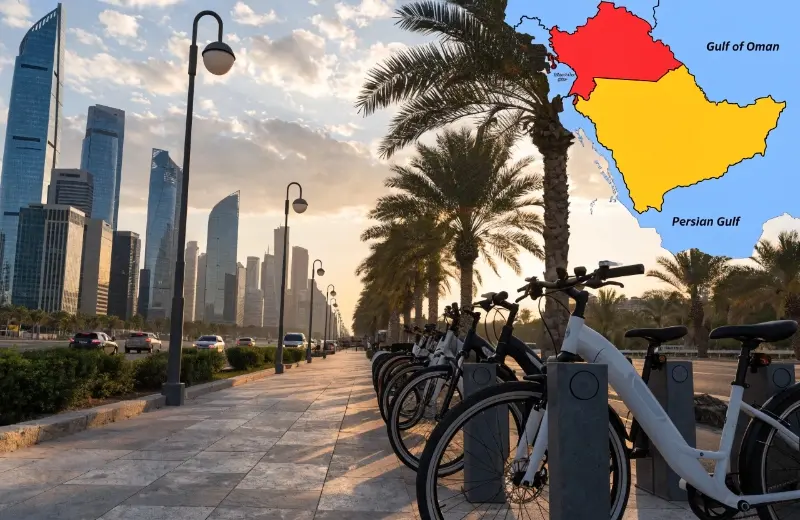
When we advise our partners on market entry, we always start with a regional breakdown. In the Middle East, a two-pronged approach is best.
First, the United Arab Emirates. This is your stable, mature entry point. With 44% of the market share, the UAE has a proven demand for e-bikes. Cities like Dubai and Abu Dhabi have already invested heavily in the infrastructure needed for e-bikes to thrive. The competitive landscape includes major international brands like Giant and Trek, but there's also a growing space for new players, especially those offering customized or private-label solutions. This is a market where quality and brand positioning matter.
Second, Saudi Arabia. This is your high-growth opportunity. The market here is newer but expanding rapidly. The "Vision 2030" national strategy is a powerful catalyst, pushing for modern, sustainable cities. With a large, young, and tech-savvy population, there is a natural appetite for innovative products like e-bikes. As an OEM/ODM provider, we see huge potential here for companies looking to build a brand from the ground up, tailored specifically to the Saudi consumer. Success here will depend on understanding local tastes and building strong distribution partnerships.
Conclusion
The Middle East e-bike market is growing fast, driven by government support, tech innovation, and a cultural shift toward green transport. This region offers enormous opportunities for savvy e-bike businesses.
Understanding government investment can help businesses align with national goals and benefit from infrastructure developments. ↩
Sustainable transport is crucial for reducing environmental impact, and exploring this trend can offer insights into consumer preferences. ↩
Learning about cycling infrastructure can help businesses assess market readiness and potential for e-bike adoption. ↩
Saudi Vision 2030 is a transformative plan that promotes sustainable transport, offering growth opportunities for e-bike businesses. ↩
Battery Management Systems ensure safety and longevity, crucial for maintaining performance in extreme conditions. ↩