Struggling with high shipping costs for bulky cargo e-bikes? These expenses and the risk of damage can seriously hurt your bottom line, making it hard to stay competitive.
To transport cargo e-bikes safely, you need to focus on smart packaging and following regulations. Disassemble removable parts, use foam to protect the frame, and ensure batteries comply with UN 38.3 standards1. This approach minimizes size, reduces costs, and prevents damage during transit.
Getting your cargo e-bikes to your customers safely and affordably is a huge part of running a successful e-bike business. It’s not just about putting a bike in a box; it’s a strategic process that can make or break your profit margins. If you’ve ever felt frustrated by oversized shipping fees or damaged arrivals, you know what I mean. Let's dive into the specific strategies that can transform your shipping process from a headache into a competitive advantage.
How Can Smart Packaging Reduce Your Shipping Costs?
Finding that your cargo e-bikes are just too big and heavy to ship economically? This often leads to high costs that are tough to pass on to your customers.
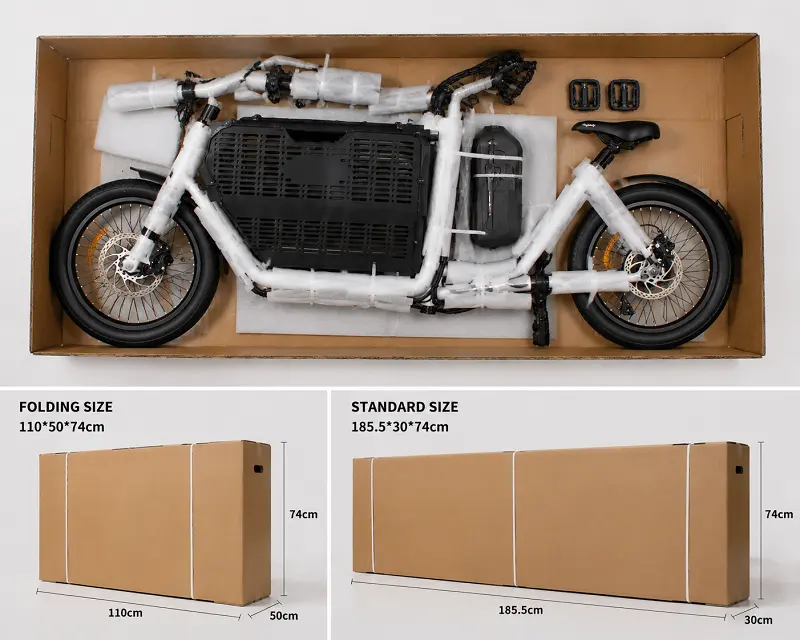
Smart packaging reduces costs by shrinking the box size. For example, our patented minicargo bike design allows a 40-foot container to hold 50 more units than standard models. This also lowers individual shipping fees for retailers and avoids expensive oversized package surcharges from carriers.
The size and weight of a cargo e-bike are the biggest factors in shipping costs. A typical cargo e-bike can weigh between 40-60 kg, but as a manufacturer, we've focused heavily on this. Our new minicargo designs bring the gross weight down to a much more manageable 34-36 kg. This isn't just a small change; it has a huge impact on your logistics chain. For wholesalers ordering by the container, the difference is massive. By compressing the packaging through clever design, we can fit more units into a single container. As I mentioned, we can fit about 50 more bikes per 40' high cube container compared to standard front-cargo models. That's a significant boost to your inventory per shipment, lowering the per-unit freight cost. For retailers who drop-ship or send individual units, this means avoiding those dreaded oversized package fees from carriers, which can range from $30 to $130 (200-900 RMB). It all comes down to a strategic approach to design and packaging that directly benefits your bottom line.
| Feature | Standard Cargo E-Bike | Our Minicargo E-Bike |
|---|---|---|
| Gross Weight | 40–60 kg | 34–36 kg |
| Container Load | Standard | +~50 units per 40' HQ |
| Retail Shipping | High cost + potential surcharges | Lower cost, no surcharges |
| Benefit for B2B | Higher landed cost | Lower landed cost, better margins |
This makes your business far more competitive and profitable.
What Are the Best Shipping Methods for Cargo E-Bikes?
Choosing the right shipping method feels like a gamble. Do you prioritize speed or cost? Making the wrong choice can lead to delays or eat away at your profits.
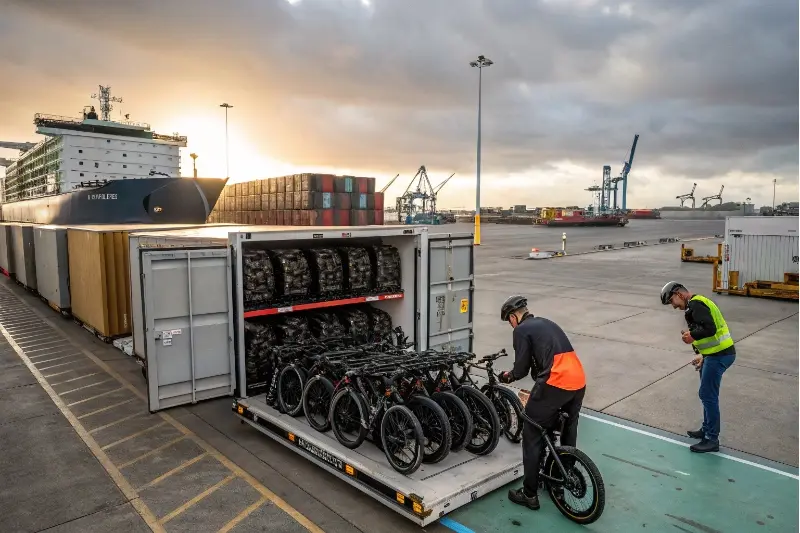
The best method depends on your volume and urgency. Sea freight is ideal for large, cost-sensitive B2B orders. Land freight works well for regional transport, while air freight should be reserved for small, urgent, or high-value shipments due to its high cost, especially with batteries.
Let's break down your options because there's no one-size-fits-all answer here. Your choice will directly impact your delivery timeline and final budget.
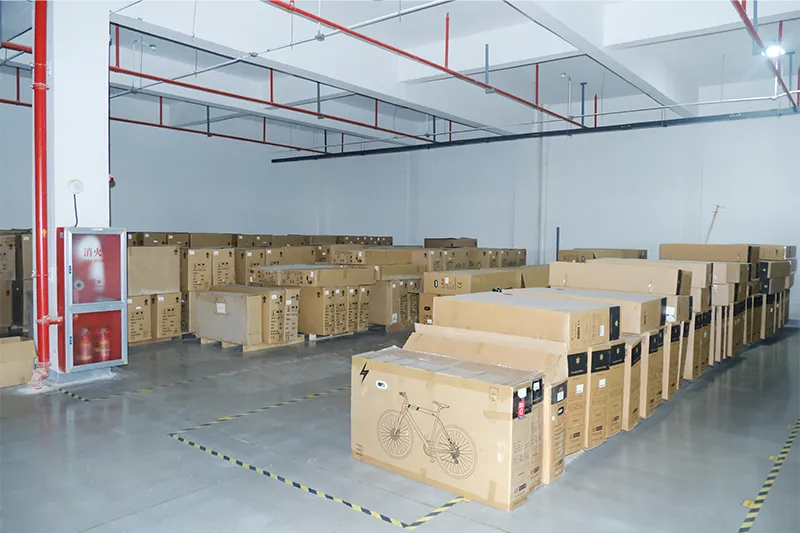
- Sea Freight: This is your workhorse for large-volume B2B shipments. It’s the most cost-effective option by a long shot. However, you must plan for longer transit times, which are typically 20 to 45 days depending on the route. To prevent damage from constant motion and potential moisture, your e-bikes must be securely stacked on pallets or placed in reinforced wooden crates. The batteries must be isolated and labeled as dangerous goods.
- Land Freight: For domestic distribution or shipping to neighboring countries, trucks are an excellent and flexible choice. You can load entire bikes onto pallets, but it's crucial to reinforce the front wheel and cargo basket to prevent movement. Freight is often calculated by weight, so using standard pallet sizes helps streamline handling, reduce labor, and keep costs predictable.
- Air Freight: This is your express option, but it comes at a premium price. It's best reserved for small batches, urgent sample orders, or very high-end products where the client is willing to pay for speed. The biggest hurdle with air freight is always the battery. It must comply with strict IATA dangerous goods regulations. Many forwarders require a DGM certificate, and you'll need a Certificate of Origin. It's simply not economical for bulk cargo e-bike shipments.
| Shipping Method | Best For | Key Consideration | Cost |
|---|---|---|---|
| Sea Freight | Large B2B orders (containers) | Long transit time (20-45 days) | Low |
| Land Freight | Regional & domestic distribution | Use standard pallets for efficiency | Medium |
| Air Freight | Urgent samples, high-value orders | Strict battery regulations (DGM) | High |
How Do You Properly Prepare Cargo E-Bikes for Shipment?
Worried about your e-bikes arriving damaged? Improper preparation can lead to costly returns and unhappy customers, damaging your brand's reputation and your bottom line.
Proper preparation involves disassembly and protection. Remove pedals and fold or detach handlebars and baskets. Wrap the frame, controller, and other sensitive parts in foam and secure them with zip ties. Most importantly, handle the battery according to dangerous goods regulations (UN 38.3) by isolating and packing it separately.
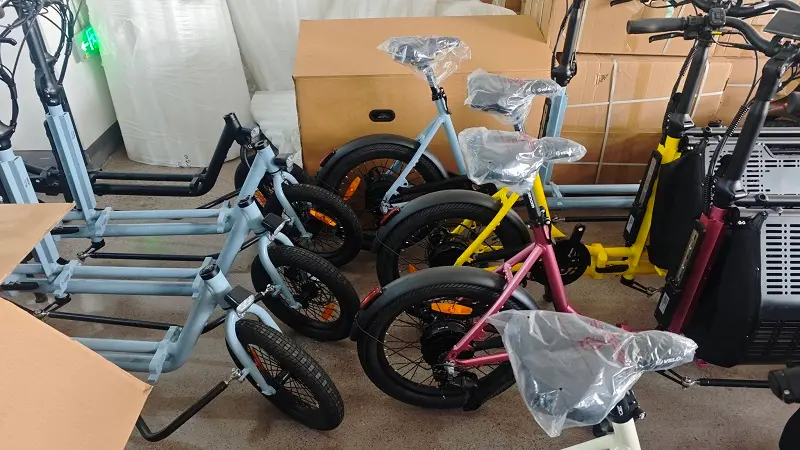
Preparing a cargo e-bike for shipment is a detailed process, but mastering it is crucial for B2B success. First, you need to reduce the bike's dimensional weight. This means disassembling removable components. We always take off the pedals and seat post. For our minicargo models, the front basket and handlebars are designed to be easily folded or detached to create a much more compact package. Next, protection is key. The frame, controller, display, and cargo basket are all vulnerable points. We use thick foam wrap and strong zip ties to secure everything inside a double-walled, heavy-duty cardboard box. This prevents parts from rubbing against each other and absorbing impacts during transit.
The battery is the most critical element. It's classified as a dangerous good, and you must treat it as such. Follow the UN 38.3 standard without fail. This usually means removing the battery from the bike, isolating its terminals with tape, and placing it in its own UN-certified packaging with clear warning labels. You'll also need the right paperwork, like the MSDS, UN 38.3 test report, and sometimes a Dangerous Goods Package Certificate. Choosing a logistics partner who understands lithium battery regulations is non-negotiable. It ensures a smooth customs process and avoids costly delays, seizures, or fines. Finally, I always recommend purchasing shipping insurance, especially for high-value shipments, to protect your investment against damage or loss.
Conclusion
In summary, successful cargo e-bike transport relies on smart packaging, choosing the right shipping method, and strictly following battery safety regulations. These steps will protect your products and profits.
"Transporting Lithium Batteries - PHMSA", https://www.phmsa.dot.gov/lithiumbatteries. UN 38.3 standards outline the testing and safety requirements for lithium batteries during transport, ensuring compliance with international regulations. Evidence role: definition; source type: government. Supports: Batteries must comply with UN 38.3 standards to ensure safe transport.. ↩