Struggling to pick the right wheel size for your e-bike line? A wrong choice can hurt sales and increase costs. Understanding the key differences is crucial for success.
The best wheel size depends on your target market and business goals. 20-inch e-bikes are ideal for urban commuting, portability, and unique styles like fat tires. 26-inch e-bikes offer a traditional ride, better stability for long distances, and are great for suburban or light trail use.
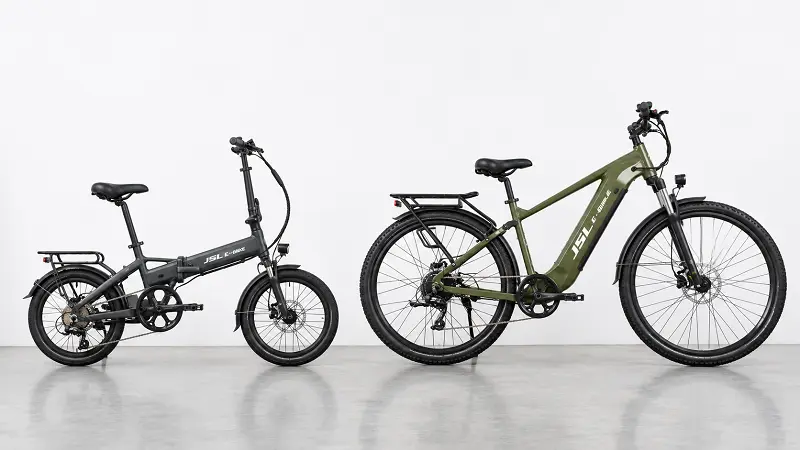
As a manufacturer, I've worked on countless OEM and ODM projects. I often see clients focus only on the look of the bike. But the choice between a 20-inch and a 26-inch wheel goes much deeper. It defines the bike's purpose, its rider, and even your shipping costs. This decision is not just about wheel diameter. It's a strategic choice that impacts the entire product, from its feel and function to its market appeal and profitability. Let's break down what you need to know to make the right call for your brand.
What makes 20-inch e-bikes so popular in urban markets?
City life is crowded and space is a luxury. Big, bulky bikes are difficult to store in small apartments or take on public transport. A 20-inch e-bike is a perfect solution.
20-inch e-bikes are popular in cities because they are compact, agile, and easy to store. Their smaller size is perfect for folding models, fun fat-tire bikes, and short commutes. They match a modern, urban lifestyle where convenience is key.
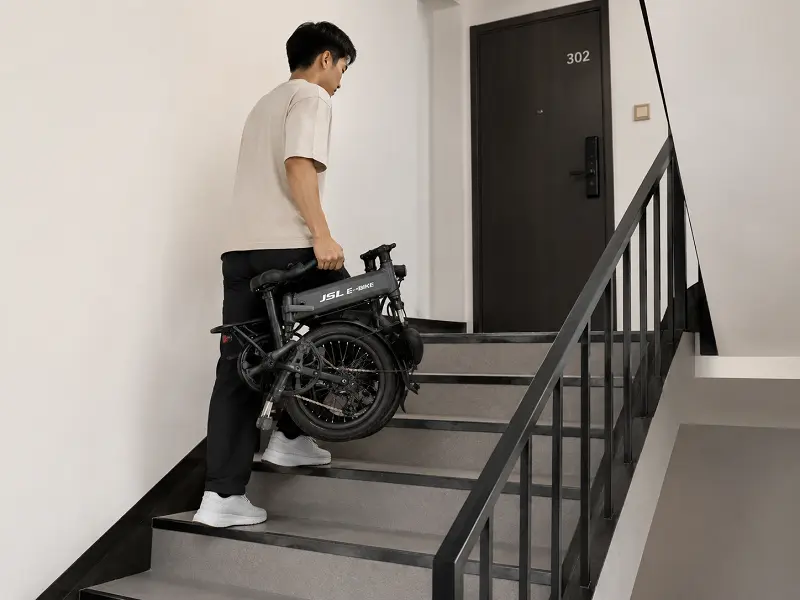
The appeal of 20-inch e-bikes goes beyond just being small. Their compact nature gives them a unique agility that is perfect for navigating busy streets. This smaller wheel size allows us as designers to be more creative. We can build bikes that are not only functional but also visually distinct.
Key Strengths of 20-Inch E-Bikes
- Flexibility and Storage: They are perfect for apartment dwellers, RV users, or anyone with limited space. Folding 20-inch models are especially popular because they can be easily stored under a desk or carried onto a train.
- Unique Visual Styles: The 20-inch platform is very versatile. It's the foundation for many eye-catching designs, like mini cargo bikes or powerful-looking fat tire bikes. A 20-inch fat tire bike, for example, has a strong, aggressive look but doesn't feel overwhelmingly large. This creates a product with high visual differentiation, which is a big advantage in a crowded market.
| Feature | Advantage for Urban Markets | Target User |
|---|---|---|
| Compact Frame | Easy to store in apartments, offices, and RVs. | City dwellers, students, RV owners. |
| Agile Handling | Quick and nimble in traffic. | Urban commuters, delivery riders. |
| Folding Capability | Ultimate portability for multi-modal commutes. | Commuters using public transport. |
| Fat Tire Option | Comfortable ride with a unique, stylish look. | Trend-conscious riders, leisure cyclists. |
This combination of practicality and style makes 20-inch e-bikes a winning choice for brands targeting the urban consumer.
Why do 26-inch e-bikes feel more traditional and stable?
Some riders want an e-bike that feels like a classic bicycle. Small wheels can feel a bit twitchy on long rides or at high speeds. 26-inch wheels provide that familiar stability.
A 26-inch wheel offers better rolling efficiency, just like a traditional bicycle. This larger size provides greater stability at speed and a smoother ride over bumps. This makes it ideal for long commutes, suburban roads, and light off-road trails.
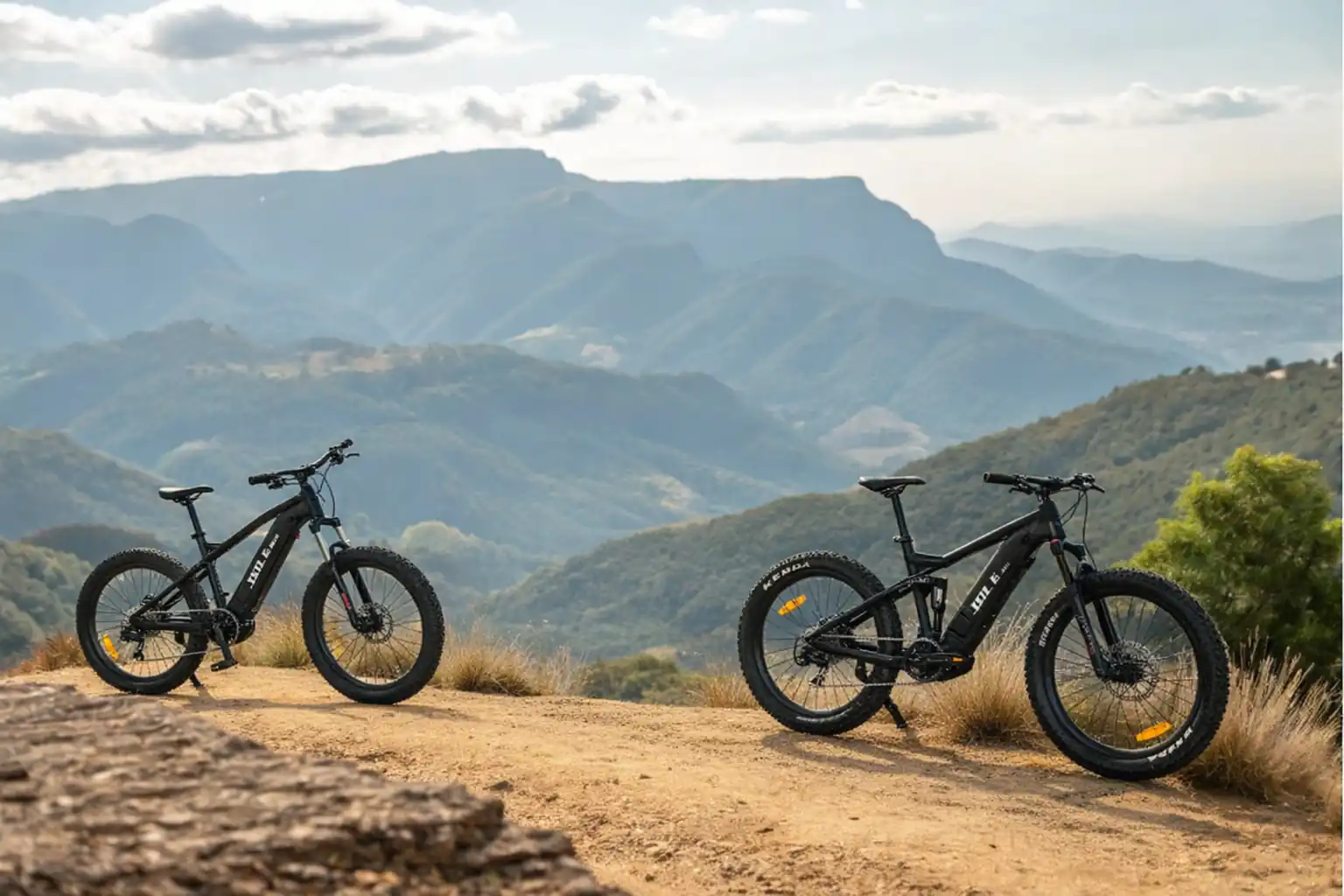
The 26-inch wheel has been a standard in the cycling world for decades, and for good reason. Its size strikes a great balance between rolling over obstacles and maintaining speed. When we add a motor to this platform, we get an e-bike that feels powerful yet predictable. This sense of familiarity is a huge selling point for many customers.
Key Strengths of 26-Inch E-Bikes
- Ride Quality and Efficiency: Larger wheels hold their momentum better. This means the rider and the motor don't have to work as hard to maintain speed over longer distances. The wheel also has a better "angle of attack," so it rolls over cracks and bumps more smoothly than a smaller wheel.
- Stability and Control: The larger contact patch and gyroscopic effect of a 26-inch wheel provide more stability, especially at speeds above 15 mph (25 km/h). This gives the rider more confidence on open roads or light trails. It's a better fit for taller riders who might feel cramped on a smaller bike.
| Feature | Advantage for Traditional Markets | Target User |
|---|---|---|
| Rolling Efficiency | Maintains speed easily for long distances. | Long-distance commuters, touring cyclists. |
| Stability at Speed | Feels secure and predictable on open roads. | Suburban riders, taller individuals. |
| Obstacle Clearance | Rolls over bumps and rough patches smoothly. | Light trail riders, riders on poor roads. |
| Familiar Feel | Rides like a classic bicycle. | Traditional cyclists new to e-bikes. |
For markets where cycling is already a popular form of transport or recreation, the 26-inch e-bike is an easy sell. It offers the benefits of electric assist without asking the customer to adapt to a completely new type of bike.
How does wheel size impact your business's shipping and logistics costs?
Hidden costs can destroy your profit margins. Many of my B2B clients are surprised when they see how much oversized packaging can increase their shipping fees. Choosing the right wheel size can save you a lot of money.
Smaller 20-inch wheels allow for more compact packaging. This means you can fit more units into a shipping container, lowering freight costs per bike. Larger 26-inch bikes require bigger boxes, which increases shipping, warehousing, and final delivery expenses.
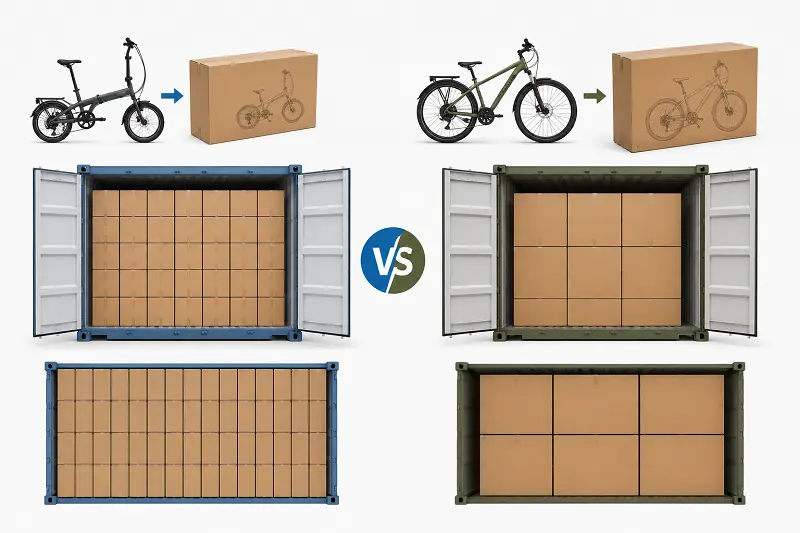
This is a point I always stress with my OEM/ODM partners. Your costs don't end when the bike leaves my factory. They continue all the way to the customer's doorstep. The physical size of the product has a direct impact on your bottom line at every step.
A Look at the Logistics Chain
- Ocean Freight: The goal is always to maximize the number of units in a 40' high-cube container. A bike with 20-inch wheels, especially a folding model, can be packed into a much smaller box. This means you can load more units, significantly reducing the per-unit shipping cost from my factory to your country.
- Warehousing: Once the bikes arrive, they need to be stored. Smaller boxes mean you can fit more inventory into the same amount of warehouse space. This reduces your storage costs and makes inventory management more efficient.
- Last-Mile Delivery: Shipping a large, heavy box to an end customer is expensive. Couriers like FedEx and UPS have surcharges for oversized packages. A smaller, lighter box for a 20-inch bike can often avoid these extra fees, saving you money on every sale.
| Logistics Stage | 20-Inch E-Bike Advantage | 26-Inch E-Bike Challenge |
|---|---|---|
| Container Loading | More units per container, lower sea freight cost per unit. | Fewer units per container, higher sea freight cost per unit. |
| Warehousing | Requires less storage space, lower inventory costs. | Requires more storage space, higher inventory costs. |
| Final Delivery | Smaller box size often avoids oversized shipping surcharges. | Larger box size often incurs expensive oversized shipping fees. |
So, when you are planning your product line, don't just think about the rider. Think about the box. The choice between 20-inch and 26-inch is also a critical logistics and financial decision.
How do I match wheel size to my target market for an OEM/ODM project?
You have a great idea for a new e-bike brand. But you're worried about whether it will sell in your target market. The best approach is to align the wheel size with your customer's needs right from the start.
For your OEM/ODM project, you must analyze your target customer. For urban, trendy, and space-conscious buyers, a 20-inch model is best. For customers who value performance, long-range travel, and a traditional feel, a 26-inch model is the right choice.

In all my years of helping clients build their brands, I've learned that wheel size is never an isolated parameter. It's part of a complete product strategy. You have to consider it along with the target user's height, typical use case, packaging logistics, retail price point, and sales channels. It's about creating a cohesive product that makes sense for a specific group of people.
Making the Strategic Choice
Let's put it all together. To decide, you need to answer a few key questions about your business plan.
- Who is my customer? Are they a student in a city apartment or a retiree in a suburban home?
- How will they use the bike? Is it for a 3-mile daily commute or a 20-mile weekend ride on a trail?
- What is my brand identity? Do I want to be seen as innovative and trendy, or reliable and traditional?
- What are my logistical constraints? How important is minimizing shipping and storage costs to my business model?
| Market Profile | Recommended Wheel Size | Key Selling Points |
|---|---|---|
| Urban & Trendy | 20-inch | Flexibility, Portability, Unique Style |
| Short-Distance & Convenience | 20-inch (Folding) | Easy Storage, Multi-Modal Commuting |
| Leisure & Niche | 20-inch (Fat Tire) | Fun, Comfortable, High Visual Differentiation |
| Traditional & Performance | 26-inch | Stability, Efficiency, Familiar Ride Feel |
| Long-Distance Commuting | 26-inch | Comfort, Speed, Reliability |
| Suburban & Light Trail | 26-inch | Stability on Mixed Surfaces, Control |
Ultimately, 20-inch models sell flexibility and differentiation. 26-inch models sell stability and a traditional riding experience. Your choice should be a deliberate business decision that aligns your product with your market.
Conclusion
Choosing between 20-inch and 26-inch wheels is a key strategic decision. 20-inch is for flexibility and niche markets, while 26-inch is for stability and traditional performance.