Focusing only on the motor and battery when sourcing e-bikes? This common mistake overlooks the frame, leading to hidden problems like cracks and instability, ultimately costing your business more.
The e-bike frame is the foundation of the entire vehicle, built through a multi-step process including tube selection, welding, heat treatment, and alignment. This craftsmanship is vital because the frame supports the rider, battery, and motor, and must endure higher speeds and stresses than any standard bicycle.
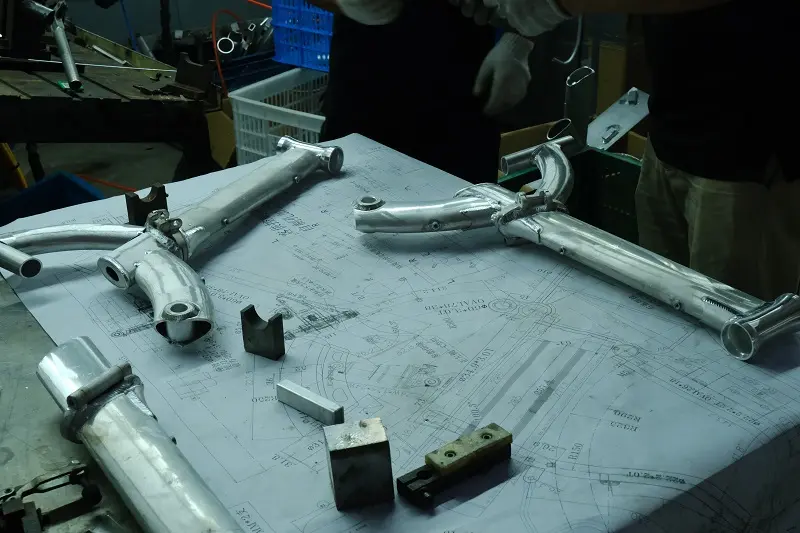
You might think a frame is just a frame, but the difference between a good one and a bad one is huge. I've seen it all in my 20+ years in this industry. It’s the skeleton of your e-bike, and a weak skeleton can lead to disaster down the road. It affects not just safety, but assembly consistency, riding stability, and your brand's reputation. Let's break down why this process is so important for your business and what you need to look for in a manufacturing partner.
What Are the Key Steps in Manufacturing an E-Bike Frame?
Seen a shiny new e-bike frame? It looks simple, but a single flaw in its creation can ruin the entire bike. Let's uncover the hidden steps that make or break a frame.
The key steps include selecting the right tubing, precise cutting and bending, expert welding, crucial heat treatment1 (like T62 for strength), alignment, and surface finishing. Each stage directly impacts the frame's durability, safety, and the final assembly quality of the electric bike.
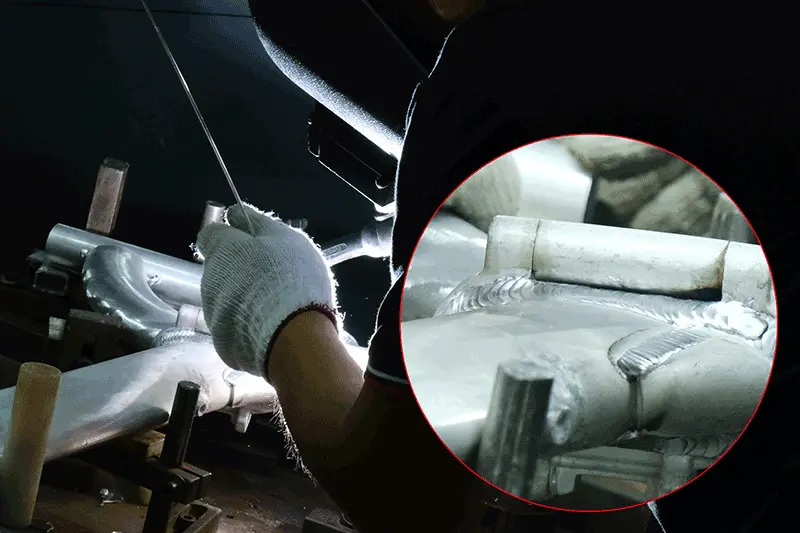
From our factory floor, I can tell you that a frame is not just assembled; it is engineered. The process begins with Tube Selection. We typically use 6061 aluminum alloy, but the thickness and shape of the tubes are critical. They must be strong enough without being excessively heavy. After selecting the tubes, they go through Cutting and Bending, where precision machines ensure every piece fits perfectly. Then comes the most critical step: Welding. Our skilled welders use TIG welding to create strong, clean joints. After welding, the aluminum is weak. This is why Heat Treatment is non-negotiable. We put the frames through a T6 heat treatment process, which hardens the aluminum and restores its strength. A frame that skips this step is soft and dangerously prone to breaking. Finally, the frame is placed in a jig for Alignment to ensure it's perfectly straight before it’s polished and sent for Surface Treatment and Painting, which protects it from corrosion and gives it a flawless finish.
| Step | Purpose | Why It's Critical for Quality |
|---|---|---|
| Tube Selection | Choose the correct material and dimensions. | Determines the frame's strength-to-weight ratio and durability. |
| Cutting & Bending | Shape tubes to design specifications. | Precision here ensures all parts fit together correctly during welding. |
| Welding | Join the tubes into a single structure. | The quality of the weld directly impacts structural integrity and fatigue life. |
| T6 Heat Treatment | Strengthen the aluminum after welding. | This is essential. Without it, the frame is soft and will fail under stress. |
| Alignment | Ensure the frame is perfectly straight. | A misaligned frame causes assembly issues and poor, unsafe handling. |
| Painting | Protect and beautify the frame. | A quality paint job prevents rust and chipping, preserving the bike's value. |
Why Do E-Bike Frames Need to Be Stronger Than Regular Bike Frames?
Think an e-bike frame is the same as a regular one? That assumption can lead to serious safety failures. The added weight and power create stresses that standard frames just can't handle.
E-bike frames endure far more stress.3 They must support the added weight of the battery and motor, handle the powerful torque from the drive system, and withstand higher speeds and braking forces. A standard bike frame would quickly deform or fail under these complex conditions.
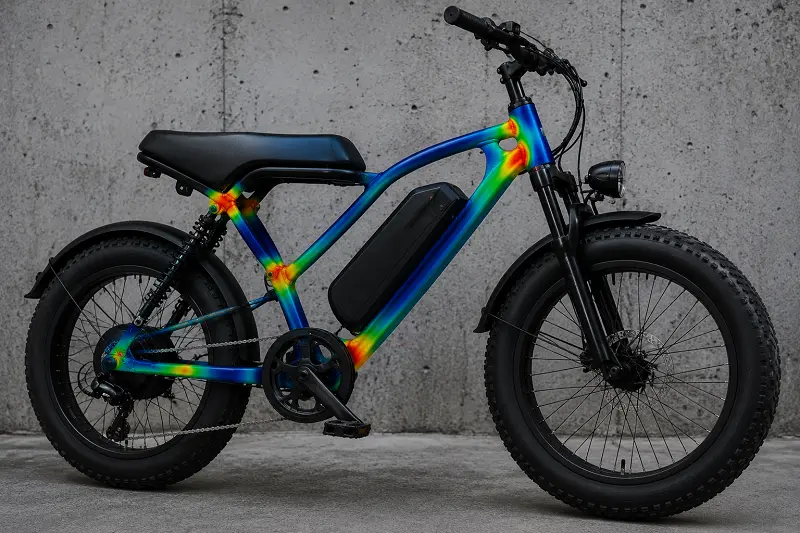
A regular bicycle frame is only designed to carry the rider's weight. An e-bike frame has a much harder job. First, there's the static weight of the battery and motor, which can add 10-15 kg or more. Then, you have to consider the dynamic forces. The motor applies significant torque directly to the frame, especially with powerful mid-drive systems. This twisting force requires reinforcement around the bottom bracket. E-bikes also travel at higher average speeds, so impacts from potholes and bumps are much more severe. The braking forces are also greater because you're stopping a heavier object from a higher speed, which puts immense stress on the head tube and fork. Different e-bike models introduce even more challenges. A fat tire e-bike needs a frame that can handle the torsional forces of wide tires on rough terrain. A cargo e-bike needs to support hundreds of pounds without flexing. This is why you can't just add a motor to a bicycle frame; you need a frame engineered from the ground up for electric power.
What Special Frame Challenges Do In-Tube Batteries and Cargo E-Bikes Present?
Love the sleek look of an integrated battery? This popular design choice creates major engineering hurdles. A poorly made frame can lead to battery rattles, water damage, or even structural failure.
In-tube battery frames require a large cutout in the down tube, which weakens the structure.4 This demands precise engineering to reinforce the area, ensure a perfect battery fit, and maintain waterproofing. Cargo e-bike frames must be designed to safely manage heavy, uneven loads without flexing or breaking.5
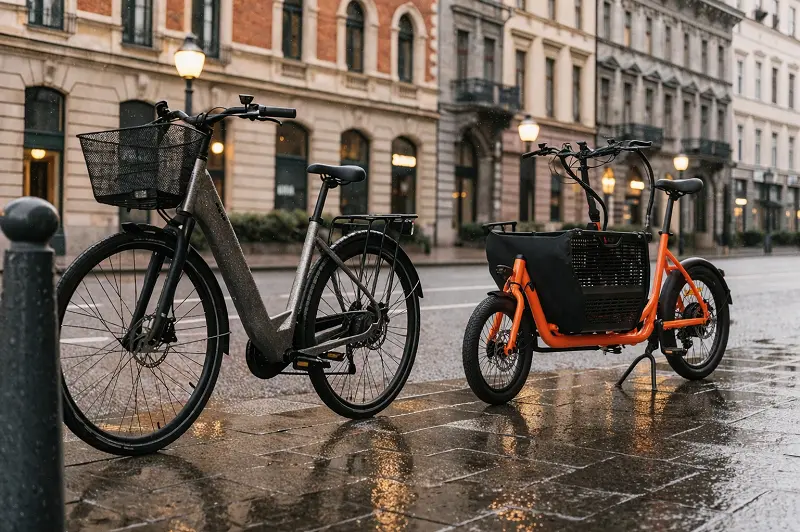
As a manufacturer, these are two of the most challenging designs we produce. For in-tube battery frames, cutting a large hole in the down tube is like removing a load-bearing wall in a house. We have to compensate for this lost strength using advanced techniques like hydroforming to create complex tube shapes and adding internal gussets. The battery compartment itself must be manufactured with incredible precision.6 If it's too loose, the battery will rattle and the connections can fail. If it's too tight, customers won't be able to remove it. On top of that, the opening must have a robust, waterproof seal and a reliable lock.
For cargo e-bike frames, the main challenge is managing heavy loads. The frame has to be incredibly stiff to prevent flexing, which makes the bike feel unstable. We use thicker tubes and add reinforcements and gussets to all major weld points. The geometry is also designed to keep the center of gravity low, even when fully loaded, to ensure the bike is safe and easy to control. These are not problems you can fix later by swapping a component; they must be solved at the frame design and production stage.
Conclusion
When choosing an OEM/ODM partner, look beyond the spec sheet. A supplier with in-house frame manufacturing expertise is your best guarantee for a stable, high-quality e-bike and long-term brand success.
"Understanding Aluminum Heat Treating | Aerospace & Defense", https://jonesmetal.com/blog/understanding-aluminum-heat-treating/. The source explains the importance of heat treatment in strengthening aluminum frames, particularly through the T6 process, which restores the material's strength after welding. Evidence role: mechanism; source type: education. Supports: Heat treatment, such as the T6 process, is essential for strengthening aluminum e-bike frames after welding.. ↩
"[PDF] Heat Treating of Aluminum Alloys - NIST Materials Data Repository", https://materialsdata.nist.gov/bitstream/handle/11115/192/Heat%20Treating%20of%20Aluminum%20Alloys.pdf?sequence=3&isAllowed=y. T6 heat treatment is a process used to enhance the strength and durability of aluminum alloys, making it essential for applications like e-bike frames that require high structural integrity. Evidence role: mechanism; source type: encyclopedia. Supports: T6 heat treatment strengthens aluminum after welding, restoring its structural integrity for e-bike frames.. ↩
"(PDF) Finite element analysis of electric bicycle frame geometries", https://www.researchgate.net/publication/312053414_Finite_element_analysis_of_electric_bicycle_frame_geometries. This source explains the additional stresses e-bike frames face compared to regular bike frames, including the weight of the motor and battery, higher speeds, and increased braking forces. Evidence role: mechanism; source type: research. Supports: E-bike frames endure far more stress.. ↩
"DIY eBike", https://www.engineering.pitt.edu/programs/innovation/xprojects/past-projects/diy-ebike/. This source discusses the structural challenges posed by in-tube battery designs, including the weakening of the down tube and the engineering solutions required to reinforce it. Evidence role: mechanism; source type: research. Supports: In-tube battery frames require a large cutout in the down tube, which weakens the structure.. ↩
"Electric cargo bikes' future | UW Department of Civil & Environmental ...", https://www.ce.washington.edu/news/article/2023-12-15/electric-cargo-bikes-future. This source highlights the engineering requirements for cargo e-bike frames, including the need to handle heavy and uneven loads without compromising stability. Evidence role: mechanism; source type: research. Supports: Cargo e-bike frames must be designed to safely manage heavy, uneven loads without flexing or breaking.. ↩
"Inside One of the World's Largest E-Bike Battery Factories - YouTube", https://www.youtube.com/watch?v=-37uLW7swnQ. This source highlights the precision manufacturing requirements for e-bike battery compartments to ensure proper fit and functionality. Evidence role: mechanism; source type: research. Supports: The battery compartment itself must be manufactured with incredible precision.. ↩