Struggling with volatile markets and unpredictable demand? Finding a stable, profitable e-bike partner is tough. Germany offers a solution with its consistent growth and clear opportunities for your brand.
The German e-bike market1 is Europe's largest and most stable, projected to reach $11.32 billion by 20312. It's a healthy, mature market driven by commuting needs and corporate leasing, offering reliable, long-term order potential for OEM/ODM partners like us.
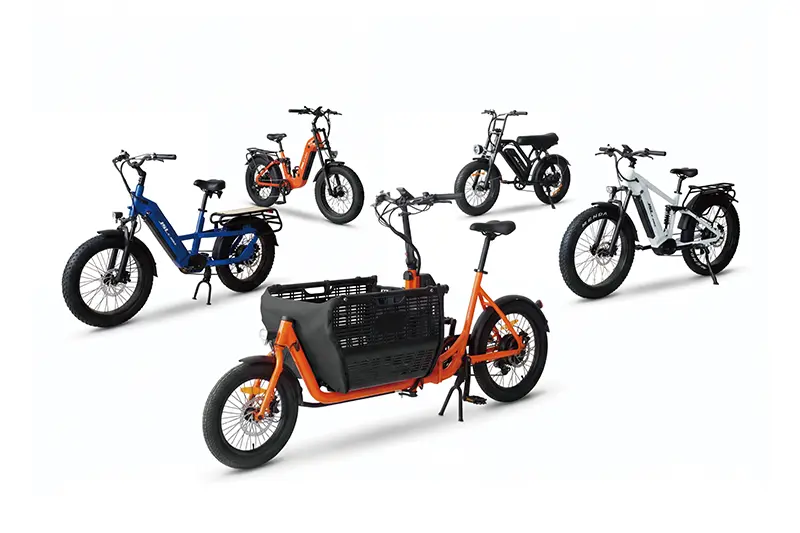
I've been in the e-bike manufacturing business for over 20 years, and I've analyzed countless markets. While some promise explosive growth, they often come with high risk. Germany is different. It's not about a sudden boom; it's about steady, predictable success. This market provides the volume, profit, and growth that forms the foundation of a strong business. Let's break down exactly why Germany is so crucial and where the real opportunities are for you.
What's Really Driving Growth in the German E-Bike Market?
Wondering where the real demand is? It's easy to misjudge a market's drivers. In Germany, the growth isn't just a fad; it's a fundamental shift in how people live and work.
The primary driver is the shift from cars to e-bikes for urban commuting, supported by national plans. Corporate leasing programs are another major factor, creating a steady stream of B2B orders. German consumers also demand continuous technological upgrades, pushing innovation forward.
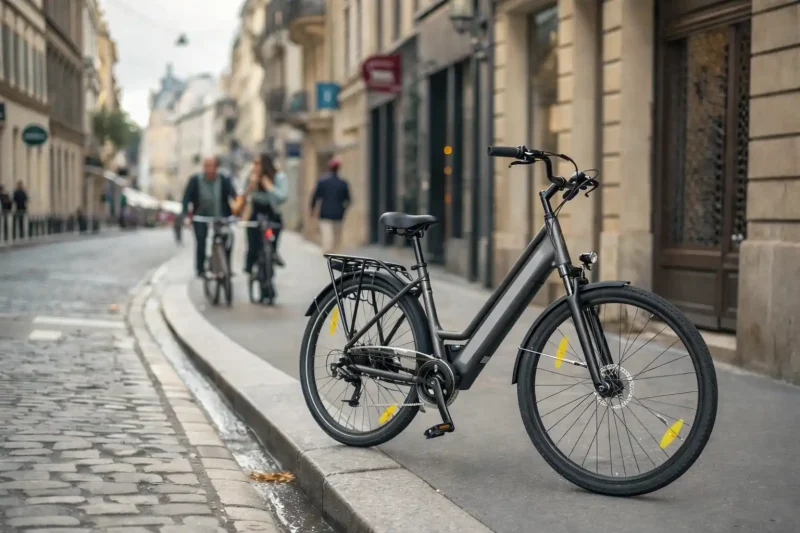
When I first started exporting to Germany, I thought our mountain e-bikes would be the main sellers. But I quickly learned that the real volume is in daily use. The market's growth isn't just a trend; it's powered by deep, structural changes in German society. We've identified three core drivers that make this market so reliable. Understanding them is key to unlocking its potential.
From Hobby to Daily Commute
The biggest change is that e-bikes are no longer just for weekend fun. They are now a primary tool for commuting. Germany's National Cycling Plan (NCP 3.0)3 is actively promoting this shift, investing in infrastructure to make cycling safer and more convenient. People are using e-bikes for commutes of 10km or more, replacing their cars for daily trips. This creates a massive, stable demand for reliable and efficient city e-bikes. As a manufacturer, this means we must focus on comfort, durability, and practical features for everyday riders.
The Power of Corporate Leasing
This is a huge opportunity that many overlook. In Germany, companies offer e-bike leasing programs to their employees, who pay through a salary deduction model. This is a win-win: employees get a high-quality e-bike at a lower cost, and companies promote a healthy, green commute. For us, this translates into large, stable B2B orders. These corporate clients need durable, low-maintenance bikes for their fleets, which is a perfect fit for our OEM/ODM capabilities.
A Market That Demands Tech Excellence
German consumers are very knowledgeable and expect the best. They pay close attention to performance and technology. This is not a market for basic, entry-level products. The demand is for advanced features like high-torque mid-drive motors (85–105Nm) for better hill climbing and solid-state batteries for longer range and safety. To succeed here, we must stay on top of technological trends and offer products that deliver superior performance.
| Growth Driver | Impact on Demand | What You Should Offer |
|---|---|---|
| Urban Commuting | Stable, high-volume demand for daily-use bikes. | Durable City E-Bikes with practical features. |
| Corporate Leasing | Consistent, large-scale B2B fleet orders. | Low-maintenance models, Cargo E-Bikes. |
| Tech Upgrades | Demand for high-performance, premium models. | E-bikes with high-torque motors and advanced batteries. |
What Kind of E-Bikes Actually Sell in Germany?
Choosing the wrong product specifications can be a costly mistake. You need to know what German buyers actually want. We've looked at the data to help you build the perfect bike for this market.
The German market prefers high-spec bikes. Pedal-assist (PAS) models make up about 79% of sales, with mid-drive motors being the choice for 65% of buyers. Urban commuter bikes dominate the market, but cargo bikes are the fastest-growing segment for commercial use.
A few years ago, a potential client wanted to enter the German market with a low-cost, throttle-only e-bike. I had to advise them against it. Based on our experience, that model would fail. The German market has very clear preferences. It's a mature market that values quality and specific configurations. Knowing the right product mix, price points, and applications is essential. Let's look at the numbers.
The "Typical" German E-Bike Spec
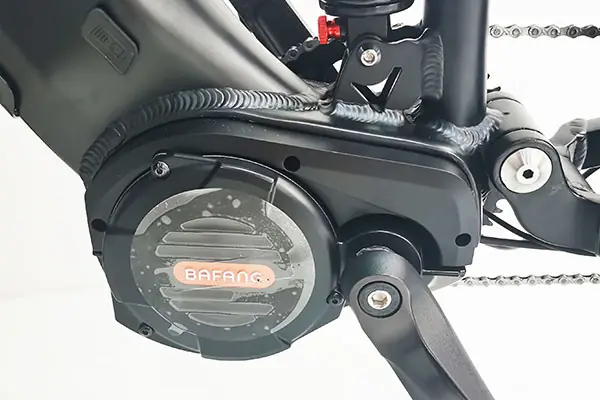
The data is very clear. A typical e-bike sold in Germany is built around a pedal-assist system (PAS), which accounts for nearly 80% of the market. Throttles are not popular. The preferred motor type is a mid-drive motor, making up about 65% of sales, because it offers a more natural riding feel and better balance. And when it comes to batteries, it's all about Lithium-ion. This configuration is the standard for a mature European market, and deviating from it is risky. Your product line must be built around this core specification.
Where Are These Bikes Being Used?
The primary application, by a huge margin, is urban commuting. About 71% of e-bikes are used for city riding and commuting to work. This is the bread and butter of the market. However, the most exciting growth is happening in other areas. Cargo bikes are seeing a huge surge in demand, both for family use and for commercial delivery fleets. This is a segment where we are seeing a lot of innovation and higher profit margins. Focusing on these two areas—city commuters for volume and cargo bikes for growth—is a smart strategy.
Price Points: Where to Compete
Understanding the price structure is key to profitability. The mainstream price range, where most of the volume is, sits between $1,500 and $2,499. This is the sweet spot for well-equipped city and trekking e-bikes. However, the fastest-growing segment is the premium category, from $3,500 to $5,999. This is where high-performance e-MTBs and feature-rich cargo bikes are sold. The best strategy is to compete in the mid-range for stable sales volume while developing high-end models to capture higher profits and build brand prestige.
| Market Structure | Key Characteristic | Implication for Your Business |
|---|---|---|
| Product Spec | PAS (~79%), Mid-Drive (~65%) | Focus on high-quality, mid-drive PAS systems. |
| Application | Urban Commuting (~71%), Cargo (Growth) | Build a strong line of city bikes and invest in cargo models. |
| Price Point | Mainstream: $1500–$2499, Growth: $3500+ | Offer mid-range for volume and premium for profit. |
What Are the Key Trends You Should Focus on for the German Market?
Don't get left behind by market shifts. Staying ahead of trends is critical for success in a competitive market. We've identified the most important trends in Germany that you can act on right now.
Focus on the growing demand for cargo e-bikes for delivery fleets, which require batteries up to 1000Wh. High-torque (85-105Nm) mid-drive motors are key for performance. Also, consider low-maintenance belt drive systems, which are increasingly popular with B2B clients.
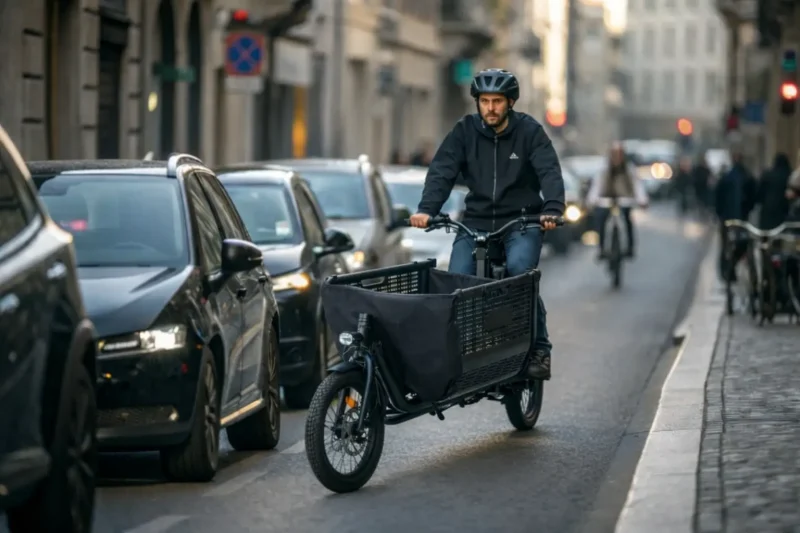
We are constantly talking to our partners on the ground in Germany. What we hear is that the market is not just growing, it's evolving. The conversations are no longer just about range, but about torque, maintenance, and carrying capacity. These are not just minor details; they are major trends that will define the winning products of tomorrow. Here's what you need to put on your product development roadmap.
Trend 1: The Continued Rise of the Cargo E-Bike
Cargo e-bikes are moving from a niche product to a mainstream category. This is driven by both families looking to replace a second car and businesses building out their last-mile delivery fleets. The demand here is for robust, reliable bikes with large carrying capacities. A key technical requirement is larger batteries, with some commercial clients now asking for up to 1000Wh to ensure all-day operation. This is a long-term, stable trend that offers excellent profit margins for manufacturers who can deliver high-quality, durable cargo solutions.
Trend 2: Performance is Non-Negotiable
As more people use e-bikes for longer commutes and in varied terrain, performance expectations have gone up. German users are particularly focused on power for climbing hills and maintaining speed over long distances. This is why high-torque mid-drive motors are becoming the standard. Motors with 85Nm to 105Nm of torque are in high demand. As a manufacturer, you cannot afford to compromise on the drive system. Partnering with top motor suppliers like Bosch, or developing a powerful proprietary system, is essential to be competitive.
Trend 3: Low Maintenance is the New Premium
This trend is especially important for the B2B and fleet market, but it's also gaining traction with everyday consumers. People want to ride their bikes, not constantly fix them. This is driving the growth of belt drive systems instead of traditional chains. Belt drives are quiet, clean, and require almost no maintenance. For a fleet manager, this means lower operational costs and less downtime. For a commuter, it means more reliability. Offering belt drive options, especially on your premium city and cargo models, is a great way to stand out.
| Key Trend | Why It's Important | How to Implement It |
|---|---|---|
| Cargo Bike Growth | High-profit, stable B2B and B2C demand. | Develop robust cargo frames and offer 1000Wh battery options. |
| High-Torque Motors | Meets user demand for hill climbing and distance. | Integrate mid-drive motors with 85-105Nm of torque. |
| Belt Drives | Appeals to fleets and consumers wanting low maintenance. | Offer belt drive options on city and cargo e-bikes. |
What Challenges Should You Prepare For in the German Market?
Entering a mature market has its risks. Ignoring them can lead to failure. It's important to be realistic about the challenges in Germany so you can prepare a solid strategy.
Prepare for increasing price sensitivity among consumers. You must also manage supply chain risks, especially for batteries from China. A major challenge is providing adequate after-sales service, particularly in rural areas. Strong local brands also create a very competitive landscape.
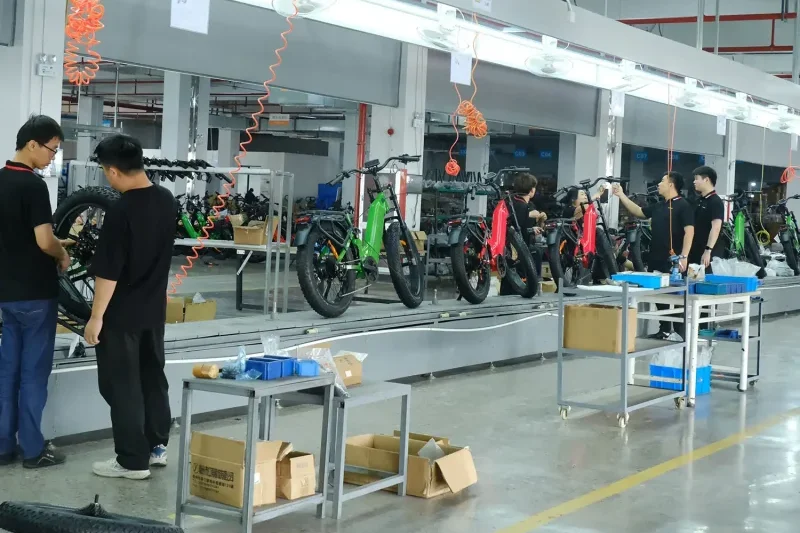
Success isn't just about spotting opportunities; it's about navigating challenges. The German market is fantastic, but it's not easy. I've seen brands fail because they weren't prepared for the realities on the ground. The competition is fierce, and customer expectations are high. But with the right preparation, these challenges are manageable. Let's talk openly about the hurdles you will face.
Even in a premium market, consumers are becoming more price-sensitive due to economic uncertainty. While they still demand quality, they are looking for better value. This puts pressure on us to optimize our manufacturing and supply chain to offer competitive pricing without sacrificing quality. Furthermore, the industry's heavy reliance on China for batteries and other components creates a supply chain risk. We manage this by diversifying our suppliers and maintaining strategic inventory levels, and we advise our partners to plan their orders well in advance.
The After-Sales Service Gap
This is a critical, and often underestimated, challenge. As e-bike sales have grown, the network of skilled technicians for service and repairs has not kept pace, especially in rural areas. A buyer's confidence depends on knowing they can get their bike fixed. For brands entering the market, this means you must have a clear after-sales strategy. This could involve partnering with a network of local bike shops, providing them with training and spare parts, or establishing your own service centers. A brand without a service solution will not last long.
Understanding the Competitive Field
Finally, you are not entering an empty market. Germany is home to some of the world's strongest e-bike brands, like CUBE and Riese & Müller. Tech giants like Bosch dominate the market for drive systems. To compete, you can't just offer a similar product for a lower price. Success depends on a combination of three things: superior product strength (great design and performance), a strong brand story that connects with German values, and a solid channel strategy (working with the right distributors and dealers). We help our OEM partners build on all three pillars.
| Challenge | Description | Strategic Solution |
|---|---|---|
| Price Sensitivity | Consumers are becoming more cautious with spending. | Optimize production costs to offer strong value for money. |
| Supply Chain Risk | Heavy dependence on a few regions for key components. | Diversify suppliers and maintain strategic parts inventory. |
| After-Sales Service | Lack of skilled technicians, especially outside cities. | Partner with local dealers for service and provide training. |
| Strong Competition | Established local brands dominate the market. | Differentiate with unique design, strong performance, and a clear brand. |
Conclusion
In short, Germany is your ideal market for stable, profitable orders. Focus your efforts on mid-range commuters for volume, high-profit cargo bikes for growth, and building relationships with B2B clients.
Explore why Germany's e-bike market is the largest and most stable in Europe, offering significant opportunities for growth and investment. ↩
Explore this link to understand the factors driving the German e-bike market to reach $11.32 billion by 2031, ensuring informed business decisions. ↩
Understand how Germany's National Cycling Plan is promoting e-bike use and transforming urban commuting infrastructure. ↩