Are you worried your e-bike might fail safety checks? Without proper certification, you risk market rejection and major safety liabilities. We help you navigate this complex but crucial process.
We evaluate and test for the UL 2849 standard1 by focusing on three key areas: battery safety, electrical system integrity, and environmental resilience2. This ensures your e-bike's entire electrical system is safe, reliable, and compliant for markets like the US and Europe.
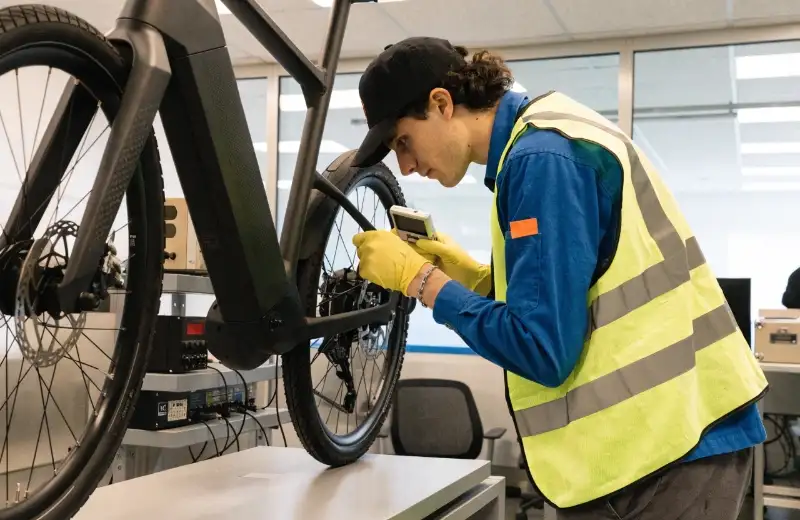
Getting UL 2849 certification is more than just a sticker on the frame. It's a deep dive into every part of your product's electrical system to prove its safety. This process is essential for building trust with your customers and gaining access to major international markets. It shows you are serious about quality and safety. So let's break down exactly what we look for to get your e-bike certified.
What are the key testing areas for UL 2849 certification?
Unsure what UL 2849 actually tests? A failure in one small area can stop your entire project. We focus on the most critical parts to ensure a successful outcome.
The key testing areas for UL 2849 certification are battery safety, the motor controller and electrical system, and environmental durability. These tests check for fire risks, electrical faults, and the ability to withstand real-world conditions.
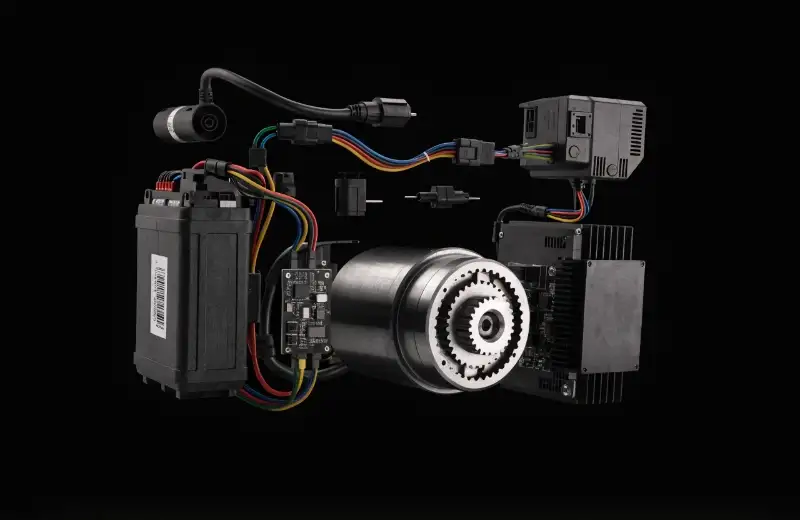
When we prepare a product for UL 2849, we go deep into the entire electrical system. It's not just about one component; it's about how they all work together safely. UL is one of the strictest testing bodies in the world, so every detail matters. We break the evaluation down into three main categories to make sure nothing is missed. This structured approach helps us identify potential issues early in the design phase, long before expensive production begins.
Battery Safety
The battery is the heart of the e-bike, and it gets the most attention. We test for conditions that could lead to thermal runaway3, which is a major fire risk. This includes overcharging, short-circuiting, and physical impact tests.
Electrical System Integrity
Next, we look at the entire electrical system. This includes the motor controller, charger, wiring, and display. We check to make sure all components can handle the electrical load without overheating and that all connections are secure and protected from damage.
Environmental Resilience
An e-bike needs to work in the real world. We conduct tests to simulate different environmental conditions. This ensures the bike remains safe and functional even when exposed to rain, extreme temperatures, bumps, and vibrations.
| Test Category | Key Focus Areas | Why It's Important |
|---|---|---|
| Battery Safety | Overcharge, Short Circuit, Impact, Thermal Runaway | Prevents fire and explosion hazards. |
| Electrical System | Motor Controller, Charger, Wiring, Connectors | Ensures the entire system operates safely under load. |
| Environmental Tests | Water Exposure (IP Rating), Vibration, Shock, Temperature | Guarantees reliability and safety in all conditions. |
What does the UL 2849 certification process actually involve?
The certification process seems long and complicated. It can feel overwhelming without a clear plan. We guide our partners through each step, making it simple and straightforward from start to finish.
The UL 2849 process involves three main stages. First, a pre-design and documentation review. Second, rigorous laboratory testing of the physical product. Finally, after passing all tests, you receive the UL certification and a final report.
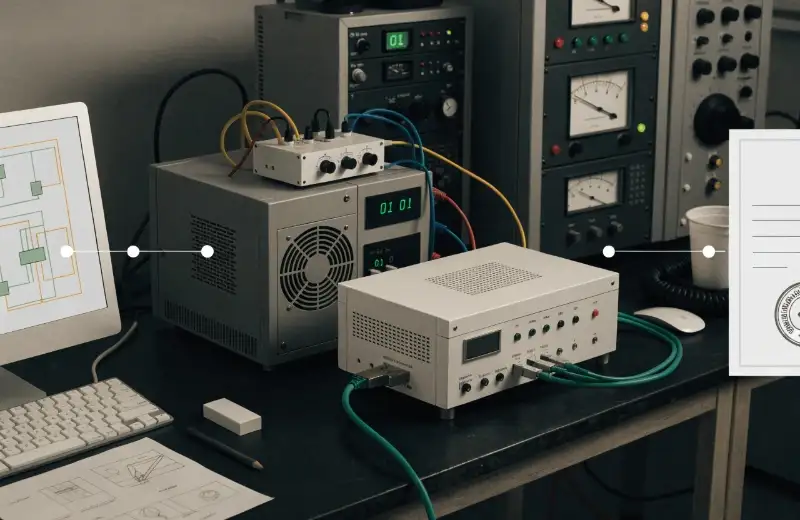
Navigating the UL certification process requires careful planning and attention to detail. We've been doing this for over 20 years, so we have a clear system to make it as smooth as possible for our OEM/ODM clients. It is not just about sending a bike to a lab. The work starts much earlier. By breaking it down into clear stages, we can manage the project effectively and reduce the chances of a costly failure during the testing phase. Each stage has a specific goal, and completing them in order gives you the best chance of success.
Stage 1: Documentation Review
Before any physical testing begins, we help you prepare and submit all the required technical documents. This includes electrical schematics, a Bill of Materials (BOM), mechanical drawings, and component specifications. UL reviewers check these documents to find any potential compliance issues. This step is critical because it allows us to fix problems on paper, which is much cheaper than fixing them after production has started.
Stage 2: Laboratory Testing
Once the documentation is approved, we move to physical testing. A sample of the e-bike is sent to a UL-approved laboratory. There, it undergoes a series of demanding tests based on the standards we discussed earlier. This includes battery stress tests, electrical load tests on the motor and controller, and environmental exposure tests. We monitor this process closely to address any issues that arise.
Stage 3: Final Certification
If the e-bike passes all the tests, UL issues a final report and the official UL Certification mark. This mark proves your product meets the highest safety standards and is ready for the market.
| Stage | Key Activities | Our Role |
|---|---|---|
| 1. Document Review | Submit drawings, Bill of Materials (BOM), and specifications. | We help prepare and organize all documents for submission. |
| 2. Laboratory Testing | Physical tests on battery, motor, charger, and overall system. | We manage the testing process and troubleshoot any failures. |
| 3. Final Certification | Receive UL report and the right to use the UL mark. | We ensure you get the final certification for market entry. |
Why is investing in UL 2849 certification so important for your brand?
Thinking certification is just an extra cost? Skipping it can block you from key markets and expose your brand to huge risks. This investment is one that pays for itself.
Investing in UL 2849 is crucial because it enhances brand competitiveness with a recognized safety mark, ensures market compliance for the US and Europe, and significantly reduces the risk of product recalls or legal issues.
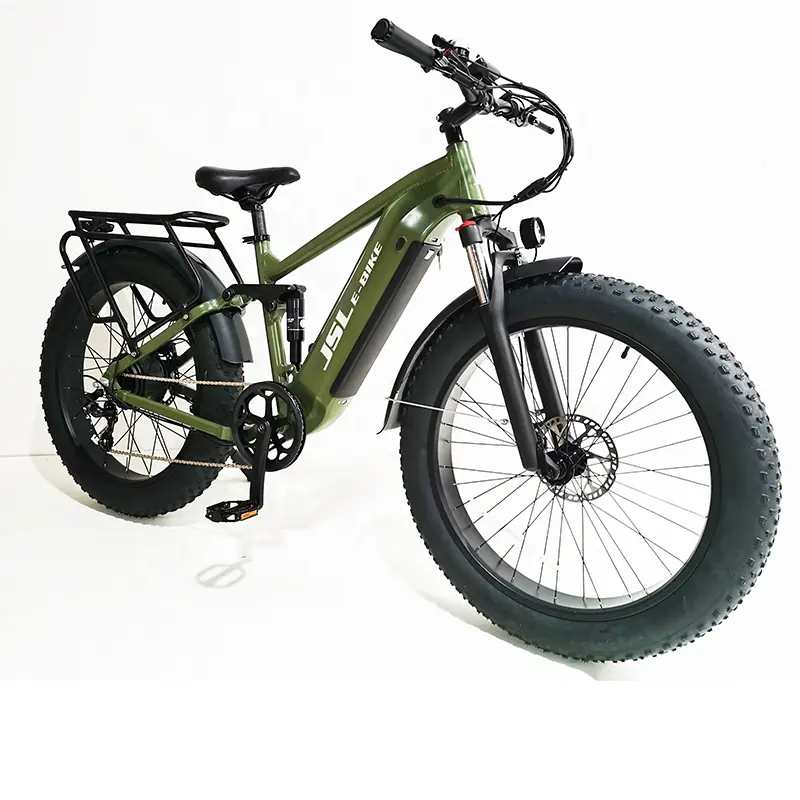
We see UL 2849 not as an expense, but as a critical investment in your brand's future. The e-bike market is getting more crowded, and safety is a huge concern for consumers and regulators. A UL mark instantly sets your product apart. For example, we worked with a new e-bike brand that wanted to enter the North American market. Retailers were hesitant to carry their products without proof of safety. After we guided them through the UL 2849 process, they secured deals with major distributors. The retailers trusted the UL mark. It's also incredibly strict. If you certify a bike with a 500W motor, you can't sell it with a 750W motor. Even a small change to the frame design means you have to start the certification process over. This strictness is why the certification is so valuable. It guarantees consistency and safety. A smart tip is to use pre-certified electrical components, which can lower the overall cost by letting you focus certification efforts on just the frame and integration.
| Aspect | Non-Certified E-Bike | UL 2849 Certified E-Bike |
|---|---|---|
| Brand Trust | Low. Consumers and retailers are skeptical of safety. | High. The UL mark is a globally recognized symbol of quality. |
| Market Access | Restricted. Blocked from many US and EU retailers. | Open. Easily enter major international markets. |
| Risk | High risk of recalls, lawsuits, and brand damage. | Low risk. Protected from liability due to safety issues. |
Conclusion
UL 2849 certification is a vital investment in safety, market access, and brand trust. We guide you through every step to ensure your e-bike meets this critical global standard.