Struggling to find a cargo e-bike that fits your needs? Standard models often fall short. A custom-designed front box is the key to creating the perfect solution for your brand.
To design a custom cargo e-bike front box, you must first define the use case and payload. Then, select the right material, like aluminum for durability. Finally, integrate the box design with the e-bike frame, as they must be engineered together for safety and performance.
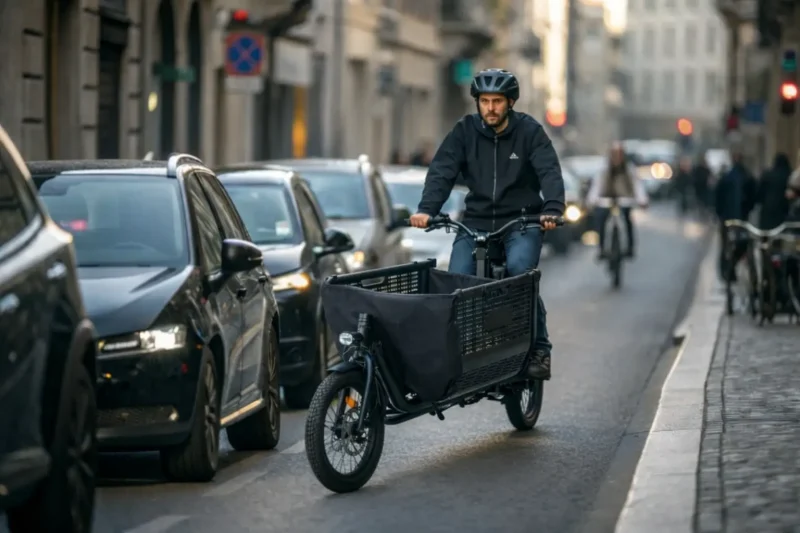
We have been building and refining cargo e-bikes for years. Through our OEM/ODM projects, we've learned that the front box is more than just an accessory; it's the heart of the bike. The design process requires careful thought and engineering to get it right. We've helped many clients create unique solutions, and I want to share some of that experience with you. Let's explore the key steps to designing a front box that will make your e-bike project a success.
Why are Front-Loading Cargo E-Bikes a Good Choice?
Need more carrying capacity on your e-bikes? Rear racks alone can be limiting, especially for commercial use. Front-loading cargo bikes offer a massive increase in usable space and stability.
Front-loading cargo e-bikes1 are becoming very popular in Europe and Australia. They add significant carrying capacity at the front, and you can still keep a rear rack. Our MiniCargo 2.0 front box, for example, can hold up to 100kg, making it perfect for logistics.
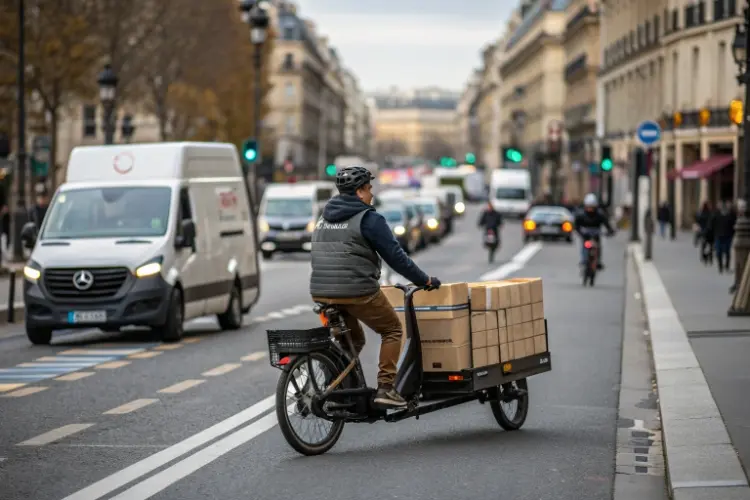
We see a growing trend of OEM buyers developing front-loading e-bikes for their last-mile delivery fleets. The ability to carry more goods in a single trip drastically improves efficiency. But it's not just for logistics. The versatility is a huge selling point. By adding a simple rain cover, the bike is ready for courier services. If you add a child seat and a canopy, it becomes a perfect vehicle for school runs. We designed our front box with many pre-drilled holes2. This makes it incredibly easy for our clients to add their own unique accessories. All they need are some screws to bolt on whatever they need, creating a truly multi-purpose vehicle for their market. This flexibility is a key reason why front-loaders are gaining so much traction.
What Are the Best Materials for a Custom Front Box?
Choosing the right material for your front box can be tricky. A poor choice can make the bike heavy, unstable, or not durable enough. Understanding the options is essential.
Aluminum is often the best choice, offering a great balance between low weight and high durability. However, we also work with molded plastic, wood, and plastic-fabric combinations to meet different project needs and budgets. Each material has its advantages depending on the intended use.
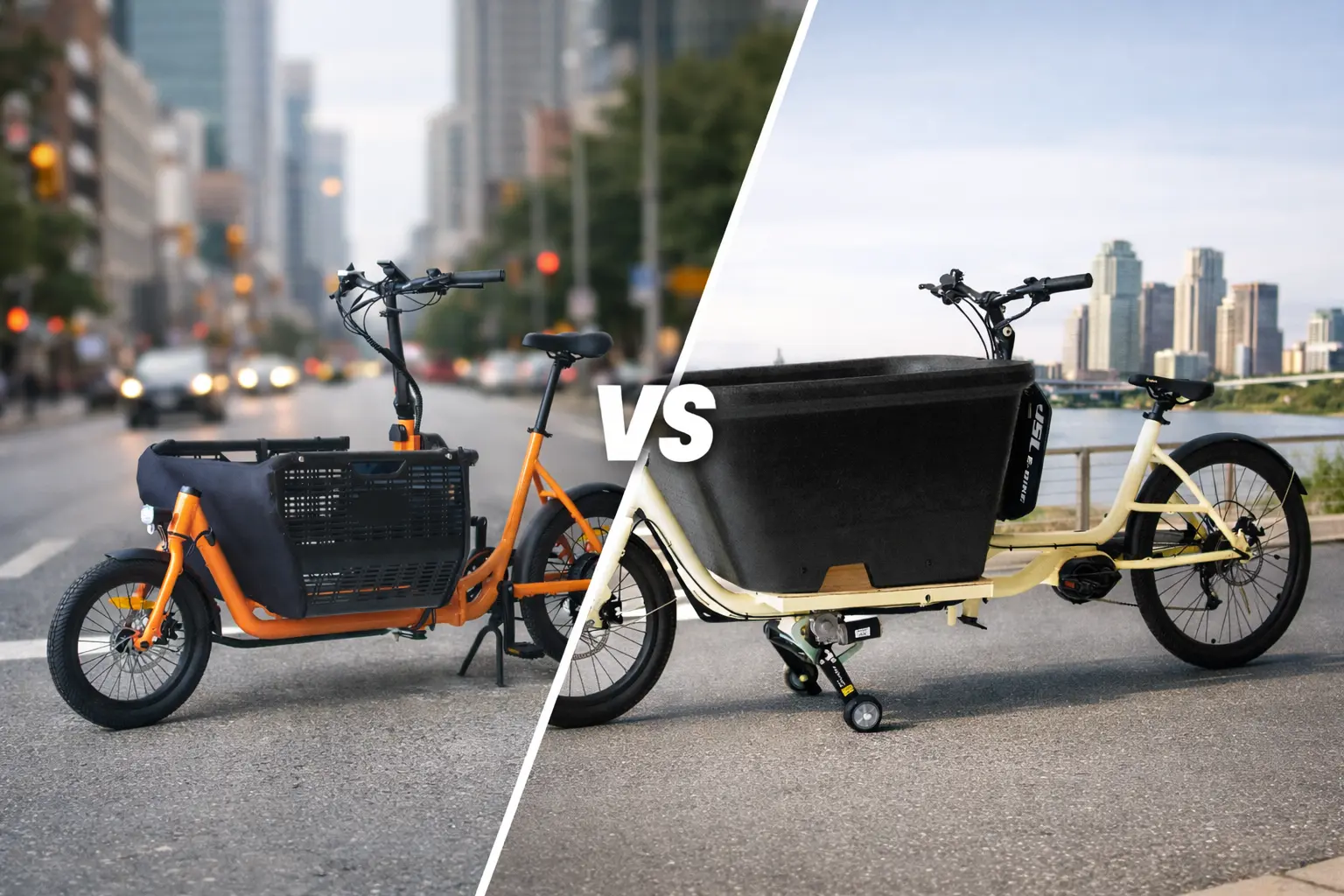
Over the years, we have iterated through many material options. Our first version used a combination of plastic and fabric, which was a good, lightweight starting point. Now, our MiniCargo 2.0 version features a full aluminum alloy box. We've found that most delivery companies prefer aluminum. In our factory tests, we discovered that an aluminum box can reduce stress on the bike frame by up to 18% compared to a similar steel box. For our larger cargo models, we often use a single-piece molded plastic box. We also have clients who prefer wood for its unique aesthetic. The material choice directly impacts performance and branding.
Here’s a quick breakdown to help you decide:
| Material | Key Benefits | Best For |
|---|---|---|
| Aluminum | Lightweight, very durable, premium feel | Last-mile delivery, heavy-duty use |
| Molded Plastic | Cost-effective for large batches, versatile shapes | Large-scale production, custom branding |
| Wood | Aesthetically pleasing, eco-friendly look | Boutique brands, personal transport |
| Plastic/Fabric | Very lightweight, budget-friendly | Entry-level models, light-duty use |
Choosing the right material is a critical step that we work on closely with our OEM partners.
How Do You Integrate a Custom Box with the E-Bike Frame?
You have an idea for a custom box, but it won't just bolt onto any e-bike. Proper integration with the frame is crucial for safety, or the bike will be unstable.
A custom front box is not a separate part you can add later. It must be designed together with the frame from the very beginning. Changing the box dimensions requires redesigning the frame's geometry to ensure proper balance and strength. It's a fully integrated system.
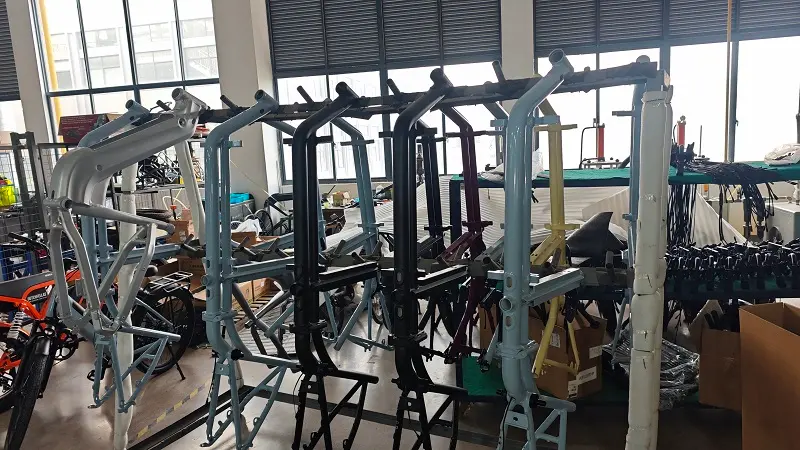
Many people think they can just order a custom box and attach it to an existing frame. This is a big mistake. We've had clients from Europe and Turkey come to us with this idea, and we always explain why it's more complex. Our current front-box e-bike is the result of dozens of design iterations to perfect the balance and handling. If you want to change the box, the whole frame needs to be adjusted.
Our customization process follows a clear path to ensure success:
- Define the Use Case: First, we ask what the bike will be used for. Is it for delivering food or for carrying children? This determines everything else.
- Determine Payload Needs: We establish the maximum weight the box needs to carry. This dictates the required strength.
- Select Box Material: Based on the use case and payload, we choose the best material from our options like aluminum or plastic.
- Integrate Frame Structure: This is the most important step. Our engineers design the frame and box as one unit, ensuring perfect balance and structural integrity.
- Design Modular Accessories: We incorporate features like mounting holes into the box design so you can easily add custom accessories later.
Beyond the box, we also offer customization for colors, logos, batteries, and motors to create a complete, unique product for your brand.
Conclusion
Designing a custom front box is a detailed process that requires defining its use, choosing the right material, and deeply integrating it with the frame. We have the experience to guide you.