Struggling with heavy, clumsy cargo bikes that rust and wear out? This makes deliveries inefficient and maintenance a constant headache. Modern aluminum alloy frames are the game-changing solution.
Modern electric cargo bike frames use lightweight, high-strength aluminum alloy and smart engineering. This combination creates a frame that is not only strong enough for heavy loads but also rust-proof, easy to handle, and versatile enough for delivery, family, or rental fleet applications.
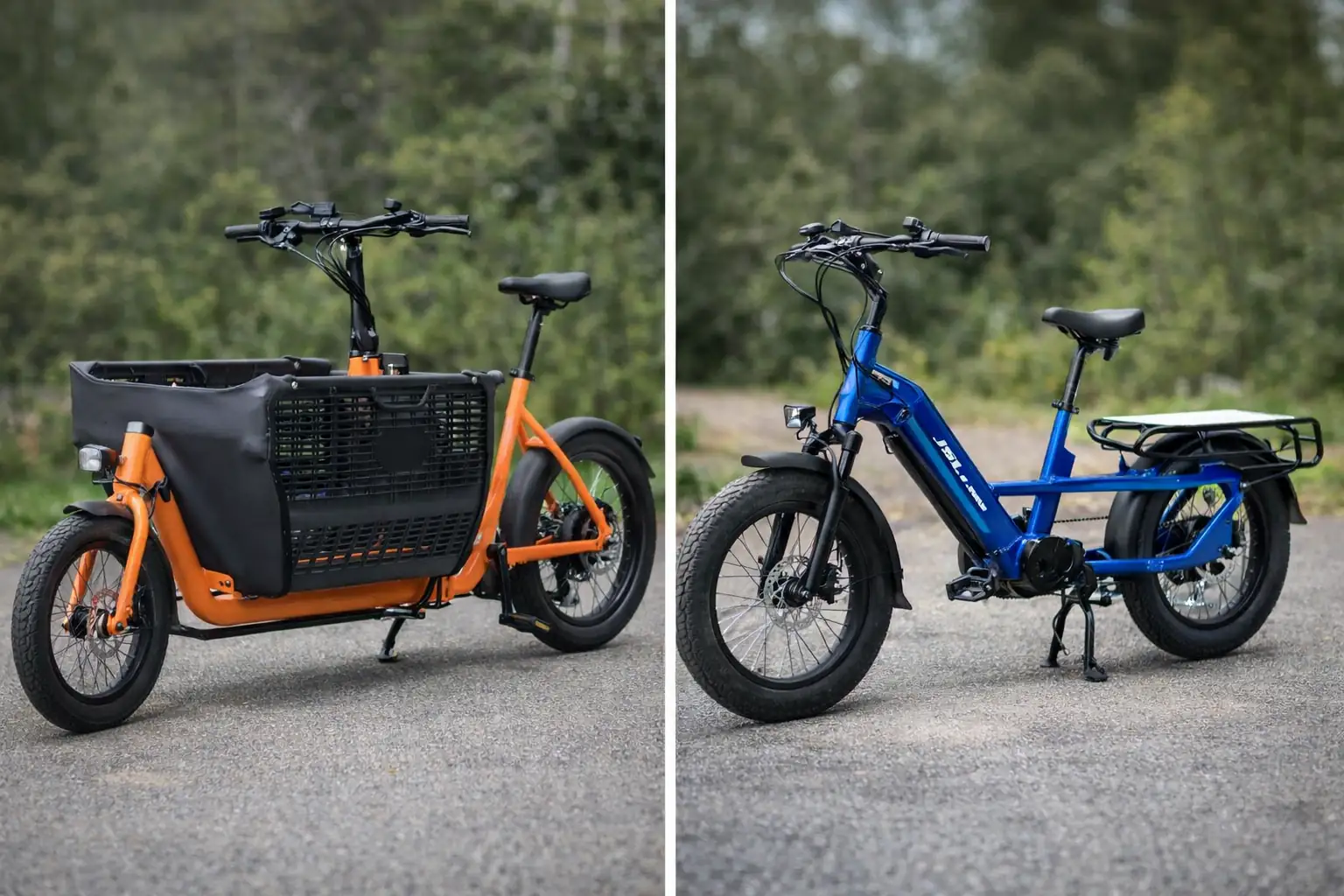
When I first started in this industry over 20 years ago, cargo bikes were simple, heavy beasts. They did the job, but they weren't elegant. Today, the transformation is incredible. It's not just about swapping one metal for another; the real revolution is in the design philosophy that turns a utility vehicle into a high-performance machine. Let’s dive into how this change happened and what it means for your e-bike business.
How did we move from heavy steel to smart aluminum engineering?
Remember the back-breaking weight of old steel cargo bikes? They were slow to accelerate, rusted easily in the rain, and were a real pain to maneuver. The shift to engineered aluminum changed everything.
We moved from steel to aluminum by prioritizing material science and engineering. Aluminum alloy offers a superior strength-to-weight ratio1, is naturally rust-proof, and allows for more complex, structurally optimized shapes. This shift wasn't just a material swap; it was a complete rethinking of frame engineering.
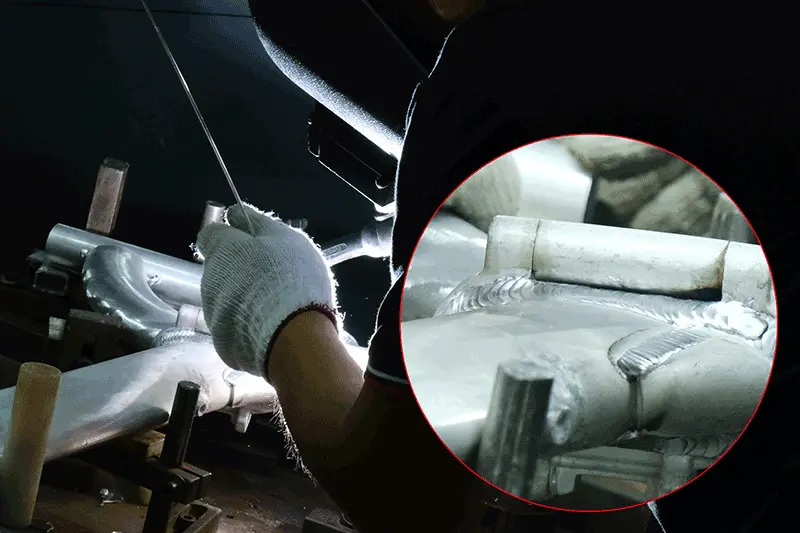
The transition from steel was a deliberate choice driven by performance. In our factory, we saw firsthand how steel frames, while strong, relied on sheer thickness and volume. This added immense weight, making the bike sluggish and tiring for the rider. We knew there had to be a better way. We turned to aluminum alloys and structural mechanics2. Instead of just making tubes thicker, we use analysis to identify key stress points and reinforce them intelligently. This means the frame is incredibly strong where it needs to be, without carrying any unnecessary weight. The result is a bike that feels nimble and responsive, even when fully loaded. This modern approach completely transforms the riding experience from clumsy to confident.
| Feature | Traditional Steel Frame | Modern Aluminum Engineered Frame |
|---|---|---|
| Material | Heavy Steel | Aluminum Alloy |
| Design Focus | Thickness and Volume | Structural Mechanics & Stress Distribution |
| Weight | Very Heavy | Lightweight |
| Durability | Prone to Rust | Rust-Proof & Fatigue-Resistant |
| Riding Feel | Clumsy and Hard to Handle | Agile and Stable |
How does one frame fit the needs of delivery, families, and rentals?
Your customers have diverse needs, from last-mile delivery to weekend family outings. A one-size-fits-all frame just won't cut it, which could limit your market reach. Modern modular frames are the answer.
A single frame platform achieves this versatility through modular design. By creating a strong, stable base, we can add specific features like reinforced cargo racks3 for delivery, secure child seat mounts for families, or durable, low-maintenance components for shared fleets. Versatility is engineered from the start.
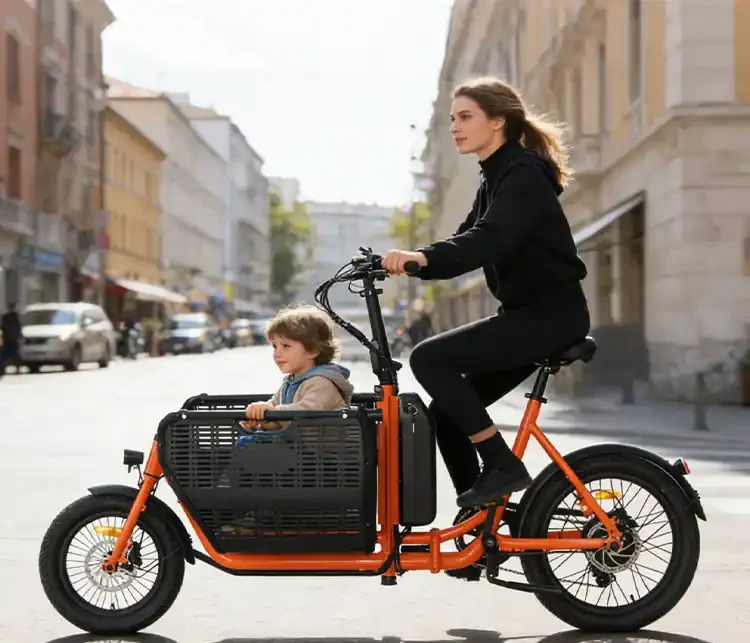
I've worked with clients serving completely different markets, and the core frame remains the key. For our delivery partners, the constant high-load status is the main challenge. The combined weight of the bike, rider, and goods puts a huge strain on the frame. Our lightweight aluminum frames make the bike easier to control and less tiring to ride all day, which directly impacts a courier's efficiency and safety. For family-focused brands, safety is the top priority. We design our front-loading cargo frames with a low center of gravity4 for stability and integrate secure mounting points for child seats and rain covers. Parents need to feel confident, and our frames provide that peace of mind. And for the booming shared e-bike market, durability is everything. Our aluminum frames don't rust, and their modular design makes repairs simple. If a component is damaged, it can be replaced quickly, maximizing uptime and extending the bike's service life.
Why is frame design so critical to the success of a cargo e-bike?
A great motor and battery mean almost nothing if they are on a poorly designed frame. An unstable, weak frame leads to serious safety issues, poor performance, and bad customer reviews. The frame is the foundation.
Frame design is critical because it's the backbone of the entire e-bike. It dictates the bike's load capacity, handling stability, rider safety, and overall durability. A well-engineered frame elevates the entire product, turning it from a simple utility vehicle into a reliable, high-value asset.
Ultimately, the frame is what differentiates a good cargo e-bike from a great one. For our OEM/ODM clients, a superior frame design is a powerful marketing tool. It allows them to position their products as premium, safe, and highly reliable. When a business can confidently advertise a higher payload, better handling under load, and versatile use cases, they create significant product value and can command a better price. This directly helps them expand their market share. But beyond market value, it comes down to performance and trust. We invest heavily in structural analysis and testing to ensure every frame we build can withstand the rigors of long-term use in harsh environments. A strong, stable frame ensures the safety of both the rider and the cargo. This commitment to safety and performance is what builds lasting brand trust and makes a product successful in the long run.
Conclusion
Modern aluminum frames have revolutionized cargo e-bikes. They offer unmatched strength, lightness, and versatility, which is the key to building successful, market-leading products for any application.
Understand why a superior strength-to-weight ratio is crucial for bike performance and rider comfort. ↩
Find out how structural mechanics optimize bike frame design for better stress distribution and durability. ↩
Learn about the significance of reinforced cargo racks in supporting heavy loads and improving delivery efficiency. ↩
Understand how a low center of gravity improves stability and safety in cargo bikes, especially for families. ↩