Choosing the wrong e-bike suspension can disappoint customers and hurt your brand. A bad choice leads to poor reviews, while the right one creates happy riders and repeat business.
The best e-mountain bike suspension1 depends on the intended use. Rigid forks2 are for flat, simple paths. Hardtails3 offer a great balance for light trails and city use. Full suspension4 provides the best control and comfort for serious, rugged off-road riding and climbing.
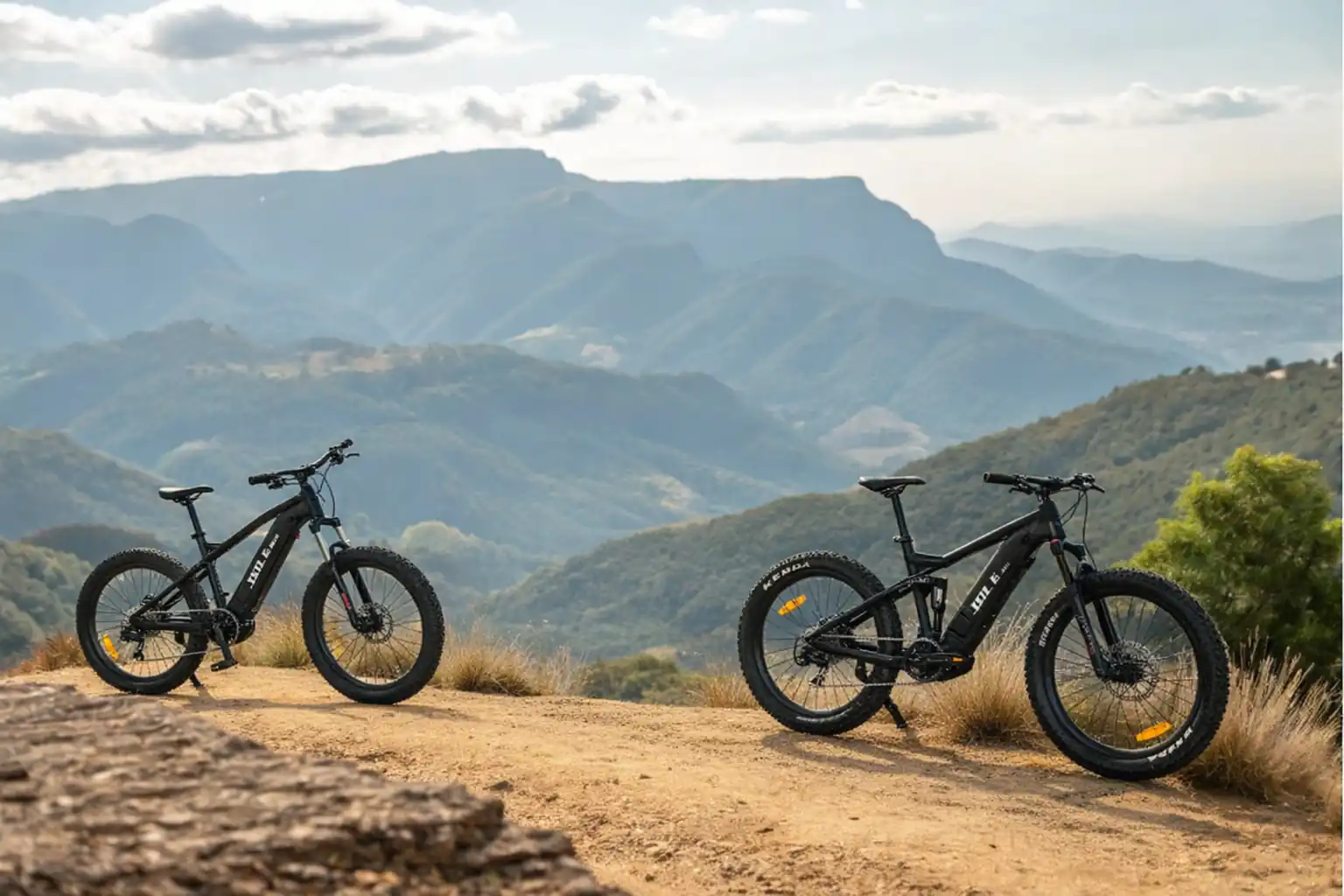
Getting this choice right is crucial for any e-bike brand. It directly impacts rider experience5, bike performance6, and your bottom line7. Let's break down each suspension type so you can make an informed decision for your next big order.
Is a Rigid Fork E-MTB a Good Choice for Off-Road Trails?
A rigid e-bike8 seems like a great way to save on costs. But will this saving compromise the riding experience so much that it becomes a liability for your brand?
A rigid fork e-MTB is not a good choice for most off-road trails. While it is the cheapest option, it provides a harsh, bumpy ride on uneven surfaces. This reduces rider control, increases fatigue, and is only suitable for very smooth, flat paths.
A rigid bike has no suspension at all, just a solid fork connecting the front wheel to the frame. To soften the ride a little, we often pair these frames with fat tires. The extra air volume in the tires acts as a simple form of cushioning. The main advantage here is cost. These bikes are cheaper to manufacture and require less maintenance, which can be attractive for entry-level markets. However, the drawbacks are significant for any real mountain biking. On a rocky or root-filled trail, the rider feels every single bump. This constant vibration leads to fatigue and makes it much harder to control the bike, especially with the added power of a motor. We have seen some new brands try to market these for off-road use, but customer feedback is almost always negative. They are simply not built for challenging terrain and are not a good match for mid-to-high power e-MTBs.
| Feature | Rigid Suspension |
|---|---|
| Best Use | Paved roads, smooth dirt paths |
| Pros | Low cost, low maintenance, lightweight |
| Cons | Harsh ride, poor control on bumps |
| Target User | Casual riders on flat surfaces |
Why is a Hardtail the Most Popular E-MTB Suspension Type?
You need a bike that performs well without breaking the bank. Your customers want versatility for both city commutes and weekend trail adventures. How do you find that perfect balance?
The hardtail is popular because it hits the sweet spot between cost, performance, and versatility. It has front suspension9 to absorb bumps and improve control, but a rigid rear keeps it efficient and affordable. This makes it the ideal all-rounder for many riders and markets.
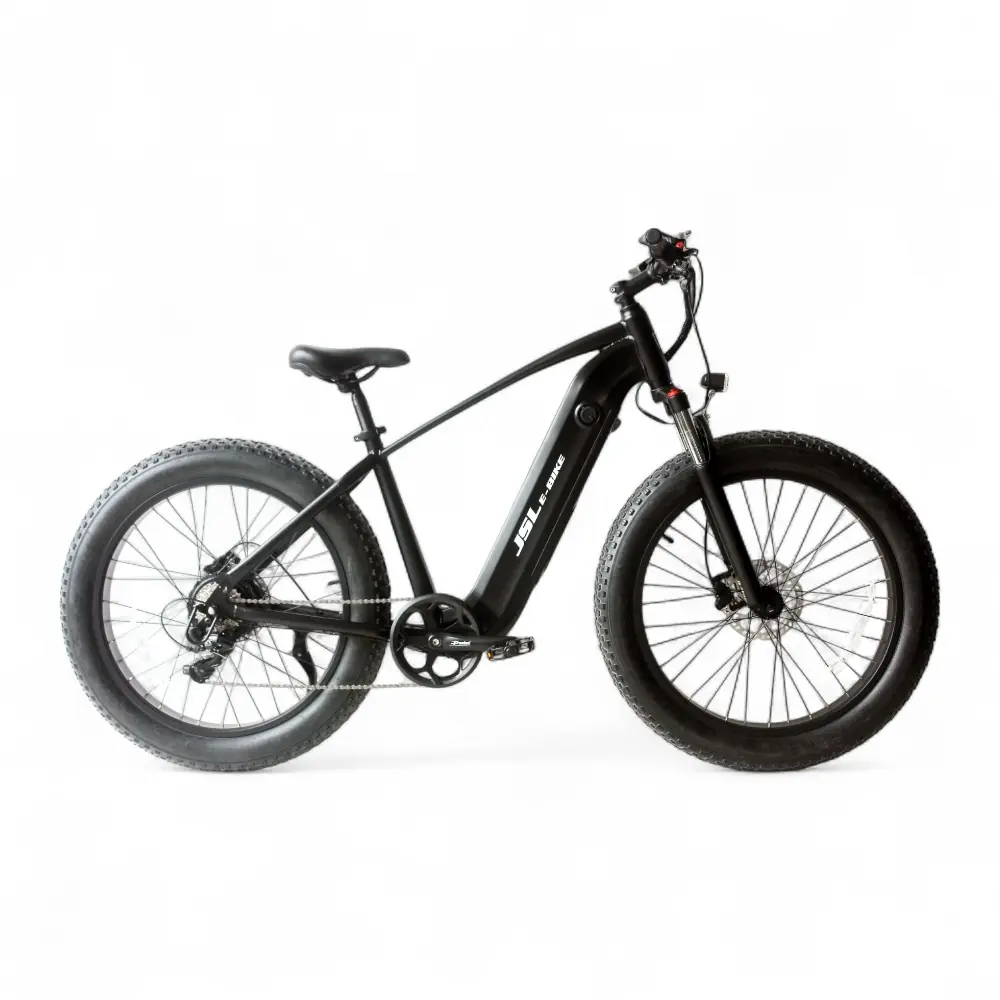
A hardtail e-bike features a suspension fork at the front and a rigid frame at the back. This design has become the go-to for a huge portion of the e-MTB market. In my 20+ years of manufacturing, I can tell you that hardtails are the backbone of our B2B orders for Europe, Australia, and the Americas. The reason is simple: balance. The front suspension handles most of the bumps you will find on light to moderate trails, giving the rider confidence and control. At the same time, the rigid rear end means better power transfer when pedaling on smooth surfaces or climbing, making it feel more efficient. The main downside is that the rear wheel can lose traction and bounce around on very technical terrain or fast, bumpy descents. On soft ground or tough climbs, it won't have the same grip as a full suspension bike. But for the average rider who mixes city streets with weekend forest trails, it is the perfect compromise.
| Feature | Hardtail Suspension |
|---|---|
| Best Use | Light trails, cross-country, city |
| Pros | Good balance of cost and performance |
| Cons | Rear wheel can lose traction on rough terrain |
| Target User | Intermediate riders, all-round use |
When Should Your Brand Invest in Full Suspension E-MTBs?
Your brand wants to compete in the premium market. Riders are demanding bikes that can handle the toughest climbs and most technical descents with ease. Are you ready for that?
You should invest in full suspension e-MTBs when targeting serious off-road riders and the premium market. This system provides unmatched traction, control, and comfort on rough terrain by keeping both wheels planted on the ground, especially when powered by a mid-drive motor.
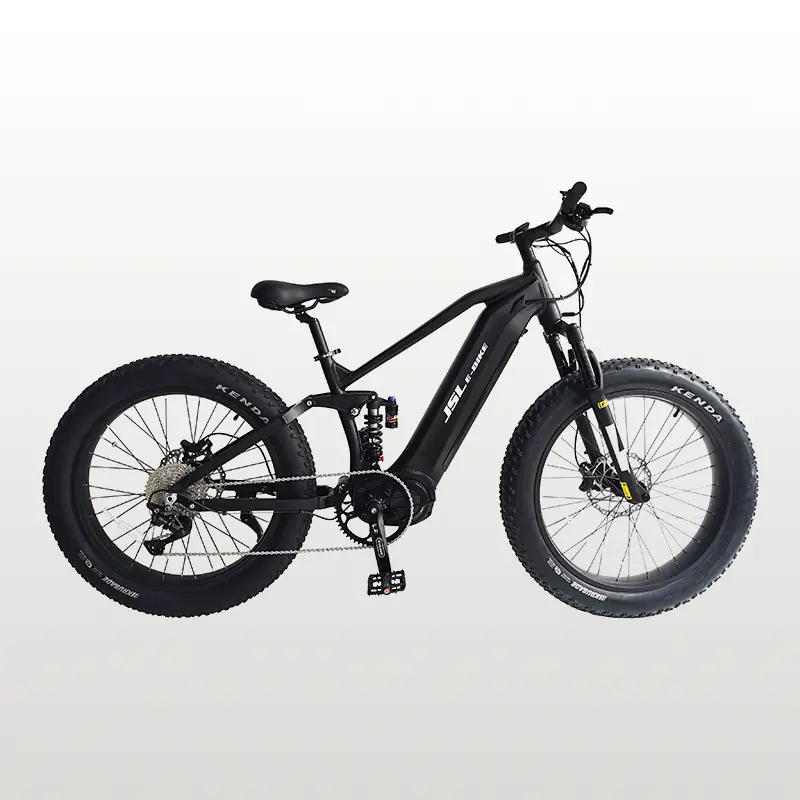
A full suspension, or "dual suspension," e-bike has both a front suspension fork and a rear shock absorber connected by a linkage system. This is the top-tier solution for true off-road performance. The biggest advantage comes from the rear suspension's ability to keep the back tire in constant contact with the ground. When an e-bike's motor is delivering power, especially on a steep, loose climb, a hardtail's rear wheel can skip and lose grip. A full suspension system absorbs the bumps, ensuring the tire maintains traction. This dramatically improves climbing efficiency and overall stability. It also allows for perfect integration with powerful mid-drive motors10, creating a seamless and powerful riding experience. Of course, this performance comes at a cost. The frames are more complex to engineer and require higher-quality welding, and the extra components add weight and maintenance needs. It is a significant investment, but for a brand looking to establish itself as a leader in high-performance e-MTBs, it is absolutely essential.
| Feature | Full Suspension |
|---|---|
| Best Use | Technical trails, climbing, descending |
| Pros | Maximum traction, control, and comfort |
| Cons | Higher cost, heavier, more maintenance |
| Target User | Serious enthusiasts, professional riders |
Conclusion
Choosing between rigid, hardtail, or full suspension defines your e-MTB's purpose. Match the suspension to your target rider's terrain and budget to build a successful, in-demand product line.
Understanding the various e-mountain bike suspension types helps you choose the right one for your riding needs and terrain. ↩
Learn why rigid forks might not be the best choice for off-road trails and how they affect the riding experience. ↩
Discover why hardtail e-mountain bikes are favored for their balance of cost, performance, and versatility. ↩
Explore how full suspension e-mountain bikes offer superior control and comfort on rugged terrains. ↩
Find out how different suspension types impact the comfort and control of your e-bike ride. ↩
Learn how choosing the right suspension can enhance your e-bike's performance on various terrains. ↩
Understand the financial implications of selecting the right e-bike suspension for your brand. ↩
Discover the limitations of rigid e-bikes on off-road trails and why they may not be ideal for rugged terrains. ↩
Understand how front suspension improves control and comfort on light to moderate trails. ↩
Find out how mid-drive motors enhance the performance of full suspension e-mountain bikes on challenging trails. ↩