Choosing the right sensor for your e-bike is confusing. This single choice can make or break the riding experience, directly impacting how customers perceive your brand and its quality.
A cadence sensor gives a fixed power boost whenever you pedal, making it feel like a simple motorized bike. A torque sensor matches the power to your pedaling effort, offering a smooth, natural ride.1 The best choice for your OEM project depends on your target cost and desired ride quality.
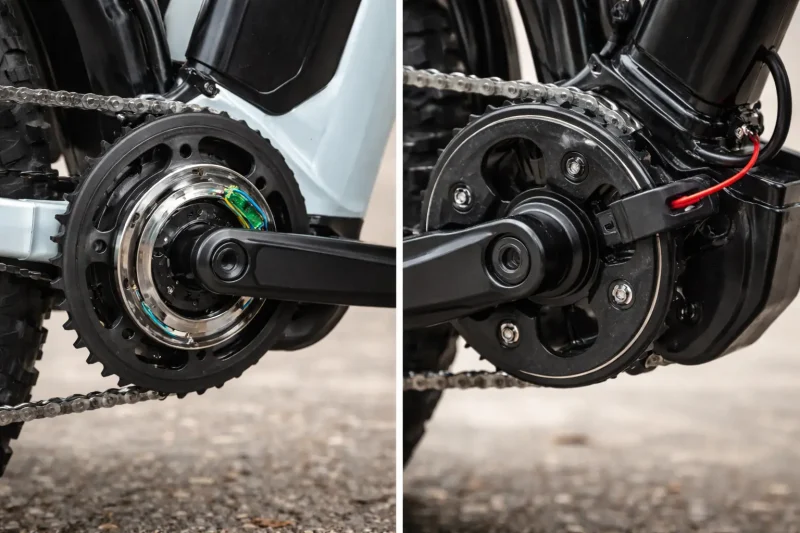
But the difference goes much deeper than just how they work. This decision is about whether your e-bike feels like a basic electric vehicle or a sophisticated, intuitive bicycle. Let's break down exactly which sensor is right for your specific e-bike line and why this decision is so critical for your brand's success.
Is a Cadence Sensor the Right Choice for Cost-Effective E-Bike Models?
Building a high-volume, price-sensitive e-bike line? High-tech sensors can inflate costs and complicate maintenance.2 The cadence sensor offers a reliable, cost-effective solution perfect for entry-level models.
Yes, for many OEM projects, the cadence sensor is the ideal choice. It detects pedal rotation and delivers a consistent power boost.3 Its simple design keeps manufacturing costs low and maintenance easy, making it perfect for wholesale, entry-level commuter bikes, and markets where price is the main factor.
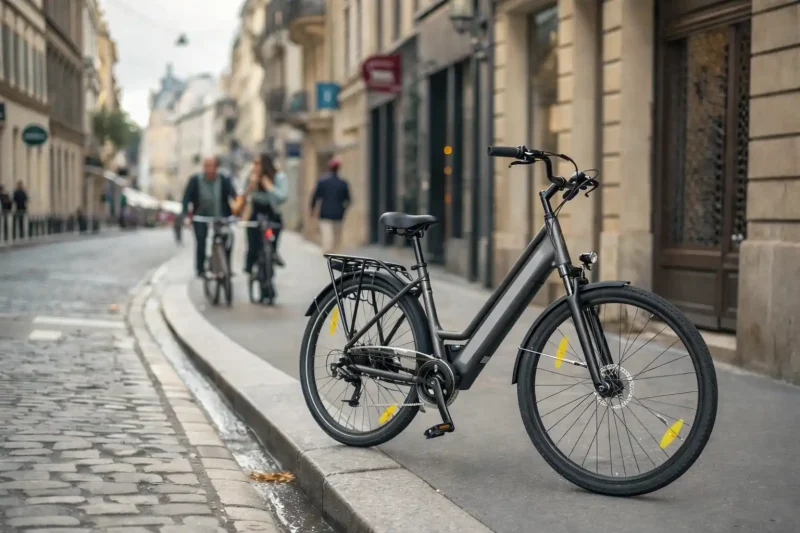
A cadence sensor is beautifully simple. It usually works with a ring of magnets on the crank arm and a sensor on the frame. When you start pedaling, the magnets pass the sensor, telling the motor "go." It doesn't care how hard you pedal, only that you are pedaling. This on/off logic is what makes it so affordable and reliable. For our OEM clients focused on large-scale distribution or creating affordable urban mobility solutions, this sensor is a workhorse. It's predictable, durable, and gets the job done without adding unnecessary costs. It’s the smart business choice when practicality and market penetration are more important than a premium feel. The key is proper tuning to make the power delivery as smooth as possible, even with this simpler system.
| Attribute | Cadence Sensor |
|---|---|
| Primary Function | Detects if pedals are rotating (On/Off) |
| Riding Feel | Delivers a preset level of motor assistance |
| Best For | Entry-level Commuters, Folding E-Bikes, Wholesale Models |
| Key Advantage | Low Cost, Simple Maintenance, Mature Technology |
| OEM Focus | Cost Control, High Volume, Market Accessibility |
When Should You Invest in a Torque Sensor for Your E-Bike Line?
Want your e-bike brand to stand out with a premium feel? A clunky, unnatural power delivery can make an otherwise great bike feel cheap.4 A torque sensor justifies a higher price.
You should invest in a torque sensor when targeting mid-to-high-end markets. It measures your pedaling force, delivering proportional assistance for a seamless, natural ride.5 This is crucial for mountain e-bikes, premium city commuters, and any model where ride quality is a key selling point.
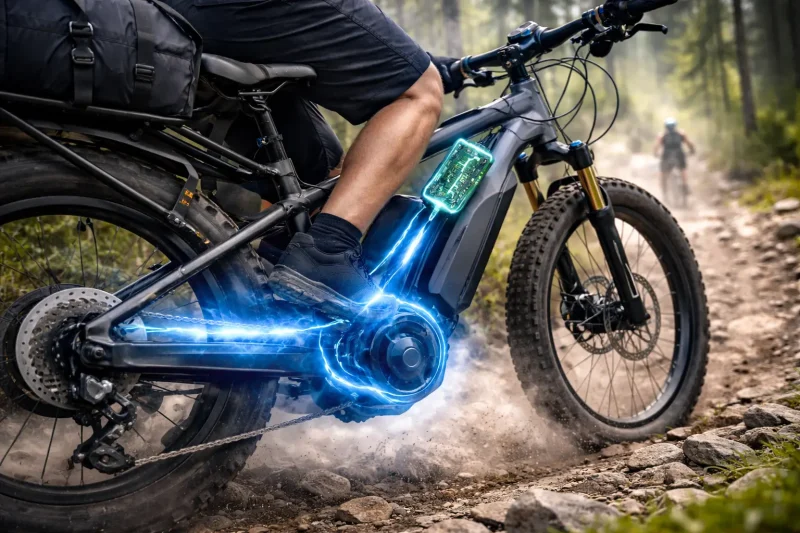
A torque sensor is much more sophisticated. It measures how much force you are putting on the pedals. If you push lightly, it gives you a little help. If you push hard to climb a hill, it gives you a lot more help. The result is a ride that feels like you, but stronger. The motor's assistance becomes an intuitive extension of your own effort.6 This is why it's essential for performance-oriented bikes. On a mountain trail, you need precise control, not a sudden surge of power. For premium city bikes, customers expect a refined, smooth experience. From my manufacturing experience, I can tell you that a poorly implemented torque sensor is worse than a well-tuned cadence sensor. That's why our OEM process focuses heavily on system integration—the controller, motor, and sensor must work together perfectly.
| Attribute | Torque Sensor |
|---|---|
| Primary Function | Measures how hard the rider is pedaling |
| Riding Feel | Delivers proportional assistance that feels natural |
| Best For | Mountain E-Bikes, Premium City Bikes, Cargo E-Bikes |
| Key Advantage | Superior Ride Quality, Intuitive Control, Premium Feel |
| OEM Focus | Brand Differentiation, Higher Margin, Performance |
How Does the Sensor Choice Impact the End User's Riding Experience?
Your customers don't know sensor specs. But they instantly feel if the bike is jerky or intuitive. This feeling defines their opinion of your brand and is their crucial first impression.
The sensor directly impacts ride feel. A cadence sensor provides a simple "on/off" boost, which can feel abrupt. A torque sensor delivers smooth, proportional power that feels like a natural extension of your own pedaling, creating a more intuitive and enjoyable ride for the end user.
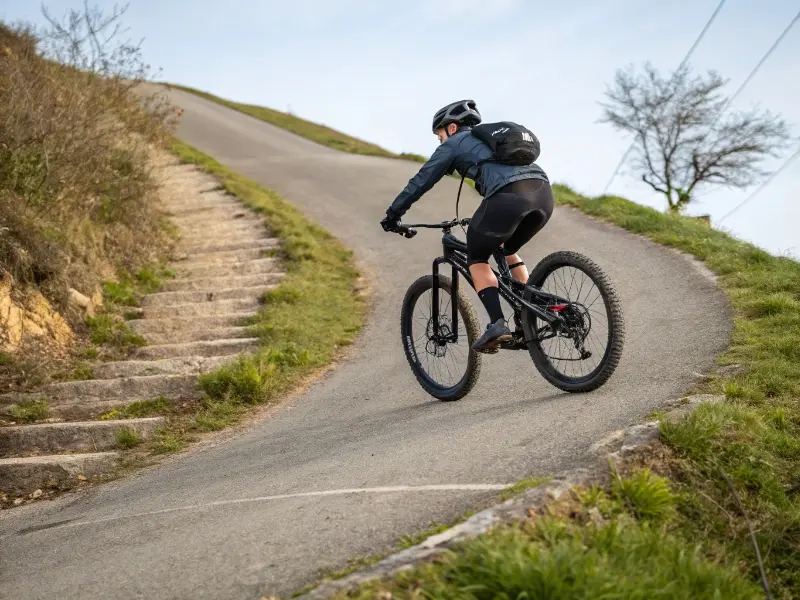
I always tell my OEM partners to remember one thing: end-users don't know the technical terms, but they absolutely know how the bike feels. This feeling is your brand. A bike with a basic cadence sensor might feel like this to a rider: "I started pedaling, and after a short delay, the motor kicked in and the bike jumped forward. It's powerful, but I have to be ready for it." In contrast, a bike with a well-tuned torque sensor feels like this: "The bike feels just like my regular bicycle, but going up hills is suddenly easy. The harder I pedal, the more help I get. It's amazing." Your choice of sensor is the biggest factor in creating that feeling. Is your brand about simple, affordable power, or is it about a seamless, premium cycling experience?
| User Feeling | Cadence Sensor Experience | Torque Sensor Experience |
|---|---|---|
| Starting | Can have a slight delay then an abrupt "kick" | Smooth, immediate, and proportional to pedal pressure |
| Cruising | Provides constant power as long as pedals turn | Provides gentle support that matches your effort |
| Climbing Hills | Power is fixed; you may need to change gears often | Power increases as you pedal harder, making it feel effortless |
| Overall Impression | "The motor is helping me." | "I feel stronger." |
Conclusion
Choosing between cadence and torque sensors isn't about technology, but strategy. Match the sensor to your target market's budget and expectations to build a successful OEM e-bike line.7
"[PDF] The Copenhagen Wheel - MIT Senseable City Lab", https://senseable.mit.edu/papers/pdf/20100325_Outram_etal_CopenhagenWheel_EcologicVehicles.pdf. This source describes how torque sensors measure pedaling force and deliver proportional motor assistance for a seamless riding experience. Evidence role: mechanism; source type: research. Supports: Torque sensors match motor assistance to pedaling effort, creating a smooth and natural riding experience.. ↩
"The Best Electric Bikes of 2026 | Lab Tested & Ranked", https://www.outdoorgearlab.com/topics/biking/best-electric-bike. This source discusses the cost implications and maintenance challenges associated with high-tech sensors in e-bikes. Evidence role: expert_consensus; source type: education. Supports: High-tech sensors increase manufacturing costs and may complicate maintenance for e-bikes.. Scope note: The source may focus on specific sensor types rather than all high-tech sensors. ↩
"How does the cadence sensor work? - Electric Bike Forums", https://forums.electricbikereview.com/threads/how-does-the-cadence-sensor-work.40774/. This source explains how cadence sensors detect pedal rotation and provide consistent motor assistance in e-bikes. Evidence role: mechanism; source type: encyclopedia. Supports: Cadence sensors detect pedal rotation and deliver consistent motor assistance.. ↩
"E-Bike Research | TREC - Portland State University", https://trec.pdx.edu/e-bike-research. This source discusses how poor power delivery affects the perceived quality of e-bikes. Evidence role: expert_consensus; source type: education. Supports: Unnatural power delivery negatively impacts the perceived quality of e-bikes.. Scope note: The source may focus on specific sensor types rather than general power delivery issues. ↩
"How does a Torque Sensor determine when and how much power ...", https://www.facebook.com/groups/aventureowners/posts/1032883291527767/. This source explains how torque sensors measure pedaling force and provide proportional motor assistance for a natural riding experience. Evidence role: mechanism; source type: research. Supports: Torque sensors measure pedaling force and deliver proportional motor assistance for a seamless ride.. ↩
"If you haven't tried a bike with a **torque sensor**, you're missing out ...", https://www.facebook.com/groups/1557534354520788/posts/3859630424311158/. This source describes how torque sensors create an intuitive riding experience by matching motor assistance to pedaling effort. Evidence role: mechanism; source type: research. Supports: Torque sensors create an intuitive riding experience by matching motor assistance to pedaling effort.. Scope note: The source may focus on specific e-bike models rather than general applicability. ↩
"[PDF] Impacts of E-bike Ownership on Travel Behavior - ROSA P", https://rosap.ntl.bts.gov/view/dot/66159/dot_66159_DS1.pdf. This source discusses how sensor choice impacts e-bike market positioning and customer satisfaction. Evidence role: expert_consensus; source type: education. Supports: Sensor choice should align with target market budget and expectations to ensure OEM e-bike success.. Scope note: The source may focus on specific market segments rather than general applicability. ↩