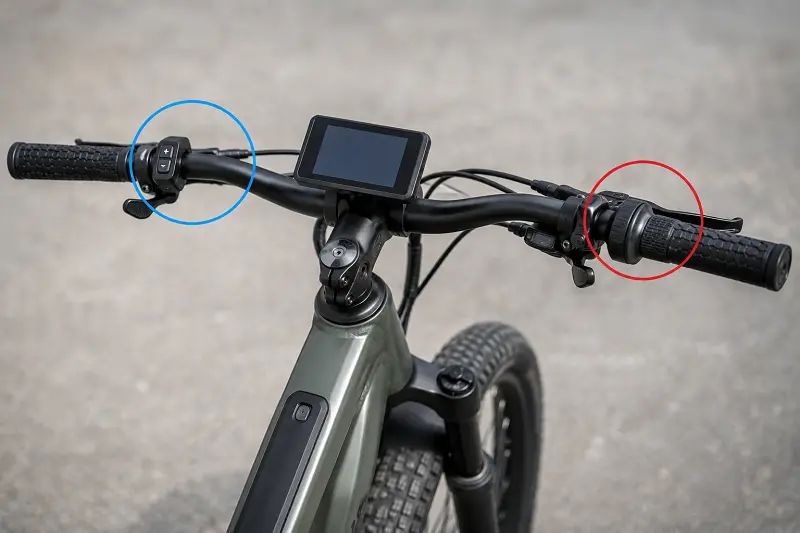
Choosing between pedal-assist and a throttle seems small, but it can make or break your e-bike's success. This single choice defines your product and its place in the market.
Pedal-assist (PAS) is best for regulated markets like Europe, focusing on a true cycling experience and compliance. Throttle-drive is ideal for markets like North America1, offering instant power and convenience without needing to pedal, which appeals to users looking for effortless fun.
This decision goes far beyond simple user preference. As an OEM/ODM partner, I've seen how deeply this choice impacts a brand's strategy. Understanding the implications of each system is critical to building an e-bike line that actually sells and stays on the right side of the law. Let's break down the factors you really need to consider before you commit to a design.
Why is Pedal-Assist the Safer Bet for European and Regulated Markets?
Entering the European market is tough. Strict regulations can stop a product before it even launches. Picking the wrong drive system is a common and very costly mistake I see happen.
Pedal-assist systems are the standard for EU compliance2 because they keep the e-bike's legal status as a "bicycle." This ensures market access, avoids complex licensing, and fits the European cycling culture. It is the most stable choice for any business looking for long-term success.

When we talk about an e-bike's "bicycle attribute," we mean that it feels and legally acts like a traditional bike. Pedal-assist is key to this3. The motor only helps when you pedal, which regulators in places like the EU love. This is why standards like EN15194 are built around this idea. For a bike to be sold as a standard e-bike (an EPAC), it must be primarily pedal-assist. I once had a client who insisted on adding a "small" throttle to their European-bound city bikes. The entire shipment was held at customs and eventually sent back because it no longer qualified as an EPAC. It was a painful and expensive lesson. Pedal-assist keeps things simple and compliant4. It targets the right user for that market: the daily commuter, the weekend fitness rider, and the person who loves cycling but just wants a little help on the hills.
| Feature | Pedal-Assist (PAS) | Throttle-Drive |
|---|---|---|
| Legal Status (EU) | Bicycle (EPAC) | Often classified as a moped |
| User Action | Must pedal to get motor assistance | Twist throttle for power, no pedaling needed |
| Riding Experience | Natural, cycling-focused | Effortless, like a light scooter |
| Market Access | High in regulated markets | Restricted or requires different licensing |
When Does a Throttle-Drive Give Your E-Bike a Competitive Edge?
Your customers are asking for power and they want it to be easy. A pedal-assist bike might feel like too much work for them. So, how do you deliver that instant "wow" factor?
A throttle is perfect for markets like North America5 and for specific models like fat-tire or cargo e-bikes. It gives you instant acceleration and makes riding feel effortless. This is a huge draw for users who want convenience, raw power, or need help with heavy loads.

The throttle changes the entire experience. It turns the e-bike from something you exercise on to something that just gets you from A to B with zero effort. This is exactly what many customers in North America are looking for. It's less about the purity of cycling and more about fun and utility. Think about fat-tire e-bikes on sand or snow—pedaling can be tough, but a throttle makes it a breeze. Or consider a delivery rider using a cargo e-bike; a throttle helps them get a heavy load moving from a dead stop. A client of ours launched a throttle-equipped fat-tire bike in the US, and it was a massive success. The immediate power feedback was their number one selling point. However, this power comes with responsibility. The risk of accidents is higher, so we had to work closely with them to include very clear safety warnings and user guidelines.
Who is the Throttle-Drive E-Bike For?
- Recreational Riders: People who want to explore trails or cruise boardwalks without breaking a sweat.
- Utility Users: Delivery drivers or parents using cargo bikes who need help with heavy loads.
- Accessibility: Riders with physical limitations who find continuous pedaling difficult.
- Thrill-Seekers: Users who want the feeling of instant acceleration similar to a motorcycle.
How Does This Choice Impact Your OEM/ODM Project Strategy?
You think your e-bike design is final. But one small choice—pedal-assist or throttle—could change everything from your target customer to your legal risks. Are you ready for those consequences?
Choosing between pedal-assist and a throttle is a major strategic decision, not just a feature to check off a list. It directly impacts your product's legal classification, market position, and after-sales needs. You must make this decision early in the OEM/ODM process, based on your target market.
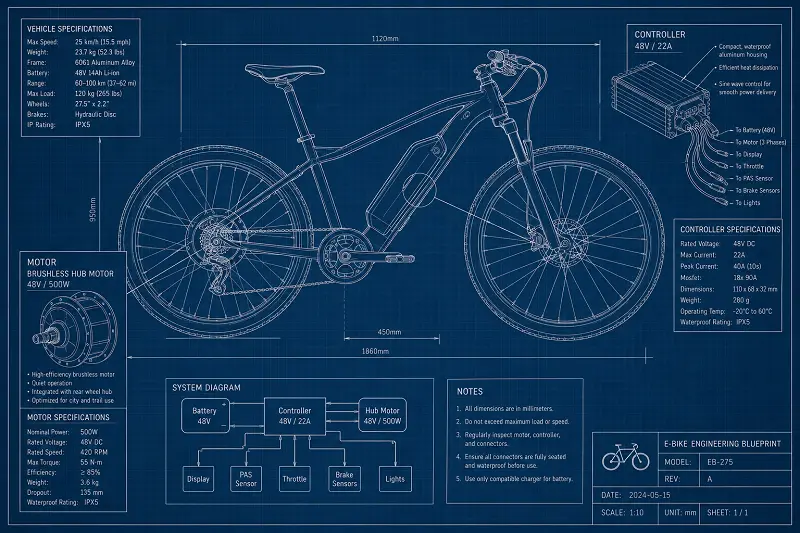
I can't stress this enough: adding a throttle is not a simple "upgrade."6 It fundamentally changes the product's identity. From a manufacturing perspective, it might require a different motor controller, a more robust battery management system (BMS), and even frame reinforcements to handle the instant torque. From a business perspective, it changes who you sell to and how you market the bike. A pedal-assist bike is sold on its "authentic ride feel" and "healthy lifestyle" benefits. A throttle bike is sold on "effortless power" and "go-anywhere convenience." As an OEM client, you must decide what kind of company you want to be. Are you building compliant, long-term products for stable markets, or are you chasing the power-hungry customer in less-regulated spaces? This choice sets your path.
| Strategic Factor | Pedal-Assist Focus | Throttle Focus |
|---|---|---|
| Target Market | Europe, Japan, Regulated Cities | North America, Recreational Areas |
| User Profile | Commuter, Fitness Rider, Traditional Cyclist | Convenience Seeker, Power User, Utility Rider |
| Legal & Compliance Risk | Low | High (Varies by region) |
| Marketing Angle | "Authentic ride feel," "Healthy lifestyle" | "Effortless power," "Go anywhere" |
| After-Sales Support | Standard component issues | Higher wear on drivetrain, potential liability |
Conclusion
Choosing pedal-assist or a throttle isn't a technical detail. It is a strategic decision that defines your e-bike's market identity, legal risk, and core customer appeal.
"[PDF] US Electric Bicycle Industry - Stagnant Growth and COVID-19 Threats", https://business.uoregon.edu/sites/default/files/media/electric-bicycle-industry-report.pdf. This source provides data on consumer preferences and market trends for throttle-drive e-bikes in North America. Evidence role: statistic; source type: research. Supports: Throttle-drive is ideal for markets like North America, offering instant power and convenience without needing to pedal.. Scope note: The data may focus on specific regions within North America and not represent the entire market. ↩
"Electric bicycle laws - Wikipedia", https://en.wikipedia.org/wiki/Electric_bicycle_laws. This source explains how pedal-assist systems align with EU regulations, particularly EN15194, which governs e-bike classifications. Evidence role: mechanism; source type: government. Supports: Pedal-assist systems are the standard for EU compliance because they keep the e-bike's legal status as a "bicycle.". Scope note: The source may focus on specific EU countries and not cover all regulatory nuances. ↩
"NJMVC | E-bike Requirements - NJ.gov", https://www.nj.gov/mvc/vehicletopics/ebike.htm. This source explains how pedal-assist systems contribute to maintaining the legal status of e-bikes as bicycles under EU law. Evidence role: mechanism; source type: government. Supports: Pedal-assist is key to maintaining the e-bike's legal status as a bicycle in regulated markets like the EU.. Scope note: The source may not address exceptions or variations in local regulations. ↩
"Electric Bicycles (E-Bikes) on Federal Lands - Congress.gov", https://www.congress.gov/crs-product/IF12459. This source discusses how pedal-assist systems meet regulatory requirements and simplify market entry in Europe. Evidence role: expert_consensus; source type: institution. Supports: Pedal-assist keeps things simple and compliant, targeting the right user for regulated markets like Europe.. Scope note: The source may not address all compliance challenges, such as customs issues or specific country regulations. ↩
"A Beginner's Guide to Pedal Assist vs Throttle E-Bikes", https://crazylennysebikes.com/pedal-assist-vs-throttle-ebikes-guide/?srsltid=AfmBOoosBYNW-zZ4e8wT-h9CXOo3cD6jMEkZKaYwKIUyQr4JccUXLqUw. This source outlines the advantages of throttle systems for recreational and utility e-bike users in North America. Evidence role: general_support; source type: education. Supports: A throttle is perfect for markets like North America and for specific models like fat-tire or cargo e-bikes.. Scope note: The source may focus on specific use cases and not cover all throttle applications. ↩
"Can I add a throttle to my e-bike? - Facebook", https://www.facebook.com/groups/926685377947023/posts/1737376366877916/. This source discusses the technical and strategic implications of adding throttle systems to e-bikes. Evidence role: mechanism; source type: research. Supports: Adding a throttle fundamentally changes the product's identity and requires significant technical adjustments.. Scope note: The source may focus on technical aspects and not fully address market or legal impacts. ↩