You think e-bike assembly is just screwing parts together. But this overlooks the details that cause major failures. True quality comes from a standardized process, not just a checklist.1
E-bike assembly is a detailed process that integrates mechanical and electrical systems. It involves frame preparation, installing components like the motor and battery, connecting all electronics, and running multiple tests. The goal is to create a stable, reliable, and safe final product.
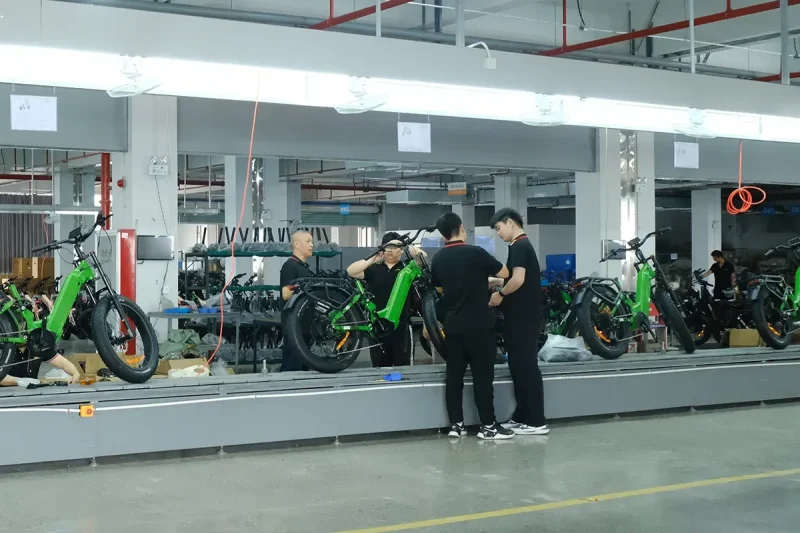
So, we have the basic steps. But honestly, that's just the surface level. Knowing the steps isn't as important as understanding how those steps are done. As a B2B partner, this is where your focus should be. Let's look deeper into what really matters.
Why Should You Care More About Assembly Standards Than Just the Steps?
You see a factory's assembly line and assume they can build your bikes. But if they lack strict standards, you're risking inconsistent quality. This is how small issues become big problems.
Because standards ensure every bike is built the same, reliable way.2 Without them, one bike might be perfect, but the next could have loose screws or faulty wiring. For OEM/ODM orders, consistent quality across thousands of units is what protects your brand and prevents costly returns.
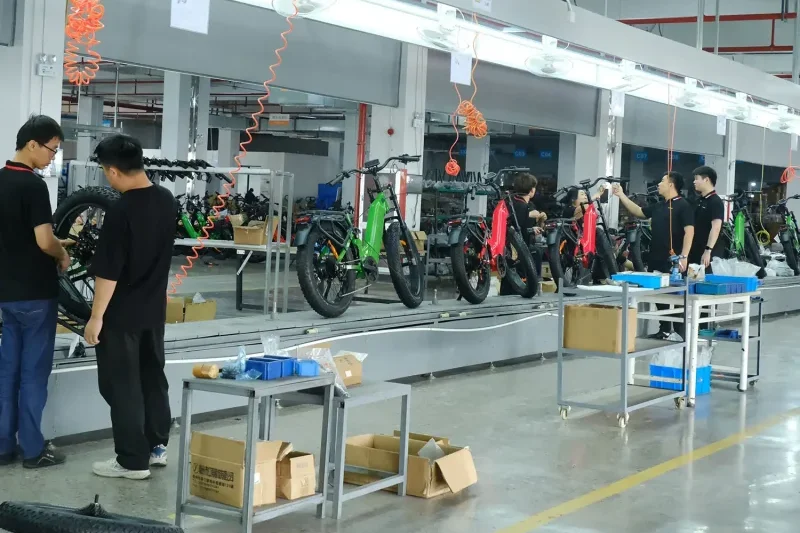
In my 20+ years in manufacturing, I've seen that the biggest difference between a basic workshop and a professional OEM/ODM partner is the commitment to standards. It’s not about if they can tighten a screw, but how. Do they use a calibrated torque wrench for every critical bolt? Is every wire harness routed and secured according to a specific diagram to prevent pinching or water ingress? These standards are documented in a Standard Operating Procedure (SOP) for every station on the assembly line. This ensures that every worker performs the task in the exact same way, every single time. For you as a client, this is the only way to guarantee that the 1,000th bike you receive is built to the same high quality as the golden sample you approved.
| Task | Without Standards | With Standards |
|---|---|---|
| Screw Tightening | Tightened by "feel" | Tightened to specific torque (Nm) |
| Wire Routing | Wires stuffed into frame | Routed and secured to prevent damage |
| Connector Sealing | Connectors pushed together | Waterproof seals checked and seated |
How Do Small Assembly Details Prevent Big After-Sales Headaches?
You're getting customer complaints about power cutting out or strange noises. You blame the components, but the real cause is often hidden. It's the tiny assembly mistakes that create these headaches.
Small details like correct screw torque, secure wire connections, and proper brake tuning are critical. When these are overlooked, they lead directly to common after-sales issues like loose parts, electrical failures, and safety hazards. Proper assembly control prevents these problems from ever reaching your customer.
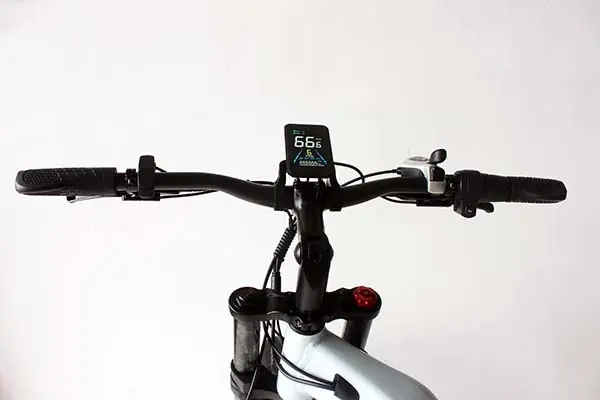
Most after-sales problems aren't because a major component like the motor or battery failed. More often, they come from a tiny detail that was missed during assembly. I once had a client who was convinced they had a batch of faulty controllers because bikes were randomly losing power. After investigating, we found the root cause: a wire harness connector wasn't being fully clicked into place on the assembly line.3 The connection was just good enough to pass the initial test, but it would vibrate loose after a few miles of riding. This is a classic example. Poorly adjusted brakes are a safety risk4, a loose battery mount creates annoying rattles, and inconsistent screw torque leads to parts becoming loose over time.5 These issues frustrate your customers and damage your brand's reputation. A professional assembly process focuses on eliminating these small mistakes before they become your big problems.
| Assembly Detail | Potential After-Sales Problem |
|---|---|
| Loose wire connector | Intermittent power loss, display errors |
| Improper brake adjustment | Squealing, poor stopping power, safety risk |
| Insecure battery mount | Rattling noises, potential for battery to fall |
| Inconsistent screw torque | Parts loosening, creaking, structural risk |
What Guarantees Your Sample's Quality Will Be In Every Bike You Order?
You approved a perfect sample bike. But you worry the thousand bikes in your mass order won't be as good. This fear is valid if your manufacturer lacks a robust quality system.
Consistency is guaranteed by a multi-layered quality control system.6 This includes detailed work instructions for every station7, first article inspections for every batch, regular checks during the process, and mandatory power-on and road tests for every single bike8 before it is packaged.
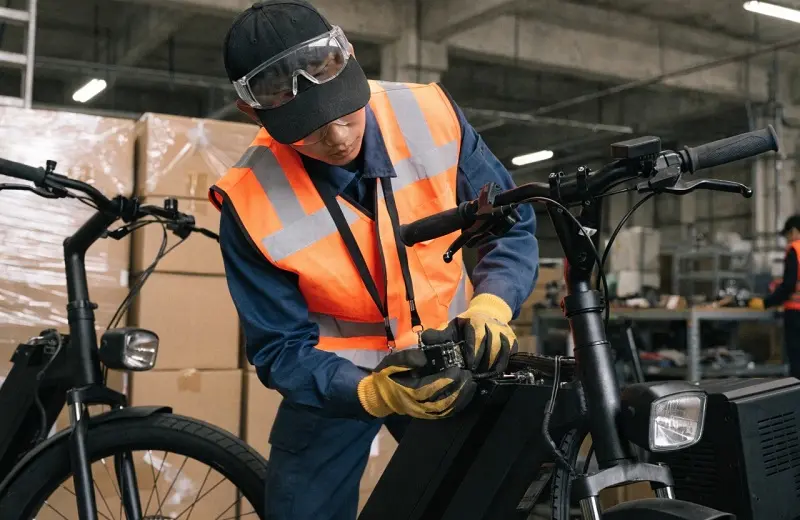
The ability to scale from one perfect sample to thousands of identical units is what defines a true manufacturing partner. This isn't magic; it's a system. It starts with a First Article Inspection (FAI)9, where the very first bike off the line for your order is scrutinized against every single specification. Nothing else is built until that first one is perfect. Then, during production, we have In-Process Quality Control (IPQC)10. These are inspectors who patrol the line, pulling random bikes and checking the work at every station against the SOPs. This catches any deviation early. Finally, no bike is ever packed until it passes a 100% functional test11. This includes a full power-on test of the electrical system—display, motor, sensors, lights—and often a short road test on a designated track to check brakes, shifting, and overall feel. This complete system is the only thing that guarantees the quality you approved is the quality you receive in bulk.
Conclusion
The assembly process is more than just building a bike. It’s about building a reliable product and protecting your brand. The right partner ensures quality from parts to final delivery.
"Standard Operating Procedures: A Writing Guide", https://extension.psu.edu/standard-operating-procedures-a-writing-guide/. This source explains the importance of standardized processes in manufacturing to ensure consistent quality and reliability. Evidence role: expert_consensus; source type: education. Supports: True quality in e-bike assembly is achieved through standardized processes rather than simple checklists.. ↩
"Manufacturing Best Practices | CPSC.gov", https://www.cpsc.gov/business--manufacturing/business-education/business-guidance/BestPractices. This source discusses how manufacturing standards contribute to consistent product quality and reliability. Evidence role: mechanism; source type: education. Supports: Manufacturing standards ensure consistent quality and reliability in e-bike production.. ↩
"Common Pitfalls of Wire Harness Design and How to Avoid ...", https://www.zuken.com/us/blog/common-pitfalls-of-wire-harness-design-and-how-to-avoid-them/. This source provides examples of how minor assembly errors, such as improperly connected wire harnesses, can lead to product failures. Evidence role: case_reference; source type: education. Supports: Improperly connected wire harnesses during assembly can cause intermittent power loss in e-bikes.. Scope note: The source may provide general examples rather than the specific case mentioned. ↩
"How good should gravel bike brakes stop? - Facebook", https://www.facebook.com/groups/1594374638047872/posts/2224638125021517/. This source explains how improper brake adjustments can lead to safety risks in bicycles, including e-bikes. Evidence role: mechanism; source type: education. Supports: Improperly adjusted brakes in e-bikes pose significant safety risks.. ↩
"Effect of Abutment Screw Design on Torque Loss Under Cyclic ...", https://pmc.ncbi.nlm.nih.gov/articles/PMC12561121/. This source discusses how inconsistent screw torque can result in parts loosening and structural issues in mechanical assemblies. Evidence role: mechanism; source type: education. Supports: Inconsistent screw torque in e-bike assembly can lead to parts loosening over time.. ↩
"Quality assurance: Importance of systems and standard operating ...", https://pmc.ncbi.nlm.nih.gov/articles/PMC3088954/. This source outlines how multi-layered quality control systems ensure consistent product quality in manufacturing. Evidence role: mechanism; source type: education. Supports: Multi-layered quality control systems ensure consistency in e-bike production.. ↩
"The Importance of Giving Clear Instructions - WISELearn Resources", https://wlresources.dpi.wi.gov/authoring/1829-the-importance-of-giving-clear-instructions/view. This source discusses how detailed work instructions contribute to consistent quality in manufacturing processes. Evidence role: mechanism; source type: education. Supports: Detailed work instructions for every station ensure consistent quality in e-bike assembly.. ↩
"[PDF] Summary of Electric and Non- Powered Bicycle Standards", https://www.cpsc.gov/s3fs-public/Electric-and-Non-Powered-Bicycle-Standards-Summary-Report.pdf?VersionId=rZGs9tSONCKqT8AEaJJMZd_S1nDJpKEW. This source highlights the role of mandatory power-on and road tests in ensuring the functionality and safety of e-bikes. Evidence role: mechanism; source type: education. Supports: Mandatory power-on and road tests ensure the functionality and safety of e-bikes before delivery.. ↩
"First article inspection - Wikipedia", https://en.wikipedia.org/wiki/First_article_inspection. This source explains the purpose and process of First Article Inspections in manufacturing quality control. Evidence role: definition; source type: education. Supports: First Article Inspection (FAI) is a critical step in ensuring initial product quality in manufacturing.. ↩
"Quality control - Wikipedia", https://en.wikipedia.org/wiki/Quality_control. This source describes the role of In-Process Quality Control in maintaining manufacturing standards during production. Evidence role: definition; source type: education. Supports: In-Process Quality Control (IPQC) helps maintain manufacturing standards during production.. ↩
"Role of Functional Testing in PCB Assembly", https://www.acceleratedassemblies.com/blog/role-of-functional-testing-in-pcb-assembly. This source explains the importance of 100% functional testing in ensuring product reliability before shipment. Evidence role: mechanism; source type: education. Supports: 100% functional testing ensures product reliability in e-bike manufacturing.. ↩