Choosing between aluminum and steel frames feels like a complex technical problem. You worry that the wrong choice will hurt your product's cost, performance, and market appeal. It's not about which is "better," but which is right for your brand.
The best frame material for your e-bike depends entirely on your product's positioning and target market. Aluminum is ideal for lightweight, modern, and premium e-bikes, while steel is a better fit for cost-effective, rugged-looking, or retro-styled models. The key is matching the material to your brand's goals.
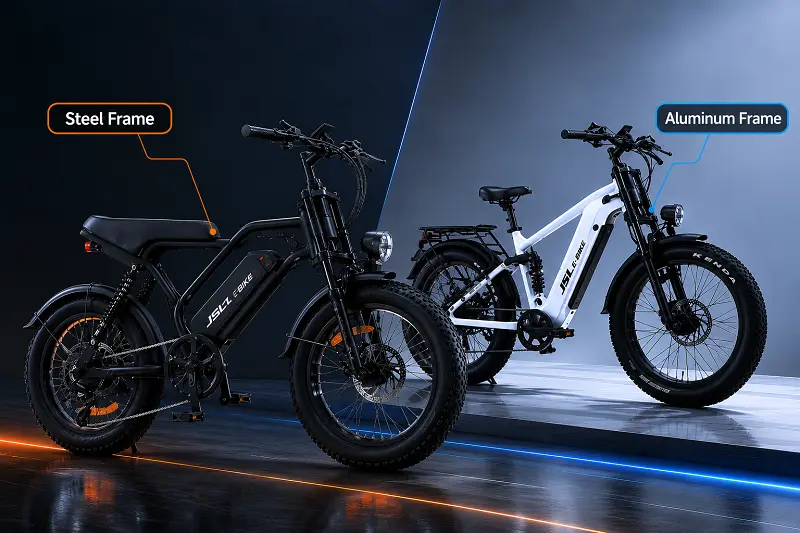
That simple answer is a good starting point, but it doesn't tell the whole story. As a business, you need to understand the deeper implications of this choice for your product line, your brand image, and your bottom line. Let's break down the specific scenarios where each material shines and, most importantly, the one factor that most clients overlook but is critical for success.
Why Would You Choose an Aluminum Frame for Your E-Bike Line?
You want to build a premium, modern e-bike brand. But you're not sure if an aluminum frame truly delivers the value your customers expect. Let's look at why it's so often the top choice for brands aiming for the mid-to-high end of the market.
Choose aluminum frames for their light weight, excellent corrosion resistance, and sleek, modern look. They are perfect for city, mountain, and folding e-bikes. This helps you build a high-value product line that can support a higher price point for your brand.
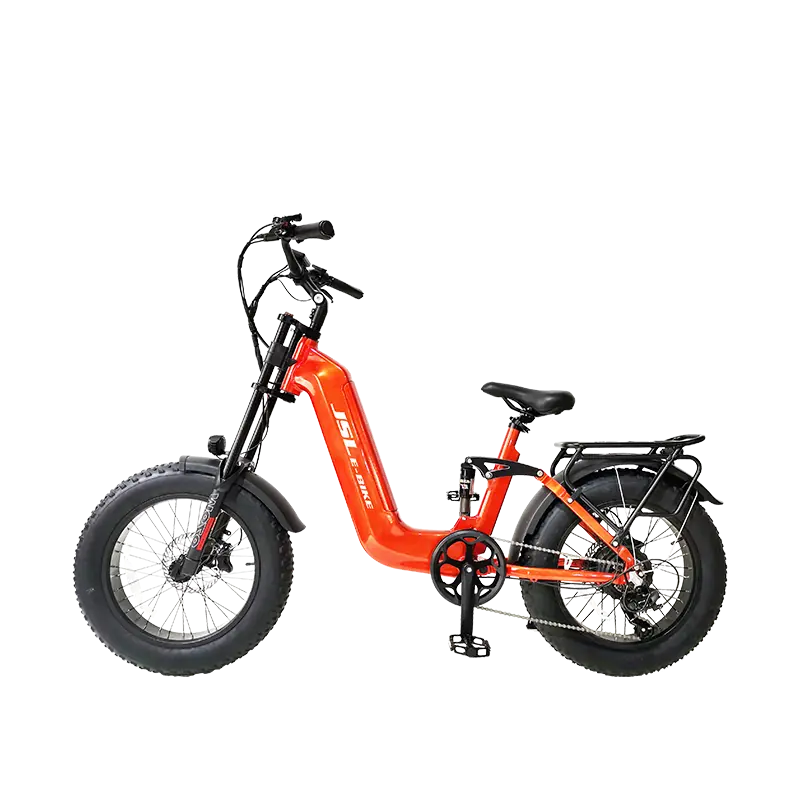
When we talk about aluminum frames, we're really talking about selling a specific experience to the end-user. The primary advantage is its low weight. For a city commuter, this means they can carry their bike upstairs more easily. For a mountain biker, it means a more agile and responsive ride on the trail. This "lightweight" feature is a tangible benefit that customers understand and are often willing to pay more for. Another major benefit is aluminum's natural resistance to rust1. This means the bike will look better for longer, even in wet climates, which enhances the perception of quality and durability. From a design standpoint, aluminum is very malleable. We can use processes like hydroforming to create complex tube shapes2, which allows for more modern, aerodynamic, and integrated designs. This is how you create a bike that looks high-tech and supports a premium brand image.
| E-Bike Type | Why Aluminum is a Good Fit | Target Customer |
|---|---|---|
| City Commuter E-Bike | Lightweight for carrying, modern look fits urban style. | Young professionals, city dwellers. |
| Mountain E-Bike (eMTB) | Lighter weight improves handling and agility on trails. | Performance-focused riders, enthusiasts. |
| Folding E-Bike | Weight is the most critical factor for portability. | Multi-modal commuters, apartment dwellers. |
When Does a Steel Frame Make More Sense for Your Business?
You're focused on cost and durability. But you might have heard that steel is just heavy and old-fashioned. I'm here to tell you that steel frames still have a very important place in the e-bike market, and they might be the perfect strategic choice for you.
A steel frame is the right choice when cost-effectiveness, a feeling of strength, and specific classic styles are your main goals. It is perfect for fat tire bikes, retro models, and entry-level e-bikes where a rugged look is part of the appeal.
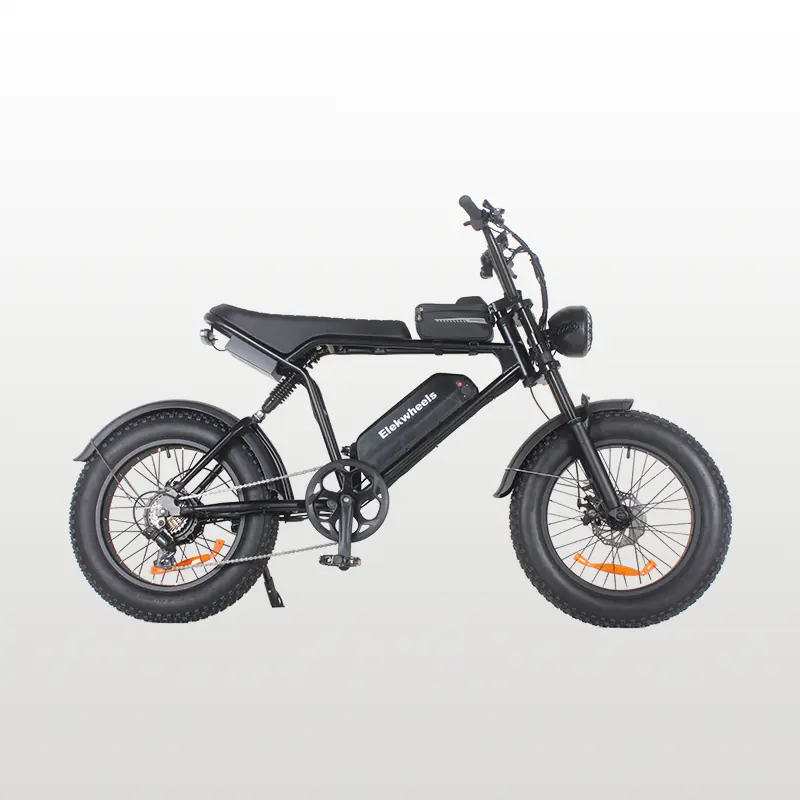
The most obvious advantage of steel is its cost. The raw material is less expensive, which means we can build the frame for less. This cost saving can be passed on to the customer, making your e-bike more competitive in price-sensitive markets. Or, it can increase your own profit margin. But steel isn't just about being cheap. It has a unique character. For certain e-bike styles, like fat tire bikes or retro "Harley" style models, the visible thickness and weight of steel actually become a selling point. It creates a visual sense of strength, stability, and ruggedness that customers love. You just can't get that same "tough" look from a lightweight aluminum frame. Steel also allows for great design flexibility, but in a different way than aluminum. Because steel is so strong, we can use much thinner tubes3. This is essential for creating authentic classic, vintage, and retro e-bike designs that require a slim, elegant frame profile.
| E-Bike Type | Why Steel is a Good Fit | Target Customer |
|---|---|---|
| Fat Tire E-Bike | The heavy look matches the rugged aesthetic; weight is less of a concern. | All-terrain riders, customers who value a "tough" look. |
| Retro/Vintage E-Bike | Slim tube profiles create an authentic classic appearance. | Style-conscious riders, niche markets. |
| Cargo / Utility E-Bike | High strength for heavy loads and commercial use. | Delivery businesses, families needing a workhorse bike. |
Is the Frame Material Really the Most Important Factor?
You're now weighing the pros and cons of aluminum versus steel for your brand. But what if I told you that you might be focusing on the wrong detail? There's a hidden factor that can make or break your product's quality, regardless of the material you choose.
No, the material alone is not the most important factor. The manufacturing process—including welding quality, heat treatment, and anti-rust procedures—is far more important. A well-made steel frame will always outperform a poorly made aluminum one, and vice-versa.
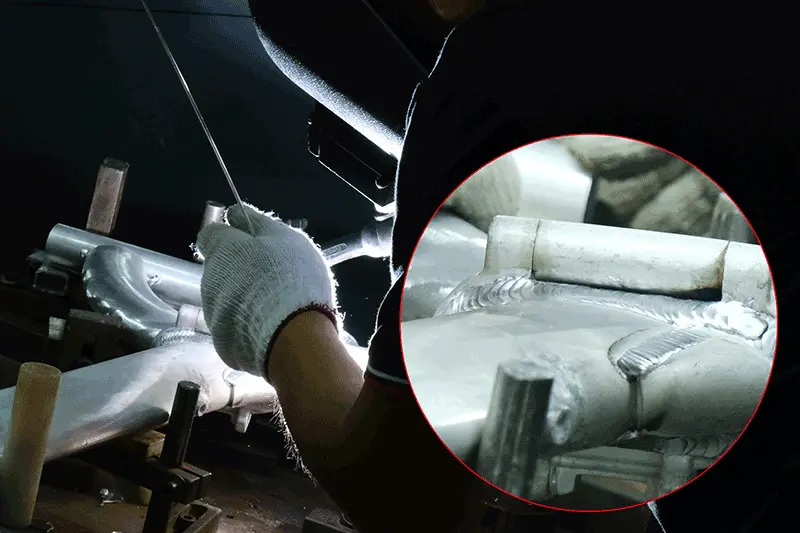
This is the point I see clients miss most often. They specify a material, but not the process. For example, with an aluminum frame, the welding process is critical4. After welding, the areas around the weld lose their strength5. The entire frame must then go through a specific heat treatment process (like T6) to restore that strength uniformly6. If a factory skips this step or does it incorrectly to save money, you end up with a weak frame that can crack. Similarly, for a steel frame, the biggest enemy is rust. A good manufacturer will use processes like electrophoresis (ED coating) on the inside and outside of the frame7 before painting. This creates a protective layer that prevents rust. A cheap frame might only get a quick spray of paint, leading to rust from the inside out within a year. My advice is to stop asking "which material is better?" and start asking your manufacturer "what is your process for welding, heat treatment, and rust prevention?" The quality of the final product is determined by the factory's expertise, not just the name of the material on the spec sheet.
Conclusion
The choice between aluminum and steel is a strategic business decision. It's about aligning the material, manufacturing process, and cost with your target market and brand identity for maximum success.
"TIL aluminum is so corrosion resistant because where iron and steel ...", https://www.reddit.com/r/todayilearned/comments/kmurpd/til_aluminum_is_so_corrosion_resistant_because/. This source confirms that aluminum is naturally resistant to rust due to its oxide layer, which protects it from corrosion. Evidence role: mechanism; source type: education. Supports: Aluminum is naturally resistant to rust.. ↩
"MERIDA Frame Technologies: HYDRO FORMING SYSTEM (HFS)", https://www.youtube.com/watch?v=i9GpxwlV3DQ. This source explains the hydroforming process and its application in creating complex shapes for aluminum bike frames. Evidence role: mechanism; source type: education. Supports: Hydroforming is used to create complex tube shapes in aluminum bike frames.. ↩
"Is steel the strongest bike frame material? : r/MTB - Reddit", https://www.reddit.com/r/MTB/comments/lla6g9/is_steel_the_strongest_bike_frame_material/. This source highlights the strength of steel and its ability to support thinner tube designs compared to aluminum. Evidence role: mechanism; source type: education. Supports: Steel's strength allows for the use of thinner tubes in bike frames.. ↩
"Aluminum Welding Guide: Techniques, Tips and Methods", https://www.uti.edu/blog/welding/aluminum-welding. This source discusses the importance of welding quality in aluminum bike frames and its impact on frame strength. Evidence role: mechanism; source type: education. Supports: The welding process is critical for the strength of aluminum bike frames.. ↩
"Strength loss in welded aluminum : r/AskEngineers - Reddit", https://www.reddit.com/r/AskEngineers/comments/bdjzca/strength_loss_in_welded_aluminum/. This source explains how welding affects the strength of aluminum and the necessity of heat treatment to restore it. Evidence role: mechanism; source type: education. Supports: The areas around the weld in aluminum frames lose strength and require heat treatment.. ↩
"Retrogression forming and reaging of two high strength aluminum ...", https://repositories.lib.utexas.edu/items/83c4e2eb-c749-44b9-ab55-b0c1ecbc6668. This source explains the T6 heat treatment process and its role in restoring strength to aluminum after welding. Evidence role: mechanism; source type: education. Supports: T6 heat treatment is used to restore strength to aluminum after welding.. ↩
"Electrophoretic deposition - Wikipedia", https://en.wikipedia.org/wiki/Electrophoretic_deposition. This source describes the electrophoresis coating process and its role in preventing rust in steel bike frames. Evidence role: mechanism; source type: education. Supports: Electrophoresis coating is used to prevent rust in steel bike frames.. ↩