You want to make your e-bikes feel more premium, but every upgrade adds cost. A color display seems like an easy win, but will it actually increase your sales?
A color display is worth the upgrade for mid-to-high-end e-bikes like fat tire, cargo, or premium city models where it enhances perceived value. For entry-level or budget bikes, it often adds unnecessary cost, as customers prioritize price and reliability over advanced features.
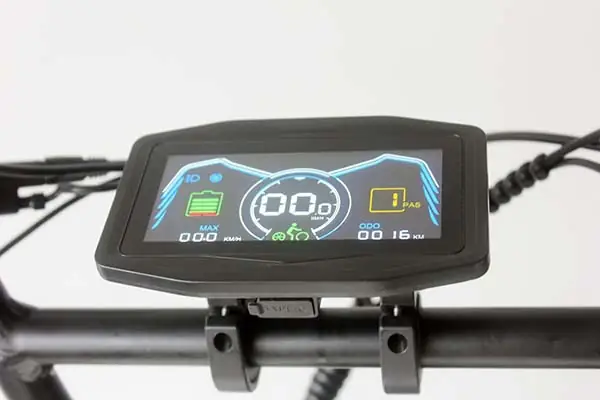
As someone running an e-bike factory, I get this question a lot. Many of my OEM clients see a color screen and immediately want it on their bikes. But it’s not that simple. The real question isn't just about the screen itself. It's about whether the bike's overall package needs a stronger "sense of value1" to justify its price. Let's break down how to decide if a color display is the right move for your specific project.
Do Color Screens Actually Increase Sales for All E-Bike Models?
You believe adding a sleek color screen will automatically make any e-bike sell better. But for your entry-level commuter models, customers might not care, and you’ve just raised your price for nothing.
For entry-level and wholesale e-bikes, a color screen rarely boosts sales. Customers in this segment prioritize price, range, and reliability above all else. For these models, I always recommend sticking with a basic, stable display to keep costs competitive and focus on what the buyer truly values.
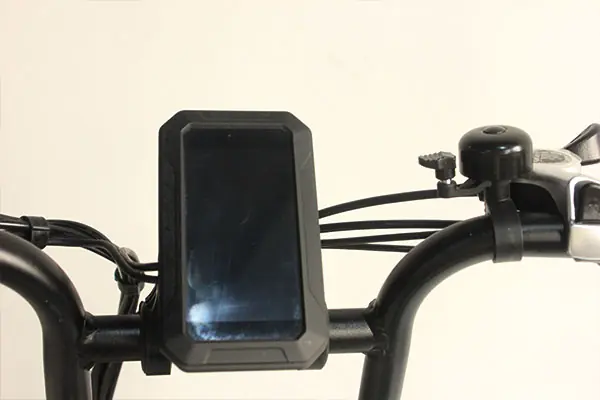
From my experience in the factory, the first thing I do when a client asks about a display upgrade is assess the bike's market position. Is it a low-cost commuter for getting from A to B, or is it a lifestyle product? If we're building a large batch of bikes for a wholesale client who will sell them based on the lowest price, a color screen is a waste of money. The end user won't pay extra for it. In fact, adding that cost could make the bike less competitive. The focus for these models should be on durability and function, not flash. A simple, reliable monochrome screen that shows speed, battery, and assist level is more than enough. It keeps the system simple and the final price attractive.
| E-Bike Type | Primary Customer Focus | Recommended Display |
|---|---|---|
| Entry-Level Commuter | Price, Reliability | Basic Monochrome LCD |
| Wholesale/Fleet Bikes | Low Cost, Durability | Basic Monochrome LCD |
| Mid-Range City Bike | Style, Features, Price | Monochrome or Basic Color |
| Premium/High-End Models | Performance, Tech, Design | Advanced Color Display |
When Does a Color Display Become a Must-Have Feature?
You're developing a premium e-bike line and want it to feel special. But if you cut corners on key details like the display, the whole bike can feel cheap, undermining its high price.
A color display is a must-have for high-value e-bikes, including fat tire, cargo, and premium city models. It immediately elevates the bike's visual appeal, justifies a higher retail price, and makes the entire product feel more complete, modern, and technologically advanced.
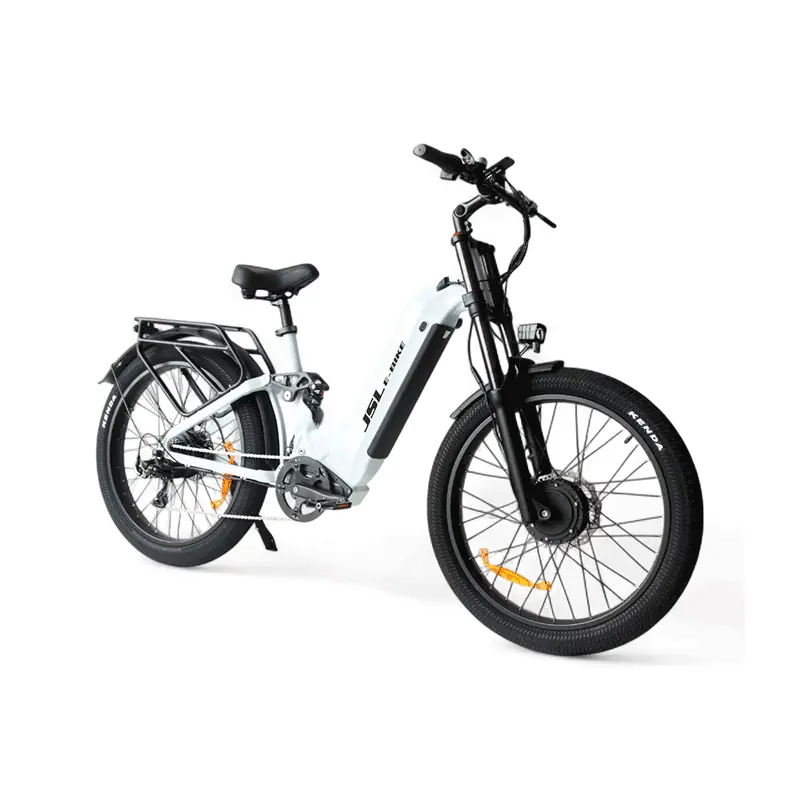
This is where color displays truly shine2. For models where the customer is already paying a premium, they expect a premium experience. Think about fat tire bikes, cargo e-bikes, or light off-road models. These aren't just for transportation; they are lifestyle products. The user is more sensitive to the "feature set" and "visual quality." A color screen is a powerful signal of quality. It makes the bike look more cohesive and modern, which is crucial for supporting a brand's higher retail price. The biggest value of a color screen isn't about displaying more information—it's about building a mid-to-high-end impression. This is especially true online. On an e-commerce product page or in promotional photos, a bright, colorful display instantly communicates that this is a high-end, feature-rich machine, which directly influences a customer's first judgment of the bike's quality and worth.
What Are the Hidden Risks of Upgrading to a Color Display?
You've found a color display that looks amazing and you're ready to order. But what happens if it's not compatible with your controller, fails in the rain, or is impossible to read in bright sunlight?
Upgrading to a color display carries hidden risks that go beyond aesthetics. You must verify its software compatibility with the controller, check its sunlight readability and waterproof rating, and ensure your supplier can provide stable long-term support and spare parts for your OEM project.
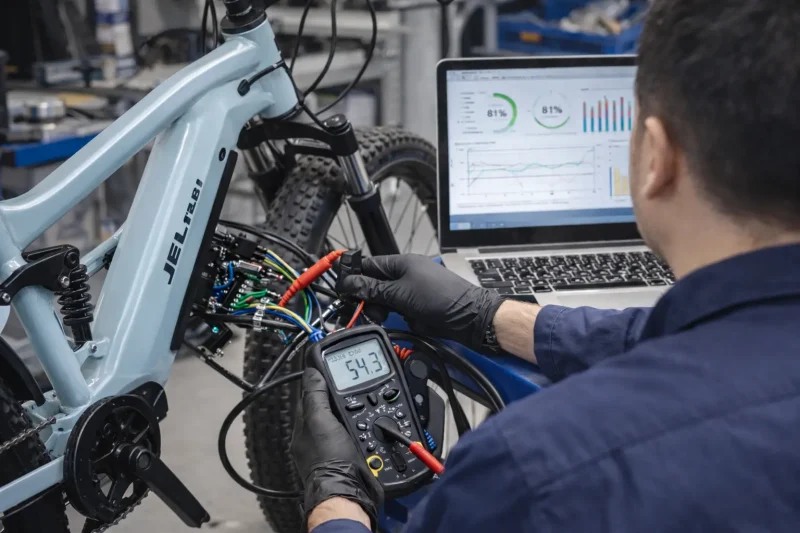
A color screen is not a simple plug-and-play upgrade. I once worked with a client who insisted on a very slick-looking screen3 from a new supplier. It looked fantastic in the catalog, but it became a technical nightmare. We spent months dealing with firmware bugs because the display protocol4 wasn't fully compatible with our controller, causing bikes to shut down randomly. It created a huge after-sales headache. Before you commit to a color display, you need to ask some hard questions. Is the screen easily visible in direct sunlight?5 Is its IP rating high enough to handle heavy rain? Are the buttons intuitive for the rider? And most importantly for an OEM brand, can the supplier guarantee a stable supply of this exact model for the next few years? If you choose an unproven screen just for looks, you risk creating compatibility problems and high warranty costs down the line.
Technical Checklist for Color Displays
| Category | Key Consideration | Why It Matters |
|---|---|---|
| Compatibility | Controller Protocol Matching | Prevents software bugs and system failures. |
| Usability | Sunlight Readability & Brightness | Ensures the rider can see information safely while riding. |
| Durability | IP Waterproof Rating | Protects against rain and moisture, reducing warranty claims. |
| User Interface | Simple Button Logic | An intuitive interface improves the riding experience. |
| Supply Chain | Long-Term Parts Availability | Guarantees you can service and repair bikes in the future. |
Conclusion
A color display is a strategic choice, not a default upgrade. Match the display to the bike's price point, target market, and your brand's goals to add real value, not just cost.
"Effects of Design Aesthetics on the Perceived Value of a Product", https://pmc.ncbi.nlm.nih.gov/articles/PMC8359925/. The concept of 'sense of value' in product design refers to the perceived worth or quality of a product as judged by its features, aesthetics, and overall user experience. Evidence role: definition; source type: encyclopedia. Supports: The 'sense of value' of a product is a key factor in determining its market appeal and pricing strategy.. ↩
"I love the newer color displays on ebikes, but in some video reviews ...", https://www.facebook.com/groups/lectric/posts/1652455051973952/. Research indicates that color displays enhance the perceived value of premium e-bikes, aligning with consumer expectations for high-end features. Evidence role: expert_consensus; source type: research. Supports: Color displays enhance the perceived value of premium e-bikes, making them a strategic feature for high-end models.. ↩
"Looking to upgrade the screen on my 3.0 to a color display.", https://www.facebook.com/groups/lectric/posts/2003065520246235/. The source explains the potential risks of choosing a visually appealing but untested e-bike display, emphasizing the importance of compatibility and reliability. Evidence role: case_reference; source type: education. Supports: Upgrading to a color display carries hidden risks that go beyond aesthetics.. ↩
"What communication protocol does a single display output E-Bike ...", https://www.facebook.com/groups/ElectronicParts/posts/2409010259288295/. The term 'display protocol' refers to the communication standard or method used to ensure compatibility between an e-bike's display and its controller, which is critical for seamless operation. Evidence role: definition; source type: encyclopedia. Supports: The display protocol must match the controller to prevent software bugs and system failures in e-bikes.. ↩
"How to improve display visibility on a 2.0 ebike in bright sunlight?", https://www.facebook.com/groups/lectric/posts/1777948446091278/. Technical evaluations of e-bike displays often emphasize sunlight readability as a critical usability factor. Evidence role: mechanism; source type: research. Supports: Sunlight readability is a critical factor in evaluating e-bike displays.. Scope note: The importance of sunlight readability may vary depending on the typical use cases of the e-bike. ↩