Struggling to decide between electric and regular bikes for your business? The choice seems simple, but focusing only on the motor means you might miss the real opportunity for growth.
For B2B buyers, the key difference isn't just the motor. It's the entire ecosystem. E-bikes are complex systems offering huge potential for product differentiation and market expansion, while regular bikes are simpler, commoditized products. The right choice depends on your long-term business strategy.
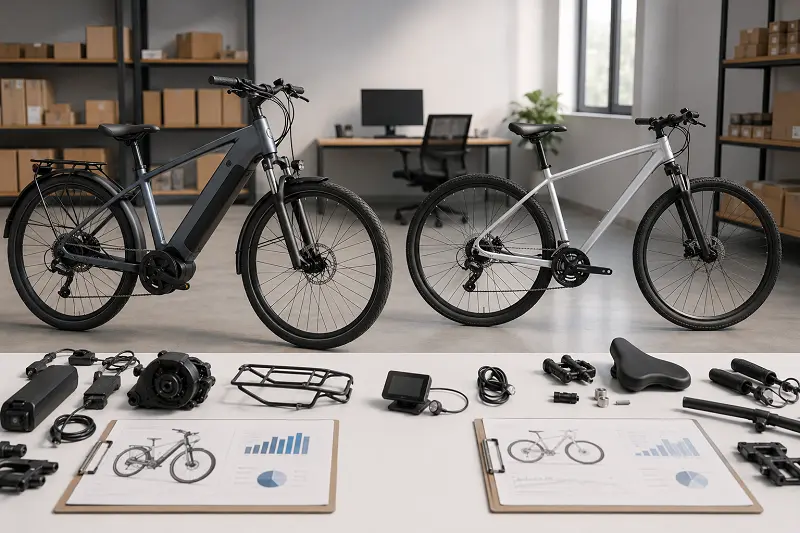
When clients visit our factory, they often ask about the cost difference between an electric bike and a regular one. I always tell them that's the wrong first question. I've been in this industry for over two decades, and I've seen that the most successful brands don't just compare costs. They compare opportunities. The real question isn't just about adding a motor; it's about building a sustainable business. Let's break down what that really means for you as an importer, brand, or wholesaler.
Why is Sourcing E-Bikes So Much More Complex Than Regular Bikes?
Finding it hard to source e-bikes? You're dealing with more than just a bike frame and wheels. The complex electronics require a supplier with deep integration and quality control expertise.
An e-bike is a complete electromechanical system1. It combines a frame, motor, battery, controller, and wiring harness that must all work together perfectly. This demands a supplier with advanced engineering and system integration capabilities, not just simple assembly skills. Sourcing is more complex, but it also creates a higher barrier to entry.
A regular bicycle is a beautiful piece of mechanical engineering. It's a mature product, and the supply chain is very transparent. Sourcing one is relatively straightforward. But an electric bike is a different beast entirely. We aren't just bolting a motor onto a frame. We are designing a cohesive system where every part communicates. I remember a project where a client tried to source components separately to save costs. It was a disaster. The battery's BMS didn't communicate with the controller, causing constant power cuts. This is why a supplier's system integration capability is so critical. It’s about ensuring every component works in harmony to deliver a safe and reliable experience for the end-user.
The Anatomy of Complexity
A regular bike's performance depends on its mechanical parts. An e-bike's performance depends on the seamless integration of mechanical and electrical systems.
| Aspect | Regular Bike | Electric Bike |
|---|---|---|
| Core System | Mechanical (frame, gears, brakes) | Electromechanical (motor, battery, controller, sensors) |
| Key Component | Frame & Drivetrain | Battery Management System (BMS)2 & Controller |
| Supplier Skill | Mechanical Assembly & Sourcing | System Integration & Firmware Customization |
| Failure Point | Mechanical wear and tear | Electrical faults, software bugs, battery issues |
This complexity is why we have an in-house frame factory and dedicated assembly lines for electronics. It allows us to control the quality and integration from the ground up, ensuring a reliable product for our OEM partners.
How Can E-Bikes Create More Profit Than Regular Bikes?
Tired of competing on price with regular bikes? The higher entry barrier for e-bikes creates a unique opportunity to build a brand and command higher prices with differentiated products.
E-bikes allow for clear product tiers based on performance and features. You can create distinct models by varying motor power, battery range, frame design, and smart features. This strategy moves the conversation from "how cheap is it?" to "which model is right for me?", leading to higher margins.
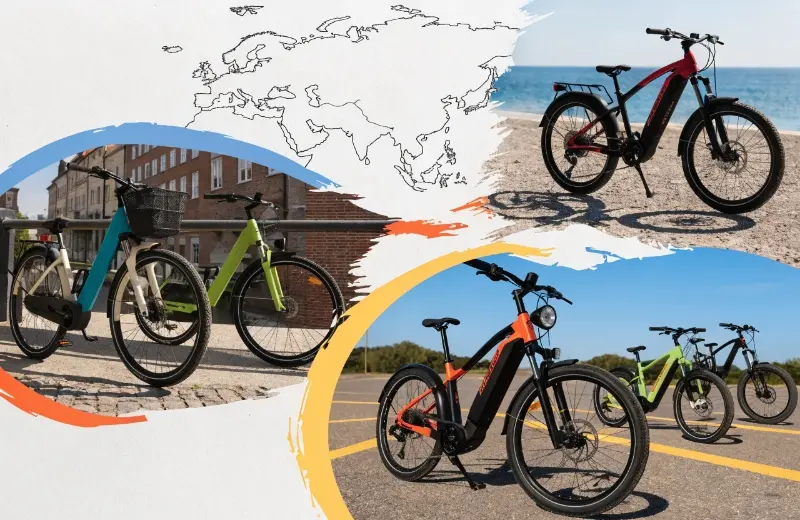
With regular bikes, it's a race to the bottom. Most components are standardized, and it's difficult to stand out beyond brand name or a slight design tweak. E-bikes completely change this dynamic3. For one of our partners, we developed a three-tiered city e-bike line. The base model had a simple hub motor and a 30-mile range. The mid-tier offered a mid-drive motor and smart display. The premium model featured a high-torque motor, a 70-mile range battery integrated into the frame, and GPS tracking4. This product matrix allowed them to capture a much wider range of customers at different price points. You simply can't achieve that level of differentiation with a regular bicycle. It's the perfect vehicle for brand-building and capturing high-value market segments.
Building Your Product Matrix
You can strategically design your e-bike lineup to target different customer needs and price points. This is where a partnership with an experienced OEM/ODM manufacturer becomes invaluable.
Here’s a simple example of how to structure your product tiers:
| Tier | Target Customer | Key Features | Strategic Benefit |
|---|---|---|---|
| Entry-Level | Price-conscious commuters | 250W Hub Motor, 36V 10Ah Battery, Basic Display | Capture new e-bike users, compete with budget brands |
| Mid-Range | Enthusiasts & daily riders | 500W Mid-Drive Motor, 48V 14Ah Battery, LCD Display with USB | Offer a balance of performance and value, build brand loyalty |
| Premium | Performance seekers | 750W+ High-Torque Motor, Integrated 48V 20Ah+ Battery, Smart IoT5 Display | Establish brand leadership, command premium pricing |
This approach helps you build a strong product portfolio that grows with your customers' needs and your brand's reputation.
Aren't E-Bikes Just Replacing the Existing Cycling Market?
Do you think e-bikes are just stealing sales from regular bikes? The reality is they are creating entirely new customers and expanding the whole market for two-wheeled transportation.
E-bikes make cycling accessible to people who previously couldn't or wouldn't ride. They remove barriers like hills, long distances, and physical limitations. This brings new demographics into the market, from commuters who don't want to sweat to delivery riders who need a workhorse. It’s not a replacement; it’s an expansion.
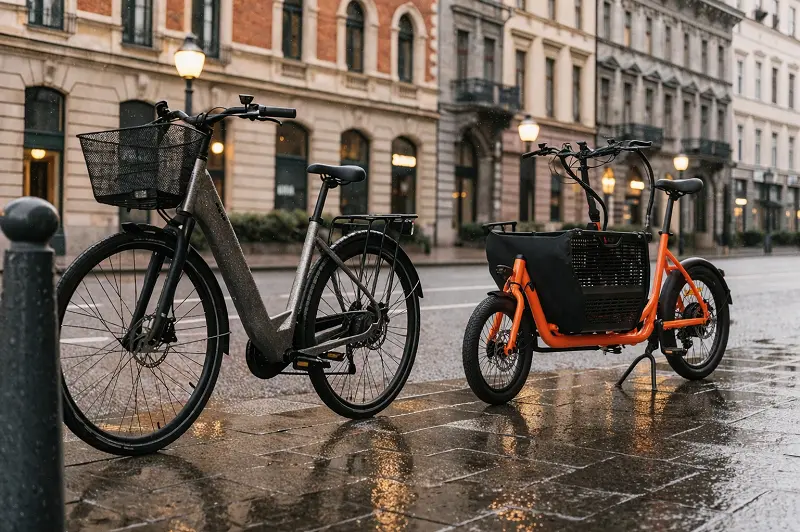
The true value of the e-bike is not that it makes cycling easier; it’s that it brings more people to cycling. I've seen this firsthand. We helped a client develop a line of low-step cargo e-bikes. Their target wasn't cyclists. It was suburban parents who wanted to replace their second car for school runs and grocery trips. These people were never going to buy a high-performance road bike. But an e-bike that could carry their kids and their shopping? That was a game-changer for them. The e-bike didn't take a customer from another bike brand; it took a customer from a car brand. That is the power of market expansion. It creates a bigger pie for everyone.
Who Are These New Riders?
E-bikes appeal to a broad spectrum of users who were previously left out of the cycling world. Understanding these new personas is key to unlocking market growth.
- The Urban Commuter: Wants to get to the office quickly without arriving sweaty. The e-bike turns a 45-minute bus ride into a 20-minute pleasant ride.
- The Delivery Professional: Needs a reliable and powerful vehicle to carry goods all day. Cargo e-bikes offer a low-cost, efficient alternative to scooters or cars.
- The Recreational Explorer: Loves being outdoors but is intimidated by steep hills or long distances. E-bikes give them the confidence to explore further.
- The Mobility-Challenged Rider: Includes older adults or individuals with physical limitations who can now enjoy the freedom and health benefits of cycling.
By catering to these new users, your business isn't just selling a product; you are selling a solution to a real-life problem.
So, Which Type of Bike Should My Business Actually Focus On?
Feeling unsure which path is right for your business? The choice isn't about which bike is better, but which bike aligns with your long-term goals for growth and competitiveness.
Your decision should be a strategic one. If your goal is to compete in high-volume, low-margin channels, regular bikes are a good fit. But if you want to build a distinct brand, create high-value products, and secure better margins, electric bikes are the clear winner.
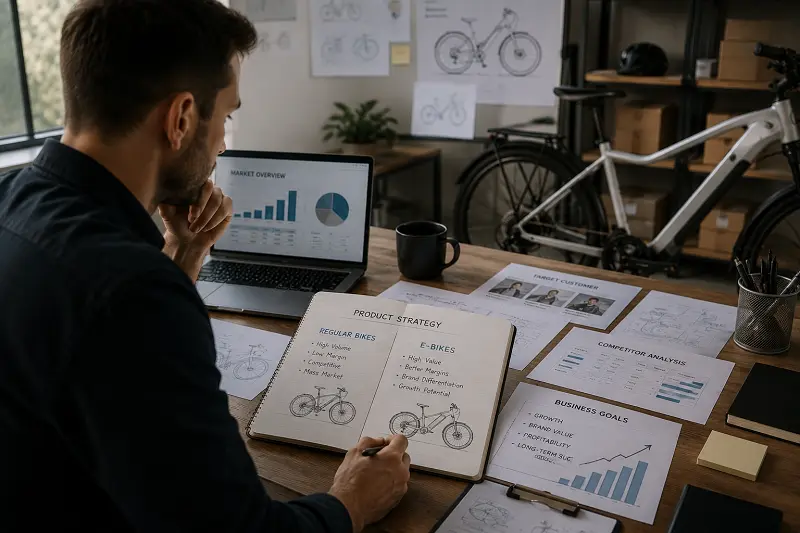
The most important question I ask new clients is: "Where do you want your business to be in five years?" The answer tells me everything. If they say "we want to be the cheapest option online," I know regular bikes might be their game. But if they say "we want to be the go-to brand for reliable urban mobility," then we start talking about an OEM/ODM e-bike project. The real decision is about your ambition. Regular bikes fit a traditional distribution model. Electric bikes are a platform for innovation, branding, and building a defensible market position. As a manufacturer with nearly 30 years of experience, we at JSL are experts at helping our partners build those innovative e-bike lines.
A Strategic Decision Framework
Don't just look at the unit cost. Look at how each product type serves your overall business strategy.
| Your Business Goal | The Better Fit | Why It Works |
|---|---|---|
| Win on Price & Volume | Regular Bikes | Lower cost of goods, simpler logistics, targets the established mass-market. Competition is high. |
| Build a Premium Brand | Electric Bikes | High potential for differentiation through technology, design, and performance. Supports higher price points. |
| Develop a Private Label (OEM/ODM) | Electric Bikes | Deep customization options in frames, motors, batteries, and software allow you to create a truly unique product. |
| Target Niche Markets (e.g., Cargo) | Electric Bikes | Allows you to solve specific problems for high-value segments like logistics or family transport. |
Ultimately, choosing an e-bike strategy is choosing a path toward higher value, greater differentiation, and a more sustainable competitive advantage in the market.
Conclusion
The real question isn't electric vs. regular bike. It's which one helps you build a stronger, more profitable business. We can help you navigate that choice and expand your market.
"Electric bicycle - Wikipedia", https://en.wikipedia.org/wiki/Electric_bicycle. This source defines the components and integration challenges of e-bikes as electromechanical systems. Evidence role: definition; source type: encyclopedia. Supports: An e-bike is a complete electromechanical system.. ↩
"What Is a Battery Management System Ebike and Why It Matters for ...", https://www.ayaatech.com/news/what-is-a-battery-management-system-ebike-and-why-it-matters-for-performance/. The source explains the role of the Battery Management System (BMS) in ensuring the safe and efficient operation of electric bike batteries, highlighting its importance in system integration. Evidence role: mechanism; source type: education. Supports: An electric bike's performance depends on the seamless integration of mechanical and electrical systems, with the Battery Management System (BMS) playing a critical role in managing battery safety and efficiency.. ↩
"[PDF] Electric Bicycle (E-bike) Trends, Impacts, and Opportunities - ROSA P", https://rosap.ntl.bts.gov/view/dot/86828/dot_86828_DS1.pdf. This source discusses how e-bikes enable product differentiation and higher margins compared to traditional bicycles. Evidence role: mechanism; source type: research. Supports: E-bikes completely change this dynamic.. ↩
"Ebikes with GPS Tracker | Free Shipping - Aventon", https://www.aventon.com/collections/ebikes-with-tracker?srsltid=AfmBOooBaqcHu0NGR1tWS27FSSjlAVuylnmXUCssqstTb54YZ4QM3WMM. The source explains how GPS tracking technology is integrated into premium electric bikes to enhance their functionality and appeal to high-value market segments. Evidence role: mechanism; source type: education. Supports: Premium electric bikes often include advanced features like GPS tracking to appeal to high-value market segments.. ↩
"Smart E-bikes: IoT Features for Safer Rides - Ecoride", https://www.ecoride.com/en-eu/magazine/iot-in-ecorides-electric-bikes-smart-features-for-a-better-and-safer-cycling-experience?srsltid=AfmBOorBefpGhpqZNda_ZcGBURPXHEWjsyuZPk3rQz4khxWo-_OjggmO. The source explains the integration of IoT technology in electric bikes, highlighting its role in enhancing user experience and product differentiation. Evidence role: mechanism; source type: research. Supports: Electric bikes can incorporate IoT technology to offer advanced features like GPS tracking and smart displays, enhancing user experience and product differentiation.. ↩