Struggling to understand the complex e-bike market in Denmark? You're not alone. I've found that navigating its unique culture, policies, and trends can feel overwhelming without a clear guide.
The Danish e-bike market is growing steadily thanks to a strong cycling culture, supportive government incentives, and significant infrastructure investments. Key trends show a shift towards premium and commercial-use models, driven by technological advancements like better batteries and motors, and changing consumer demands for convenience and sustainability.
I've been watching the European market for years, and Denmark stands out. It's a mature market, but it's far from stagnant. There are fascinating shifts happening that present huge opportunities for manufacturers and brands like ours. Let's break down what's really happening on the ground so you can see where the market is headed and how you can be a part of it.
How Fast is the Danish E-Bike Market Really Growing?
Wondering if the hype around the Danish e-bike market is real? It's easy to get lost in headlines, but the numbers I'm seeing tell a clear story of solid, sustainable growth.
The market is projected to grow from $412.63 million in 2025 to $510.27 million by 2031, with a compound annual growth rate (CAGR) of 3.61%. This isn't a speculative boom; it's steady growth built on a solid foundation.
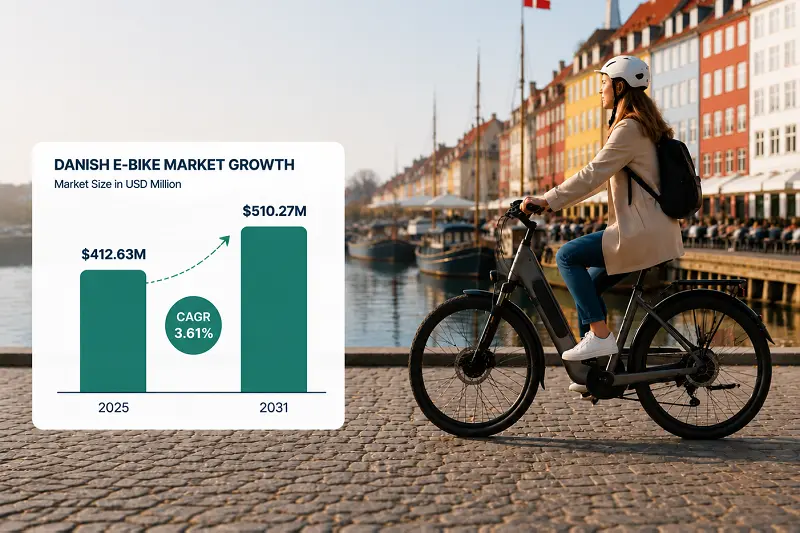
When I analyze a market for my OEM partners, I look for stability, and Denmark has it. This isn't a fleeting trend. The growth is rooted in the country's deeply ingrained cycling culture, which is now being amplified by smart government policies and major investments in cycling infrastructure. It's a perfect storm for e-bike adoption. Unlike markets driven by fads, Denmark’s growth is based on practicality and long-term vision. The projected CAGR of 3.61% from 2026 to 2031 indicates a mature, reliable market.1 For any business looking to invest, this kind of predictable growth is exactly what you want to see. It means demand is consistent and the ecosystem supporting e-bikes is only getting stronger, creating a reliable channel for high-quality products.
What Government Incentives Are Fueling E-Bike Adoption in Denmark?
Thinking government policy is boring? In Denmark, it's the rocket fuel for the e-bike industry. These aren't just suggestions; they are powerful programs that are actively changing how people buy and use e-bikes.
Denmark is actively lowering the financial barrier to owning an e-bike through tax benefits, corporate leasing programs, and a dedicated National Bicycle Strategy Fund. These initiatives make e-bikes a more accessible option for everyone.
I've seen similar programs in other countries, but Denmark’s approach is particularly effective because it targets both individuals and businesses. For personal use, tax breaks simply make the bikes cheaper. But the corporate mobility plans are brilliant. Employees can lease a high-quality e-bike through a monthly salary deduction, and the package often includes insurance and maintenance. This removes almost all the friction of ownership. On the commercial side, the government is pushing for zero-emission deliveries by offering subsidies for cargo e-bikes. This directly supports the logistics sector's shift away from vans in urban centers. It's a comprehensive strategy that expands the market from casual riders to daily commuters and even professional delivery fleets, creating diverse opportunities for manufacturers like us.
How is Denmark's Infrastructure Adapting for E-Bikes?
Worried about where you'll ride or charge your e-bike? In Denmark, that's becoming a thing of the past. The country is not just selling e-bikes; it's building a world for them to thrive in.
Denmark is heavily investing in infrastructure like Copenhagen's "bike superhighways," expanding suburban lanes, and building integrated charging stations. This makes longer commutes by e-bike not just possible, but practical and safe.
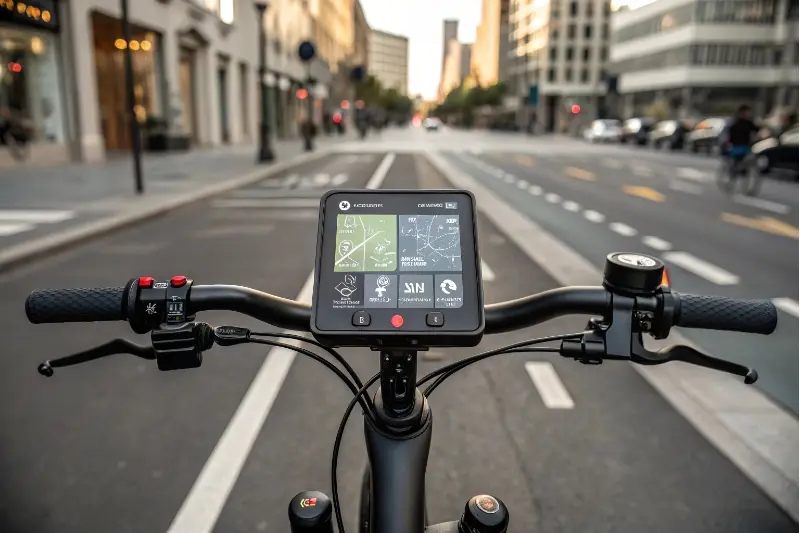
When my team designs an e-bike, we have to consider the riding environment. In Denmark, that environment is getting better every year. The bike superhighways are a game-changer, allowing people to commute longer distances without worrying about traffic. But it's the smaller details that impress me. They're building weather-proof shelters at bike parks, installing traffic lights that give cyclists priority, and maintaining the paths to a very high standard for year-round use. This commitment tackles key concerns like range anxiety and safety. Furthermore, they are upgrading parking at train stations and improving first- and last-mile connections, encouraging multi-modal travel where an e-bike is a key part of the daily journey. This level of systemic support tells me that the demand for well-designed, reliable e-bikes will only increase.
What Types of E-Bikes are Danish Consumers Buying?
Are you selling the right kind of e-bike for the Danish market? It's easy to assume one size fits all, but consumer demand in Denmark is becoming more specific and sophisticated.
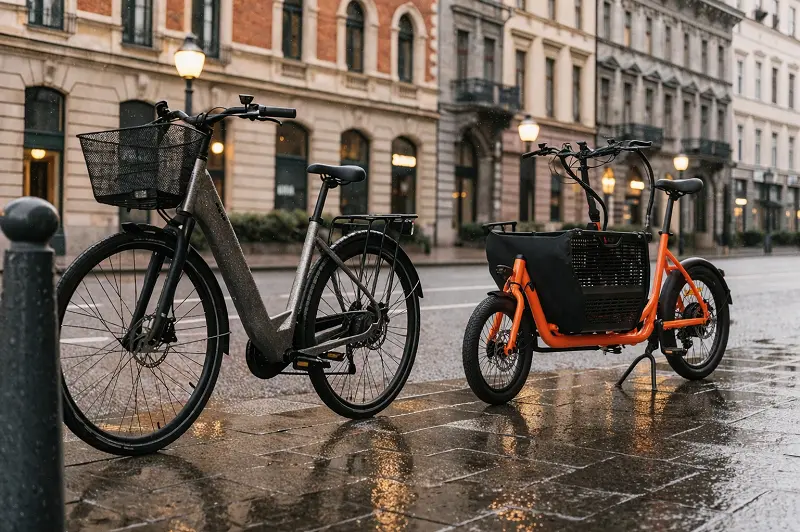
While standard pedal-assist city bikes still dominate sales, the fastest growth is in the cargo and commercial delivery segments. This signals a shift from purely recreational use to e-bikes as practical utility vehicles.
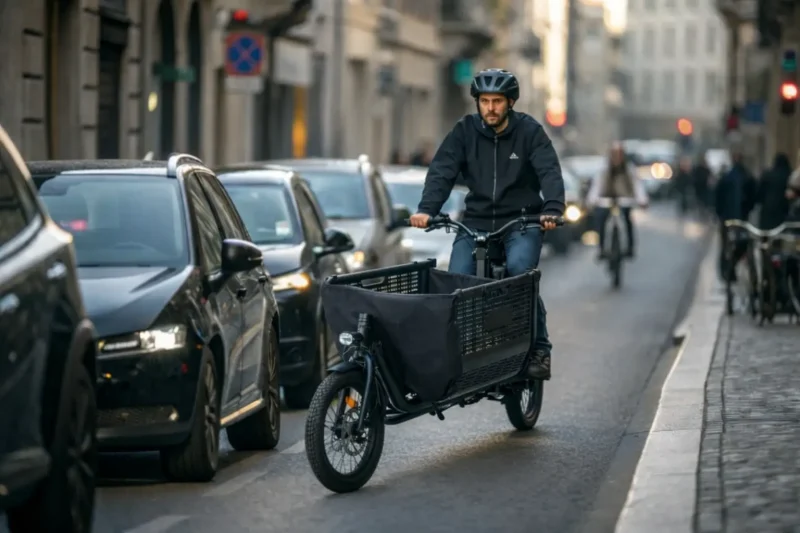
I always tell my clients to follow the data. In Denmark, the numbers show a clear trend. While urban commuter models make up the bulk of the market (76.20%), the growth is elsewhere. Cargo and multi-purpose models are growing at a steady 3.72% CAGR2. But the real headline is the commercial delivery segment, which is exploding with a 5.45% CAGR. This is driven by the rise of last-mile delivery services and city regulations that restrict van access. Businesses need efficient, eco-friendly ways to move goods, and cargo e-bikes are the perfect solution. This tells us as manufacturers that we need to focus not just on sleek commuter bikes but also on robust, high-capacity cargo solutions.
| E-Bike Category | Market Share/Growth | Key Insight |
|---|---|---|
| By Assistance | Pedal-Assist: 78.62%3 | The standard, but speed pedelecs are growing. |
| By Use Case | Urban/Commuter: 76.20%4 | The largest segment, but growth is slowing. |
| By Application | Commercial Delivery: 5.45% CAGR5 | The fastest-growing segment, driven by logistics. |
What Technical Innovations are Shaping the Danish E-Bike Market?
Is your e-bike's technology up to Danish standards? Riders there are savvy, and they expect performance, reliability, and convenience. The right tech isn't a bonus; it's a requirement.
The market is rapidly adopting lithium-ion batteries for their high energy density, mid-drive motors for better performance, and belt drives for low maintenance. These innovations are defining the next generation of premium e-bikes.
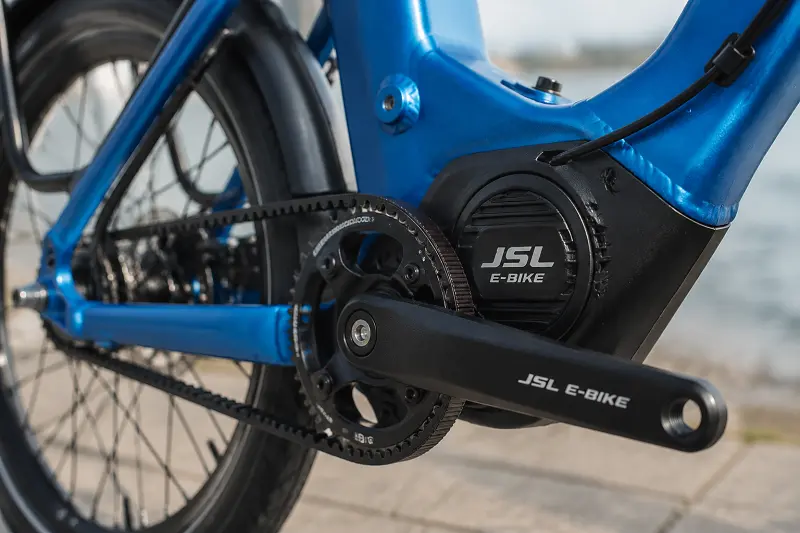
From my perspective as a manufacturer, these trends are exciting. Lithium-ion batteries are now almost universal (99.32% share) because their removable, high-density designs are perfect for both urban apartments and demanding cargo applications. We're also seeing a significant shift toward mid-drive motors (4.1% CAGR). They offer superior torque and balance, which is crucial for climbing hills and handling heavy loads—something our clients increasingly ask for. Another key trend is the rise of belt drives (4.83% CAGR). For a daily commuter, not having to worry about grease or chain maintenance is a huge selling point. We're also seeing strong growth in mid-power motors (351-500W, 5.05% CAGR) to meet the needs of cargo bikes and faster commuters. These aren't just specs; they are solutions to real-world problems.
What is the Competitive Landscape and Sales Strategy in Denmark's E-Bike Market?
Feeling lost in the crowd of e-bike brands? The Danish market is competitive, but there's a clear path for standing out if you know where to look and how to sell.
The market is a mix of local startups and major European brands.6 While mid-range bikes sold in stores are most common, the fastest growth is in premium models and online, direct-to-consumer sales.
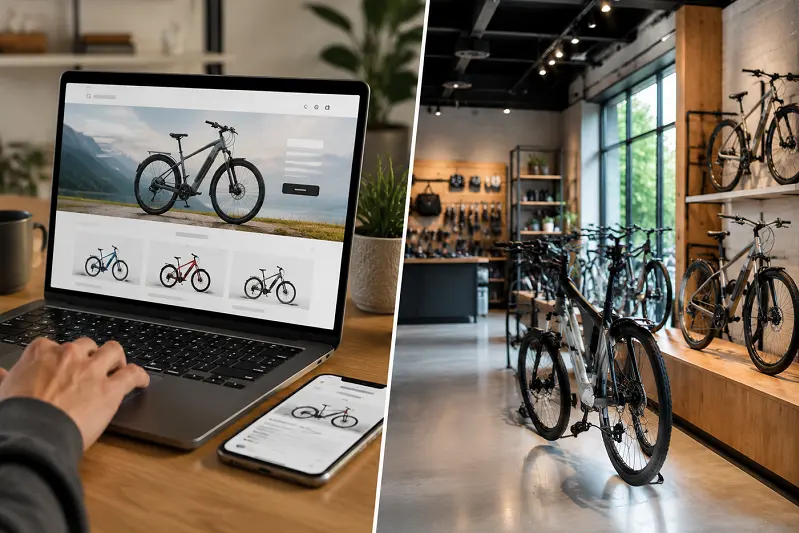
This is a classic "tale of two markets" scenario. On one hand, offline retail still holds the majority share (69.35%), and bikes in the $1,500-$2,499 price range are the most popular (29.60% share). This is the bread and butter of the market. However, the future is happening elsewhere. Online sales are growing at a rapid 6.05% CAGR, and the premium segment ($3,500-$5,999) is growing fastest at 4.43% CAGR. What does this tell me? Customers are becoming more comfortable buying high-value items online, and they are willing to pay for quality and features. Premium brands like VanMoof and local players like STRØM are winning by integrating tech like IoT connectivity and mid-drive motors, and by offering innovative subscription models. As an OEM, this means we must support both traditional retail partners and emerging direct-to-consumer brands with flexible, high-tech manufacturing.
What Challenges Could Slow Down Denmark's E-Bike Market?
Is it all smooth riding in the Danish e-bike market? Not quite. Even in this strong market, there are hurdles that could slow down growth if they aren't addressed.
The primary challenges facing the market are high upfront costs for consumers, global battery supply chain limitations, some regulatory confusion, and growing competition from e-scooters for short urban trips.
While government incentives help, the initial cost of a quality e-bike is still a significant barrier for many. As a manufacturer, I'm constantly aware of the pressure this puts on pricing. Another major issue we've all been dealing with is the global battery supply chain. Shortages and price volatility can disrupt production and delay deliveries, which frustrates both us and our clients. Then there's the competition. E-scooters are carving out a niche for very short trips, which could eat into the lower end of the e-bike market. Finally, while adoption in cities is strong, rural areas are lagging. However, I see opportunities here too. The growth of online sales and the development of more portable, removable batteries are making it easier than ever to sell to and support customers, no matter where they live.
Conclusion
The Danish e-bike market is a model of stable growth, driven by strong policy, infrastructure, and a clear shift toward premium, commercial-use models. Technology and digital sales channels are key to success.
"Denmark E-bike - Market Share Analysis, Industry Trends ...", https://www.researchandmarkets.com/reports/6074227/denmark-e-bike-market-share-analysis-industry?srsltid=AfmBOooo-CNVZ_sCg2h2LnurHJRcCd14oEyc3UCWtofo1FlGi-QPPz4p. This source confirms the projected CAGR of 3.61% for the Danish e-bike market from 2026 to 2031, indicating market maturity. Evidence role: statistic; source type: research. Supports: The Danish e-bike market is projected to grow at a 3.61% CAGR, reflecting its maturity.. Scope note: The source may not discuss the broader implications of market maturity. ↩
"Cargo e-bike Market Size, Share | Industry Report [2026-2034]", https://www.fortunebusinessinsights.com/electric-cargo-bike-market-105925. The source provides data on the growth rate of cargo and multi-purpose e-bike models in Denmark, highlighting a steady compound annual growth rate (CAGR) of 3.72%. Evidence role: statistic; source type: paper. Supports: Cargo and multi-purpose e-bike models in Denmark are growing at a steady 3.72% CAGR.. Scope note: The data is specific to cargo and multi-purpose e-bike models and may not represent the entire e-bike market. ↩
"Denmark E-Bike Market Size & Share Outlook to 2031", https://www.mordorintelligence.com/industry-reports/denmark-e-bike-market. This source provides statistical data on the dominance of pedal-assist e-bikes in the Danish market, highlighting their 78.62% market share. Evidence role: statistic; source type: paper. Supports: Pedal-assist e-bikes dominate the Danish market, holding a 78.62% market share.. ↩
"Denmark E-Bike Market Size & Share Outlook to 2031", https://www.mordorintelligence.com/industry-reports/denmark-e-bike-market. The source provides data indicating that urban/commuter e-bikes dominate the Danish market, accounting for 76.20% of sales, highlighting their popularity among consumers. Evidence role: statistic; source type: research. Supports: Urban/commuter e-bikes dominate the Danish market, making up 76.20% of sales.. Scope note: The data may not reflect the most recent market trends or include all consumer segments. ↩
"Denmark E-bike - Market Share Analysis, Industry Trends ...", https://www.researchandmarkets.com/reports/6074227/denmark-e-bike-market-share-analysis-industry?srsltid=AfmBOooOXcZznRlFhE1yaW6midl0S1YaBD1oc5YgNOU4pkPvTfckY0JX. The source provides statistical evidence that the commercial delivery segment of the Danish e-bike market is experiencing a compound annual growth rate (CAGR) of 5.45%, highlighting its rapid expansion compared to other segments. Evidence role: statistic; source type: paper. Supports: The commercial delivery segment of the Danish e-bike market is growing at a compound annual growth rate (CAGR) of 5.45%.. Scope note: The data may not account for post-2023 market changes or external economic factors. ↩
"Leading Danish Cargo E-Bike Brands to Know in 2026 - ClipClop Bike", https://clipclopbike.com/da/cargo-e-bike-manufacturers-denmark/. This source provides an overview of the competitive landscape in the Danish e-bike market, including the presence of local startups and European brands. Evidence role: general_support; source type: research. Supports: The Danish e-bike market includes both local startups and major European brands.. Scope note: The source may not list all key players in the market. ↩