Struggling to make your e-bike brand profitable? A scattered product line can drain resources and confuse customers. I'll show you how to structure your offerings for maximum return.
To create a profitable e-bike line, you must clearly define entry, mid, and premium segments. Each tier should have distinct features, pricing, and target customers. This ensures every product meets a specific market need and maximizes your return on investment.
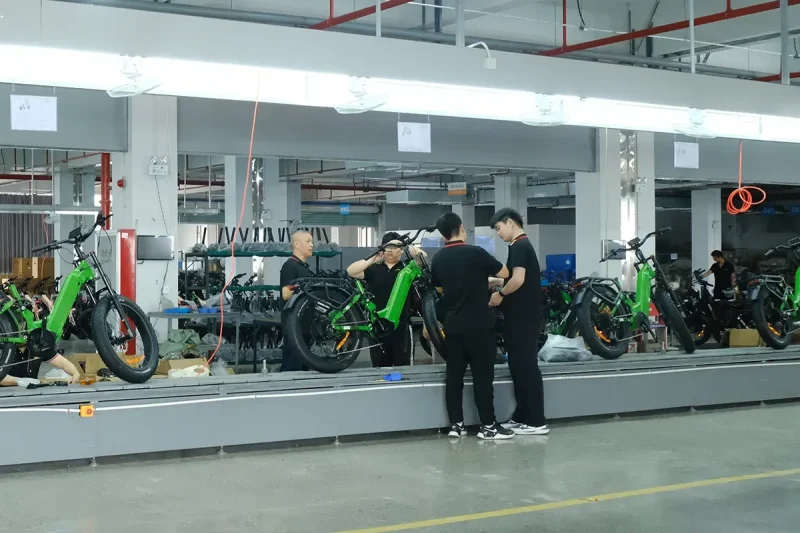
This sounds simple on the surface. But getting the details right is where many brands fail. It's about more than just slapping different price tags on similar bikes. From my 20+ years in e-bike manufacturing, I've seen that success comes from deep strategic thinking. Let's break down how to define each segment effectively to build a truly successful and profitable product line.
How do you capture the entry-level e-bike market without sacrificing quality?
Eager to attract new riders but worried about low margins? Entry-level bikes often feel like a race to the bottom in terms of price. Let's explore how to build them profitably.
Focus on core functionality and safety. Use reliable 250W motors and standard aluminum frames to keep costs down. By simplifying non-essential features and producing at scale, you can offer an affordable, high-quality experience that builds brand trust and grows your customer base.
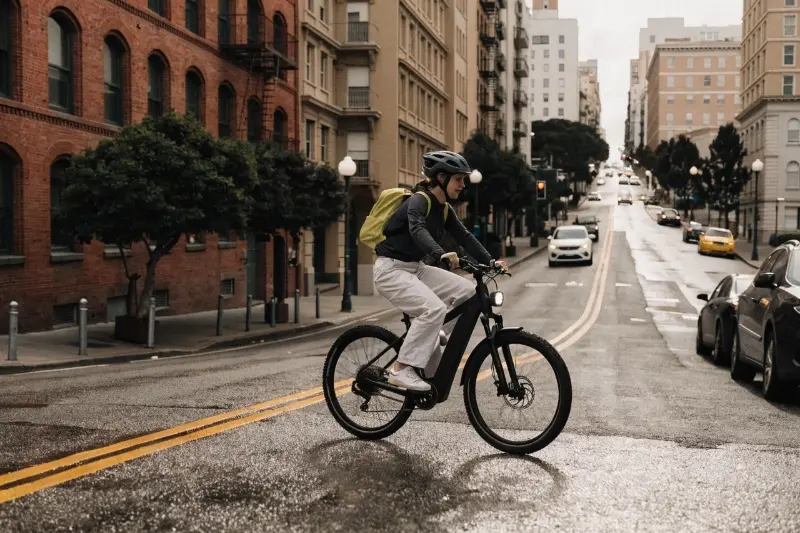
The entry-level market is all about value and accessibility. Your target customer is price-sensitive, perhaps a student or a commuter on a tight budget. They want to experience the benefits of electric cycling without a huge financial commitment. The key here is not to build a "cheap" bike, but a "smart" one. We do this by focusing investment on the most critical components. The motor, battery, and frame must be reliable and safe. We typically recommend a stable 250W hub motor and a battery that provides a 40–60km range, which is perfect for city commuting. To manage costs, we make strategic compromises on other parts. For example, using mechanical disc brakes instead of hydraulic ones, or a simpler LED display instead of a full-color LCD screen. Mass production is your friend here. High-volume orders allow us as manufacturers to lower the per-unit cost significantly, passing those savings on to you and your customer. It's a strategy that builds volume and brand loyalty from the ground up.
| Feature | Entry-Level Specification | Reason for Choice |
|---|---|---|
| Motor | 250W Hub Motor | Cost-effective, reliable for city use |
| Battery Range | 40-60 km | Sufficient for daily commutes |
| Frame | Aluminum Alloy | Strong, lightweight, and affordable |
| Brakes | Mechanical Disc Brakes | Good stopping power at a lower cost |
| Price Point | €1000–€1500 | Attracts budget-conscious buyers |
What makes a mid-level e-bike the sweet spot for profitability?
Are your sales stuck between budget buyers and premium seekers? The mid-market is competitive, but it's also where a large portion of your customers are. Let's find that perfect balance.
Mid-level e-bikes offer the best balance of performance, features, and price, attracting a wide customer base. By upgrading to 500W motors, longer-range batteries (70–100km), and hydraulic brakes, you justify a higher price point and achieve stronger per-unit profits.
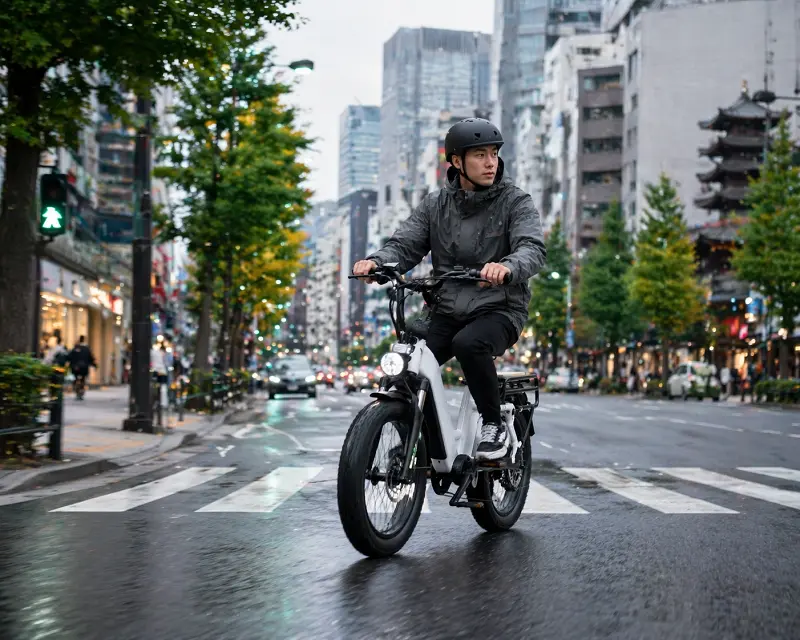
The mid-level e-bike is for the customer who has moved beyond just wanting to try an e-bike. They are now looking for a better riding experience. They are willing to pay more, but they expect to see and feel the difference. This is where you can achieve a fantastic balance between sales volume and per-unit profit. We increase the power to a 500W motor, which gives riders more help on hills and a greater sense of confidence. The battery capacity is boosted to offer a range of 70–100km, opening the door for longer weekend rides, not just daily commutes. Component upgrades are critical. This is where we introduce smoother hydraulic disc brakes, better suspension forks, and more comfortable saddles. A multi-level pedal-assist system controlled by an LCD screen becomes standard. I remember helping a French brand develop their mid-range city e-bike. We focused on a comfortable riding posture, a quiet mid-drive motor, and a sleek, integrated battery. It wasn't the cheapest bike in their line, but it became their bestseller because it perfectly matched the daily needs and quality expectations of a Parisian commuter.
| Feature | Mid-Level Upgrade | Benefit to the Rider |
|---|---|---|
| Motor | 500W Hub or Mid-Drive | More power for hills and faster acceleration |
| Battery Range | 70-100 km | Enables longer recreational rides |
| Brakes | Hydraulic Disc Brakes | Superior stopping power and control |
| Display | LCD Screen | Provides more ride data and control |
| Price Point | €1500–€2500 | Hits the value-for-performance sweet spot |
Dreaming of high-margin sales but hesitant to enter the premium space? Customers won't pay top dollar for just a slightly better bike. You need to deliver an exceptional experience.
Justify a premium price with cutting-edge technology, superior performance, and exclusive features. This includes powerful 750W+ motors, innovative battery tech, smart connectivity with apps, and high-end components like advanced suspension systems. Customization is also a key differentiator.
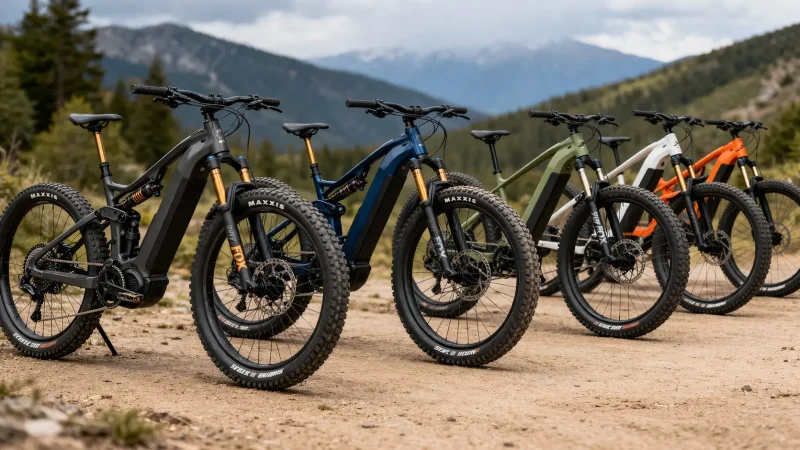
Premium e-bikes are not just transportation; they are a statement. The customer in this segment is an enthusiast, a tech lover, or someone who simply wants the best of the best. To command a price of €3000 or more, you must deliver on innovation and performance. We equip these bikes with powerful 750W or even 1000W motors for thrilling speed and off-road capability. The battery technology is top-tier, sometimes featuring lighter, longer-lasting cells or even dual-battery systems for extreme range. This is also where smart technology comes into play. We can integrate IoT modules for GPS tracking and anti-theft, smartphone app connectivity for ride tuning, and advanced displays with navigation. The components are uncompromising: carbon fiber frames, full-suspension systems, and automatic electronic shifting. For a US client focused on the fat tire market, we developed a premium model with a 1000W motor and a dual-battery system. It was a niche, high-priced product, but it dominated its category because it offered performance that no one else could match. Premium is about pushing the limits.
| Feature | Premium Upgrade | The "Wow" Factor |
|---|---|---|
| Motor | 750W+ Mid-Drive | Unmatched power and performance |
| Battery | High-Density Cells, Dual Battery Options | Extreme range and cutting-edge tech |
| Frame | Carbon Fiber | Ultra-lightweight and superior stiffness |
| Technology | App Connectivity1, GPS, Auto-Shifting | A fully integrated smart riding experience |
| Price Point | €3000–€5000+ | For the enthusiast who demands the best |
How do you align your production and marketing with your product tiers?
You've designed the perfect product line, but how do you build it and sell it effectively? Mismanaging production or targeting the wrong market can ruin your profitability and leave you with unsold inventory.
Align production volume with each tier's profit model: mass-produce entry-level for scale, maintain moderate volume for mid-level balance, and use low-volume manufacturing for premium. Tailor marketing to regional demands2, focusing on value in Asia and performance in the US.
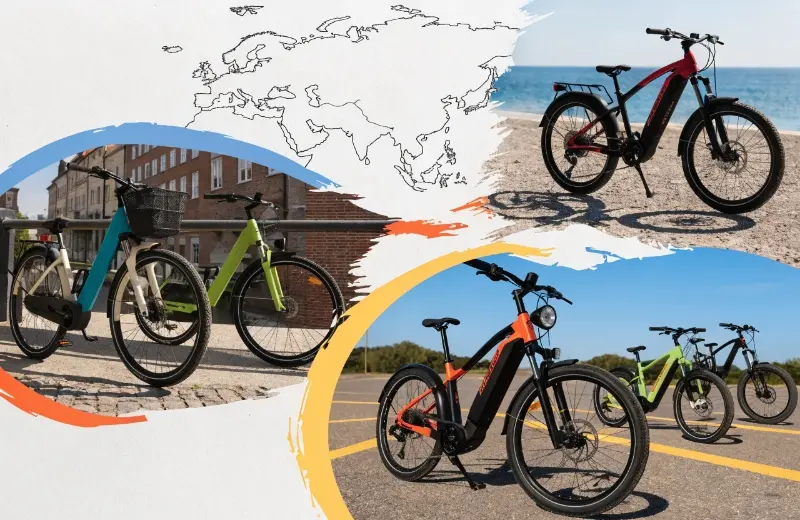
A successful product line needs an equally successful production and market strategy. The two must work hand-in-hand. For production, the approach for each tier is different. Entry-level bikes rely on high-volume, streamlined assembly to achieve low costs. Mid-level bikes need flexible production lines that can balance quality control with moderate output. Premium bikes often use small-batch or even build-to-order processes, where precision and customization are the top priorities. At the same time, your market focus must be sharp. Consumer needs change dramatically from one region to another. A product that sells well in Europe might fail in the United States. As an OEM/ODM partner, we help clients navigate these differences. We know that in Northern Europe, customers value durability and comfort for their daily commutes. In the US, there's a huge appetite for high-power, long-range bikes for recreation. In many parts of Asia, the market is driven by the need for practical, cost-effective urban mobility. Aligning your product features and marketing message with these regional preferences is not just a good idea—it is essential for maximizing your return on investment.
| Region | Preferred Tier | Key Selling Points |
|---|---|---|
| Northern Europe | Mid to Premium | Durability, Comfort, Eco-friendly |
| USA | Mid to Premium | High Power, Long Range, Off-road Capability |
| Asia | Entry to Mid | Value for Money, Practicality, Compact Design |
Conclusion
Building a profitable e-bike line requires clear segmentation, strategic production, and targeted marketing. By defining your entry, mid, and premium tiers, you can maximize ROI3 and dominate your market.