Struggling to understand complex e-bike costs1? This uncertainty hurts your profits and market position. Understanding the core components helps you control your budget and make smarter purchasing decisions.
The final price of an e-bike is mainly driven by the motor, battery, and frame. These core components, along with manufacturing processes, customization level, and order volume, directly impact your costs, profit margins, and market strategy. Understanding them is crucial for any B2B buyer.
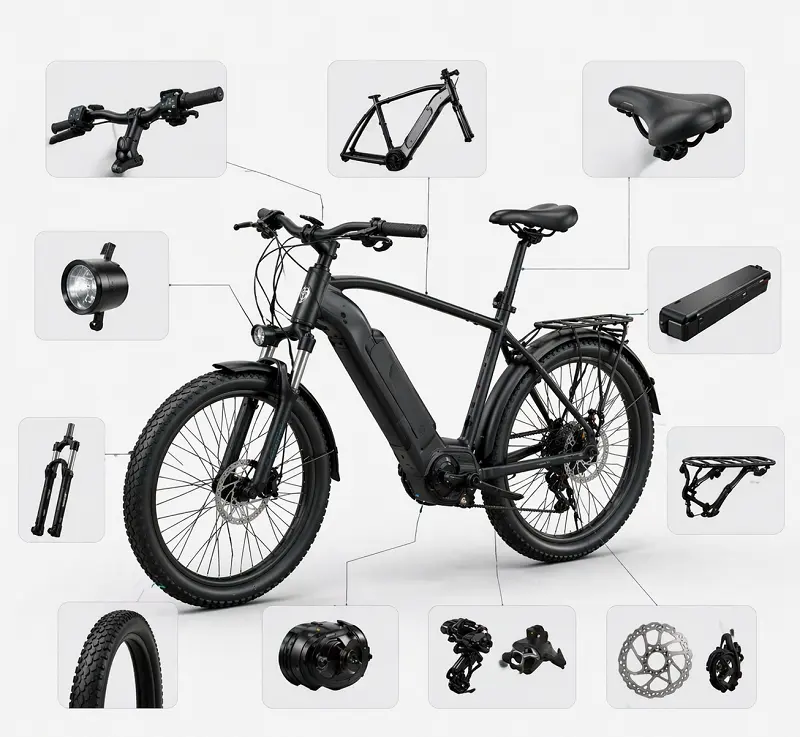
When I talk to new clients, the first thing they ask about is the price breakdown. It's not just about adding up the cost of individual parts; it’s about how they are made and how they work together to create a quality product. Every decision, from the type of motor to the weld on the frame, has an impact on the final number. Let's look closer at how each of these major parts affects the final price you pay.
How much does the motor influence the final e-bike price?
Worried about motor performance affecting your brand? A poor choice leads to unhappy customers and costly issues. Let's explore how motor selection impacts both ride quality and your bottom line.
The motor is a core cost driver. Mid-drive motors are pricier than hub motors due to complex engineering. Higher power and torque also increase the price. Brands like Bosch or Shimano command a premium, reflecting their technology, durability, and brand value.
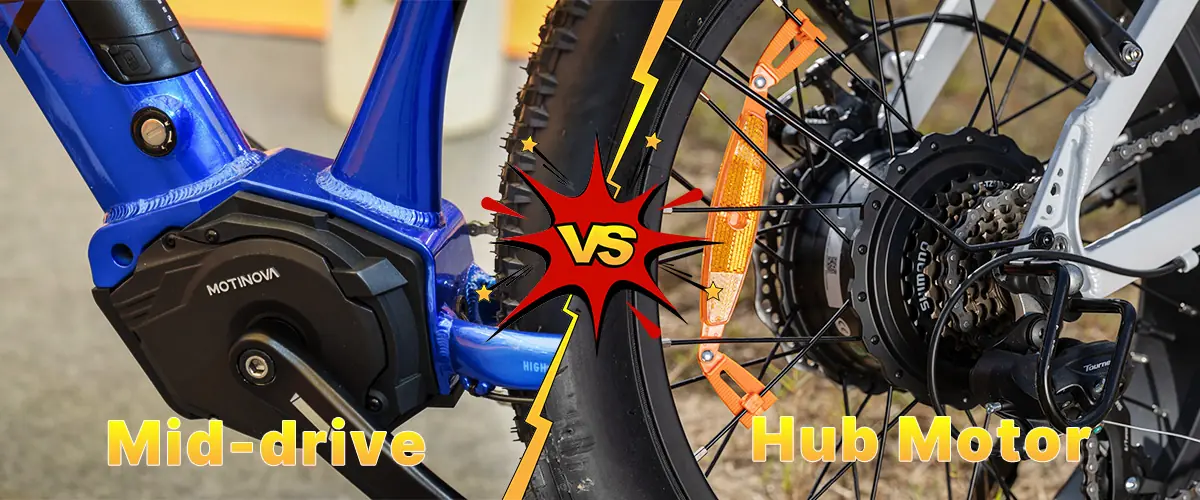
The motor is the engine of your e-bike, and its cost can vary a lot. Mid-drive motors are generally more expensive because they require more precise parts and engineering. They connect directly to the bike's crank, which gives the rider a more natural and powerful feel, especially on hills. Hub motors, which are built into the wheel, are simpler and cheaper. This makes them a great choice for more budget-friendly city or commuter e-bikes. Power and torque are also big factors in the price. A 500W motor will always cost more than a 250W one, and a high-torque motor designed for steep climbs will add to the price tag. Finally, the brand name matters. Established brands like Bosch and Shimano have higher prices because they have invested heavily in technology and have a reputation for reliability.
| Feature | Lower Cost Option | Higher Cost Option | Impact on Price |
|---|---|---|---|
| Type | Hub Motor | Mid-Drive Motor | Significant |
| Power | 250W | 500W+ | Moderate |
| Brand | Generic/In-house | Bosch, Shimano | Significant |
| Process | Standard Assembly | High-Precision | Moderate |
Why is the battery such a significant part of the e-bike cost?
Concerned about battery range and safety? A cheap battery can ruin the rider experience and hurt your brand's reputation. Let's look at what makes a battery reliable and worth the investment.
The battery is the e-bike's fuel tank, heavily influencing cost. Higher capacity (Wh) means longer range but a higher price. Lithium-ion batteries are standard but cost more than older types. A sophisticated BMS and top-brand cells increase costs but ensure safety and longevity.
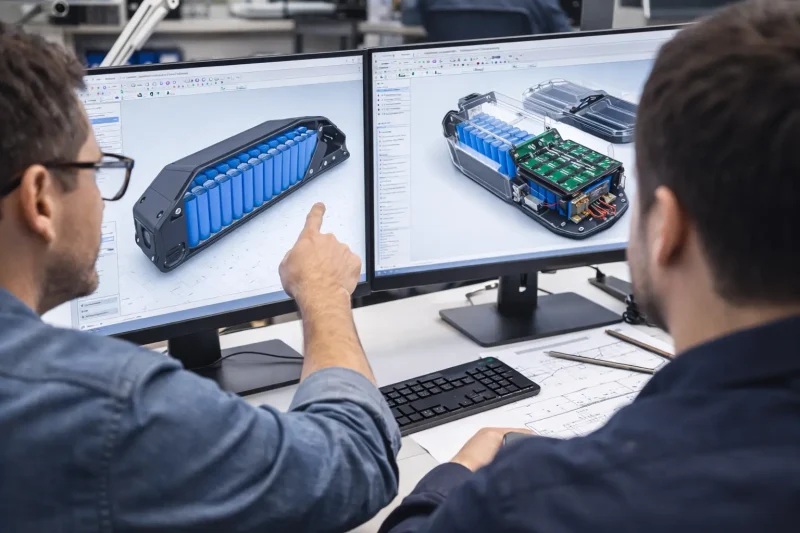
The battery is the power source, and it plays a huge role in both performance and cost. The biggest factor is capacity, measured in Watt-hours (Wh). A 500Wh battery will cost more than a 250Wh battery, but it will also give the rider a much longer range. We've also seen the price of raw materials like lithium carbonate jump over 60% in just a few months this year, which directly raises the cost of every battery we produce. Some e-commerce brands try to cut corners here by using low-grade cells or mislabeling the capacity. This is a huge safety risk we would never take. A good Battery Management System (BMS)2 is also essential. It protects the battery and extends its life. Using cells from trusted brands like Samsung or Panasonic costs more, but it guarantees quality and safety for your customers.
| Feature | Lower Cost Option | Higher Cost Option | Impact on Price |
|---|---|---|---|
| Capacity | 250Wh | 500Wh+ | Significant |
| Cell Brand | Generic | Samsung, Panasonic | Significant |
| BMS | Basic Protection | Advanced, Smart | Moderate |
| Certification | Standard | UL, CE Certified | Moderate |
How does the e-bike frame material and design affect the price?
Is the frame just a simple structure? A weak or heavy frame can ruin the entire ride and feel cheap. Let's explore how frame material and craftsmanship define the bike's quality and cost.
The frame is the e-bike’s skeleton, and its material is a key cost factor. Steel is cheapest but heavy. Aluminum alloy is the most common, offering a good balance of weight and cost. Carbon fiber is the lightest and strongest but also the most expensive.
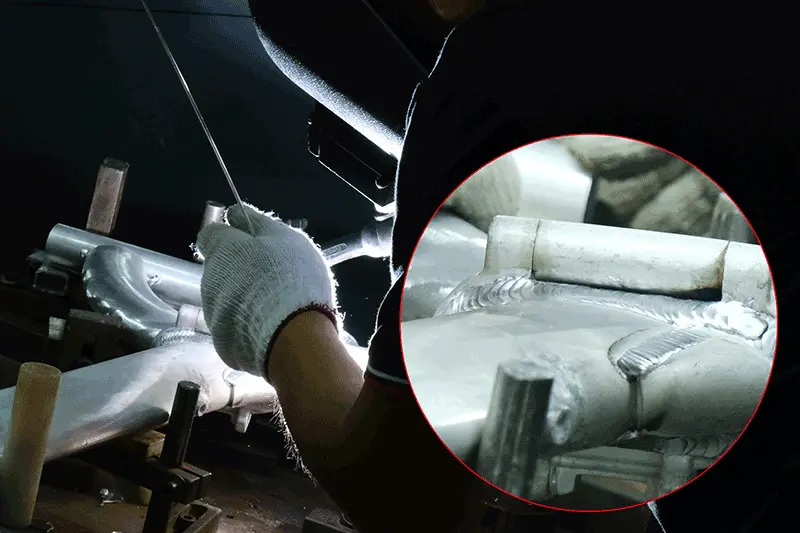
As a manufacturer with our own frame factory, I can tell you that the frame is the foundation of the e-bike. The material choice is the biggest price driver. Steel is affordable but heavy. Carbon fiber is incredibly light and strong, but the complex manufacturing process makes it very expensive. Aluminum alloy is the most popular choice because it offers a great balance of strength, low weight, and reasonable cost. We've seen raw aluminum prices climb3 from around $2,300 to over $3,600 per ton in the last year, which directly impacts our costs. Design complexity also matters. A frame with an integrated, internal battery requires more precise engineering and manufacturing than a standard frame, which adds to the price. We take great pride in our welding. Our welds are smooth and strong, so after painting, the frame looks like one seamless piece.
| Feature | Lower Cost Option | Higher Cost Option | Impact on Price |
|---|---|---|---|
| Material | Steel | Carbon Fiber | Very Significant |
| Design | Standard External Battery | Integrated Internal Battery | Moderate |
| Welding | Standard | Smooth, Polished | Moderate |
What other components significantly impact e-bike pricing?
Think the small parts don't matter? Cheap brakes, tires, and displays can ruin an otherwise great e-bike. Let's see how these details add up to define the final product quality and cost.
Beyond the big three, components like brakes, tires, and control systems also affect the price. Hydraulic disc brakes4 cost more than mechanical ones. High-quality drivetrains and advanced color displays add to the cost but significantly improve the riding experience.
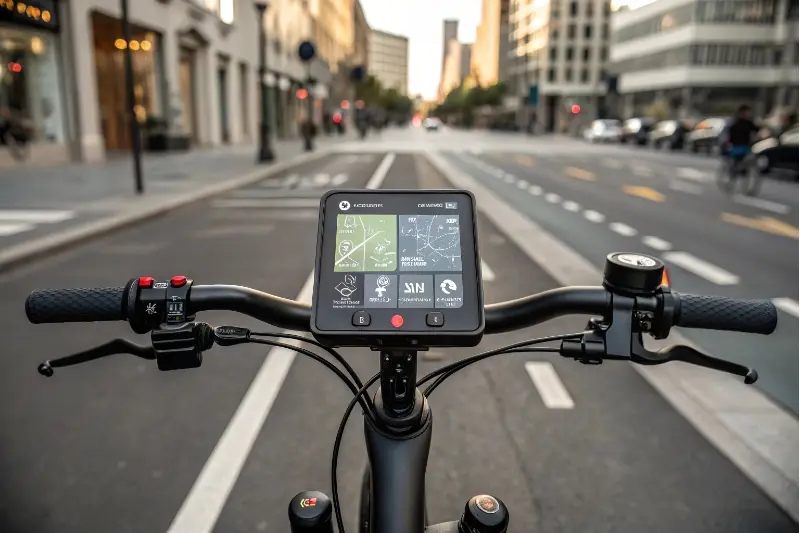
The details really do make a difference in the final product. For instance, we can equip an e-bike with a basic LCD screen and mechanical brakes to save about 100-200 RMB per unit. However, the user experience is completely different when you upgrade. Hydraulic disc brakes offer much smoother and more powerful stopping, which gives the rider confidence. A bright, color display feels much more modern and premium. Even the drivetrain matters; a smoother shifting system from a known brand improves the ride. We also have to keep a close eye on the supply chain for smaller parts. Recently, the price of plastics like ABS shot up by nearly 50% due to global supply issues. This affects everything from controller casings to battery housings, and we have to factor that into our final pricing.
| Component | Lower Cost Option | Higher Cost Option | Impact on User Experience |
|---|---|---|---|
| Brakes | Mechanical Disc | Hydraulic Disc | Significant (Safety/Feel) |
| Display | Basic LCD | Color Display | High (Premium Feel) |
| Drivetrain | Basic Derailleur | High-End Shimano | Moderate (Smoothness) |
How do order size and customization change the unit price?
Surprised by the high cost of a small, custom order? Unpredictable pricing can destroy your profit margins. Let's look at how order volume and customization directly affect your final unit cost.
Economies of scale are crucial in e-bike manufacturing. Larger orders reduce the per-unit cost because we can buy materials in bulk and optimize production. Heavy customization, however, increases costs due to unique design work, new tooling, and smaller production runs.
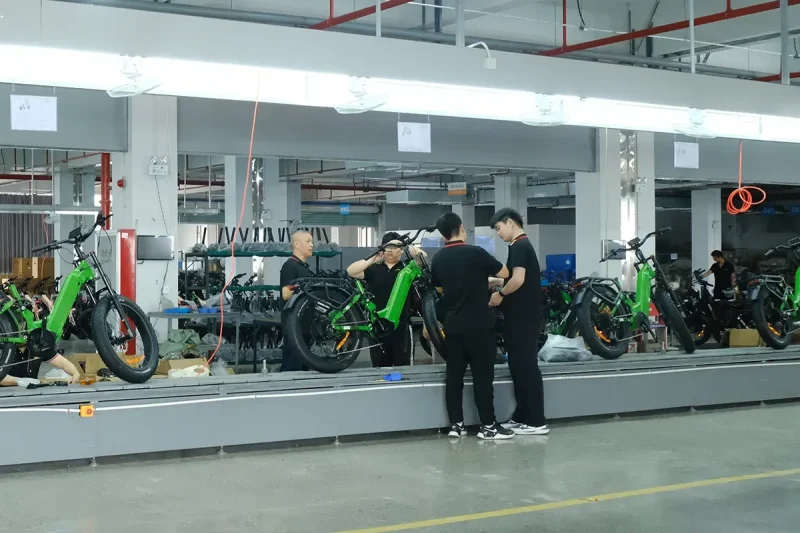
When a client asks me about cost, I always explain it this way: the motor, battery, and frame are your main drivers, but your order volume is what unlocks the best pricing. A large order allows us to run our assembly lines more efficiently and get better deals on components from our suppliers. This lowers the cost for everyone. On the other hand, if you need a completely custom frame or a unique battery design, that requires new engineering, prototyping, and tooling. These upfront costs add significantly to the price, especially for a small batch of bikes. For B2B buyers, the key to controlling costs is to have clear specifications and place larger orders whenever possible. Working with a reliable, experienced supplier is the most effective way to improve your efficiency and protect your margins.
| Factor | Impact on Unit Cost | Why? |
|---|---|---|
| Large Order Volume | Decreases | Bulk material discounts, production efficiency. |
| High Customization | Increases | R&D, new tooling, smaller production runs. |
| Standardized Specs | Decreases | Uses existing parts and proven processes. |
Conclusion
An e-bike's cost is a balance of key components like the motor, battery, and frame, combined with manufacturing scale, and your specific customization needs.
Understanding the factors behind e-bike costs helps you make informed purchasing decisions and optimize your budget effectively. ↩
Find out how a sophisticated BMS ensures battery safety and longevity, making it a crucial component for e-bikes. ↩
tradingeconomics. Aluminum futures in the UK rose toward $3,600 per tonne ↩
Learn how hydraulic brakes enhance safety and provide a smoother riding experience, justifying their higher cost. ↩