Your standard e-bike frames look clunky and poorly integrated. This outdated appearance hurts your brand's image and limits your access to premium markets. Hydroforming1 is the solution.
Hydroforming is a manufacturing process that uses high-pressure fluid2 to shape aluminum tubes into complex, optimized forms. For e-bikes, it creates stronger, lighter frames that seamlessly integrate batteries and motors, resulting in superior performance and a sleek, modern aesthetic that customers demand.
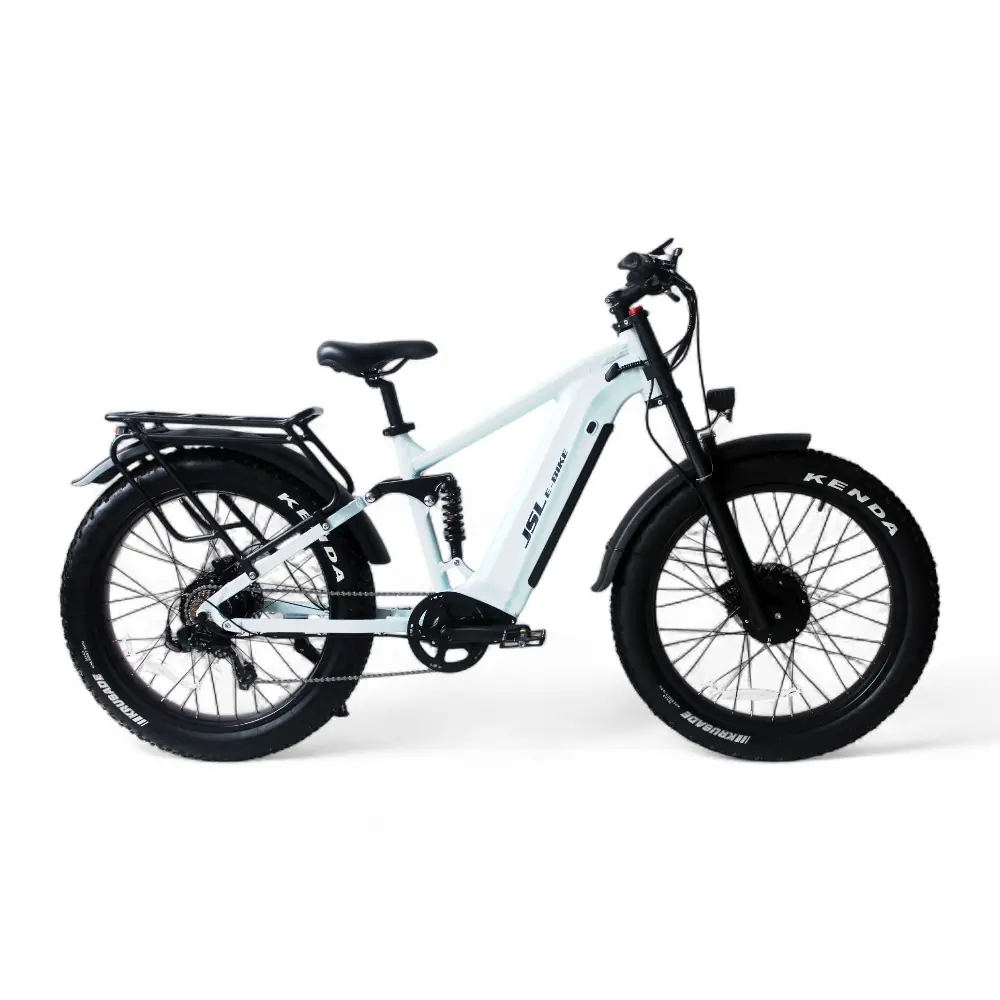
From my perspective as a manufacturer with over two decades of experience, hydroforming is far more than just a way to make a frame look good. It's a foundational technology that allows us to build the next generation of e-bikes. It's about turning a simple tube into a sophisticated platform that meets the complex demands of modern electric mobility. When a client comes to us wanting to build a competitive e-bike line, understanding hydroforming is one of the first conversations we have. It’s that important. Let me break down why.
Why is hydroforming more than just a shaping technique for e-bikes?
You feel limited by simple, round tubing for your e-bike designs. This makes integrating batteries look awkward and can cheapen your final product. Hydroforming unlocks advanced, integrated frame designs.
Hydroforming is crucial for e-bikes because it directly addresses the complex demands of integrating batteries, motors, and wiring. It allows us to build frames that are not just strong, but are sophisticated platforms ready for the high-end electric bicycle market.
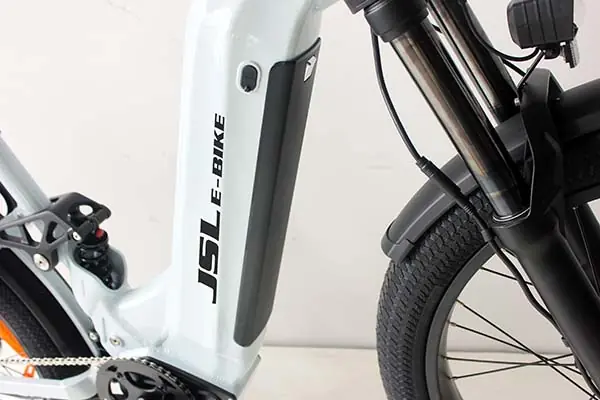
In my factory, we see the difference every day. A traditional bicycle frame is mostly designed around two things: being lightweight and efficient for the rider. But an e-bike frame has a much bigger job. It has to be the central platform that holds the entire electrical system together—the battery, the motor, all the wiring, and the control systems. It also has to handle more weight and higher stress.
This is where hydroforming becomes essential. It gives us the ability to transform a basic aluminum tube into a shape that is perfect for the job. This impacts three critical levels for our clients:
- The Structural Level: E-bikes are heavier and used in more demanding ways, from city commuting to mountain trails. Simple tubes struggle to provide the necessary strength and stiffness without becoming too heavy. Hydroforming lets us shape tubes to be stronger exactly where stress is highest.
- The Integration Level: The market today demands internal batteries and hidden cables for a clean, premium look. Without the ability to create complex tube shapes, it's nearly impossible to design a frame with a natural-looking battery compartment and balanced proportions.
- The Market Level: Ultimately, our clients—importers, brands, and distributors—aren't just buying a manufacturing process. They are buying a better look, a higher product tier, and a clearer market position. Hydroforming helps a product move from a "generic factory" feel to a "premium brand" feel.
What specific problems does hydroforming solve for your e-bike brand?
You're struggling to make your e-bikes stand out. Competitors have sleeker, more integrated designs that command higher prices. Hydroforming is the manufacturing secret behind those premium products.
From a business perspective, hydroforming solves three key problems. It provides unique design capabilities for brand differentiation, optimizes frame strength for better performance and safety, and enables the seamless integration of electronic components that defines a modern e-bike.
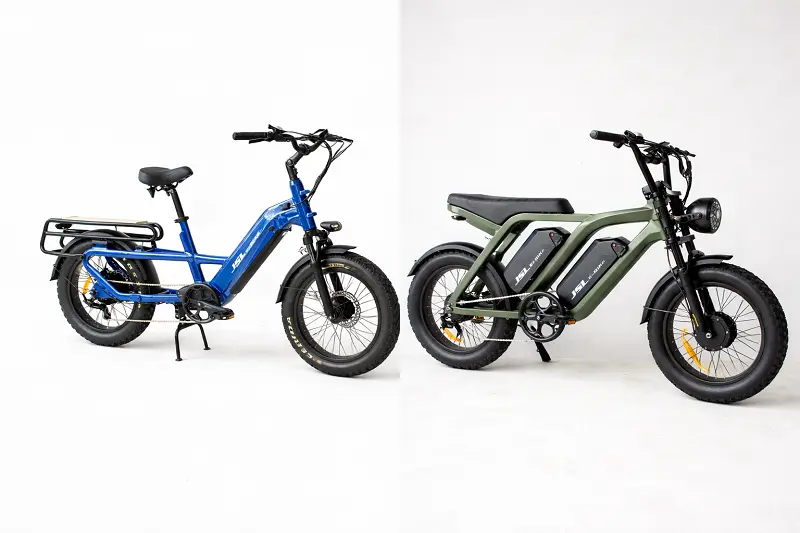
When clients work with us, they often ask about specs like motors or batteries. But I've learned that the final purchasing decision is heavily influenced by how the bike feels and looks. Hydroforming is the manufacturing foundation behind that premium feel. It directly solves problems that our clients face when trying to build a competitive brand.
1. It Solves the "Shaping and Differentiation" Problem
Traditional round or oval tubes offer very little design freedom. Hydroforming allows us to create complex cross-sections for the down tube, top tube, and chainstays. For our B2B customers, this means much more than just "looking good." It means:
- The product can be differentiated from competitors.
- The appearance aligns with European and North American brand aesthetics.
- Battery integration looks natural and intentional, not like an afterthought.
- The frame immediately communicates a higher-end, premium quality.
2. It Solves the "Structure and Stress Optimization" Problem
E-bikes are heavier and have a more complex center of gravity than regular bikes. Using simple tubes often leads to compromises in either stiffness, strength, or weight. Hydroforming allows us to distribute material more intelligently. We can make areas that bear high loads, like the head tube and bottom bracket junctions, more robust while optimizing other areas to save weight. This isn't about just adding material; it's about smarter structural design. This is especially critical for step-through, cargo, and mountain e-bikes.
3. It Solves the "Electrification Integration" Problem
In the e-bike era, a frame is also a housing for electronics. It must accommodate the battery, internal wiring, controller, and motor system, all while allowing for easy maintenance. Without a flexible forming process, frames that can fit a battery often look bulky and uncoordinated. Hydroforming is the key that lets us integrate the entire electric system naturally without sacrificing structural performance or aesthetics.
Which e-bike models need hydroforming the most?
Some of your e-bike models feel structurally weak or look bulky. This is especially true for step-through or cargo models, which are notoriously difficult to get right.
Hydroforming is most critical for models where structure and integration are challenging. This includes low-step frames needing extra rigidity, cargo e-bikes requiring high load capacity without excess weight, and any model with a seamlessly integrated internal battery.
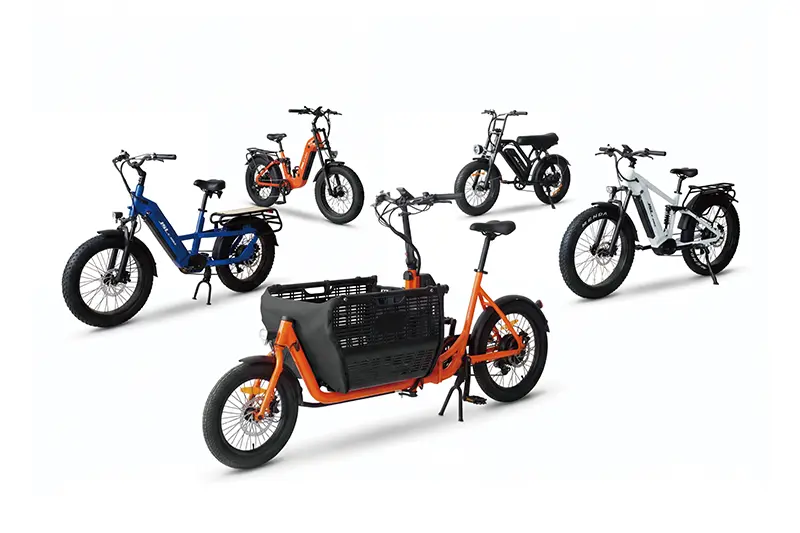
In our experience, while hydroforming benefits almost any e-bike, its value becomes non-negotiable for certain types of models. If you are developing products in these categories, this process should be a central part of your manufacturing strategy.
| E-Bike Model | Key Challenge | How Hydroforming Solves It |
|---|---|---|
| Step-Through / Low-Step | Low frame rigidity due to the missing top tube. | Allows us to create a massive, specially shaped down tube that provides the stiffness needed for a safe and stable ride. |
| Cargo E-Bike | Extremely high loads, long wheelbase, and complex stress points. | Enables the creation of uniquely shaped tubes that can handle heavy cargo efficiently without adding excessive frame weight. |
| Internal Battery Models | The conflict between fitting a large battery and maintaining a sleek, balanced frame design. | Creates a down tube that perfectly and elegantly houses the battery, making it look like a natural part of the bike. |
For step-through city e-bikes, popular in Europe, the open, low-step design is inherently less stiff. A hydroformed down tube can be engineered to be incredibly wide and strong, compensating for the lack of a top tube and ensuring the bike feels stable and safe.
For cargo e-bikes, you can't just use thicker, heavier tubes to handle the load. That makes the bike unwieldy. Hydroforming allows us to create custom tube profiles in critical areas to manage the unique stresses of carrying heavy loads, both in the front and back.
And for any e-bike with an internal battery, hydroforming is what separates a premium product from a cheap one. It’s the only way to create a down tube that can swallow a large battery while still looking sleek and proportional.
Is hydroforming always the right choice for my e-bike project?
You want the best technology for your e-bikes, but you're also worried about costs. Is hydroforming an expensive add-on or a necessary investment? Understanding its trade-offs is key.
No, hydroforming is not always the right choice. It involves higher initial tooling costs and is best suited for larger volume, long-term projects aimed at mid-to-high-end markets. For price-sensitive projects or small trial orders, traditional manufacturing can be more cost-effective.
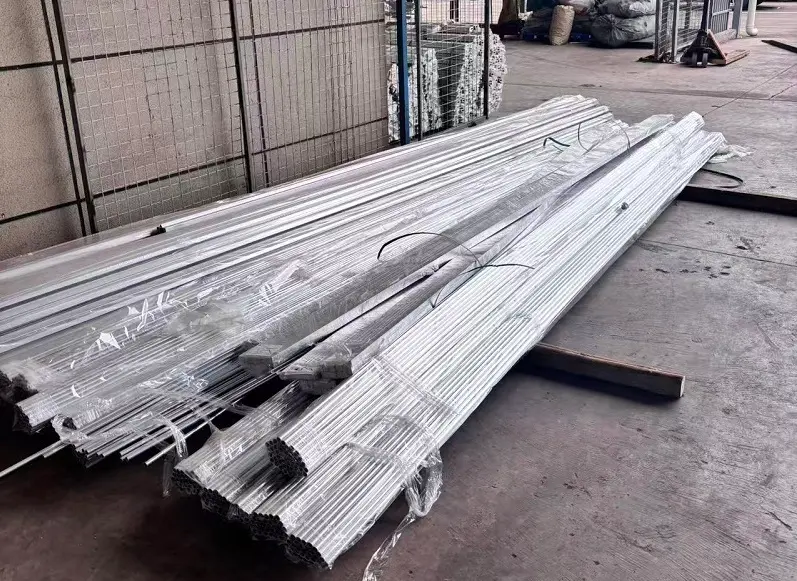
I believe in being transparent with our partners. Promoting a technology without discussing its limitations is not good business. While hydroforming offers huge advantages, it's not a magic wand. The final quality of a frame still depends on our entire manufacturing system: the choice of aluminum alloy, the precision of our welding, the quality of our heat treatment, and our strict tolerance control.
Hydroforming also requires a significant upfront investment in molds and prototyping. This means higher development costs. Because of this, the process is most suitable for:
- Projects with a healthy order volume.
- Products intended to have a long life cycle in your lineup.
- Clients focused on building a strong brand identity.
- Product lines targeting mid-to-high-end price points.
On the other hand, for projects that are extremely price-sensitive or for small, quick test orders to gauge a new market, sticking with more conventional tube manufacturing might be a smarter business decision. Part of our job as an OEM/ODM partner is to help you make that strategic choice based on your specific market goals.
Conclusion
In e-bike manufacturing, hydroforming helps us balance structural performance, battery integration, and market positioning. For B2B buyers, it's the foundation for building a competitive, high-end e-bike line.