Are you tired of city traffic, impossible parking, and rising fuel costs? A new wave of transportation is taking over European streets, offering a smarter, greener, and more efficient solution.
Front-loader cargo bikes1 are booming in Europe due to a perfect mix of factors. These include a long history of cycling culture2, modern e-bike technology3, strong government environmental policies4 and subsidies5, and their unmatched ability to navigate congested, narrow city streets6 for deliveries and family transport.
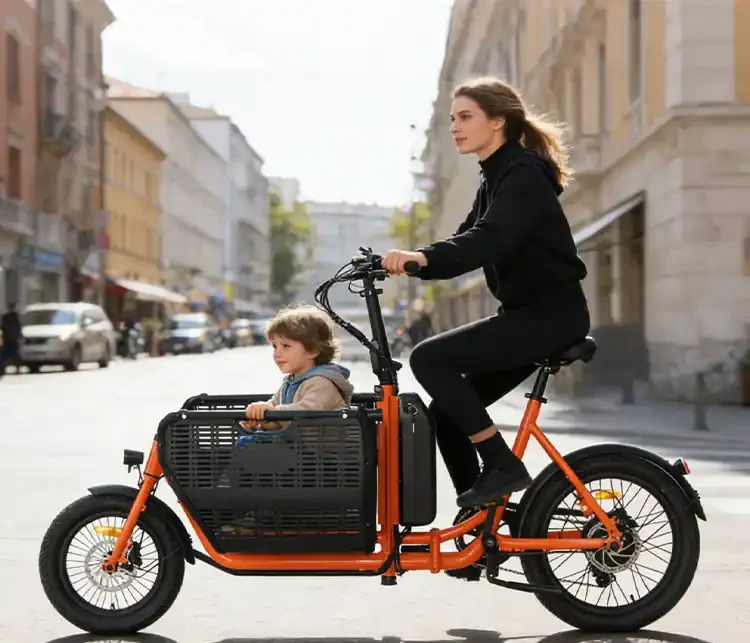
This trend isn't just a fleeting moment; it's a fundamental shift in how people and goods move through modern cities. I've seen this market evolve firsthand from our manufacturing facility, and the demand is unlike anything we've experienced before. It's a solution born from historical roots but perfected for today's challenges. Let's explore the key reasons behind this incredible growth and what it means for the future of urban mobility.
How Did History and Technology Pave the Way for Cargo Bikes?
You might think cargo bikes are a brand-new invention. But their roots go deep, and modern technology just unlocked their true potential for everyone, not just the super-fit.
The modern e-cargo bike7 is an evolution of traditional Dutch cargo bikes from the early 20th century. The addition of powerful electric motors and long-lasting batteries8 solved the biggest challenges of weight and hills, making them a practical transport solution for heavy loads and everyday use.
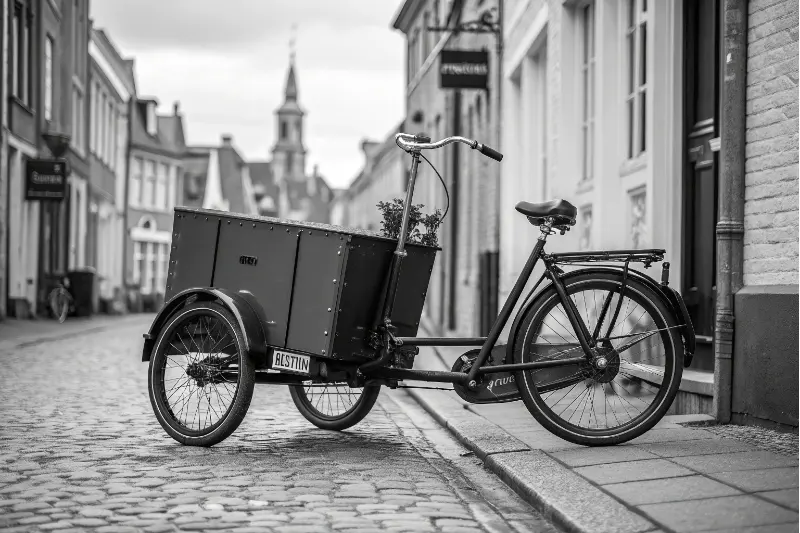
In our factory, we often talk about how the core design of a front-loader hasn't changed much in 100 years. The idea of placing a large box between the handlebars and the front wheel is simple and brilliant. In places like the Netherlands, these bikes, known as "bakfiets," were workhorses for bakers, grocers, and tradespeople long before cars were common. But they were heavy and hard to pedal uphill. The electric revolution changed everything. By integrating a motor and battery, we suddenly made it possible for anyone to carry 100kg of cargo or three kids without breaking a sweat. It transformed a niche utility vehicle into a mainstream car replacement. This blend of a proven, historic design with modern electric power is the foundation of its current success.
| Feature | Traditional Cargo Bike | Electric Cargo Bike |
|---|---|---|
| Effort Required | High, especially with loads | Low, motor assists pedaling |
| Effective Range | Short, limited by rider stamina | Long, extended by battery |
| Hill Climbing | Very difficult | Easy with motor assistance |
| Target User | Physically fit individuals | Everyone, including families |
Are Government Policies and Green Initiatives the Real Fuel?
Worried about your carbon footprint and the high cost of driving? European governments are actively creating policies that make choosing an e-bike not just an ethical choice, but a smart financial one.
Yes, government incentives are a massive driver. Financial subsidies5, tax breaks for businesses, and the creation of Low Emission Zones (LEZs)9 in major cities make electric cargo bikes an incredibly attractive and affordable alternative to commercial vans and family cars.
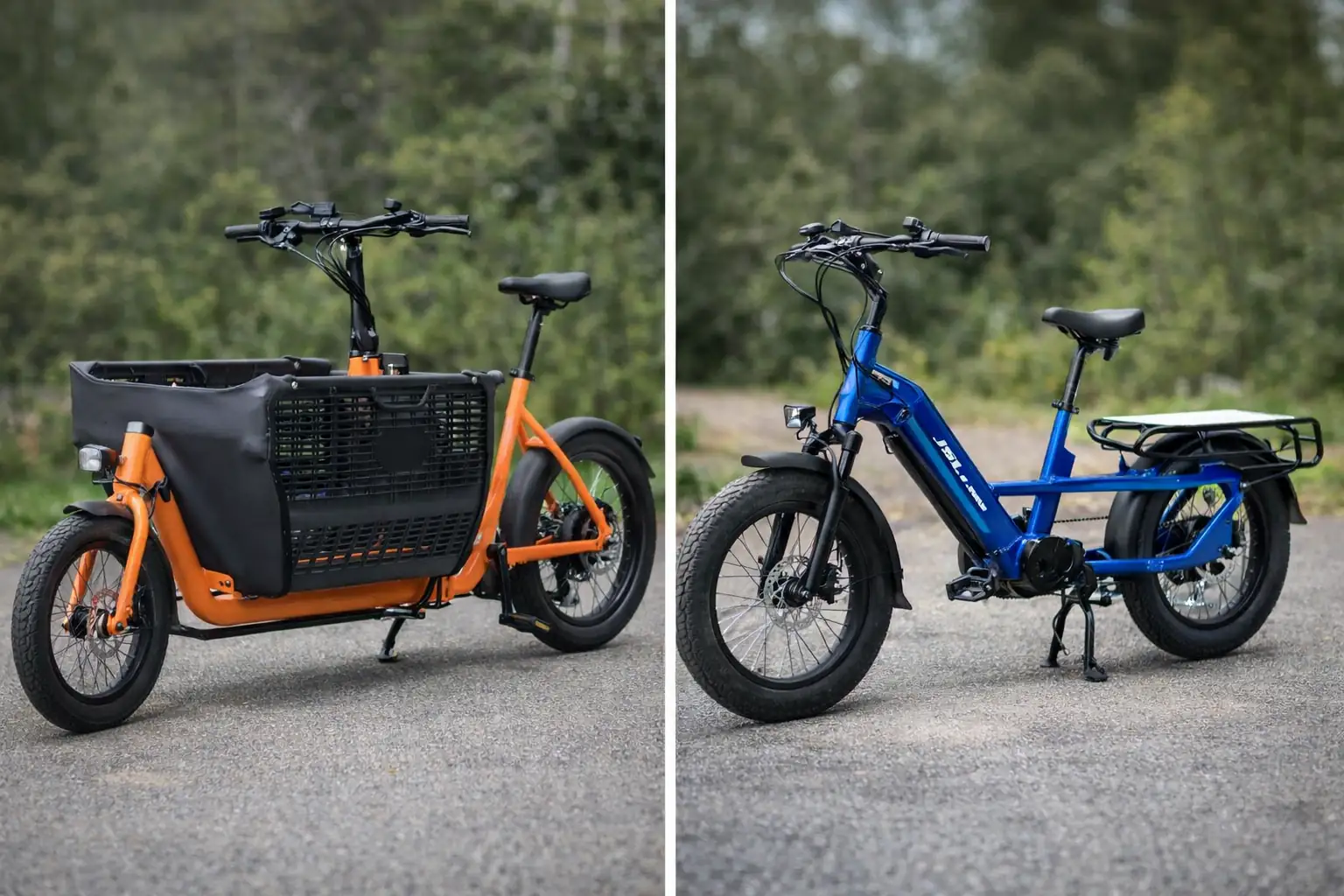
From our perspective as a manufacturer, we see direct correlations between new green policies and spikes in OEM orders. When a city announces a new LEZ that restricts polluting vehicles, we get inquiries for last-mile delivery e-bikes10. When a country launches a subsidy program, we see a surge in demand for family-oriented cargo models. These policies aren't just suggestions; they are powerful market forces. For businesses, using an e-cargo bike for deliveries means avoiding daily congestion charges, saving thousands on fuel and maintenance, and building a green brand image11. For families, a government grant can slash the purchase price, making it cheaper than a second car. We help our partners design and build bikes that meet all the necessary certifications (like CE and TÜV) to qualify for these programs, making it a seamless process for them.
Why Are They the Perfect Solution for Crowded European Cities?
Have you ever been stuck in a traffic jam in a historic city center, watching cyclists fly past you? That frustration is a daily reality for drivers in Europe's beautiful but narrow streets.
Front-loader cargo bikes1 are ideal for dense urban areas because they bypass traffic, require no parking spaces, and can use bike lanes. They are often faster than cars for short trips, making them perfect for deliveries, school runs, and errands.
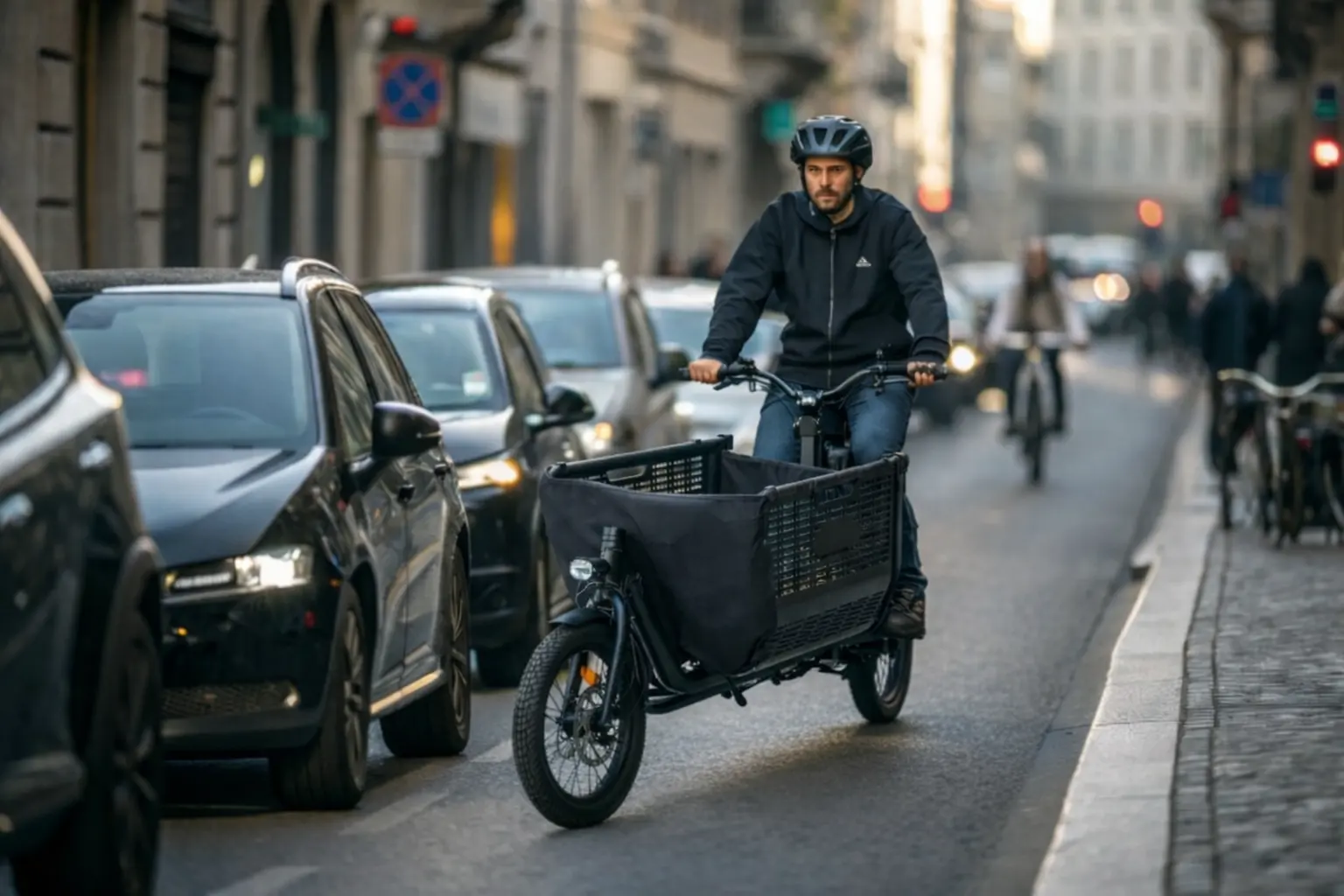
I once watched one of our client's delivery bikes navigate the center of Amsterdam. While vans were stuck in gridlock, the rider used bike paths and narrow alleys to complete deliveries in record time. This is the ultimate advantage. The infrastructure in many European cities was built long before cars existed. Front-loader bikes fit perfectly into this environment. We design our cargo bikes with this in mind, focusing on nimble handling and a tight turning radius12. But it's not just for business. I see more and more families using them as their primary vehicle. They can securely carry two or three children in the front box, protected from traffic. It’s a safe, fun, and healthy way to get around. They can go right up to the door of the school or supermarket, completely eliminating the search for parking. It’s a simple solution to a very modern problem.
| Factor | Car in City Center | Front-Loader Cargo Bike |
|---|---|---|
| Time in Traffic | High | Low to None |
| Parking | Difficult and Expensive | Easy and Free |
| Running Costs | High (Fuel, Tax, Insurance) | Very Low (Electricity) |
| Accessibility | Restricted by LEZs, one-way streets | High, access to bike lanes |
Conclusion
Front-loader cargo bikes are booming in Europe because they perfectly blend historical design with modern technology, are supported by green policies, and offer an unbeatable solution to urban traffic problems.
Discover why front-loader cargo bikes are becoming a popular choice for urban transportation in Europe, offering a smart and efficient solution. ↩
Explore how Europe's rich cycling culture contributes to the adoption of eco-friendly transportation solutions like cargo bikes. ↩
Learn about the technological advancements in e-bikes that make them a practical choice for everyday use and heavy loads. ↩
Understand how government policies and incentives are encouraging the shift towards greener transportation options like e-bikes. ↩
Find out about the financial incentives available for e-bike purchases, making them an affordable alternative to traditional vehicles. ↩
Discover how cargo bikes navigate narrow city streets efficiently, offering a practical solution for urban transportation. ↩
Explore the features that distinguish modern e-cargo bikes from their traditional counterparts, enhancing their usability. ↩
Learn how the integration of electric motors and batteries has revolutionized the functionality of cargo bikes. ↩
Understand the role of Low Emission Zones in promoting the use of eco-friendly vehicles like e-cargo bikes. ↩
Discover why e-bikes are becoming the preferred choice for last-mile delivery, offering efficiency and cost savings. ↩
Learn how businesses can improve their sustainability credentials by adopting e-cargo bikes for deliveries. ↩
Explore how these features make cargo bikes ideal for navigating urban environments, enhancing their practicality. ↩