Your new e-bike is fast and feels solid, but can it truly stop on a dime when fully loaded? Understanding braking force is the key to ensuring both safety and performance.
An e-bike's braking force is critical because it ensures the bike can stop safely and reliably under its increased weight, speed, and potential cargo load. From our factory view, it's not just a feature—it's a complete safety system matched to the bike's specific design to prevent accidents.
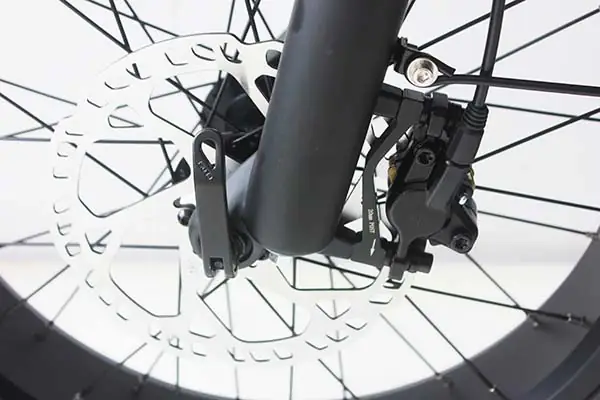
When we design an e-bike, we see braking as more than just a component. It's a promise of safety to the rider. The core difference between a regular bicycle and an e-bike is the added mass and speed. This changes everything when it comes to stopping. A weak braking system doesn't just feel bad; it's a ticking clock that can lead to serious issues down the road. We want to show you why this matters so much, from our perspective as manufacturers who build these bikes every day.
Why Do E-Bikes Demand So Much More From Their Brakes?
E-bikes are heavier and faster than standard bikes. This simple fact means that using regular bike brakes is a risk you can't afford, as you need a system built for higher forces.
Because e-bikes have more weight and reach higher speeds, they generate far more momentum. This puts immense stress on the brakes, especially when going downhill or carrying a load. Standard bicycle brakes are not designed to handle these forces, creating a major safety risk if not properly specified.
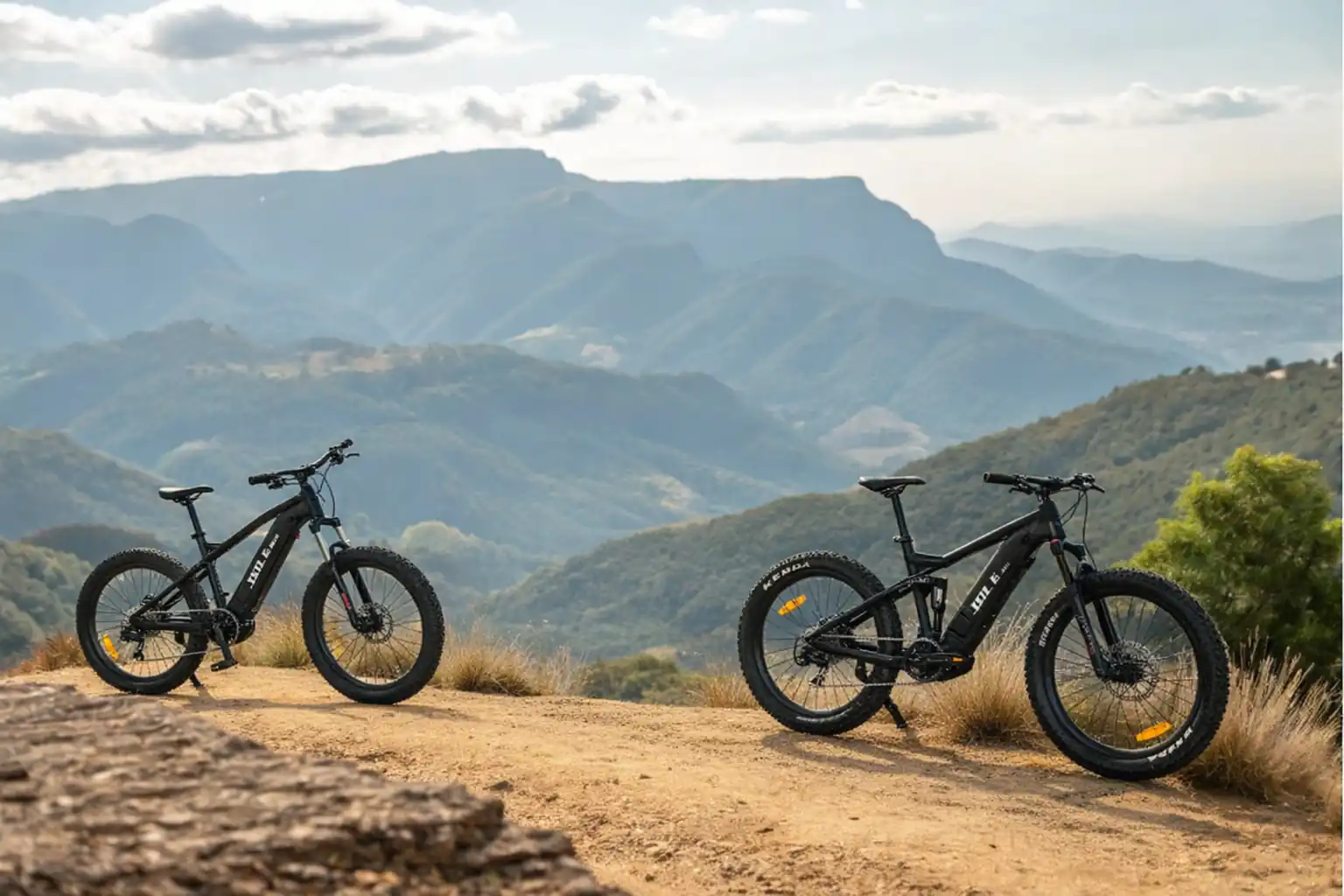
From a physics standpoint, it's quite simple. The more mass and velocity an object has, the more energy is required to bring it to a stop. We see this firsthand in our testing labs. An e-bike isn't just a bicycle with a motor; it's a different class of vehicle. The frame is heavier, the battery adds significant weight, and the motor allows riders to maintain higher average speeds with less effort. When you add a rider and potentially cargo, the total weight can easily be double that of a standard bike. This extra inertia means the braking system has to work much harder. The first sign of an under-specced brake isn't a "poor experience"—it's a safety failure waiting to happen.
To put it in perspective:
| Vehicle Type | Average Weight (Bike Only) | Common Scenario | Required Stopping Power |
|---|---|---|---|
| Standard Bicycle | 12 kg (26 lbs) | Casual riding | Baseline |
| City E-Bike | 25 kg (55 lbs) | Commuting at 25 km/h | Significantly Higher |
| Loaded Cargo E-Bike | 100 kg (220 lbs) | Delivery with full load | Extremely High |
Do All E-Bikes Need the Same Type of Brakes?
You see "disc brakes" listed on almost every e-bike spec sheet. But do they all perform the same when the bike is fully loaded? The bike's purpose is what truly dictates its braking needs.
No, they absolutely do not. A lightweight city commuter has very different braking needs than a heavy-duty cargo e-bike or a high-speed mountain e-bike. The braking system must be precisely matched to the bike's total weight, intended load, and typical use case to ensure safe performance.
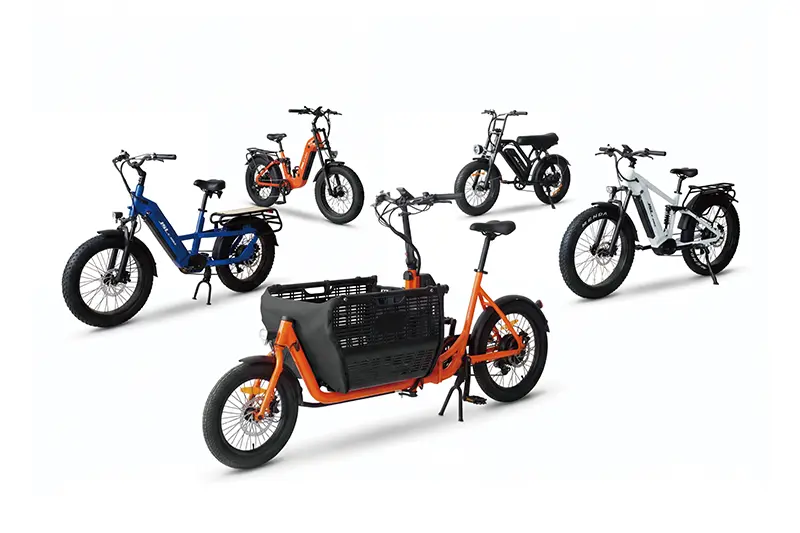
This is one of the most common details that new brands or importers overlook. They might check a box for "hydraulic disc brakes1" and assume the job is done. But in our experience, that's just the start of the conversation. The real question is whether the entire braking system is a good match for the bike's intended function. A brake that works perfectly on a 22 kg city e-bike will feel weak and fade quickly on a 40 kg cargo e-bike carrying an extra 50 kg of goods. We have to consider how the bike will be used. Is it for flat city streets, or will it be ridden in a hilly area? Is it for a single rider, or will it be used for deliveries?
Here’s how we think about it for different models:
| E-Bike Type | Primary Challenge | Braking System Priority |
|---|---|---|
| City Commuter | Frequent stops, moderate speed | Consistency and low maintenance |
| Fat Tire / Mountain | High speeds on descents, rough terrain | Strong initial bite and heat dissipation |
| Cargo / Delivery E-Bike | Very heavy loads, high inertia | Maximum stopping power and fade resistance |
What Are the Real-World Consequences of Inadequate Brakes?
A new e-bike model can look perfect on paper and in photos. But soon after launch, customers complain it feels unsafe when braking with a load. This is because under-specced brakes always create problems.
Inadequate braking force directly causes aftermarket issues for your brand. Customers will report longer stopping distances, a spongy lever feel, and rapid brake fade under load. This leads to safety complaints, costly repairs, warranty claims, and ultimately, a loss of customer trust in your products.
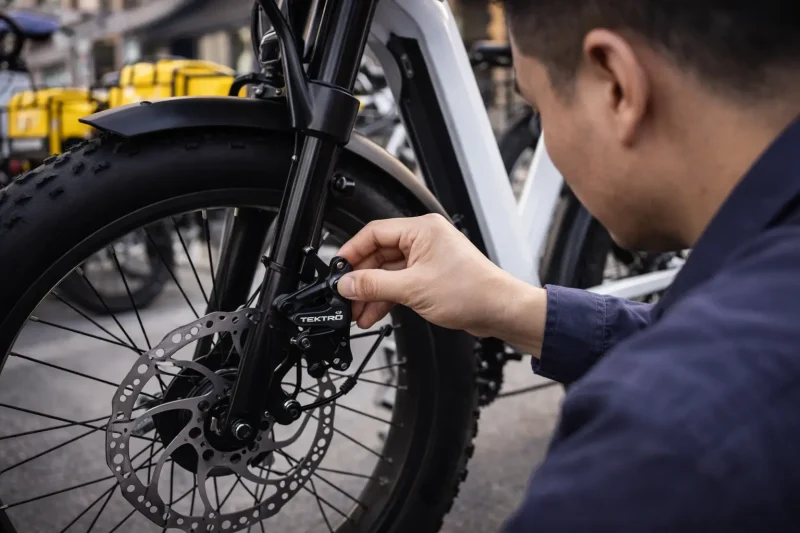
From our position as a manufacturer, we can predict these issues before they happen. A customer might not notice a weak brake during a short test ride, but the problems will always surface with real-world use. Over time, these small issues grow into major brand liabilities.
Here are the exact problems that arise:
- Longer Stopping Distances: The most dangerous outcome. The bike simply takes too long to stop, especially in an emergency.
- Spongy Lever Feel: The brake lever feels "mushy" and pulls all the way to the handlebar without providing a solid, confident stop. This gets much worse when the bike is loaded.
- Brake Fade: During a long downhill ride, the brake system overheats and loses its effectiveness. The rider will pull the lever, but the bike won't slow down as it should.
- Faster Pad and Rotor Wear: Brakes that are too small for the job wear out extremely quickly, leading to high maintenance costs and frequent customer complaints.
- Negative Reviews: The worst outcome is a customer feeling "unsafe." This feeling spreads quickly through online reviews and damages a brand's reputation permanently.
Is Upgrading the Brake Caliper the Only Way to Improve Braking?
Many people focus only on hydraulic versus mechanical brakes. But simply changing the caliper might not solve your stopping problems. True braking force2 comes from a complete, balanced system.
No, focusing only on the caliper is a common mistake. Real braking performance is a system-wide issue. It depends on the interplay between the bike's total weight, wheel size, tire grip, and the size of the brake rotors—not just the type of caliper used.
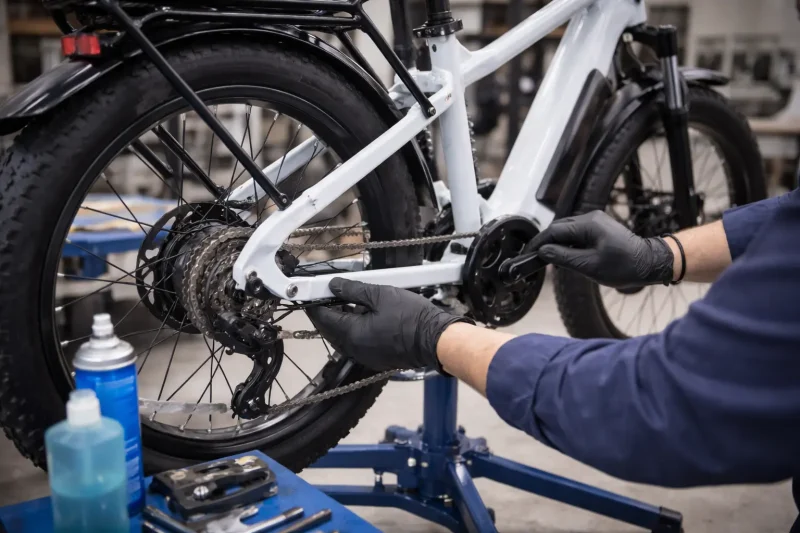
When we engineer a braking solution, we look at the entire bike as one dynamic system. It's a holistic problem, not a parts-bin problem. A powerful hydraulic caliper is useless if the tires can't grip the road or if the brake rotors are too small to handle the heat.
Here are the factors that all have to work together:
- Total Vehicle Weight: The mass of the bike, rider, and any cargo is the number one factor. This determines how much energy the brakes need to absorb.
- Rotor Size: A larger diameter brake rotor gives the caliper more leverage and dissipates heat more effectively. Upgrading from a 160mm rotor to a 180mm or 203mm rotor makes a massive difference in stopping power.
- Tire Grip: Your brakes can only work as well as your tires. If the tires skid easily, even the most powerful brake is ineffective. The tire compound and tread pattern are crucial.
- Caliper and Pads: The caliper (hydraulic or mechanical) determines how force is applied, while the brake pad compound affects friction and heat management.
- Wheel Diameter: A larger wheel (like a 29er) has more rotational inertia and requires a stronger brake to stop it compared to a smaller 20-inch wheel.
It's a complete matching problem. Our job is to balance all these elements to create a system that stops safely and reliably every single time.
Conclusion
True e-bike safety comes from a braking system perfectly matched to the bike's weight, speed, and load. It's a total engineering solution that ensures reliability and builds customer trust.