Struggling to understand e-bike tech choices in Europe? Your current e-bike might feel jerky and unnatural. Here’s why torque sensors1 provide the smooth, intuitive ride European cyclists demand.
European customers prefer torque sensors because they provide a natural, bicycle-like riding experience. The sensor measures pedal pressure2 and delivers proportional power, making the ride smooth and intuitive, unlike the abrupt feel of cadence sensors. This aligns perfectly with EU regulations3 and cycling culture4.
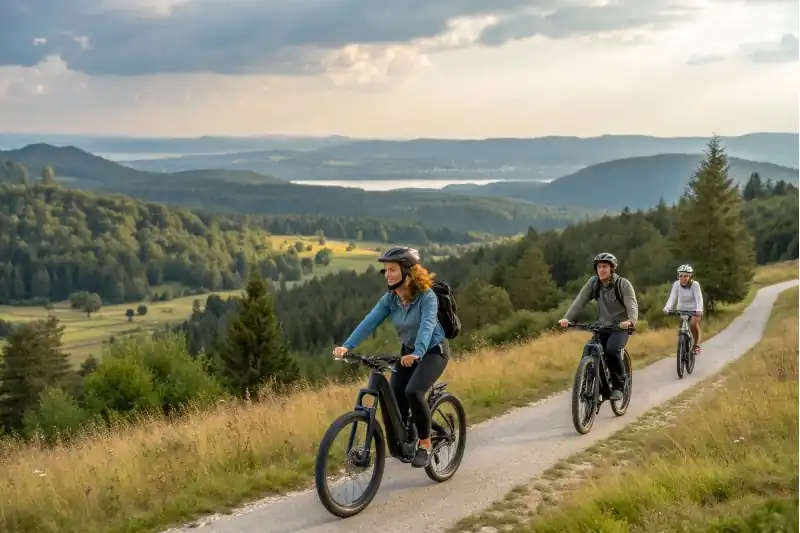 I remember the first time I rode an e-bike with a cadence sensor in a busy market square. The sudden jolt of power almost sent me into a fruit stand! It was a real eye-opener. That experience made me realize why the feel of the ride is so critical. It's not just about getting from A to B; it's about how you feel on the journey. Let's explore why this matters so much to riders in Europe.
Do Europeans Want an E-Bike to Feel Like a Traditional Bicycle?
Does your e-bike feel more like a scooter than a bicycle? The sudden power surge can ruin the joy of cycling. Torque sensors solve this by amplifying your effort naturally.
Yes, absolutely. European cycling culture values the feeling of pedaling. A torque sensor makes an e-bike feel like a traditional bicycle by amplifying the rider's own power. It provides assistance that is proportional to how hard you pedal, preserving the authentic cycling experience.
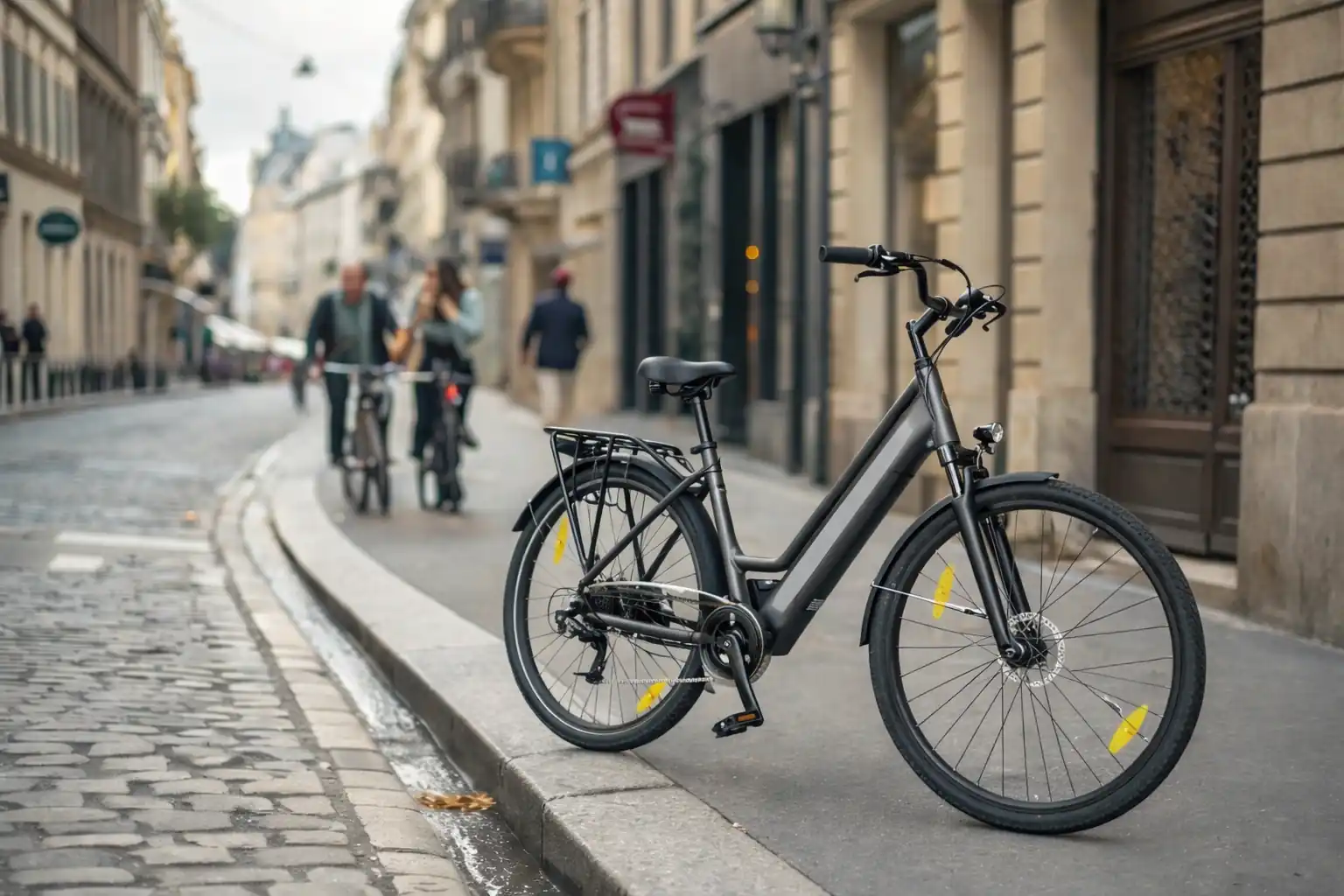 I've talked to countless distributors in Europe, from Amsterdam to Rome, and they all say the same thing. Their customers don't want to feel like they are just pressing a "go" button on a scooter. They want to be part of the ride, to feel the connection with the road. A torque sensor is the key to this feeling. It uses a precise strain gauge5 to measure how much force you're putting on the pedals, hundreds of times per second. If you pedal lightly for a relaxed cruise along the canal, you get just a little bit of help. If you push hard to conquer a steep hill in the Alps, the motor gives you more power instantly. This creates a seamless and intuitive connection between the rider and the bike. It’s why our OEM e-bikes often feature 5 to 7 assist levels6. This allows riders to fine-tune the experience to match their exact needs and the terrain. They can choose a light boost for a workout or maximum help when carrying groceries. It's all about keeping the rider in control and making the motor feel like a powerful, silent extension of their own legs, not a separate engine.
How Do EU Regulations Influence the Choice Between Torque and Cadence Sensors?
Worried about strict EU e-bike laws? These rules can make some e-bikes feel underpowered and clunky. A torque sensor is the perfect match for these regulations, ensuring a smooth ride.
EU regulations (250W motor7, 25 km/h limit, pedal-assist only) make torque sensors the superior choice. They optimize the low-power output by providing assistance that matches the rider's effort, making the ride feel natural and efficient, unlike the fixed, on/off feel of cadence sensors.
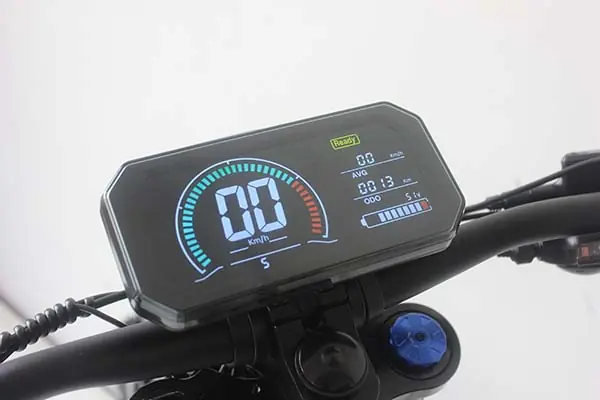 The legal framework in Europe is very specific and really shapes the technology. The 250-watt power limit means you can't just rely on raw motor strength to deliver a good experience. The power has to be delivered intelligently and efficiently. This is where torque sensors1 truly shine. With a standard cadence sensor, the motor delivers a fixed amount of power for each assist level as soon as you start turning the pedals. On a 250W system, this can feel very jerky and unnatural. The bike is either "on" or "off." But a torque sensor modulates that 250W output based on your real-time effort. This proportional assistance makes the bike feel much more powerful and responsive than its specs might suggest. It’s a smarter, more efficient use of the limited power available, which also helps extend battery range8. This is crucial for complying with the pedelec rule9 that assistance is only provided while pedaling. The torque sensor ensures this interaction is smooth and continuous, not a series of sudden, uncontrolled jolts. It makes the ride compliant, safe, and, most importantly, genuinely enjoyable.
Feel unsafe starting your e-bike at busy intersections? The delay from a cadence sensor can be dangerous in traffic. Torque sensors provide instant response for better control and safety.
Yes, torque sensors are significantly better and safer for European city riding. They provide immediate assistance the moment you apply pressure to the pedals. This allows for smooth, controlled starts at traffic lights and on hills, which is essential in the narrow, stop-and-go streets of old European cities.
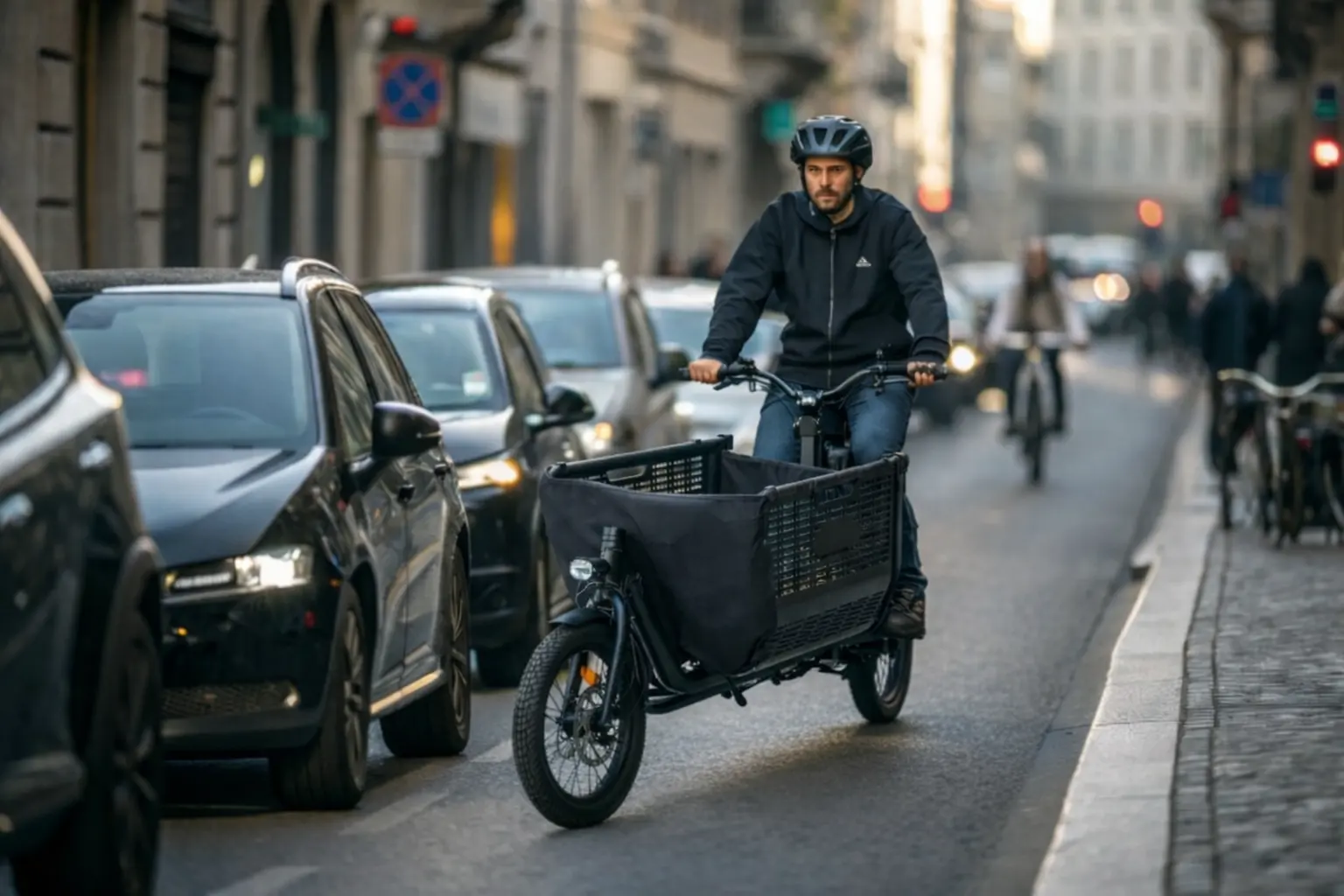 I once guided a client through a test ride in an old city center with lots of cobblestone, hills, and traffic. He was used to cadence sensors, and the difference was a revelation for him. European cities, with their narrow roads, frequent red lights, and steep inclines in places like Lisbon or Stuttgart, demand absolute precision. A cadence sensor often has a noticeable half-crank rotation delay before the motor engages. This lag is not just frustrating; it can be dangerous when you need to start quickly on a hill with cars behind you or navigate a busy roundabout. A torque sensor, however, responds instantly. The moment your foot applies pressure, the motor helps. This gives the rider incredible control. You can feather the pedals for a slow, gentle start in a crowd or push hard for a quick launch to get ahead of traffic. This level of control is what makes riders feel safe and confident. It’s no surprise that top-tier system brands like Bosch10, Shimano, and Brose almost exclusively pair their mid-drive systems11 with torque sensors. They understand that for the demanding European urban environment, an immediate and predictable response is not a luxury—it's an absolute necessity for safety and usability.
Sensor Comparison in Urban Scenarios
| Scenario | Torque Sensor Performance | Cadence Sensor Performance |
|---|---|---|
| Starting on a Hill | Instant, proportional power makes for a smooth, easy start. | Lag can cause the bike to roll back; the sudden power kick can be jarring. |
| Stop-and-Go Traffic | Precise, low-speed control. Easy to start and stop smoothly. | Jerky starts make it difficult to navigate tight spaces safely. |
| Navigating Crowds | Gentle pressure on the pedal gives a slight, manageable push. | Difficult to control; the motor is either off or provides too much power. |
| Sharp, Slow Turns | Power delivery is intuitive and matches pedaling, aiding balance. | A sudden power surge mid-turn can be destabilizing and unsafe. |
Conclusion
In short, European riders choose torque sensors for a natural feel, compliance with regulations, and superior control in cities. It's about enhancing the ride, not replacing the rider.
Torque sensors provide a smooth and intuitive riding experience, making them a preferred choice for European cyclists seeking a natural feel. ↩
Understanding pedal pressure helps riders appreciate how torque sensors deliver proportional power, enhancing the cycling experience. ↩
EU regulations shape e-bike technology, making torque sensors a superior choice for compliance and efficiency. ↩
Exploring European cycling culture reveals why riders prefer e-bikes that mimic traditional bicycles, enhancing the riding experience. ↩
A strain gauge measures pedal force, allowing torque sensors to provide precise power assistance, crucial for a seamless ride. ↩
Assist levels allow riders to customize their e-bike experience, providing flexibility for different terrains and personal preferences. ↩
The 250W motor limit requires intelligent power delivery, making torque sensors vital for a responsive and efficient ride. ↩
Torque sensors optimize power usage, extending battery range and enhancing the overall efficiency of e-bikes. ↩
The pedelec rule ensures assistance is only provided while pedaling, making torque sensors essential for compliance and smooth riding. ↩
Bosch is renowned for its precision and reliability in torque sensors, offering smooth rides and compliance with EU regulations, enhancing urban cycling safety. ↩
Mid-drive systems paired with torque sensors offer superior control and power delivery, ideal for European urban environments. ↩