High delivery demand is meeting traffic-clogged cities. Buying a whole fleet is expensive and risky. What if there's a smarter, more flexible way to get on the road?
Leasing programs are booming1 because they offer a low-cost, flexible solution for businesses and individuals. They bypass the high upfront cost of buying, which is crucial in the current economic climate, and cater to both commercial delivery needs and short-term personal use.
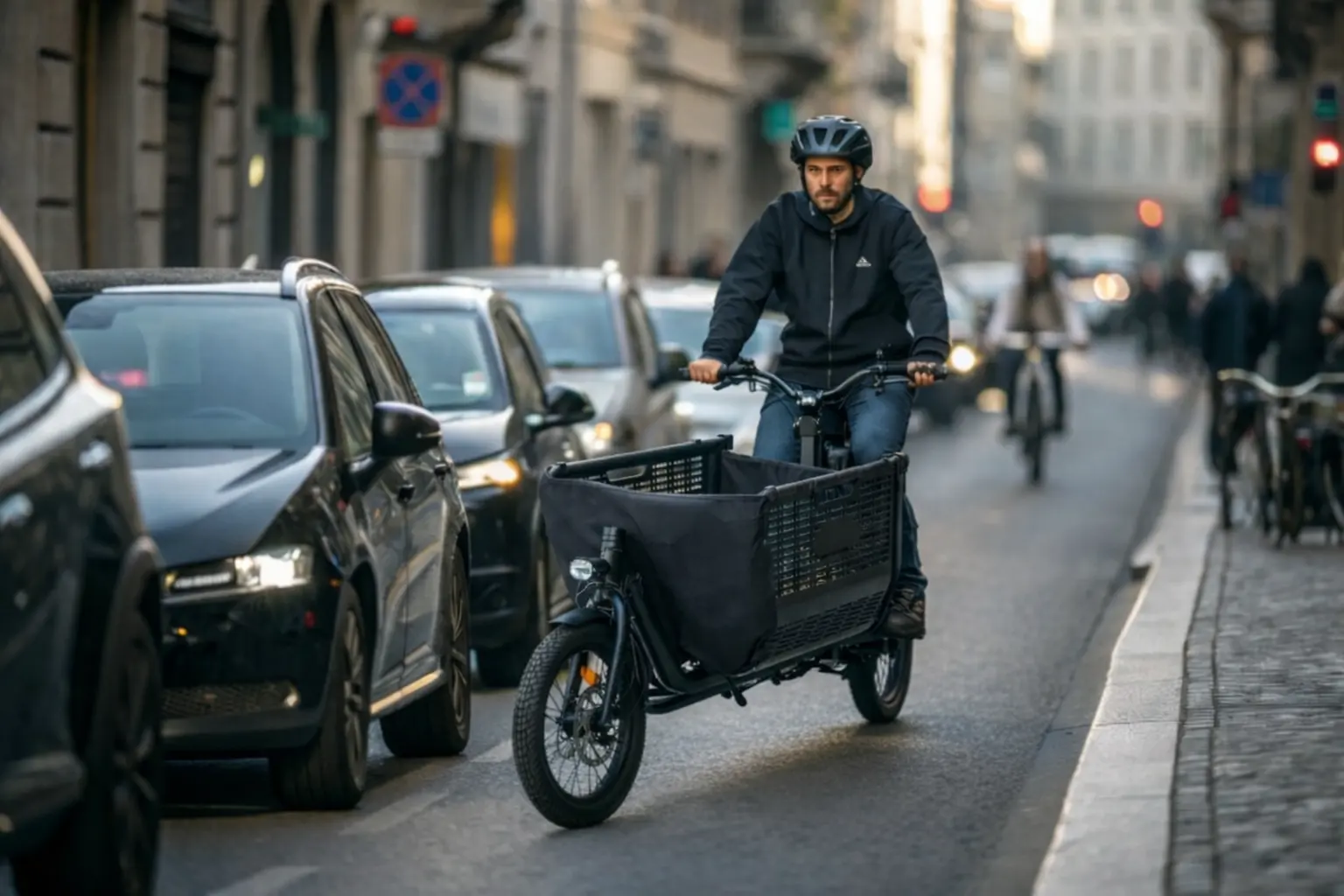
You have probably seen them everywhere. Cargo e-bikes are zipping through city streets2, carrying everything from packages to children. It is a huge trend. But more and more, the companies and people using these bikes don't actually own them. They lease them. This shift from buying to leasing is happening for some very specific reasons. But what's really driving this massive shift? Let's break down the key factors.
What Makes the EU a Perfect Market for Cargo E-Bikes?
European cities need efficient delivery solutions3. But cars are slow, polluting, and often banned in busy zones. Cargo e-bikes offer a green, fast, and practical alternative for urban logistics.
The EU is ideal for cargo e-bikes due to a mix of high delivery demand, severe traffic congestion, and strong government pushes for eco-friendly transport. These factors make traditional vehicles impractical, creating a huge opportunity for electric bikes designed for logistics.
As a manufacturer with over 20 years of experience, I've watched the European market closely. The conditions there have created a perfect storm for cargo e-bikes. It all comes down to a few key points.
Growing Delivery Needs4
First, the demand for deliveries has skyrocketed. E-commerce and food delivery services are more popular than ever. This means more packages and meals need to get to their destinations quickly.
The Urban Maze5
Second, European city centers are often a maze of narrow streets, pedestrian zones, and traffic jams. Many cities also have Low Emission Zones (LEZs)6 that restrict or charge polluting vehicles. Cars and vans simply can't operate efficiently in these environments. Cargo e-bikes, however, can use bike lanes and cut through traffic, making them much faster for the "last mile" of delivery.
Green Government Policies7
Finally, governments across the EU are actively encouraging greener transportation. They offer subsidies, tax breaks, and other incentives for using electric vehicles, including e-bikes. This support makes switching from vans to cargo e-bikes an even more attractive option for businesses.
| Feature | Cargo E-Bike | Delivery Van |
|---|---|---|
| Access | All zones, bike lanes | Restricted in LEZs, stuck in traffic |
| Speed (City) | Often faster on short routes | Slower in congestion |
| Cost | Lower purchase & running cost | Higher purchase & running cost |
| Emissions | Zero (at point of use) | High CO2 emissions |
Why Is Leasing a Smarter Financial Move Than Buying a Fleet?
You want to scale your delivery operations with cargo e-bikes. But the huge upfront investment is a major financial risk, especially now. Leasing removes this barrier, letting you scale flexibly.
Leasing is smarter financially8 because it avoids a large capital expense. In an uncertain economy, this preserves cash flow. It also turns a capital expenditure (CapEx) into a predictable operational expenditure (OpEx), simplifying budgeting and removing worries about maintenance.
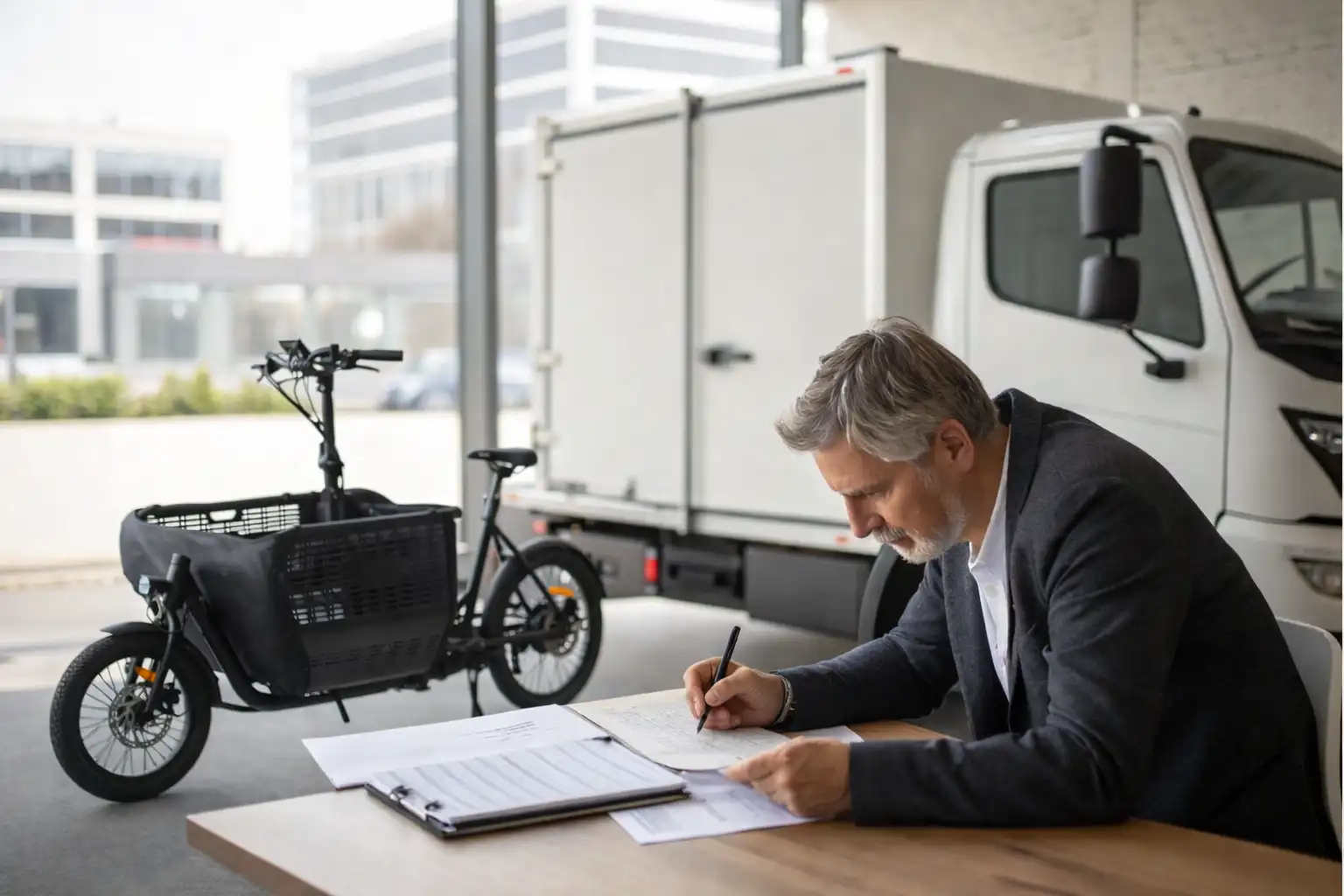
The recent economic climate in Europe has made businesses more cautious with their money. Buying an entire fleet of cargo e-bikes requires a huge amount of cash upfront. Leasing changes the entire financial picture, and from our position as an OEM supplier, we see more clients building products specifically for this leasing model.
From Big Expense to Small Payment
The biggest advantage is financial. Buying a bike is a Capital Expenditure (CapEx), a large one-time purchase that hits your books hard. Leasing turns this into a predictable Operational Expenditure (OpEx), which is a smaller, regular payment like a subscription. This is much easier for a business to manage. It frees up cash that can be used for other parts of the business, like marketing or hiring.
No More Hidden Costs9
Owning a vehicle comes with hidden costs: maintenance, repairs, insurance, and eventual depreciation. A bike that is used all day for deliveries needs a lot of upkeep. With most leasing programs, the leasing company handles all of that. This lets a delivery company focus on its core business—delivering things—instead of running a bike repair shop.
Flexibility to Grow10
Business demand changes. You might need more bikes during the holiday season and fewer in a slow month. Leasing gives you the flexibility to scale your fleet up or down as needed. If you own the bikes, you're stuck with them. This adaptability is crucial for new or growing businesses trying to match their resources with customer demand.
Are Cargo E-Bike Leases Just for Businesses?
You need to haul groceries or kids, but don't want another car. A cargo e-bike is perfect, but buying one for occasional use feels wasteful. Short-term leasing gives you all the benefits.
No, leasing isn't just for businesses. It's increasingly popular with families and individuals for short-term needs. This includes weekend trips, moving small items, or simply trying out the "e-cargo bike lifestyle" before committing to a full purchase.
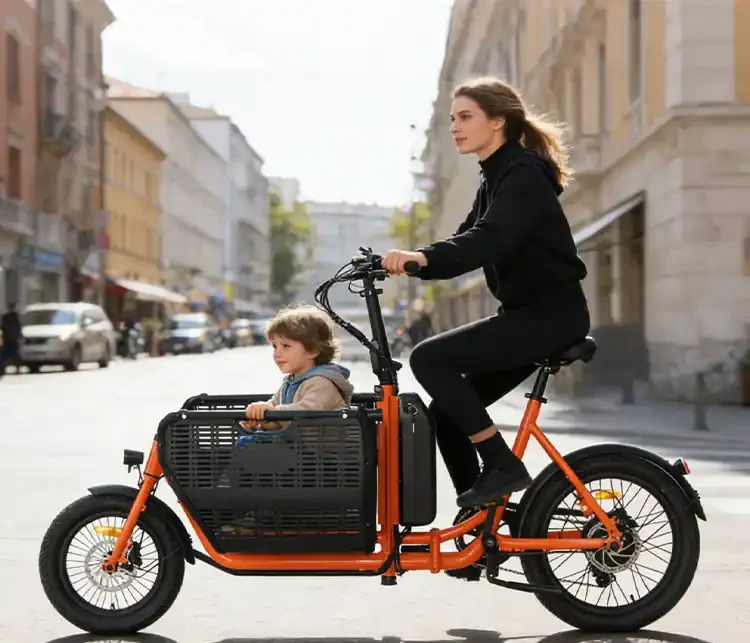
While the commercial delivery sector is a huge driver of leasing, it's not the whole story. I've noticed a growing trend of individuals and families turning to leasing for personal use. This opens up a completely different market.
The "Try Before You Buy" Model
Many people are curious about cargo e-bikes. Can it really replace a second car? Will my kids like riding in it? Buying one is a big commitment. Leasing a bike for a month or two is the perfect way to answer these questions. It's a low-risk test drive that helps people decide if the lifestyle fits them.
The Vacation and Weekend Solution11
Think about a family on vacation in a scenic area, or someone who just needs to move a few things across town. A cargo e-bike is a perfect tool for these short-term tasks. Our front-loading cargo models are especially popular for this, as they can easily carry children, pets, or picnic supplies. Leasing provides access to the right tool for the job, exactly when it's needed, without the burden of ownership.
A More Sustainable Lifecycle12
Leasing is also great for the environment. When a lease ends, the company takes the bike back. They can then service it, repair it, and lease it out to someone else. This creates a circular economy for vehicles. As manufacturers, we support this by designing durable, modular, and easily serviceable e-bikes. We build them to withstand multiple lease cycles, which is a key requirement for our fleet-operator clients.
Conclusion
Economic pressure, business flexibility, and personal convenience are driving the EU's cargo e-bike leasing boom. It is a smart, sustainable, and adaptable model for modern urban mobility.
Leasing programs offer a flexible, low-cost solution, bypassing high upfront costs, making them ideal in today's economic climate. ↩
Cargo e-bikes provide a fast, eco-friendly alternative for urban logistics, efficiently navigating traffic-clogged city streets. ↩
Traffic congestion and pollution make traditional vehicles impractical, creating demand for efficient alternatives like cargo e-bikes. ↩
E-commerce and food delivery services are increasing, driving demand for efficient delivery solutions like cargo e-bikes. ↩
Cargo e-bikes can access bike lanes and avoid traffic jams, making them ideal for last-mile delivery in congested areas. ↩
LEZs restrict polluting vehicles, making cargo e-bikes a practical choice for businesses needing access to all city areas. ↩
EU governments offer incentives for eco-friendly transport, making cargo e-bikes an attractive option for businesses. ↩
Leasing avoids large capital expenses, preserves cash flow, and simplifies budgeting, making it a financially savvy choice. ↩
Leasing eliminates maintenance, repairs, insurance, and depreciation costs, allowing businesses to focus on core operations. ↩
Leasing allows businesses to scale their fleet according to demand, offering adaptability crucial for growth. ↩
Leasing provides access to cargo e-bikes for short-term needs, perfect for family outings or moving items without ownership burden. ↩
Leasing supports a circular economy, allowing bikes to be serviced and reused, promoting environmental sustainability. ↩