Starting an e-bike rental fleet is complex. Wrong bikes lead to high costs and bad reviews. Let’s explore the best models to ensure your business thrives.
The best e-bike depends on your use case. City fleets need user-friendly low-step models. Delivery services require robust cargo e-bikes with large batteries. Tourist rentals should prioritize comfortable, low-maintenance bikes that are easy to ride. Always consider durability, battery life, and rider comfort.
I've been in this industry for over 20 years. I've seen firsthand what works and what doesn't. The right choice of e-bike can make or break your rental business. Let's break down the details so you can make an informed decision and build a profitable fleet from day one.
How do you choose the right e-bike for a rental fleet?
You need to choose e-bikes for your fleet. A bad choice means constant repairs and lost income. Let's focus on the key factors for a smart purchase.
To choose the right e-bike, focus on durability, maintenance costs, and suitability for your target rider. You must check the bike's load capacity, battery range, rider comfort, and frame design. These factors directly impact your fleet's profitability and customer satisfaction.
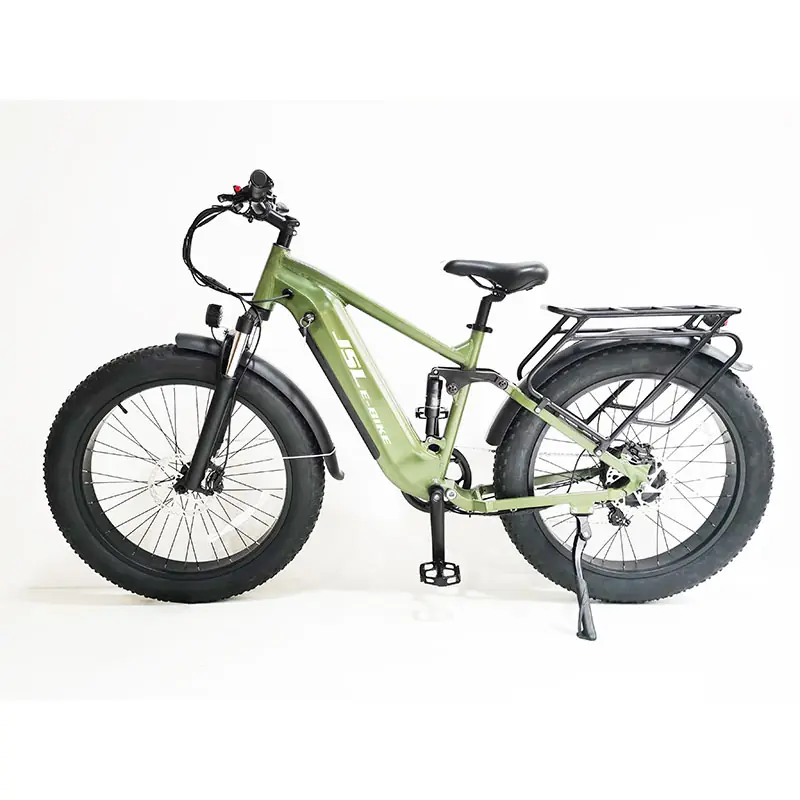
Choosing the right bike involves looking at specific details. These details determine how well the bike performs and how much it costs to run.
Load Capacity and Battery are Crucial
The bike's job dictates its needs. A delivery e-bike needs to be a workhorse. It should carry at least 50kg. Its battery must also be powerful. I recommend 750Wh or more for delivery fleets1 to last a full shift. For city rentals, a smaller capacity is fine. A 500Wh battery is usually enough for daily urban trips.
Comfort and Design Matter
Rider experience is key to repeat business. A low-step frame2 makes it easy for anyone to get on and off. This is great for city rentals. Comfortable seats and a good suspension system reduce fatigue. This is important for both tourists and delivery riders.
| Feature | Delivery Fleet | City Rental Fleet |
|---|---|---|
| Min. Load Capacity | 50 kg (110 lbs) | 20 kg (44 lbs) |
| Min. Battery | 750Wh | 500Wh |
| Key Design | Durable Frame, Cargo Racks | Low-Step, Upright Posture |
| Priority | Durability & Range | Ease of Use & Comfort |
What are the best e-bike types for different rental services?
Not every e-bike fits every rental service. Using a city bike for heavy deliveries will lead to breakdowns. Let's match the perfect e-bike type to its intended job.
For delivery fleets, choose cargo e-bikes with strong frames and long-range batteries. For city rentals, use lightweight, low-step city bikes. For tourist rentals, select comfortable and easy-to-operate models that mimic a traditional bicycle feel, like our popular European models.
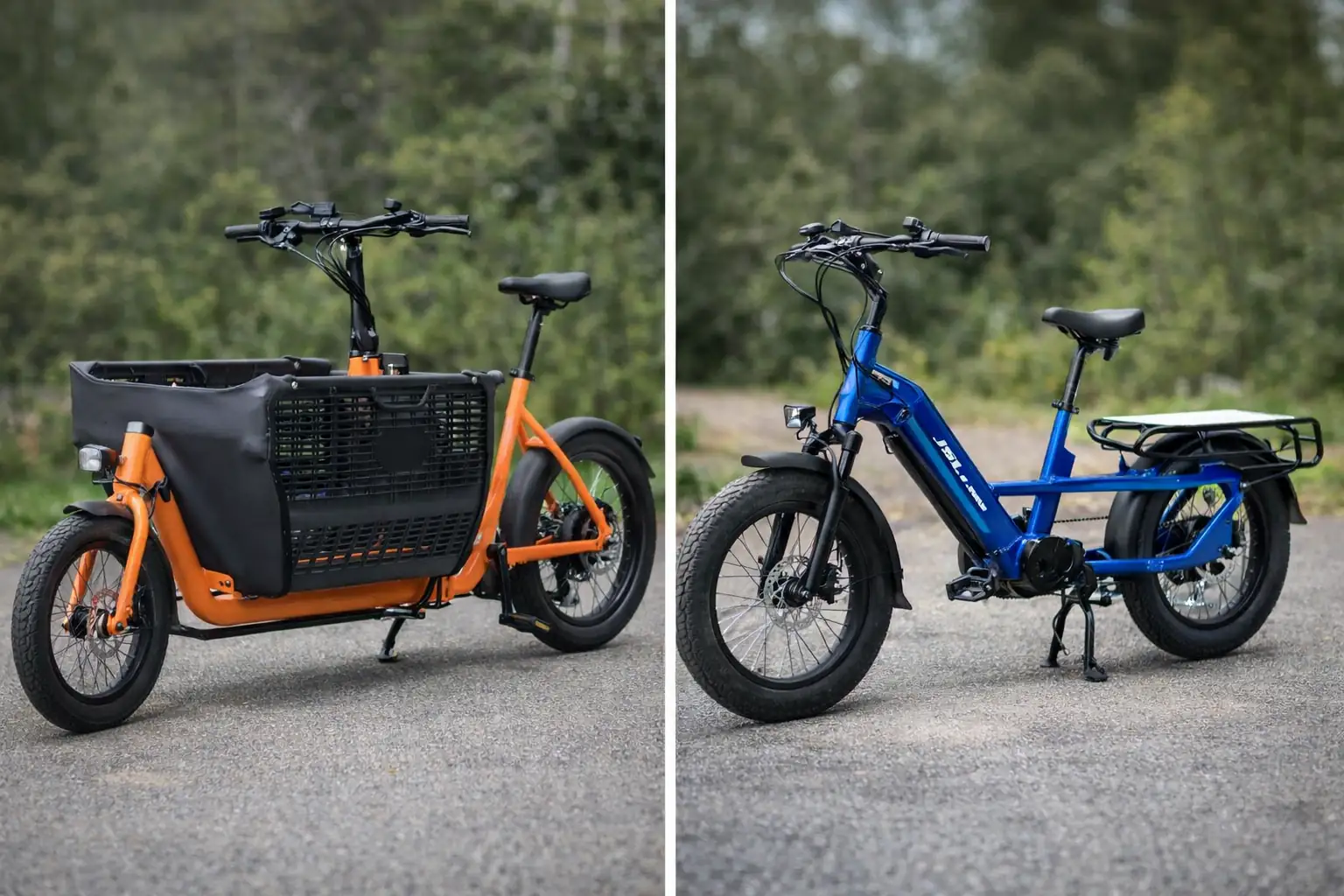
Matching the bike to the task is the most important step. A delivery bike has different needs than a tourist bike. Here is my breakdown based on over 20 years of experience.
1. For Delivery Fleets
Delivery is a tough job. You need a tough bike. I recommend cargo e-bikes like our Mini Cargo or JSL039FU. They have strong frames, stable designs, and low-maintenance parts. A low-step frame is essential. It lets riders get on and off quickly during frequent stops. We equip these with IoT for tracking and large batteries for long range. One of our clients in Israel even requested a custom, extra-large battery to maximize delivery time without recharging.
2. For City Rental Fleets
City riders want convenience and comfort. Low-step city e-bikes like our JSL038B and JSL039FM are perfect. They have comfortable seats and an upright riding position. Their low-step design makes them accessible to everyone. They are also lighter and handle more like a traditional bicycle, which urban riders prefer.
3. For Tourism Rental Fleets
Tourists want a relaxed, enjoyable experience. Lightweight city e-bikes are ideal here. Models like our JSL039WF and JSL039K(A) are bestsellers in Europe for this reason. They are comfortable, simple to use, and provide a natural riding feel. They also comply with European regulations of 250W motors and a 25 km/h speed limit.
How can you use IoT to manage an e-bike rental fleet?
Managing a large fleet of e-bikes is a huge challenge. Bikes get stolen or have dead batteries, costing you money. IoT technology3 provides a powerful solution to these problems.
IoT technology lets you manage your fleet efficiently. You can track each bike's location in real-time with GPS to prevent theft. You can also monitor battery status remotely to schedule swaps and use remote locking features to secure your assets through a central management platform.
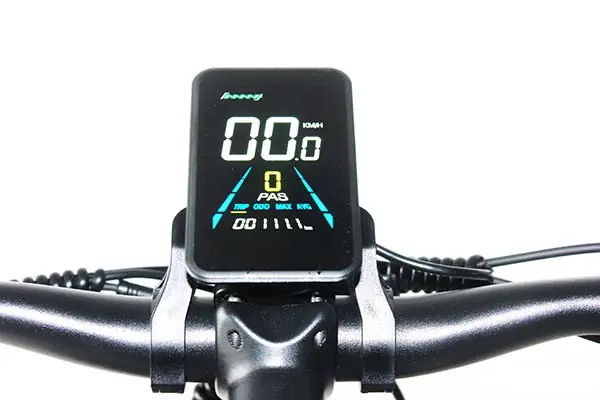
Technology has changed how we manage rental fleets. IoT, or the Internet of Things, is a game-changer. It connects your bikes to a central system, giving you complete control.
Real-Time Tracking and Security
The biggest fear for any fleet owner is theft. With an IoT module installed, every e-bike has GPS. You can see the exact location of every bike on a map, in real-time. This drastically reduces the risk of theft and loss. It also allows you to find bikes that are left outside of designated zones.
Smart Battery and Operations Management
Downtime is lost revenue. IoT lets you monitor the battery level of every bike remotely. You can dispatch staff to swap batteries before they run out. You can also remotely lock and unlock bikes. This is essential for a dockless rental system. Platforms like "Omni Smart IoT" bring all these features together. They give you a dashboard to optimize your entire fleet's operations.
How do you choose the right e-bike for different regional markets?
Every market has unique demands. A popular bike in Europe might not work in the US market. Let’s look at how to choose e-bikes for specific regions.
For Europe, choose comfortable, low-step city e-bikes that meet EN15194 standards4. For the Middle East, select durable models that can handle high heat. In the US, offer a mix of city e-bikes for urban areas and powerful e-mountain bikes for rural tourism.
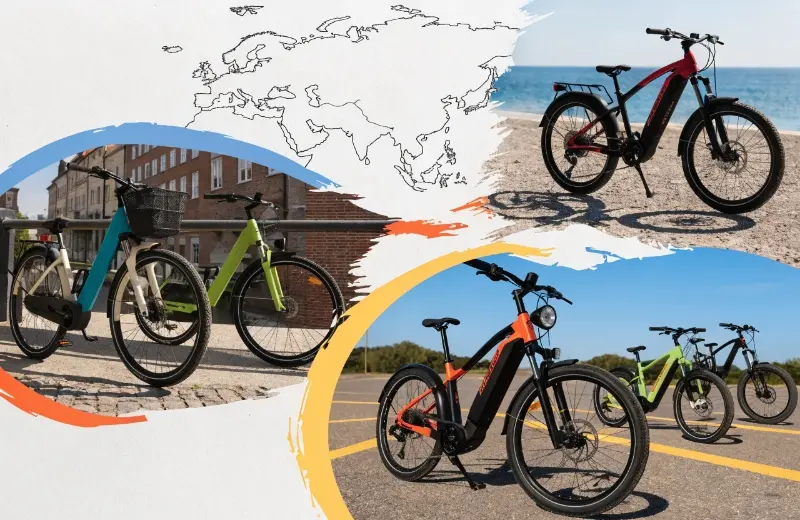
Selling e-bikes globally has taught me that one size does not fit all. Customer preferences and regulations change from one region to another. Building a successful fleet means understanding these differences.
The European Market
European riders prioritize comfort and compliance. Low-step city e-bikes with an upright posture are very popular for rentals. It's also critical that the bikes meet local standards, especially the EN15194 regulation. This ensures safety and legal compliance, which is non-negotiable for any business operating there.
The Middle Eastern Market
In the Middle East, durability is king. The climate can be harsh, with high temperatures and dusty conditions. You need heavy-duty e-bikes built to last. Components must be able to withstand the heat. Powerful motors and robust frames are more important here than lightweight designs.
The American Market
The US market is diverse. In dense cities like New York or San Francisco, lightweight city e-bikes are perfect for short-term rentals. However, in areas with vast parks or trails, there's a huge demand for long-range, powerful e-mountain bikes for tourism and recreation. A successful US fleet often needs to offer both.
How can you run a profitable e-bike rental business?
You want your rental business to be profitable. High maintenance costs and the wrong pricing model can quickly drain your funds. Let’s cover key strategies to maximize your income.
To be profitable, use flexible pricing models like hourly for short trips and daily or monthly for longer rentals. Most importantly, minimize costs by choosing durable, low-maintenance bikes. Regular preventative maintenance is cheaper than major repairs and keeps your fleet on the road.
Profitability comes down to two things: maximizing revenue and minimizing costs. The e-bikes you choose have a huge impact on both.
Smart Pricing and Maintenance
Your pricing should match your market. For city commuters, an hourly rate works best. For tourists, daily or weekly packages are more attractive. But no matter your pricing, maintenance is your biggest operational cost. You must perform regular checks on the battery, brake system, and tire pressure. This preventative care is much cheaper than fixing a major failure.
| Pricing Model | Best For | Typical Use Case |
|---|---|---|
| Hourly | Urban Rentals | Short commutes, quick trips |
| Daily/Weekly | Tourist Rentals | Sightseeing, vacation use |
| Monthly | Long-term Leases | Local residents, delivery services |
Choosing Components to Reduce Costs
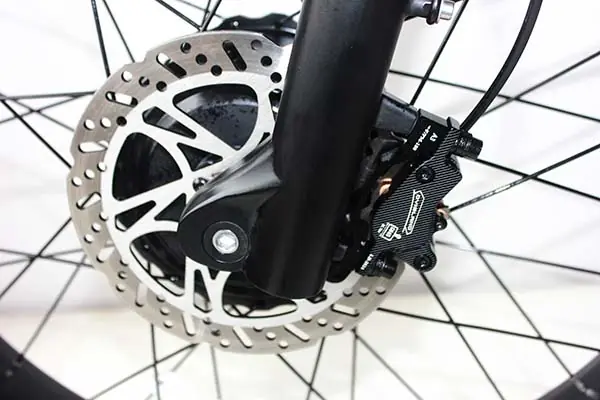
Small choices during manufacturing have big financial consequences. I once had a client who chose cheaper cable brakes to lower the initial purchase price. However, their fleet operated in a very wet climate. The cable brakes performed poorly and required constant adjustment and replacement. They ended up spending more on maintenance than if they had invested in hydraulic disc brakes from the start. Choosing the right components for your environment is key to long-term profitability.
Conclusion
Choosing the right e-bike, using IoT, and smart management are key to a profitable rental fleet. Focus on durability and user needs to ensure your business succeeds.
Find out how a high-capacity battery ensures long-lasting performance for delivery e-bikes, reducing downtime and increasing productivity. ↩
Explore how a low-step frame design enhances accessibility and convenience for riders, especially in urban environments. ↩
Discover how IoT solutions can optimize fleet operations, reduce theft, and improve maintenance efficiency. ↩
Explore the importance of compliance with EN15194 standards for safety and legal operation of e-bikes in Europe. ↩