Struggling to pick the right e-bikes for your customers? The wrong tire choice can lead to unsold inventory. We can help you decide between fat and standard tires.
Choose fat tire e-bikes1 for versatility and all-terrain performance, appealing to markets with varied road conditions. Opt for standard tires for urban commuters who prioritize lightweight efficiency and a traditional cycling feel. This choice directly impacts your target audience and sales potential.
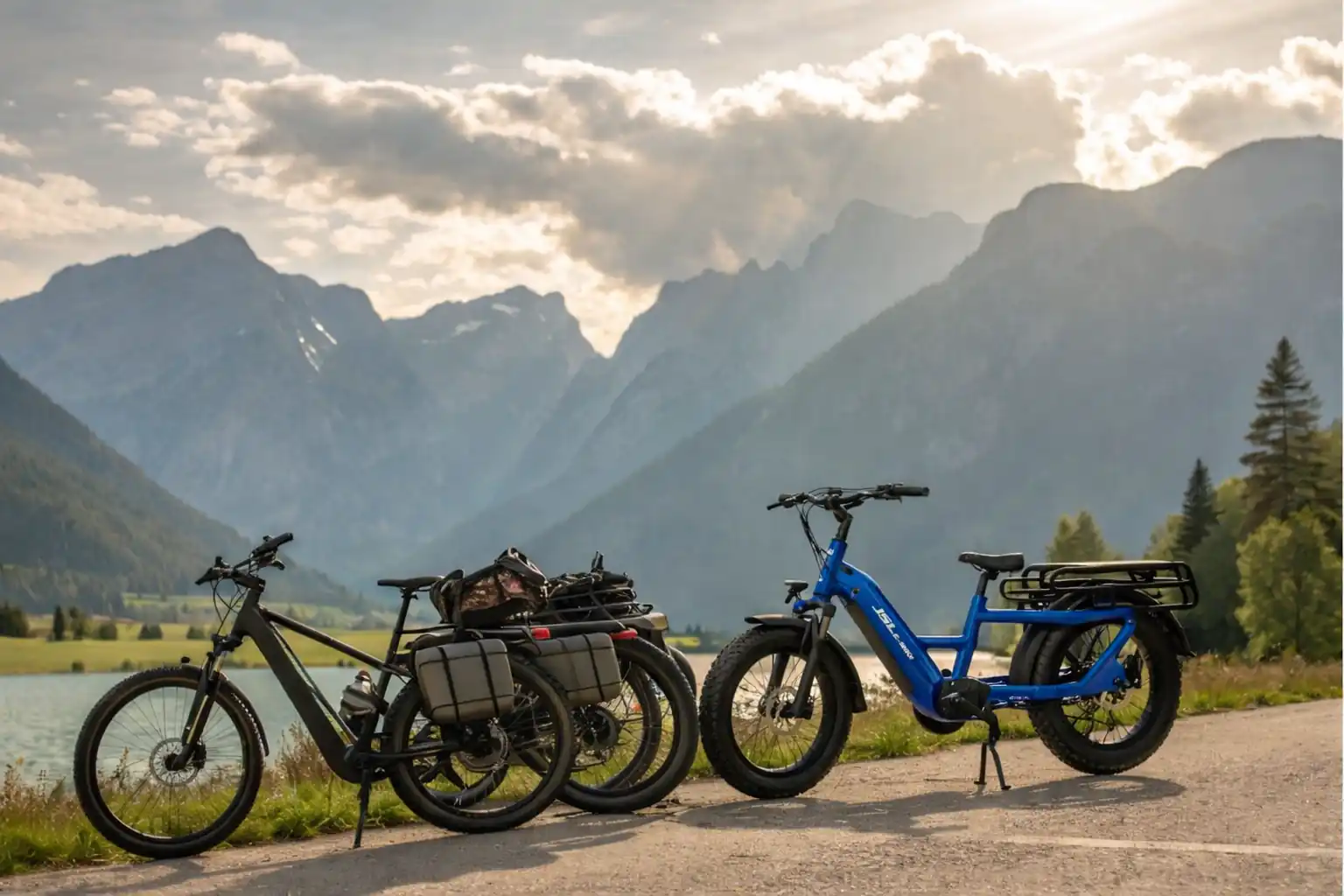 Choosing the right tire isn't just about looks. It affects performance, customer appeal, and even your profit margins. Let's break down the details to help you make the best decision for your business. We will look at each type more closely.
Why are Fat Tire E-Bikes a Better Choice for Diverse Markets?
Are your customers facing rough roads or seeking adventure? Standard tires can't handle sand, snow, or mud. Fat tires open up a world of possibilities for every rider.
Fat tire e-bikes (4.0 inches or wider) offer superior grip and stability on all terrains. Their large contact patch makes them perfect for off-road trails, beaches, and snowy paths, expanding your customer base to adventurers and those in areas with poor infrastructure.
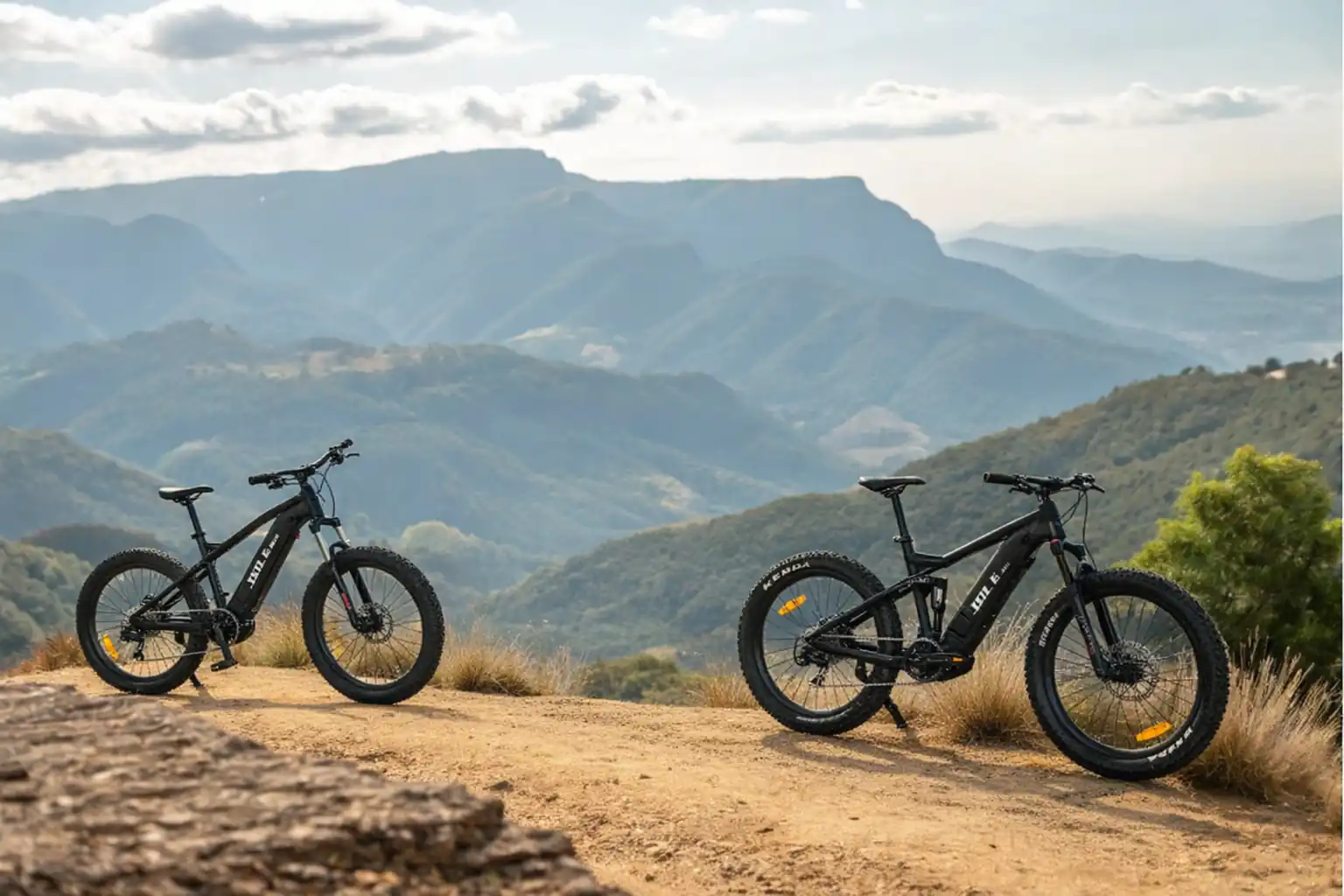 Fat tires are defined by their width, typically 4.0 inches or more. This large size creates a bigger contact area with the ground. The result is incredible grip and the ability to "float" over soft surfaces. This makes them perfect for a wide range of challenging terrains. We've seen huge success with these bikes in markets like the Middle East for riding on sand, and in South America and Africa where road quality can be unpredictable. They handle mud, snow, and rugged trails with ease. This versatility is a major selling point. A customer can own one bike for city commuting, weekend adventures, and even food delivery.
From our manufacturing perspective, the demand for fat tire e-bikes has exploded since 2016. The style is very popular, especially in the US and South America, where the tough, electric-motorcycle look is in high demand. It looks cool and commands attention on the road. The best part for our partners is the production efficiency. We can use a single, well-designed fat tire frame and pair it with different components. This allows us to create models that meet the specific regulations and market preferences of different countries without needing a completely new production line.
Fat tires are defined by their width, typically 4.0 inches or more. This large size creates a bigger contact area with the ground. The result is incredible grip and the ability to "float" over soft surfaces. This makes them perfect for a wide range of challenging terrains. We've seen huge success with these bikes in markets like the Middle East for riding on sand, and in South America and Africa where road quality can be unpredictable. They handle mud, snow, and rugged trails with ease. This versatility is a major selling point. A customer can own one bike for city commuting, weekend adventures, and even food delivery.
From our manufacturing perspective, the demand for fat tire e-bikes has exploded since 2016. The style is very popular, especially in the US and South America, where the tough, electric-motorcycle look is in high demand. It looks cool and commands attention on the road. The best part for our partners is the production efficiency. We can use a single, well-designed fat tire frame and pair it with different components. This allows us to create models that meet the specific regulations and market preferences of different countries without needing a completely new production line.
Fat Tire E-Bike: Key Advantages
| Feature | Benefit for Your Business | Target Customer |
|---|---|---|
| All-Terrain Capability2 | Opens up markets with poor roads or adventure tourism. | Off-road enthusiasts, rural residents. |
| Versatile Use3 | High value proposition; one bike for many uses. | Practical buyers, delivery services. |
| "Moto-Style" Aesthetic4 | Strong visual appeal, follows a growing trend. | Young to middle-aged males, style-conscious riders. |
| Flexible Manufacturing5 | We can customize configurations on one frame. | Brands needing market-specific models. |
When are Standard Tire E-Bikes the Right Fit for Your Customers?
Do your customers just need a simple, light bike for city streets? A heavy fat tire bike can feel like overkill. Standard tires offer the perfect solution for urban commuting.
Standard tire e-bikes (2.0-2.4 inches or 700c) are ideal for urban environments. They are lighter, more efficient on pavement, and provide a classic cycling experience. These bikes appeal to commuters and older riders who value practicality and ease of use.
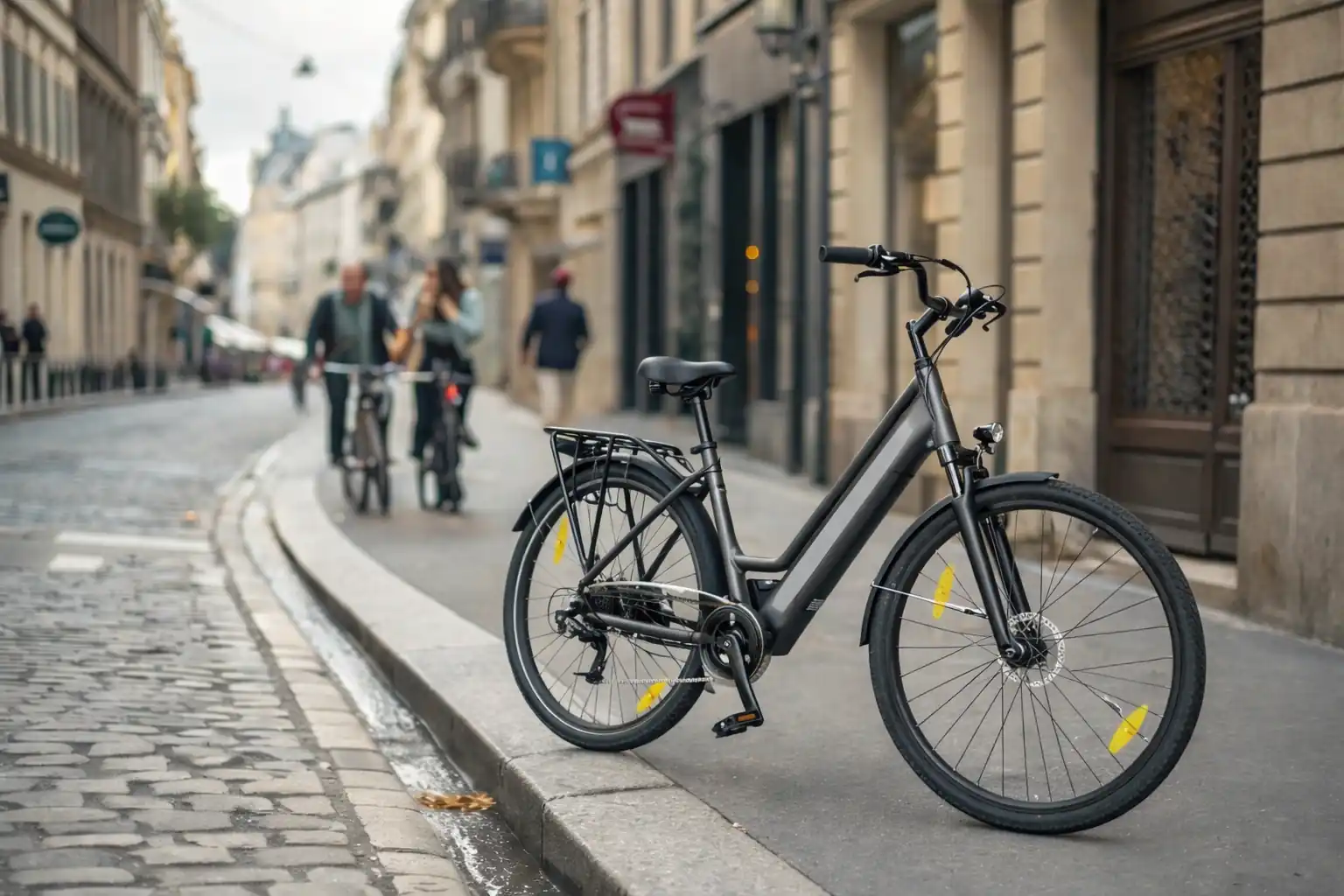 Standard tires, often found in widths from 2.0 to 2.4 inches or the 700c size common on road bikes, are all about efficiency on pavement. They have less rolling resistance, which means the rider and the motor don't have to work as hard to maintain speed. This translates to a zippier feel and potentially longer battery range during city rides. The bikes themselves are also lighter. We typically pair standard tires with smaller motors and batteries. The total weight is lower, making the bike easier to carry up stairs or load onto a bike rack.
This lighter package and efficient ride appeal to a specific type of customer. Many riders, especially in Europe, prefer the traditional cycling experience. They want an electric bike that feels like a regular bicycle, just with a helpful boost. These bikes are perfect for daily commuters, older riders who want a practical and manageable option, or anyone focused on fitness and long-distance paved-road cycling. The ride is smooth, quiet, and predictable. For a customer base that navigates primarily bike lanes and city streets, a standard tire e-bike is often the more logical and comfortable choice.
Standard tires, often found in widths from 2.0 to 2.4 inches or the 700c size common on road bikes, are all about efficiency on pavement. They have less rolling resistance, which means the rider and the motor don't have to work as hard to maintain speed. This translates to a zippier feel and potentially longer battery range during city rides. The bikes themselves are also lighter. We typically pair standard tires with smaller motors and batteries. The total weight is lower, making the bike easier to carry up stairs or load onto a bike rack.
This lighter package and efficient ride appeal to a specific type of customer. Many riders, especially in Europe, prefer the traditional cycling experience. They want an electric bike that feels like a regular bicycle, just with a helpful boost. These bikes are perfect for daily commuters, older riders who want a practical and manageable option, or anyone focused on fitness and long-distance paved-road cycling. The ride is smooth, quiet, and predictable. For a customer base that navigates primarily bike lanes and city streets, a standard tire e-bike is often the more logical and comfortable choice.
Standard Tire E-Bike: User Profile
| User Type | Primary Need | Why Standard Tires are a Good Fit |
|---|---|---|
| Daily Commuter | Efficiency and speed6 on paved roads. | Less rolling resistance, faster on asphalt. |
| Older Riders | Lightweight and easy to handle7. | Easier to lift, pedal, and maneuver. |
| Traditional Cyclists8 | A familiar, classic bicycle feel. | Mimics the experience of a non-electric bike. |
| Long-Distance Riders | Maximizing battery range9 for city tours. | Motor and battery work more efficiently. |
How Does Tire Choice Impact Your Business's Profitability?
Worried about low profit margins in a crowded market? Stocking the wrong bikes can hurt your bottom line. Let's look at how tire choice affects your profitability.
Fat tire e-bikes generally offer higher profit margins10. Their unique look and all-terrain capability create strong demand with less direct competition. The standard city e-bike market is more saturated, leading to intense price competition and squeezed profits for distributors.
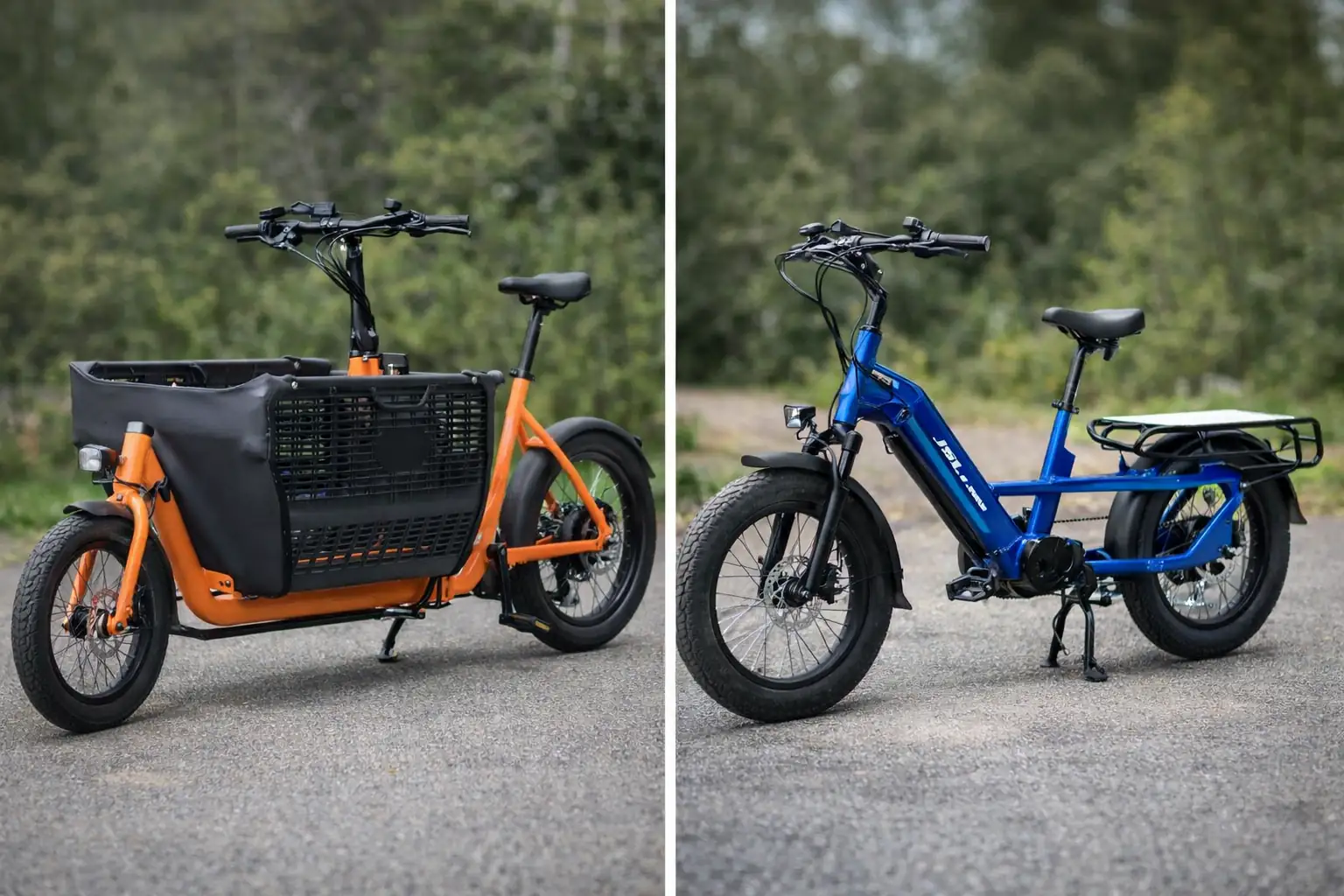 From a business standpoint, the difference between these two tire types is significant. The market for standard city e-bikes is incredibly crowded. Many manufacturers produce similar-looking models, which leads to intense price wars. As a distributor or brand, it becomes a race to the bottom, and your profit margins get squeezed very thin. It is hard to stand out when everyone is offering a basic city commuter.
In contrast, the fat tire e-bike segment offers a much healthier business opportunity. Because these bikes look so different and offer unique capabilities, they have a higher perceived value. Customers are willing to pay more for the rugged aesthetic and the freedom to ride anywhere. This allows you to command a higher retail price and secure a better profit margin. The competition is also less about price and more about features and style. As a manufacturer, we see this trend clearly. Most of our new OEM/ODM clients are requesting fat tire models. They see the market potential. By stocking fat tire e-bikes, you are not just selling a mode of transport; you are selling a lifestyle of adventure and coolness, which is a much easier and more profitable sale to make.
From a business standpoint, the difference between these two tire types is significant. The market for standard city e-bikes is incredibly crowded. Many manufacturers produce similar-looking models, which leads to intense price wars. As a distributor or brand, it becomes a race to the bottom, and your profit margins get squeezed very thin. It is hard to stand out when everyone is offering a basic city commuter.
In contrast, the fat tire e-bike segment offers a much healthier business opportunity. Because these bikes look so different and offer unique capabilities, they have a higher perceived value. Customers are willing to pay more for the rugged aesthetic and the freedom to ride anywhere. This allows you to command a higher retail price and secure a better profit margin. The competition is also less about price and more about features and style. As a manufacturer, we see this trend clearly. Most of our new OEM/ODM clients are requesting fat tire models. They see the market potential. By stocking fat tire e-bikes, you are not just selling a mode of transport; you are selling a lifestyle of adventure and coolness, which is a much easier and more profitable sale to make.
Business Impact: Fat Tire vs. Standard Tire
| Business Factor | Fat Tire E-Bikes | Standard Tire E-Bikes |
|---|---|---|
| Market Competition11 | Lower. Focused on features and style. | Very High. Focused on price. |
| Profit Margin | Higher. Stronger perceived value. | Lower. Margins are squeezed. |
| Target Audience12 | Broader (adventurers, style-seekers, commuters). | Narrower (primarily urban commuters). |
| Growth Trend13 | Strong and growing since 2016. | Stable but saturated. |
Conclusion
Choosing between fat and standard tires depends on your target market and business goals. Fat tires offer versatility and higher margins, while standard tires serve the practical urban commuter.
Fat tire e-bikes offer versatility and all-terrain performance, appealing to adventurous riders and those in areas with poor infrastructure. ↩
Fat tire e-bikes can handle rough roads, sand, snow, and mud, making them ideal for adventure tourism and markets with poor road conditions. ↩
Fat tire e-bikes offer a high value proposition, serving multiple purposes like city commuting, weekend adventures, and food delivery. ↩
The "Moto-Style" aesthetic is trendy and commands attention, appealing to style-conscious riders and enhancing visual appeal. ↩
Flexible manufacturing allows customization on one frame, meeting market-specific needs without a new production line, enhancing efficiency. ↩
Standard tire e-bikes have less rolling resistance, making them faster on asphalt and ideal for daily commuters seeking efficiency. ↩
Standard tire e-bikes are lighter, making them easier to lift, pedal, and maneuver, appealing to older riders and city commuters. ↩
Standard tire e-bikes mimic the experience of a non-electric bike, offering a familiar and classic cycling feel for traditional cyclists. ↩
Standard tire e-bikes work efficiently with the motor and battery, providing longer battery range for city tours and long-distance rides. ↩
Fat tire e-bikes have a unique look and all-terrain capability, creating strong demand with less direct competition, leading to higher margins. ↩
Fat tire e-bikes face lower competition focused on features and style, while standard tire e-bikes face intense price competition. ↩
Fat tire e-bikes target adventurers and style-seekers, while standard tire e-bikes primarily target urban commuters. ↩
Fat tire e-bikes have shown strong and growing demand since 2016, appealing to a broader audience and offering profitable opportunities. ↩