Are you looking at the UK e-bike market's slow growth and thinking the opportunity has passed? The real money isn't in volume, but in high-value niches1 you might be overlooking.
The UK e-bike market is a mature, replacement-driven market. Success comes not from chasing volume, but from focusing on regulatory compliance2, high-safety standards, and booming segments like cargo e-bikes and premium commuter models. It’s about upgrading, not just initial sales.
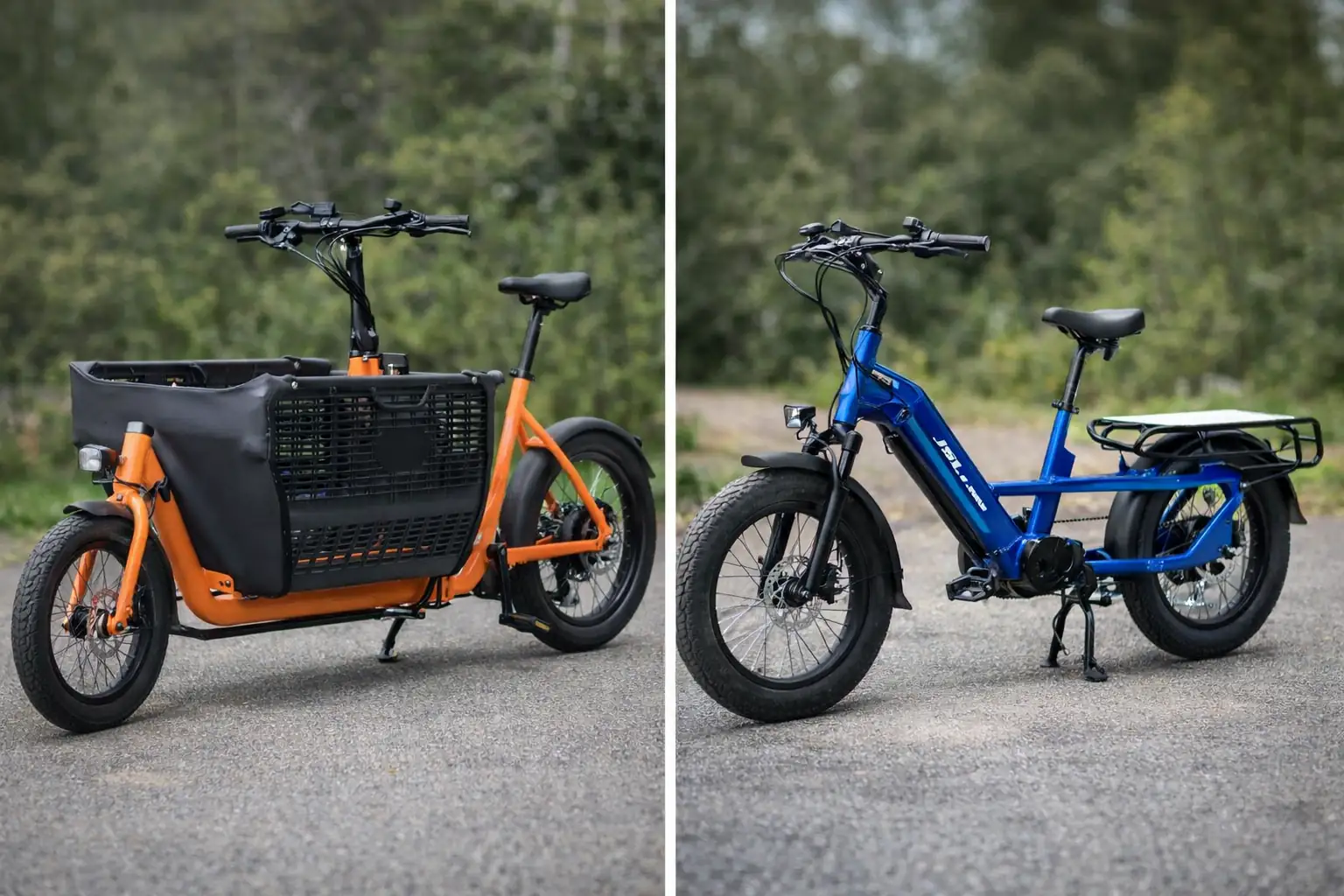
I've seen many brands misread the UK market. They see a modest 3.68% compound annual growth rate (CAGR) and get discouraged. But from our position as a manufacturer, we see a different story. This isn't a market you need to "educate." It's a market you need to serve with smarter, better, and more specialized products. The customers are already there; they are just looking for an upgrade or a specific solution. Let’s dive into what that means for your product strategy.
Why Is Regulation More Important Than Customer Demand in the UK?
Worried your high-power e-bikes won't sell in the UK? You're right to be concerned. The market is so strictly controlled that offering non-compliant products is a non-starter.
In the UK, the law dictates product design. The 250W power limit and dominance of Pedal-Assist Systems (PAS)3 mean compliance is the first and most critical step. Your product strategy must start with what's legally allowed, not what's technically possible.
From our factory floor, the difference between the UK and other markets like South America is night and day. In some regions, the market is a race for more power. In the UK, the market is defined by its legal boundaries. The absolute core of this is the 250W motor limit. On top of that, about 80% of the market uses Pedal-Assist Systems (PAS), not throttle-based systems. This tells us a simple truth: the market isn't driven by what a customer wants in terms of raw power, but by what the regulations allow.
This completely changes how we approach product development for our B2B partners. The priority list for a UK-bound e-bike is:
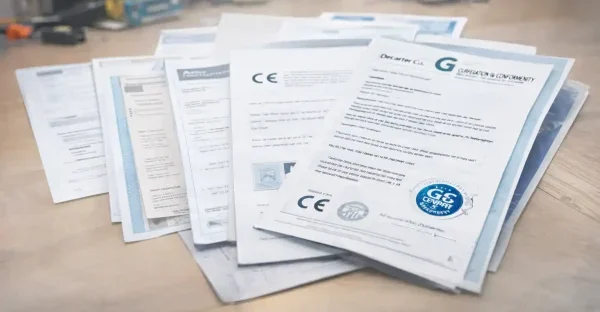
- Compliance: It must have CE and UKCA certifications4, especially for battery safety.
- Performance: It must perform well within the 250W limit.
- Price: The price must reflect the quality and compliance.
This means we can't just push high-wattage motors. Instead, our engineering focus shifts to optimizing 250W systems. We work on tuning them for better efficiency and higher torque, and we strongly recommend using torque sensors. A torque sensor provides a much smoother and more intuitive riding experience, which is a huge selling point in a market where everyone has the same power limit. It’s a race for refinement, not power.
Is the Cargo E-bike Boom in the UK a Real B2B Goldmine?
Looking for a guaranteed growth segment? The cargo e-bike market is exploding. But just be aware, simply offering a basic delivery bike won't be enough to succeed here.
Yes, it is. The UK cargo e-bike market is a high-growth, policy-driven B2B opportunity. Congestion charges and emissions goals are forcing businesses to switch, creating demand for high-spec, reliable commercial vehicles, not just cheap delivery bikes.
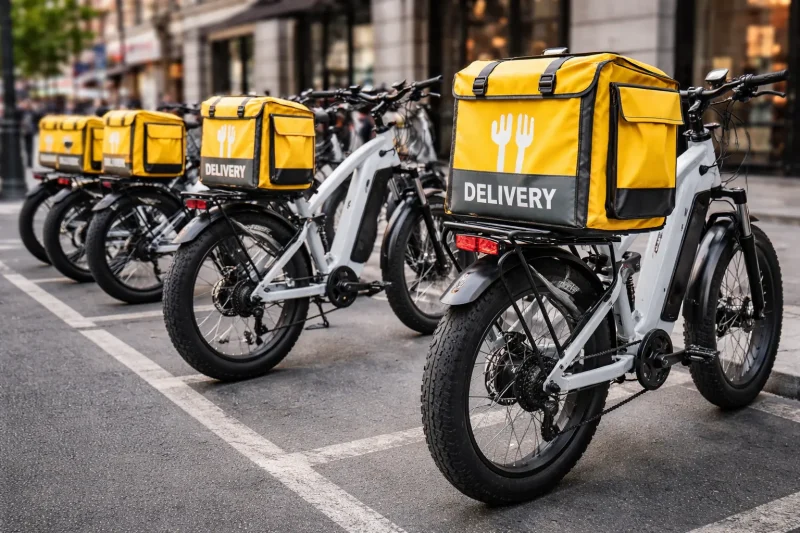
The cargo segment is the fastest-growing part of the entire UK market, with fleet growth hitting over 6.5%. This isn't just a trend; it's a structural shift. In cities like London, there are official goals to replace up to 17% of commercial van journeys with cargo bikes. Why? It's all about policy. Businesses are getting hit with congestion charges and low-emission zone fees, and cities are restricting van access. An e-bike is not just a cheaper alternative; it's becoming the only viable one for last-mile delivery.
This makes the UK cargo market a policy-forced B2B opportunity. But the product requirements are much higher than in other regions. We're not building simple delivery bikes. We're building high-spec commercial equipment. For our clients, we integrate key features that businesses demand:
- Remote Management: Telematics, including GPS for tracking and remote diagnostics.
- High Reliability: Components that can withstand all-day, everyday use.
- Enhanced Security: Robust anti-theft systems.
- Safety Standards: Full compliance with all commercial safety regulations.
A UK cargo e-bike is a sophisticated tool, and businesses are willing to pay for reliability and features that guarantee uptime and security.
How Has Safety Become the Biggest Entry Barrier to the UK E-bike Market?
Think you can compete on price alone in the UK? A recent surge in battery fires is changing the game completely. Now, a lack of safety certification can get you kicked out of the market.
Following hundreds of battery fires in 2024, safety is now a non-negotiable entry requirement. The market is shifting from price competition to safety competition. Proper battery and system certifications are your ticket to play and a source of premium value.
This is a critical point that I cannot stress enough to my partners. In 2024 alone, there have been over 200 reported e-bike battery fires in the UK. This has had a massive impact. Regulators are getting tougher, and online platforms and insurers are cracking down. The days of importing uncertified, low-cost batteries are over. The competition is no longer just about who is cheapest; it’s about who is safest.
For any brand or wholesaler looking to enter or stay in the UK market, this is what you must do:
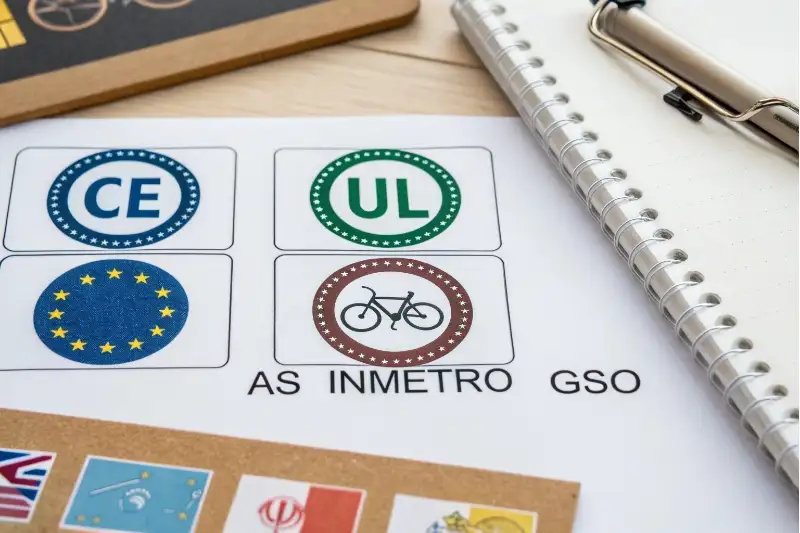
- Get Certified: Your batteries and electrical systems must have the proper certifications, like UL or EN standards. This is not optional.
- Focus on the BMS: The Battery Management System (BMS) is the brain of your battery pack. A high-quality BMS that protects against overcharging, overheating, and short circuits is a powerful selling point.
- Market Your Safety: Don't treat safety as just a cost. Treat it as a primary feature. Use your certifications in your marketing. Talk about your high-quality BMS. Build trust with your customers.
From our manufacturing perspective, we see this as both a challenge and an opportunity. It raises the bar for everyone, which is good. For brands that invest in safety, it becomes a powerful way to stand out and justify a higher price point. Safety is your new license to operate in the UK.
Why Should You Avoid a Low-Price Strategy in the UK Market?
Are you tempted to launch a budget e-bike to capture market share? I would strongly advise against it. This strategy is very likely to fail because UK customers are actively looking for better bikes.
The UK market is moving upscale. The mainstream price is €1,500–€2,499, but the fastest-growing segment is the premium €2,500–€3,499 tier. This is a market where you can, and should, compete on quality and features, not on price.
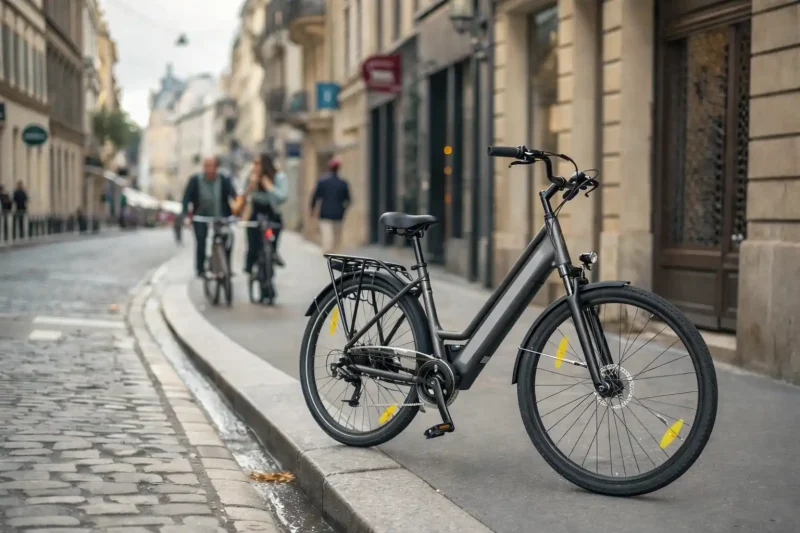
When we analyze sales data, the trend is crystal clear. While there's a market for bikes under €1,500, the real energy and growth are in the mid-to-high end. There are a few reasons for this. First, government initiatives like the "Cycle to Work" scheme allow employees to buy bikes in affordable installments, making a €2,500 bike much more accessible. Second, the market is maturing. Many buyers are on their second or even third e-bike. They've had the entry-level model, and now they want an upgrade with better performance, longer range, and more features.
For our OEM/ODM clients, this is fantastic news. It means the UK is a market where you can build a brand and achieve high gross margins. A "race to the bottom" on price is the wrong approach. Instead, we work with our partners to develop product lines that hit these sweet spots:
- Branded Models: Bikes with unique designs and a strong identity.
- High-Spec Configurations: Models with mid-drive motors, better suspension, and integrated smart features.
- Differentiated Designs: Focus on things like lightweight frames or clean, minimalist aesthetics.
The UK customer is savvy and willing to pay for quality. Your product strategy should reflect that.
What Key Tech Trends Should Shape Your E-bike Product Line for the UK?
Unsure which components to specify for your UK e-bike line? Choosing the wrong motor or drivetrain can leave you with a product that feels outdated before it even launches.
While hub motors and chain drives still dominate the market by volume, the clear growth trends are in mid-drive motors and belt drives. These are crucial for the premium commuter and cargo models that represent the future of the market.
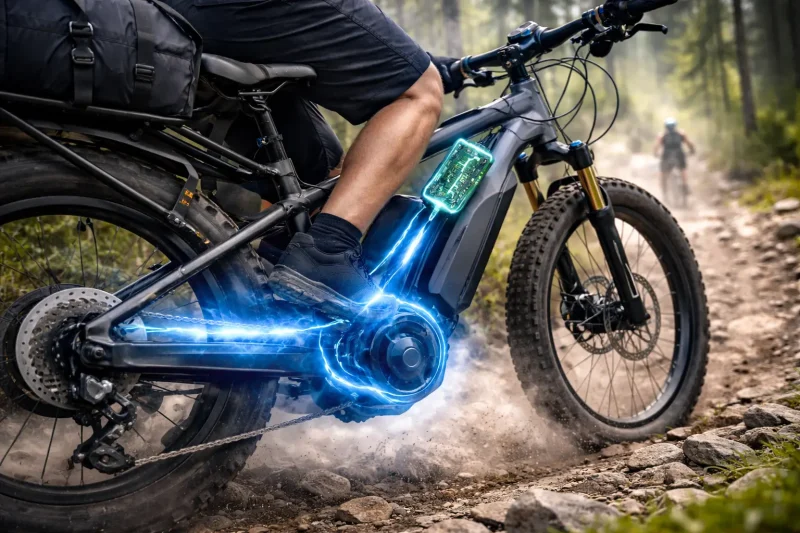
As a factory, we have a direct view of which components are being ordered and for what types of bikes. For the UK, the data tells a story of steady upgrading. While the mainstream choices are still very popular, the growth rates of premium components show where the market is headed. It's essential to build a product line that not only serves today's market but also captures tomorrow's customer.
Here is a simple breakdown of the key technology trends we are building into our partners' bikes for the UK:
| Component | Mainstream Choice | The Growing Trend | Our B2B Insight for You |
|---|---|---|---|
| Motor | Hub Motor (72% of market) | Mid-Drive Motor (4.72% CAGR) | Mid-drives offer better balance and torque, making them essential for high-end commuter and cargo e-bikes. |
| Power | <250W (Legally required) | Dual-Mode Systems | We can develop control systems that offer a compliant 250W mode for public roads and a de-restricted mode for private land. |
| Drivetrain | Chain Drive | Belt Drive (5.42% CAGR) | Belt drives are clean, quiet, and low-maintenance. This is a huge selling point for fleet operators and premium urban riders. |
| Battery | Lithium-Ion (99% of market) | Focus on Safety & BMS | The differentiator isn't just range. It's certified safety, reliability, and a smart Battery Management System (BMS). |
Building your product line means having a "good, better, best" strategy. Your "good" model might use a hub motor and chain. But your "better" and "best" models absolutely need options for mid-drive motors and belt drives to compete effectively.
Conclusion
The UK e-bike market is mature and regulation-driven. Growth comes from fleet electrification5, policy changes, and product upgrades, with competition shifting from price to safety, compliance, and overall performance.
Exploring high-value niches can reveal lucrative opportunities that go beyond mere volume sales, offering higher profit margins. ↩
Understanding regulatory compliance is essential for entering the UK market legally and avoiding costly penalties. ↩
PAS is a dominant feature in the UK market, influencing product design and consumer preferences. ↩
These certifications ensure compliance with safety standards, crucial for legal sales and consumer trust. ↩
Fleet electrification is driving demand for e-bikes, especially in urban areas with congestion and emission challenges. ↩