Struggling to understand the slow growth in Brazil's e-bike market? You see the potential, but the numbers seem low. I'll show you where the real opportunity is hidden.
Brazil's e-bike market isn't about massive volume. It's a structural opportunity driven by local assembly policies1, the rise of cargo e-bikes for delivery, and specific product upgrades. Success depends on understanding these niches, not just the overall growth numbers.
When my team first looked at the Brazil e-bike market reports, we saw a slow compound annual growth rate (CAGR) of around 3%2. Honestly, it wasn't exciting. Many factories would look at that number and move on to a faster-growing region. But we've learned over 20 years in this business that the headline number rarely tells the whole story. The real money isn't in the overall growth; it's in the structural shifts happening underneath. Brazil isn't a market you win with volume and low prices. It's a market you win with a smart, targeted strategy. Let's break down what's really happening.
Is Local Assembly the Key to Unlocking the Brazilian E-Bike Market?
High import tariffs are killing your margins in Brazil. You want to compete, but shipping complete bikes is just too expensive. There's a much better way to enter the market.
Yes, local assembly is absolutely crucial. Brazil's ~35% import tariff on complete e-bikes makes supplying CKD (Completely Knocked Down) or SKD (Semi-Knocked Down) kits3 the only viable strategy. Partnering with a local assembler is a must.
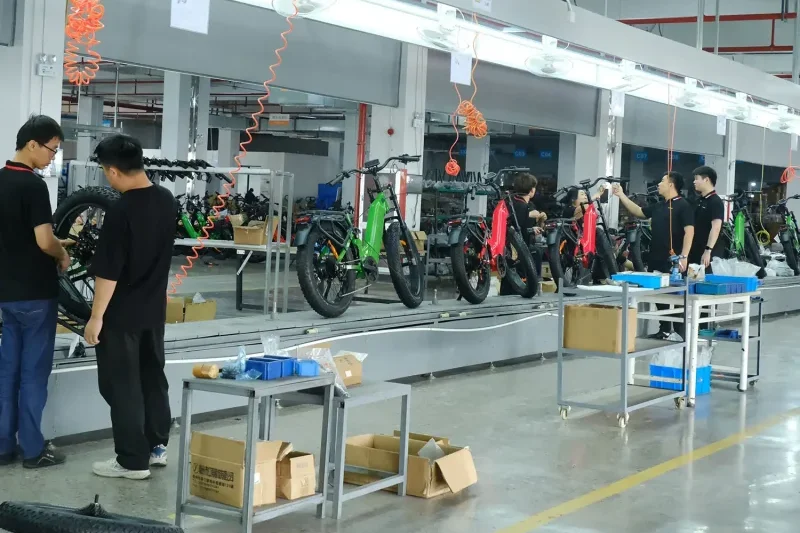
This is one of the most important insights for anyone looking at Brazil. The government's policies are actively shaping the supply chain. They have created a situation where it is far more profitable to import parts and assemble the e-bikes inside the country. For us as a manufacturer, this changed our entire approach. We stopped thinking about selling bikes to Brazil and started thinking about how to build bikes in Brazil. This means our role shifts from being just a product supplier to becoming a supply chain partner. We provide the complete kits, the technical know-how, and the quality control processes to a local partner who handles the final assembly. This strategy bypasses the high tariffs and creates a much more competitive final product.
The Financial Impact of Local Assembly
| Strategy | Import Tariff | Logistics Cost | Final Landed Cost | Market Competitiveness |
|---|---|---|---|---|
| Importing Complete Bike | ~35% | High | Very High | Low |
| CKD/SKD Assembly | Lower (on parts) | Moderate | Competitive | High |
This policy-driven market is a huge opportunity. It filters out competitors who aren't willing to adapt their supply chain. For businesses like ours, ready to provide CKD/SKD solutions, it's a clear path to market entry and success.
Why Are Cargo E-Bikes Becoming the Real Growth Engine in Brazil?
You see city bikes dominate sales figures, but their growth is slow. You're wondering where the real momentum is. The answer is in the booming delivery sector.
Cargo e-bikes are the fastest-growing segment because they are not just consumer products; they are essential tools for business. Delivery platforms like iFood and Rappi are driving this demand, turning e-bikes into income-generating assets for riders and fleet operators.
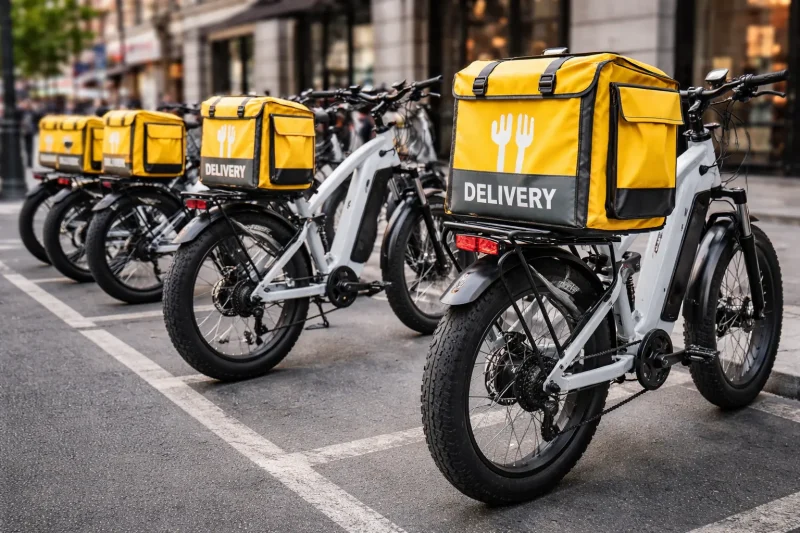
This is a fundamental shift in how we must view the product. In many markets, an e-bike is a lifestyle choice for commuting or recreation. In Brazil, for a huge and growing segment, it's a production tool. It’s the equivalent of a tradesperson's van. This changes everything. The decision-maker is no longer an individual consumer comparing features for fun. The decision-maker is now a fleet manager, a rental company, or a delivery platform operator. Their buying criteria are completely different. They're not looking for the lightest frame or the sleekest design. They are making a business investment and need a return on that investment. This insight forced us to develop a completely different type of product for the Brazilian market, one focused on pure utility and durability.
Key Product Requirements for Commercial Cargo E-Bikes
- High Load Capacity: The bike must safely carry over 50kg of goods, day in and day out.
- Durability Over Weight: A robust, heavy-duty frame is more important than a lightweight one. Reliability is key.
- Low Maintenance: Components like belt drives become very attractive because they reduce downtime for fleet operators.
- Serviceability: When repairs are needed, they must be fast and simple. Parts must be easily accessible.
- Low Step-Through Frame: This allows riders of all sizes to get on and off the bike easily and safely, even when it's fully loaded.
Thinking of the e-bike as a light logistics tool is the key to understanding the biggest growth opportunity in Brazil today.
Are Brazilian Customers Really Willing to Pay More for E-Bikes?
You think Brazil is a low-price market, so you focus on basic models. But you're missing out on higher-margin sales. The market is more complex and sophisticated than it seems.
Yes, while the mid-range ($1,000–$1,499) is the largest segment, the high-end ($2,500–$3,499) is growing fastest. Customers, especially in the commercial sector, are willing to pay for better performance, longer range, and smart features.
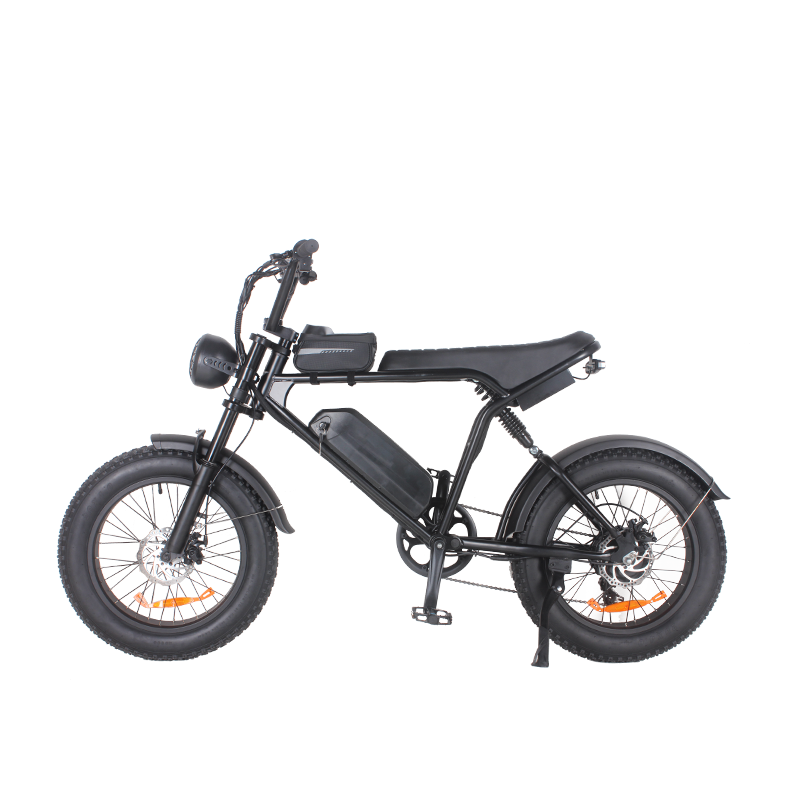
This was another surprising discovery for us. We initially planned a strategy focused on cost-competitiveness. However, the data shows a clear trend towards premiumization. The reason is simple: as e-bikes become essential work tools, buyers are making value-based decisions, not just price-based ones. A more expensive bike with a larger battery that allows a rider to work two extra hours a day provides a clear return on investment. Similarly, features like hydraulic disc brakes offer better safety in hilly cities, and GPS tracking is essential for fleet management. The falling cost of core components, especially lithium-ion batteries, is also making these premium features more accessible. This means the best strategy isn't to just sell cheap bikes. It's to offer a tiered product line.
A Two-Tiered Product Strategy for Brazil
| Tier | Target Customer | Key Features | Price Point |
|---|---|---|---|
| Mid-Range (Volume) | Individual Commuters, Distributors | Reliable hub motor, 250W power, standard range battery, mechanical brakes | $1,000–$1,499 |
| High-End (Profit) | Fleet Operators, Brands | Powerful mid-drive motor, 500W+ power, long-range battery, hydraulic brakes, GPS | $2,500–$3,499 |
Brazil is not a market for a one-size-fits-all approach. It's a hybrid market that is both price-sensitive and willing to pay for performance.
What E-Bike Tech Specs Are Winning in the Brazilian Market?
Choosing the right components for a new market is a gamble. You don't want to invest in specs that won't sell. Here's a clear breakdown of what the data shows for Brazil.
For Brazil, a dual-spec strategy works best. Hub motors (<250W) dominate the city bike segment, but mid-drive motors (500W+) are the future for the growing cargo market. Lithium-ion batteries and low-maintenance belt drives are also key winning trends.
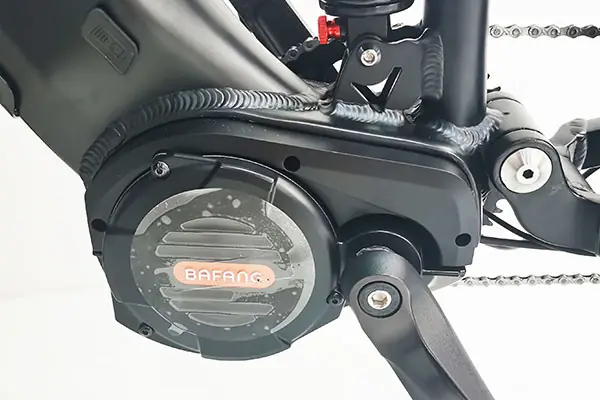
When we configure e-bikes for a new market, we need to be very specific. The technical choices directly impact performance, cost, and market fit. In Brazil, we're seeing a clear split in what works for different segments. It's not about one motor or power level being "best," but about matching the right tech to the right application. For general city commuting, the classic, affordable setup is still king. But for the demanding commercial and cargo applications that are driving growth, the specifications are leveling up significantly. As an OEM/ODM partner, our job is to help our clients build a product portfolio that addresses both of these distinct needs.
Technical Trends Breakdown
Motor Type
| Type | Market Share | Trend | Best Use Case |
|---|---|---|---|
| Hub Motor | 67% (Mainstream) | Stable | City Commuting |
| Mid-Drive Motor | Fastest Growing (3.16%) | Strong Growth | Cargo, Hills, Commercial |
Motor Power
| Power | Market Share | Trend | Best Use Case |
|---|---|---|---|
| <250W | 57% (Mainstream) | Stable | Flat City Commuting |
| 501-600W | Fastest Growing | Strong Growth | Heavy Loads, Delivery |
Drivetrain
| Type | Market Share | Trend | Best Use Case |
|---|---|---|---|
| Chain Drive | 72% (Mainstream) | Stable | Standard Use |
| Belt Drive | Fastest Growing | Strong Growth | Fleets (Low Maintenance) |
How Are Customers Actually Buying E-Bikes in Brazil?
You're deciding between an online or offline sales strategy. You might assume online is the future, but the reality for a high-ticket item like an e-bike in Brazil is a bit different.
Most sales, over 60%, still happen offline because customers want to test-ride the e-bike. However, the customer journey now starts online for research. The winning strategy is a hybrid "online-to-offline" model, not one or the other.
For a product that costs over $1,000, people want to see it, touch it, and ride it before they buy. This is why physical retail stores are still the dominant sales channel in Brazil. I remember a client who wanted to go with an online-only strategy, and we advised them to reconsider. The sales just weren't there. Customers would browse their website, get all the information, and then go to a local store to buy a competitor's bike they could actually try. The lesson is clear: you need a physical presence. However, this doesn't mean you should ignore the online world. The modern customer journey is a hybrid. They use the internet to discover brands, compare specs, and read reviews. Then they go to a store for the final step. The best B2B strategy is to find partners and distributors who have a strong retail network and support them with excellent online marketing assets.
Conclusion
Brazil's e-bike market is a 'light logistics tool market' driven by localization, fleet demand, and product upgrades. Future success lies in supply chain strategy and B2B channel control.
Exploring local assembly policies reveals how businesses can navigate import tariffs and optimize their supply chain strategies. ↩
Understanding the growth rate helps investors gauge the market's potential and make informed decisions about entering or expanding in Brazil. ↩
Learning about CKD and SKD kits can help manufacturers reduce costs and improve competitiveness in Brazil's market. ↩