Confused by the booming e-bike market's complex data? You see the growth but not the specific drivers. We've simplified the key numbers and trends to give you clear insights.
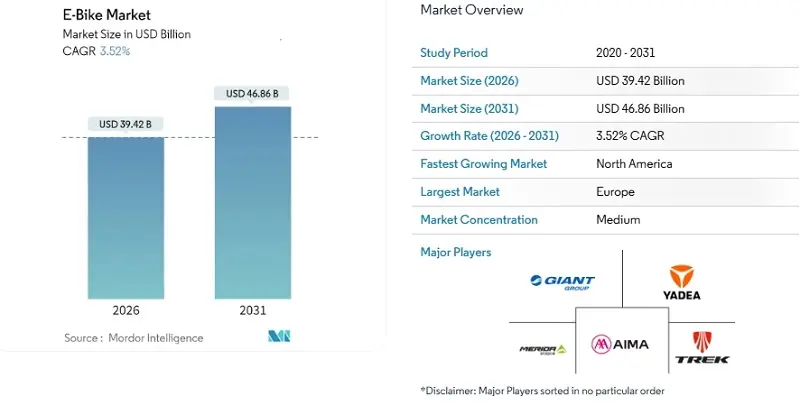
The global e-bike market is set to reach $46.86 billion by 2031, growing at a 3.52% CAGR. Key drivers include urban congestion solutions1, falling battery costs2, government purchase subsidies3, and corporate leasing programs4. Europe remains the largest market5, while North America shows the fastest growth6.
 As an e-bike manufacturer with over 20 years of experience, I've seen these trends firsthand. It's more than just numbers; it's about how people live, work, and move. But what specific factors are really pushing this market forward? Let's dive into the details to understand what's happening behind the scenes.
What Are the Key Trends and Drivers Pushing the Market Forward?
Wondering what's really fueling the e-bike boom? It's not just one thing. We'll show you the main forces, from city traffic to government cash, making e-bikes so popular.
Key drivers include worsening urban congestion7, making e-bikes a smart choice for short trips. Also, lithium-ion battery costs are dropping8 while performance improves. Government subsidies9 and corporate benefit programs10 are further lowering the entry barrier for new riders, accelerating adoption across the globe.
 The growth we're seeing isn't an accident. It's a response to real-world problems. For years, I've talked with city planners and fleet managers who are desperate for solutions. E-bikes have become a key part of that solution. We see it in our order books, with demand for city and cargo e-bikes increasing every quarter. Let's look at the main drivers more closely.
Urban Congestion Drives Micro-Mobility
Cities are getting more crowded. Parking can cost a fortune, and traffic is a nightmare. E-bikes are a perfect fix for short trips between 5 and 15 kilometers, which make up a huge part of city travel. In places like London, policies like the Ultra Low Emission Zone (ULEZ)11 push people towards cleaner options. Big companies like Amazon and Google even subsidize e-bike subscriptions for their employees to ease parking issues. This directly translates to more orders for our urban and cargo e-bike models.
Better and Cheaper Batteries
Battery technology is the heart of the e-bike revolution. Since 2010, the price of lithium-ion battery packs12 has dropped dramatically. I remember when a bike with a 100 km range was a high-end luxury. Now, we can build them into bikes that sell for under $2,000. Fast charging that gets a battery to 80% in 30 minutes is a game-changer for commercial delivery fleets. We are also watching new tech like sodium-ion batteries13, which could cut costs even more and reduce our reliance on specific raw materials.
Government and Corporate Support
Governments see e-bikes as a low-cost way to fight traffic. France offers up to €4,000 to help people buy an e-bike. The U.S. has state-level programs offering up to $1,750. These programs make e-bikes affordable for more people. At the same time, corporate benefit programs10 like Lease-a-Bike14 in Europe make it easy for employees to get an e-bike through their salary, often with insurance included. This model is so successful that other countries are looking to copy it.
What Challenges Could Slow Down the E-Bike Market?
Worried about the risks in the e-bike industry? Battery fires and high costs are real concerns. We'll explain these challenges and how the industry is responding to them.
The biggest challenges are safety concerns from battery fires, leading to stricter regulations like UL 284915. The high initial cost16 compared to traditional bikes also limits adoption, especially in developing markets. Limited charging infrastructure17 and supply chain issues for key minerals18 also pose significant risks.
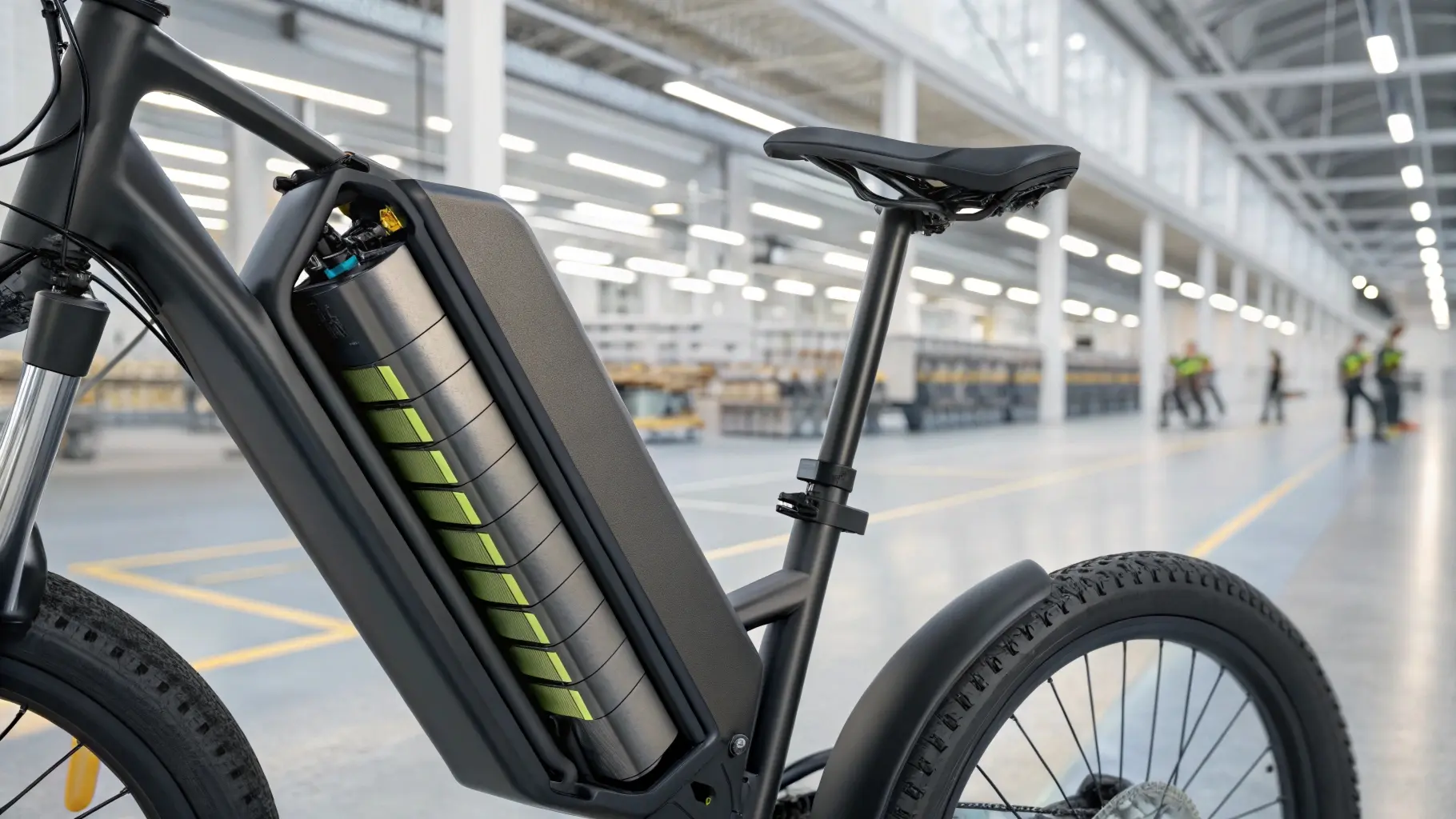 No industry grows without facing some hurdles. As a manufacturer, we take these challenges very seriously. We've had to adapt our production and sourcing strategies to deal with them. For us, quality and safety are not negotiable. It adds cost, but it's essential for building a sustainable business and protecting our clients' brands.
Battery Safety and Regulations
News about e-bike battery fires is a major concern. In 2023, New York City saw many fires linked to low-quality batteries. This has led to new, stricter safety standards like UL 2849 in the United States. Getting a battery pack certified under these rules can add $200 to $500 to the cost of a bike. We invested early in getting our battery solutions certified because we knew this was coming. It's a necessary step to ensure rider safety and build consumer trust. We build advanced thermal management systems into our battery packs to meet and exceed these standards.
High Upfront Costs
An e-bike still costs about three times more than a regular bike. This is a big barrier for many people, especially in developing markets. The most popular price range is still the entry-level $1,000-$1,499 segment. However, things are changing. The cost of batteries continues to fall. Also, leasing programs and financing options are making the upfront cost easier to manage. We work with our clients to design bikes that hit specific price points without sacrificing quality, using our in-house frame factory to control costs.
Infrastructure and Supply Chain
You can't ride an e-bike if you have nowhere to charge it. In many parts of the world, charging infrastructure is still limited. This is a long-term problem that needs government investment. Another issue is the supply chain for critical minerals used in batteries and motors. Many of these materials come from a few specific regions, which creates risk. We manage this by sourcing from multiple suppliers and keeping a close eye on new battery chemistries that use different materials.
How Do Different E-Bike Market Segments Compare?
Confused by terms like "pedal-assist" versus "speed pedelec"? The e-bike market has many segments. We'll break down the most important ones, from motor types to price points.
Pedal-assist models dominate19 with a 78.90% market share due to favorable regulations. Hub motors are more common (64.60% share) for their simplicity, but mid-drive motors are growing faster. Bikes priced between $1,000-$1,499 hold the largest share, but the premium segment is growing fastest.
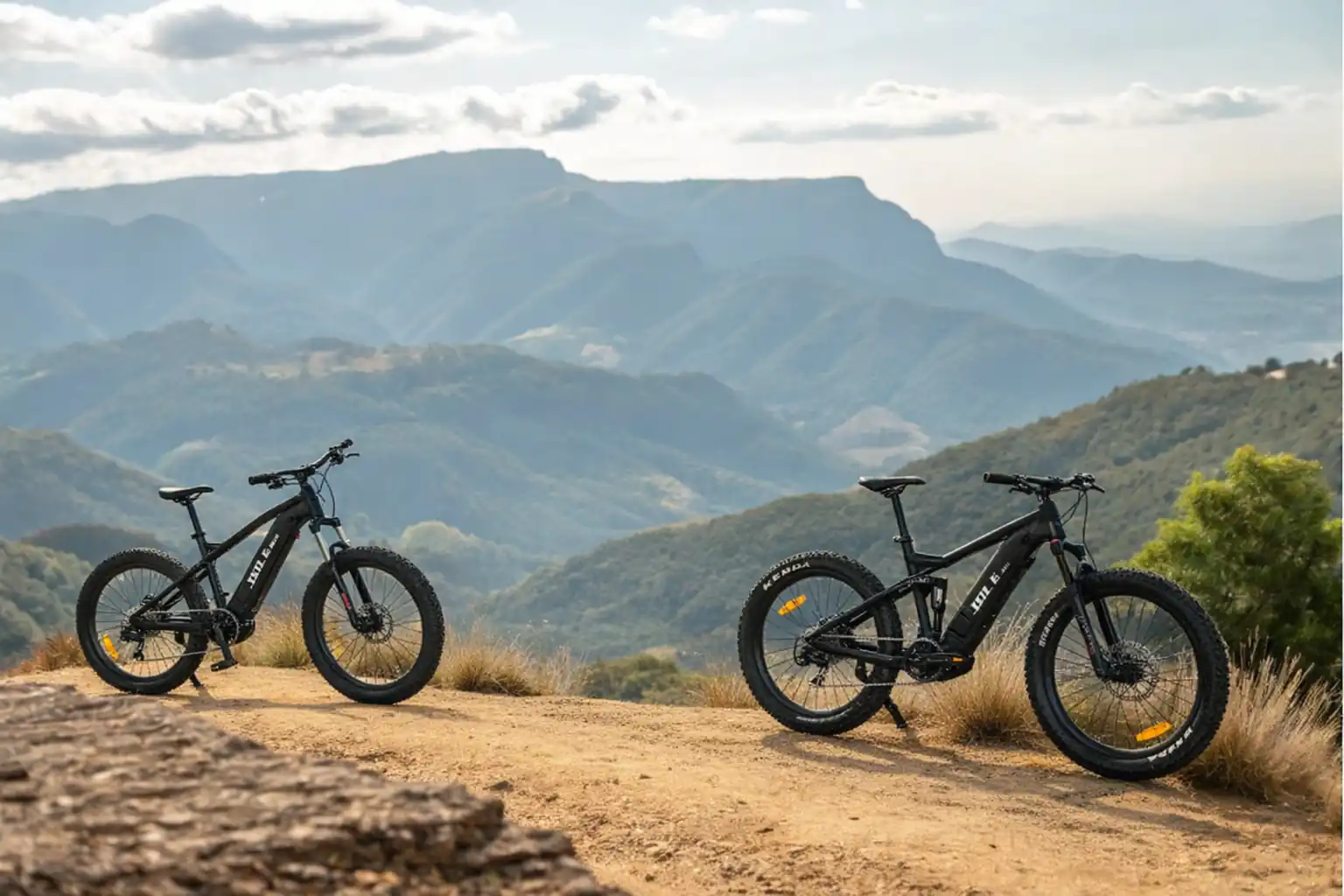 In our factory, we see these trends daily. We build a wide range of e-bikes, and the specifications our clients request tell a clear story. While we still produce many hub motor bikes for their cost-effectiveness, the demand for mid-drive systems for our mountain and cargo e-bike lines has surged. Customers are also asking for more integrated features. Here is a breakdown of the key market segments.
 |
Segment Category | Leading Sub-Segment (2025 Share) | Fastest-Growing Sub-Segment (CAGR) |
|---|---|---|---|
| Propulsion | Pedal-Assist (78.90%) | Speed Pedelec (4.02%) | |
| Application | City/Urban (76.05%) | Trekking/Mountain (3.65%) | |
| Motor Position | Hub Motor (64.60%) | Mid-Drive Motor (4.93%) | |
| Drive System | Chain Drive (76.60%) | Belt Drive (5.19%) | |
| Price Range | $1,000 - $1,499 (29.60%) | $3,500 - $5,999 (5.55%) | |
| Sales Channel | Offline Stores (72.40%) | Online & Subscription (6.62%) | |
| End Use | Personal/Household (61.60%) | Commercial Delivery (5.95%) |
This data shows a market in transition. While affordable, simple models still make up the bulk of sales, the real growth is happening in more advanced and specialized areas. For example, belt drives are growing quickly because fleet operators love their low maintenance. The fastest growth in price is in the premium segment, showing that customers are willing to pay more for better performance, integrated tech, and features like carbon fiber frames. The rise of online sales channels also shows that brands are finding new ways to reach customers directly.
Which Global Regions Are Leading the E-Bike Race?
Trying to figure out where the biggest e-bike opportunities are? The market isn't the same everywhere. We'll show you which regions are leading and which are growing the fastest.
Europe is the dominant market, holding a 54.80% revenue share, thanks to strong government support and cycling culture. However, North America is the fastest-growing region with a 7.19% CAGR, driven by state-level incentives and growing infrastructure investment in cities across the US and Canada.
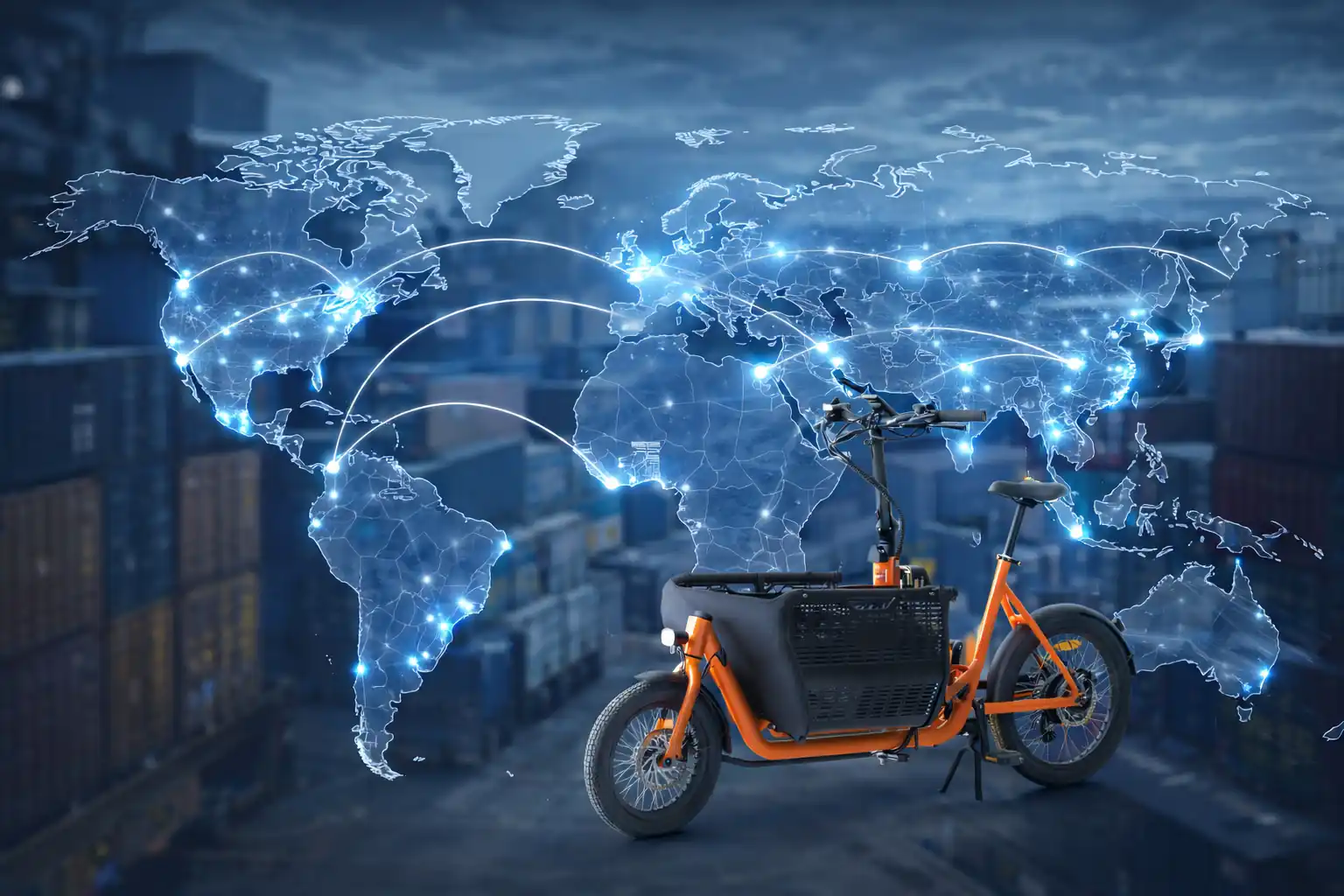 As a global OEM/ODM manufacturer, we ship our e-bikes all over the world. This gives us a unique view of how different markets operate. The needs of a client in Germany are very different from those of a client in California or Japan.
Europe: The Established Leader
Europe is the heart of the e-bike world. Germany alone has millions of e-bikes on its roads. The culture of cycling is strong, and the infrastructure is excellent. Government and corporate leasing programs4 are also very mature. We ship a large volume of our OEM products to European brands. For them, quality and strict compliance with EN standards are non-negotiable. The market is sophisticated, and riders expect high performance and reliability.
North America: The Fastest Grower
While smaller than Europe, the North American market is exploding. It's the fastest-growing region in the world. This growth is fueled by state-level rebates in places like California and New York, which make e-bikes more affordable. Our ODM clients in North America often request different specifications. They want more powerful motors and innovative cargo bike designs, which reflects the region's different regulations and consumer lifestyles. There is a huge opportunity here for brands that can meet the demand for utility and recreation.
Asia-Pacific: A Diverse Landscape
The Asia-Pacific market is not one single market; it's many. China is a manufacturing powerhouse and a massive supplier to the world, including the US. We are based here, which gives us a huge advantage in supply chain and production efficiency. In other parts of Asia, the market is just starting. India is seeing growth in electric two-wheelers, though e-bikes are still a small part of that. Japan and South Korea focus on high-tech, premium models. Different income levels and regulations mean that a one-size-fits-all approach doesn't work here.
Who Are the Major Players in This Competitive Landscape?
Wondering who's winning in the e-bike market? It's a crowded field with big brands and new startups. We'll explain the competitive dynamics and who to watch out for.
The market is fragmented. Legacy brands like Giant and Trek leverage dealer networks, while large Chinese manufacturers like Yadea and Aima compete on price through vertical integration. Component suppliers like Shimano and Bosch are key players, and service-oriented companies offering leasing are gaining ground.
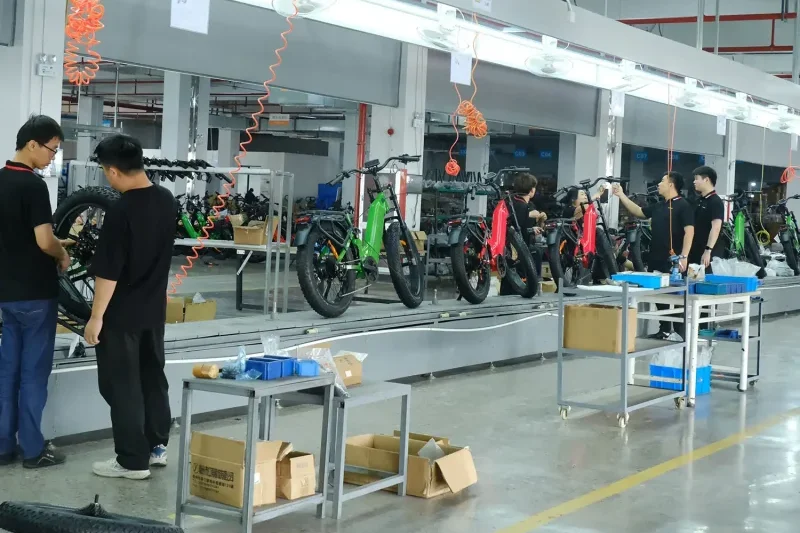 The e-bike market is a fascinating mix of old and new. We work within this ecosystem, providing the manufacturing power that helps many of these brands bring their ideas to life. Understanding the players is key to finding your place.
Legacy Brands vs. Volume Manufacturers
On one side, you have established bicycle brands like Trek and Giant. They have strong brand recognition and vast dealer networks for sales and service. They often partner with top component suppliers like Bosch and Shimano for their drive systems. On the other side, you have huge Chinese manufacturers like Yadea and Aima. Their strength is vertical integration. They make almost everything in-house, which allows them to offer very competitive prices and flood the mid-range market.
The Power of Component Suppliers
Component suppliers are the "kingmakers" in this industry. Companies like Shimano and Bosch have a huge influence. Their drive systems are trusted, so having their motor in your bike is a mark of quality. This gives them a lot of power over bike design and pricing. As a manufacturer, we have relationships with all major component suppliers, so we can build bikes with the systems our clients choose.
The Rise of Service-Based Models
A new type of company is emerging that doesn't just sell bikes. Companies like Lease-a-Bike in Europe or Zoomo for delivery fleets focus on services. They offer all-inclusive packages with the bike, insurance, maintenance, and even theft recovery. This creates a steady revenue stream and is very attractive to commercial clients who care about total cost of ownership, not just the purchase price. We partner with these companies to provide reliable and durable e-bikes that can handle the heavy use of a commercial fleet. As an OEM/ODM partner, our role is to be flexible and support all these different business models.
Conclusion
Explore how e-bikes offer a practical solution to urban congestion, making commuting easier and more efficient in crowded cities. ↩
Learn how decreasing battery costs are making e-bikes more affordable and accessible, driving market growth. ↩
Discover the various government subsidies that make e-bikes more affordable, encouraging wider adoption. ↩
Understand how corporate leasing programs make e-bikes accessible to employees, promoting sustainable commuting. ↩
Find out why Europe leads the e-bike market, driven by strong cycling culture and supportive policies. ↩
Explore the reasons behind North America's rapid e-bike market expansion, including state-level incentives. ↩
Learn how increasing urban congestion is pushing more people to choose e-bikes for short trips. ↩
Understand how the reduction in lithium-ion battery costs is making e-bikes more affordable. ↩
Explore the global government subsidies that lower the entry barrier for e-bike adoption. ↩
Discover how corporate benefit programs are making e-bikes accessible to employees, boosting market growth. ↩
Learn about ULEZ policies and how they encourage cleaner transportation options like e-bikes. ↩
Explore the technological advancements in lithium-ion battery packs that enhance e-bike performance. ↩
Discover how sodium-ion batteries could revolutionize e-bike technology by reducing costs and material reliance. ↩
Understand the Lease-a-Bike program and how it facilitates e-bike access through employee benefits. ↩
Explore the importance of UL 2849 standards in ensuring e-bike battery safety and consumer trust. ↩
Understand how the high upfront cost of e-bikes limits their adoption, especially in developing markets. ↩
Discover the challenges posed by inadequate charging infrastructure for e-bikes and potential solutions. ↩
Learn about the supply chain challenges for critical minerals in e-bike production and how manufacturers are addressing them. ↩
Find out why pedal-assist e-bikes are the most popular choice, driven by favorable regulations and user preference. ↩