Choosing the right e-bike motor feels overwhelming. The wrong choice can ruin the ride and your product line. We can help you pick the perfect motor for your brand.
The best e-bike motor depends on your target market1 and bike type. Mid-drive motors2 offer a natural feel and high torque for performance bikes. Rear-hub motors3 provide great value and are ideal for commuters and budget-friendly models.
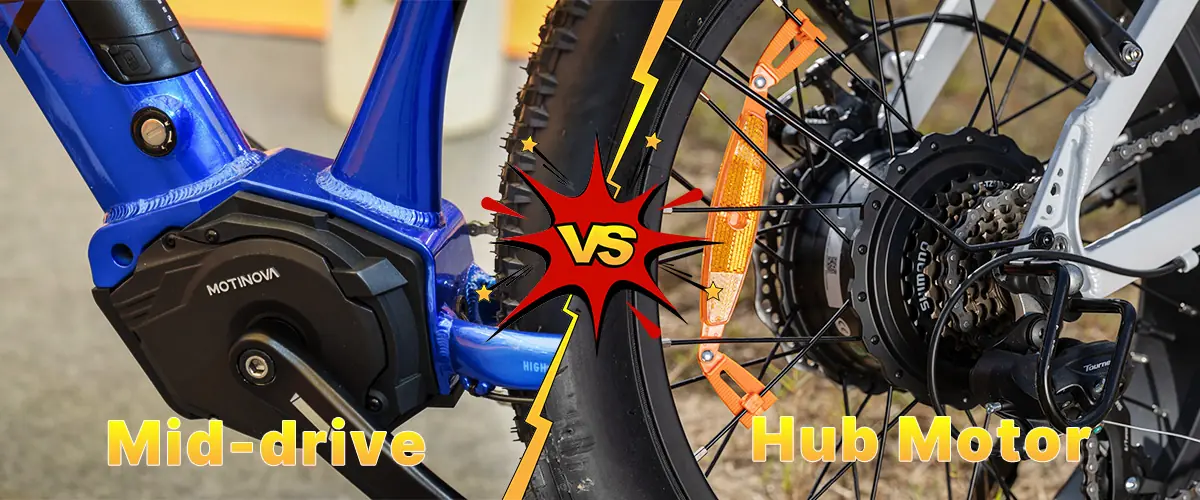 The motor is the heart of any e-bike. It decides how the bike feels, performs, and what it costs. As a manufacturer for over 20 years, I've seen how motor technology has evolved. Let's break down the options so you can make the best choice for your business. Understanding these differences is the first step to building a successful e-bike line that your customers will love.
What are the main types of e-bike motors?
You see motors on the front, middle, and back of e-bikes. This can be confusing. Let's clarify the three main placements so you can understand the e-bike landscape. There are three types: front-hub, rear-hub, and mid-drive. Front-hub motors are now very rare. Most modern e-bikes use either a rear-hub motor in the back wheel or a mid-drive motor located near the pedals.
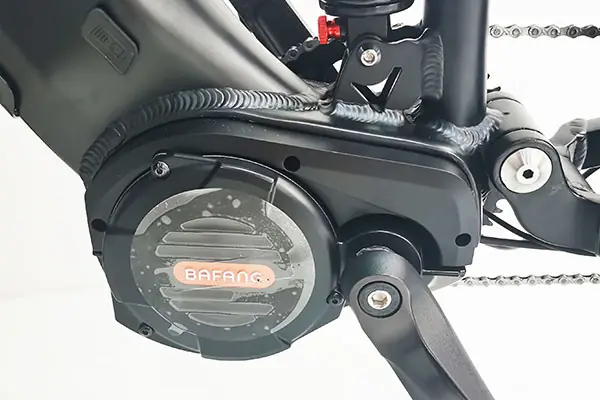
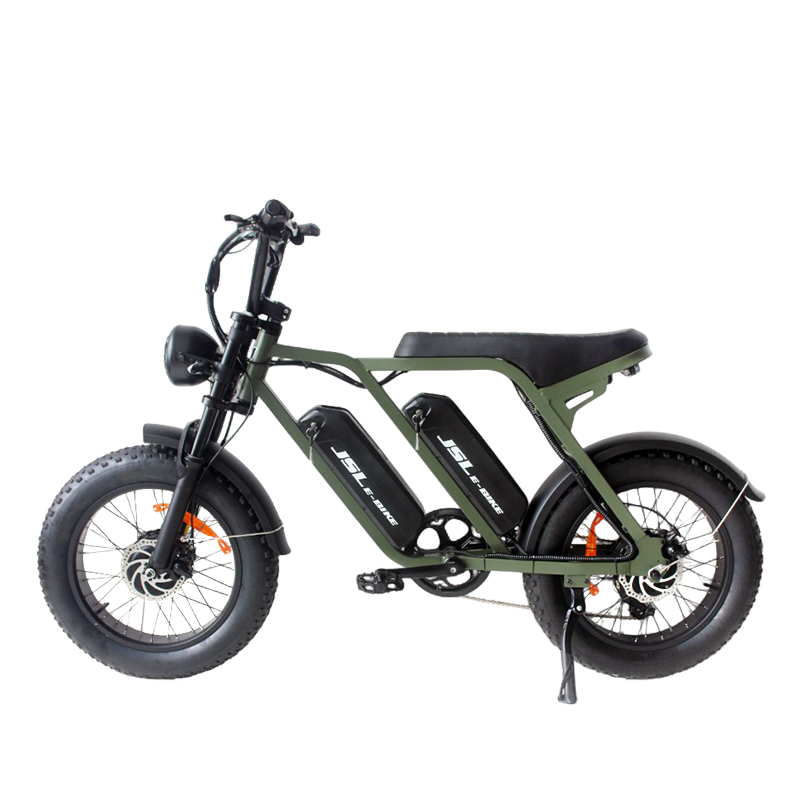
When we talk about e-bike motors, we are mostly talking about where they are placed on the bike frame. This location changes everything, from ride feel4 to cost. The three locations are the front wheel hub, the rear wheel hub, and the middle of the bike frame, where the pedals connect. Today, the market has clearly chosen rear-hub and mid-drive motors as the best options. Front-hub motors are almost gone from new models because of performance issues. As an OEM/ODM partner5, our clients almost always choose between rear-hub and mid-drive systems. In fact, for extreme performance needs, we even offer a dual-motor e-bike6 that uses both a mid-drive and a rear-hub motor at the same time. This shows how each type has unique strengths.
E-Bike Motor Type Summary
| Motor Type | Location | How it Works | Common Use Cases |
|---|---|---|---|
| Front-Hub | Center of the front wheel | Pulls the bike forward | Very rare, some older or budget models |
| Rear-Hub | Center of the rear wheel | Pushes the bike forward | City, commuter, fat tire, value bikes |
| Mid-Drive | Center of the frame (bottom bracket) | Powers the chain and the bike's gears | Mountain, cargo, and premium e-bikes |
Why are front-hub motors7 so rare on modern e-bikes?
You might find a cheap e-bike with a front motor. But there is a reason you do not see them on quality bikes. Let's explore why they have fallen out of favor. Front-hub motors are the cheapest to make, but they have the worst performance. They can make steering feel heavy and may lose traction on hills or wet surfaces. The ride feels unnatural, like the bike is being pulled. The main problem with a front-hub motor is the ride feel. It pulls you from the front. This is not how a normal bicycle works, and it can feel strange and unstable. The weight of the motor is on the front wheel, which makes steering feel heavy and slow to respond. This is not ideal for nimble city riding or technical trails. Another big issue is traction. The front wheel of a bicycle carries less weight than the rear wheel, especially when you are riding up a hill. A powerful motor can easily make the front wheel spin without gripping the road. This is inefficient and can be dangerous, particularly on loose gravel or wet pavement. For these reasons, the market has moved on. As a manufacturer, we must build bikes that are safe and enjoyable to ride. The performance and safety trade-offs are just not worth the small cost savings. That is why we guide our clients toward rear-hub or mid-drive motors.
Is a mid-drive motor better than a rear-hub motor?
This is the big debate for e-bike brands. Mid-drive or rear-hub? Choosing wrong impacts performance, price, and customer satisfaction. Let's compare them directly to see which is right for you. Neither is "better" overall; they are just different. Mid-drive motors offer a more natural ride8, better climbing, and higher efficiency. Rear-hub motors are more affordable, simpler, and provide a powerful "push" feeling.
The choice between a mid-drive and a rear-hub motor depends entirely on the kind of bike you want to build. A mid-drive motor is mounted at the bike's bottom bracket, and it powers the chain. This means the motor's power goes through the bike's gears. This is a huge advantage for climbing because the motor can use the low gears to generate massive torque, making steep hills feel easy. The ride feel4s very natural, like you have incredibly strong legs, because the power is linked to your pedaling. On the other hand, a rear-hub motor is part of the rear wheel and pushes the bike forward directly. It works independently of your pedaling force. This creates a strong "push" feeling, which many commuters love for getting up to speed. Rear-hub motors are also simpler and less expensive, making them a great choice for affordable e-bikes.
Mid-Drive vs. Rear-Hub Motor
| Feature | Mid-Drive Motor | Rear-Hub Motor |
|---|---|---|
| Price | Higher | Lower |
| Ride Feel | Natural, integrated with your pedaling | A powerful "push" from behind |
| Weight Distribution | Central and low, very balanced | At the rear of the bike |
| Climbing Ability | Excellent, uses the bike's gears for torque | Good, but less efficient than mid-drive |
| Drivetrain Wear | Higher wear on chain and gears | Lower wear on chain and gears |
| Best For | Mountain, cargo, and premium performance bikes | City, commuter, and value-focused bikes |
How do you choose the right motor for your e-bike line?
You understand the technology, but how do you apply it to your business? Picking the wrong motor for your target market can hurt sales. Let's match the right motor to the right customer. For premium mountain or cargo e-bikes, choose a mid-drive motor for its superior torque and natural feel. For cost-effective city, commuter, or fat tire bikes, a rear-hub motor offers the best balance of performance and price.
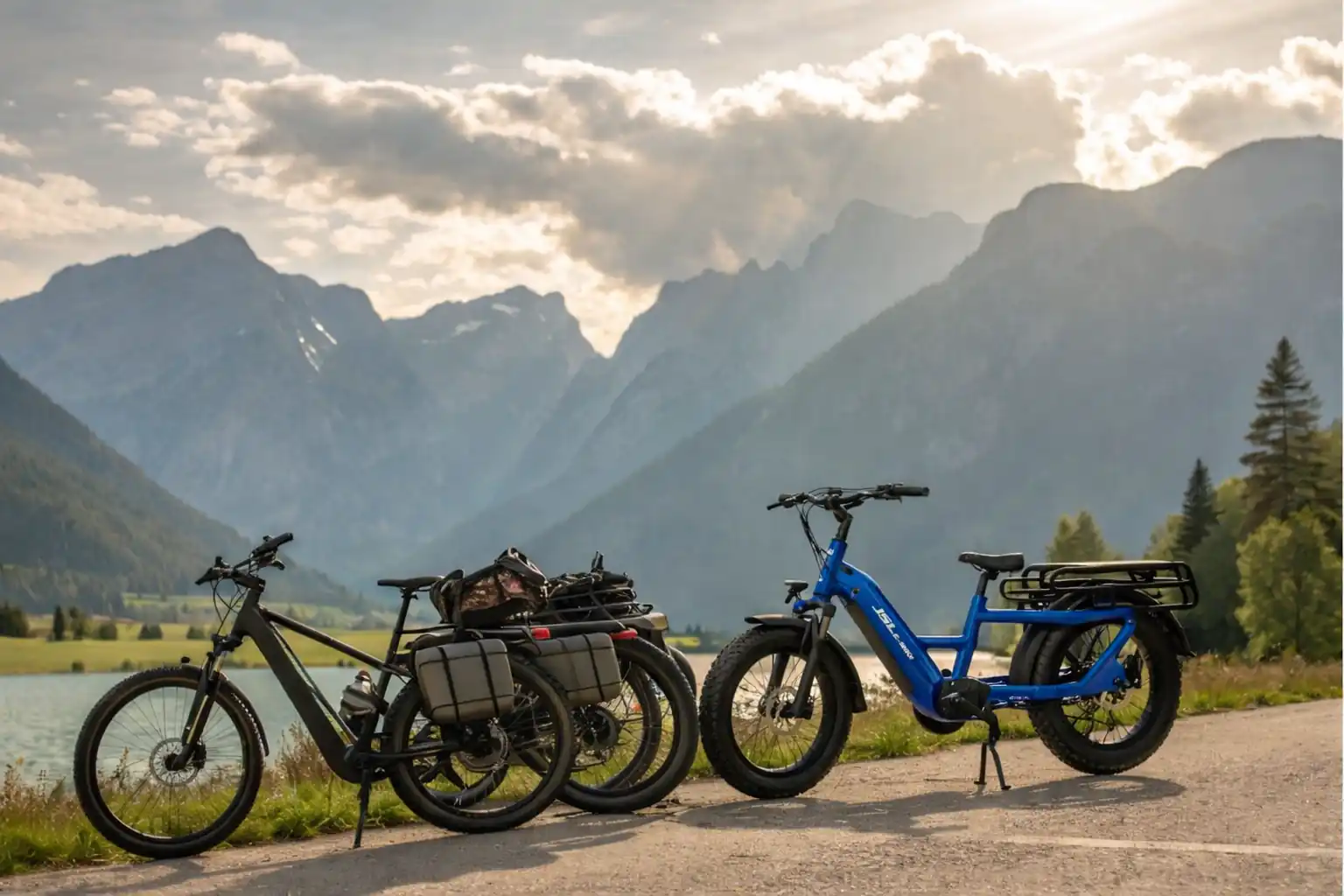
As an OEM partner, my job is to help you build the best possible product for your specific market. The motor choice is a strategic business decision. Let's look at a few common scenarios. If you are building a high-end mountain e-bike line, you must use a mid-drive motor. Your customers are enthusiasts who demand performance. They need the high torque for climbing, the balanced weight for handling on trails, and the natural feel for technical control. The higher price is expected and justified. If you are targeting the urban commuter market, a rear-hub motor is often the best choice. Commuters need a reliable, affordable bike to get around. A rear-hub motor provides plenty of power and is very cost-effective, which helps you offer a competitive price. For heavy-duty cargo e-bikes, a mid-drive motor is again the superior option. The incredible torque at low speeds is essential for getting heavy loads moving from a stop and up hills. Finally, if you are creating an entry-level, all-purpose e-bike for the mass market, a rear-hub motor is the clear winner. It delivers a fun, powerful experience at a price that more people can afford.
Conclusion
Choosing the right motor comes down to your bike's purpose and price point. Both mid-drive and rear-hub motors are excellent choices when matched to the right application.
Choosing the wrong motor can hurt sales. Discover how to match the right motor to your target market for optimal performance and satisfaction. ↩
Mid-drive motors offer a natural feel and high torque, ideal for performance bikes. Discover why they might be the perfect choice for your e-bike. ↩
Rear-hub motors provide great value and are ideal for commuters and budget-friendly models. Learn how they can enhance your e-bike experience. ↩
The ride feel is crucial for user satisfaction. Discover how different motor types influence the riding experience of e-bikes. ↩
An OEM/ODM partner can guide you in selecting the right motor for your e-bike line, ensuring safety and performance. Find out how they can assist you. ↩
Dual-motor e-bikes offer unique strengths by combining mid-drive and rear-hub motors. Explore how this setup can enhance your e-bike's capabilities. ↩
Front-hub motors are almost gone from new models due to performance issues. Learn why they have fallen out of favor in the e-bike industry. ↩
Mid-drive motors are linked to pedaling, providing a natural ride feel. Discover why this feature is preferred by many e-bike enthusiasts. ↩