You are watching your profit margins get smaller every day because raw material costs are going up. If you are planning your next order of electric bikes, you might be worried about the rising price of aluminum1 and how it changes your budget. The recent surge in aluminum prices, moving from 2600 in August to over 3100 in mid-January, significantly increases the manufacturing cost of alloy frames. This trend, combined with rising battery costs, means OEM buyers2 must adjust their budgets and lock in orders quickly to avoid even higher quotes later. This situation is stressful for many business owners, but you need to understand the details before you make a decision. I will explain exactly what is happening in the market right now.
Why Is the Cost of Aluminum Frames Rising So Fast?
The price of raw aluminum changes every single day, and right now, the arrow is pointing up. You might feel shocked when you see the new quote for your frame order compared to last year. The raw material index3 has jumped from 2600 in August to 3100 in January, and experts say it will keep going up. This direct increase in raw material cost forces manufacturers to raise the price of the finished aluminum alloy frames4.
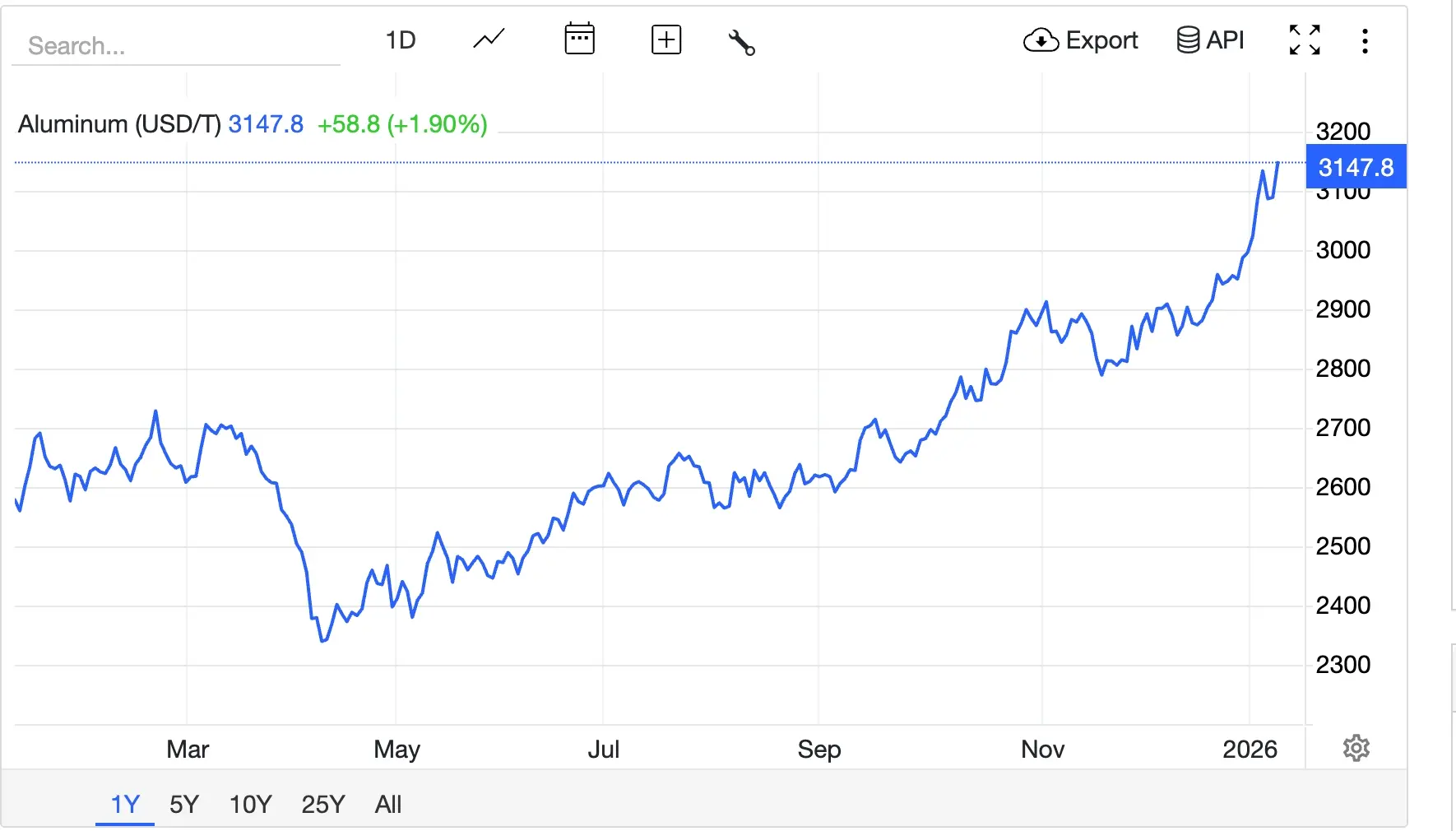
We have our own frame factory, so we see these changes immediately. When we buy raw aluminum tubes, we pay the current market price. I want to break down why this is happening and why it matters for your total e-bike cost. It is not just a small fluctuation. It is a steady trend. When the cost of the metal goes up, it affects every part of the frame making process. We have to pay more for the raw tubes. We also have to pay more for the welding wire. Even the energy costs5 to run the machines are connected to global commodity prices. Here is a simple breakdown of how the index change looks over the last few months:
| Month | Price Index | Trend |
|---|---|---|
| August | 2600 | Base Level |
| October | 2850 | Rising |
| December | 3000 | Rising Fast |
| Mid-January | 3100 | Peak (So Far) |
You can see that the jump is large. For a single bike, this might look like a few dollars. But when you order 500 or 1,000 bikes, this adds up to thousands of dollars. We try to keep our manufacturing costs efficient to help you. However, the raw material price is something we cannot control. The market indicates that this trend will continue for the next few months. This means waiting to place an order might cost you more money. If you are planning a production run for the summer season, the best time to act is now before the number goes higher than 3100.
Is Switching to Steel Frames a Viable Solution?
Some of my clients ask me if they should switch to steel frames6 to save money. It is a logical question because steel is much cheaper than aluminum alloy right now. While steel is cheaper, it is not a perfect replacement for aluminum because it changes the performance and feel of the bike. Aluminum has a specific strength and weight that makes it irreplaceable for most modern e-bikes.
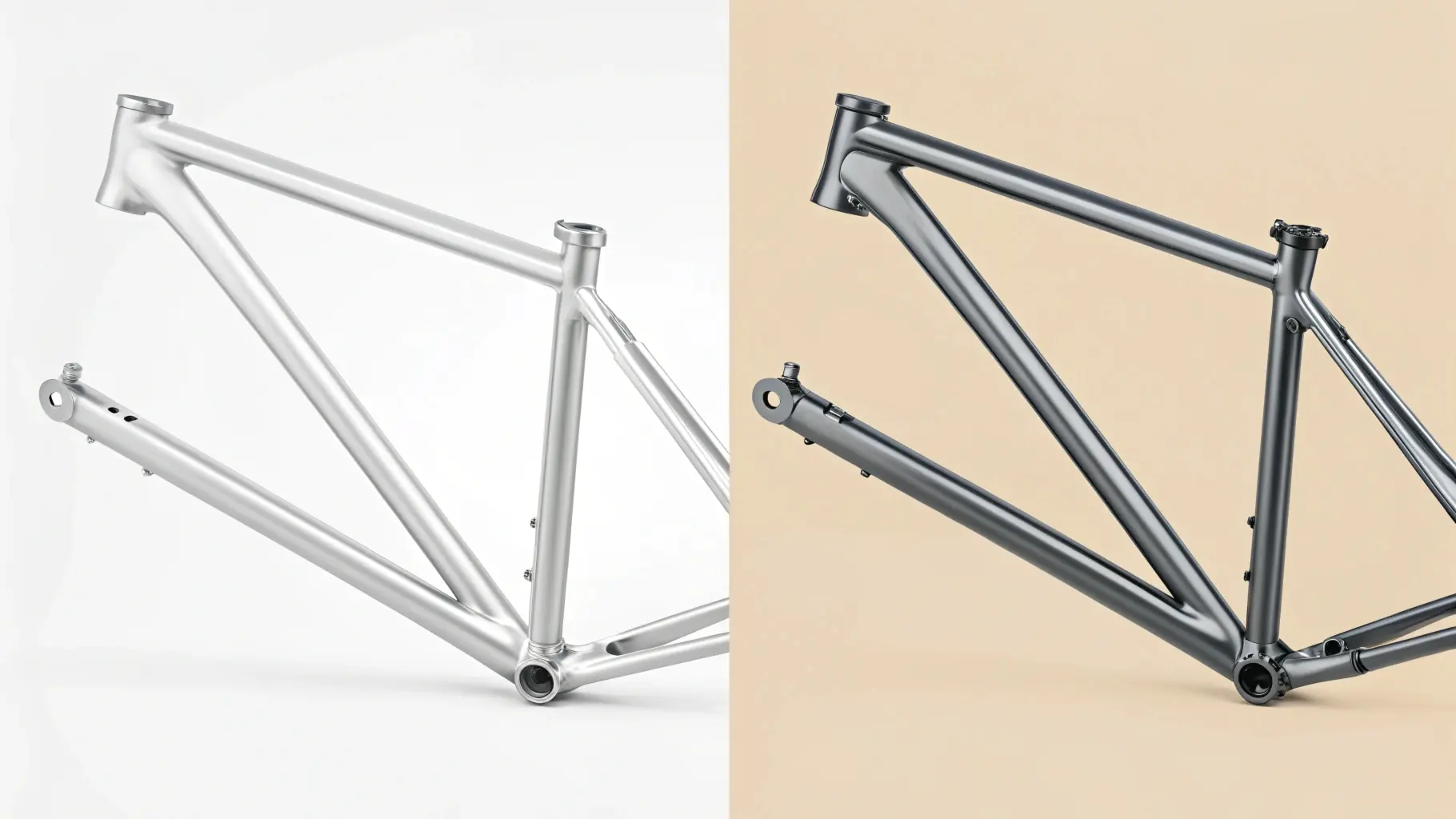
I understand the temptation to cut costs. When you see the aluminum price rising, you look for alternatives. However, you need to think about the final rider. We have been making bikes since 1999, so we have seen many trends come and go. Steel has its place, but for most electric bikes, aluminum is still the king. Here is why you need to be careful about switching to steel. First, there is the weight. Steel is much heavier than Aluminum Alloy 6061. An e-bike is already heavy because of the motor and battery. If you add a heavy steel frame, the bike becomes hard to handle. It is hard for the user to carry it up stairs or put it on a car rack. Second, there is the issue of rust. Steel rusts if the paint scratches. Aluminum does not rust in the same way. It is more durable for city riding or mountain biking where there is rain and mud. Third, look at the strength-to-weight ratio7. To make a steel frame strong enough, you need thick tubes. To make an aluminum frame strong, we can use shaped tubes that look sleek and modern but stay light.
| Feature | Aluminum Alloy 6061 | Steel (Hi-Tensile) |
|---|---|---|
| Weight | Lightweight | Heavy |
| Corrosion | Resistant (No Rust) | Prone to Rust |
| Cost | High (Rising) | Low |
| Ride Feel | Stiff and Responsive | Soft and Heavy |
| Perception | Premium / Modern | Budget / Old School |
If you are selling a budget city bike, maybe steel is okay. But if you are doing OEM for a mountain e-bike or a fat tire e-bike, steel will hurt your brand image. Customers expect aluminum. They know the difference. So, while steel saves money on the invoice, it might cost you sales in the market. The aluminum frame is irreplaceable for high-quality e-bikes.
How Are Rising Battery Prices Adding to the Problem?
It is not just the frame; the heart of the electric bike is also getting more expensive. You are facing a double challenge because battery prices are going up at the same time as aluminum. The cost of lithium cells8 and battery packs is increasing, which means the total quote for your electric bicycle will be higher than before. This is a market-wide issue that affects all manufacturers and brands.
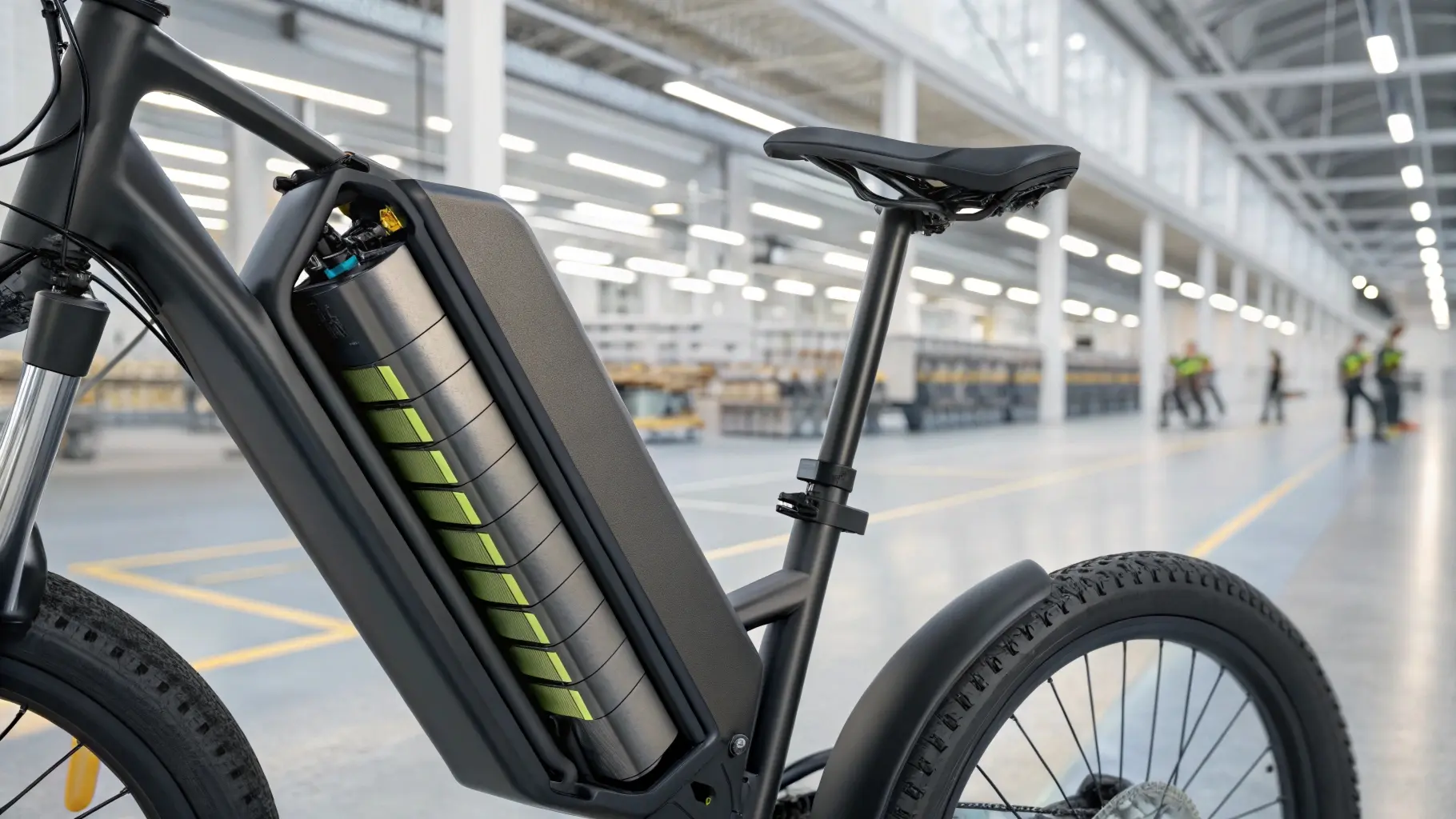
When we calculate the cost of a complete e-bike, the battery and the frame are the two most expensive parts. Right now, both of them are becoming more costly. This is what we call a "perfect storm" in manufacturing. Why are battery prices rising? It is similar to aluminum. The raw materials like lithium and cobalt are in high demand. The electric car industry buys a lot of these materials, leaving less for the e-bike industry. This drives the price up. Also, safety standards are stricter now. We use high-quality Battery Management Systems (BMS)9 to ensure our batteries are safe and long-lasting. We do not cut corners on safety, especially with the new regulations in the USA and Europe. Safer batteries cost more to make. This impacts your total product cost significantly. Let's look at the breakdown:
- Frame: Cost is up due to aluminum index (2600 -> 3100).
- Battery: Cost is up due to cell shortage and material costs.
- Shipping: Logistics costs are often unstable too.
This means the final price we quote you for a container of bikes will be higher than six months ago. But you must remember what you are paying for. You are paying for reliability. A cheap battery is a fire risk. A cheap frame is a safety risk.
We work hard to find the best supply chain solutions10. We have strong relationships with battery suppliers to get the best possible rates. But the general market trend is up. You need to adjust your retail pricing or your marketing strategy to explain this value to your customers. You are selling a premium machine11, and the cost reflects the quality of the materials inside it.
Conclusion
Aluminum prices have jumped from 2600 to 3100, and battery costs are rising too. While steel is cheaper, aluminum remains the best choice for quality e-bikes. You should plan your budget now to handle these changes.
Understanding the reasons behind the rising price of aluminum can help you anticipate future cost changes and make informed purchasing decisions. ↩
OEM buyers need to know how to adjust their budgets and strategies in response to fluctuating aluminum prices to maintain profitability. ↩
Keeping track of the raw material index helps you stay updated on market trends and make timely decisions for your business. ↩
Aluminum alloy frames are crucial for e-bikes, and understanding their cost impact can guide your production and pricing strategies. ↩
Energy costs are a significant factor in manufacturing, and knowing their impact can help you optimize production efficiency. ↩
Exploring the pros and cons of steel frames can help you decide if they are a viable cost-saving alternative for your e-bike production. ↩
The strength-to-weight ratio affects the performance and handling of e-bikes, making it a critical factor in frame material selection. ↩
Lithium cells are essential for e-bike batteries, and knowing why their prices are rising can help you manage costs better. ↩
BMS are crucial for ensuring battery safety and longevity, making them a key consideration in e-bike manufacturing. ↩
Exploring supply chain solutions can help you mitigate rising costs and maintain a competitive edge in the market. ↩
Understanding what constitutes a premium e-bike can help you market your products effectively and justify higher prices to customers. ↩