Are you importing e-bikes? A new battery regulation is coming, and it could stop your business cold. Ignoring it means facing blocked shipments, legal trouble, and damage to your brand.
EN 506041 is the new European safety standard2 for lithium-ion batteries in light electric vehicles, like e-bikes. It is essential because it guarantees the battery's safety during long-term use, and it's becoming a mandatory requirement for market access, especially in France starting in 2026.
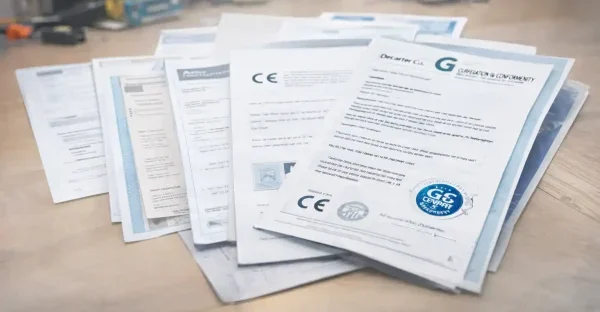
As a manufacturer, I talk to buyers every day. Many are just now learning about EN 50604, and they are worried. They have a lot of questions, and the stakes are high. This standard isn't just another piece of paper; it's a fundamental shift in how we approach battery safety. Let's break down what this means for you and your business.
What does the EN 50604 standard actually cover?
You've heard about new battery rules, but you might be unsure what they mean for you. Ignoring them could be a very expensive mistake, because this new standard changes everything.
EN 50604 is a European safety standard for e-bike lithium batteries. It focuses on long-term usage safety. It covers electrical, thermal, and mechanical aspects to prevent accidents and ensure reliability over the battery's life.
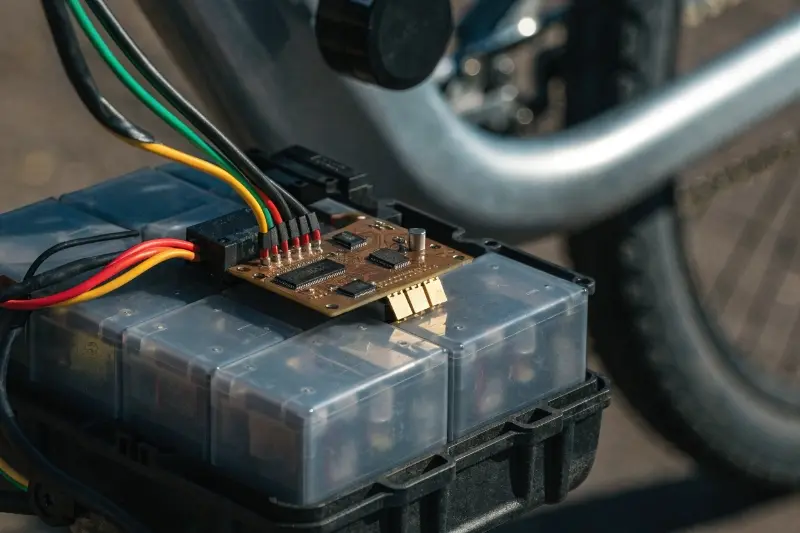
This standard goes much deeper than previous requirements. It was created to make sure batteries are safe not just when they are new, but after months and years of use, charging, and vibrations. I've seen firsthand how important this is. A battery failure can be dangerous, and this standard is designed to prevent that. Here’s a breakdown of what EN 50604 tests for:
| Safety Area | What It Means | Why It Matters |
|---|---|---|
| Electrical Safety | The battery must handle things like overcharging or short circuits without failing. | This prevents the most common causes of battery fires and ensures user safety during charging. |
| Thermal Safety | The battery needs a good heat management system to avoid overheating. | Batteries get warm during use. This ensures they don't get dangerously hot, which could lead to failure. |
| Mechanical Safety | The battery must be tough enough to withstand vibrations, bumps, and even being dropped. | E-bikes are used on real roads. This test makes sure the battery won't break apart from normal use. |
| Aging Tests | The battery is tested to ensure it remains safe even after many charge cycles. | A battery's performance changes over time. This ensures it stays safe as it gets older. |
| BMS Requirement | The battery must have a Battery Management System (BMS)3. | The BMS is the battery's brain. It monitors and protects the cells, which is critical for safe operation. |
How is EN 50604 different from MSDS and DG certificates4?
You probably get MSDS and DG certificates for your batteries already. So you might think you're covered, but a big piece is missing. This misunderstanding can lead to major problems.
MSDS and DG certificates are about transport safety, covering chemical data and packaging for shipping. EN 50604 is completely different. It is about user safety during the battery's entire life, which is a much stricter requirement.
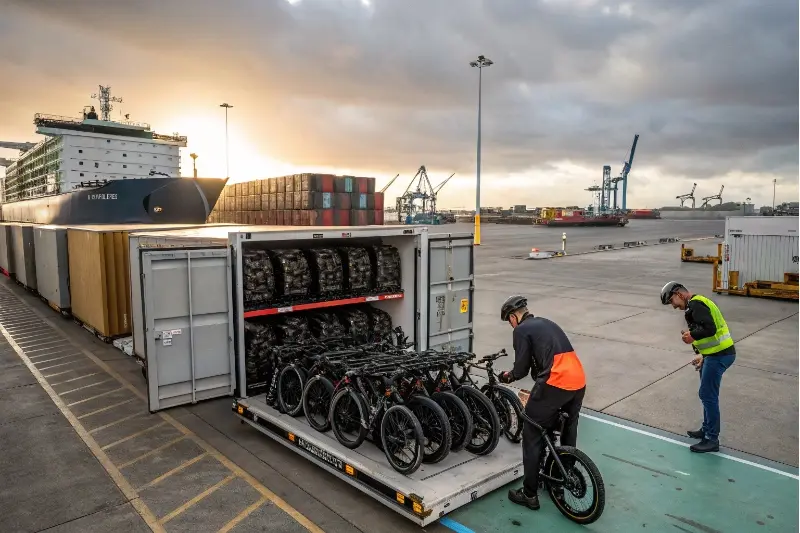
For years, we've used two main documents for battery safety: the MSDS and the Dangerous Goods (DG) packaging certificate. These are important, but they only solve one part of the problem: shipping the battery from my factory to your warehouse. The market has realized that the biggest risks happen when the customer is actually using the e-bike. That's where EN 50604 comes in. It addresses the battery's safety in the hands of the end user.
Let's compare them directly:
What each certificate is for
- MSDS (Material Safety Data Sheet): This document tells you about the chemicals inside the battery. It explains what to do in an emergency, like a chemical spill or fire. It's for chemical safety.
- DG Packaging Certificate: This proves the battery is packed correctly for transport according to dangerous goods rules. Its goal is to prevent short circuits or explosions during shipping. It's for transport safety.
- EN 50604: This standard certifies that the battery itself is designed and built to be safe during everyday use. It covers charging, discharging, vibrations, and temperature changes. It's for user safety.
As you can see, you need all three. But EN 50604 is the one that proves the product itself is safe for your customers to use every day.
What risks do you face if your batteries lack EN 50604 certification?
The deadline for a new French regulation is coming fast. If your e-bike batteries are not certified, your products could become worthless overnight. The risks are real and very serious.
Starting February 2026, France will mandate EN 50604 for all e-bike batteries. Without it, you risk market access denial, customs seizures, insurance claim rejections5, and severe damage to your brand.
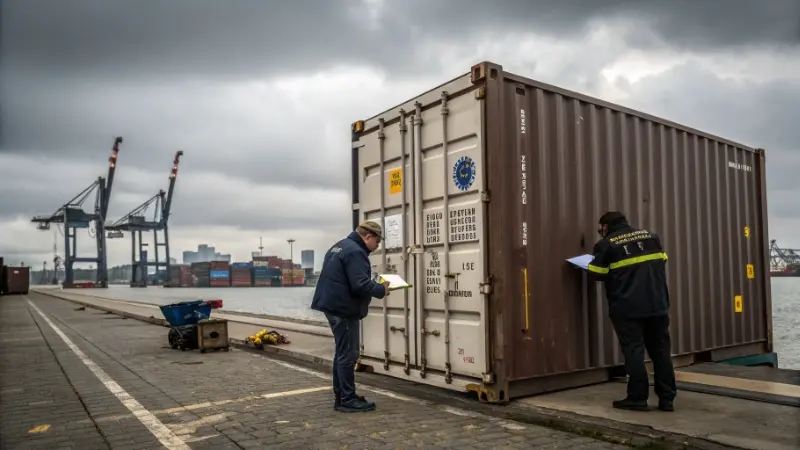
This isn't a suggestion; it's becoming law. I've had clients call me in a panic because they realized their current inventory won't be legal to sell in a couple of years. France is leading the way, but other countries are following. New South Wales in Australia has a similar requirement starting in February 2025. Other EU markets like Germany and Spain are also moving in this direction. Here are the practical risks you will face:
1. Market Access and Customs Risk
If your products don't have EN 50604 certification, you won't be able to sell them in France after the deadline. Your shipments could be stopped at customs. Online marketplaces might delist your products. Your entire sales plan could fall apart.
2. After-Sales and Insurance Risk
If a non-compliant battery causes a fire or other accident, insurance companies may refuse to pay the claim. This leaves you and your customer with a huge financial burden. Handling warranty and after-sales service also becomes a massive liability.
3. Legal Liability Risk
As the importer or distributor, you are legally responsible for the products you sell. If a non-compliant battery injures someone, you could face lawsuits. This risk is simply too high to ignore.
How should you prepare for the EN 50604 requirement?
The new rules are coming, and waiting is not an option. You need a clear plan to protect your business. Taking action now is the only way to avoid future headaches and costs.
You must act now. Start by demanding EN 50604 compliance from your suppliers. Verify their test reports and certifications, and understand their process to ensure your products can enter the market smoothly.
This new standard is changing how buyers select their suppliers. In the past, certification might have been a "nice-to-have." Now, it's a "must-have." It is the price of entry into the market. I always tell my clients to think of it as a checklist for protecting their business. Here is what you need to do:
Your Action Plan for EN 50604 Compliance
- Confirm Your Supplier's Compliance: Don't just ask "Are you compliant?" Ask for the actual EN 50604 test report from a recognized testing laboratory. Check the documents yourself. If a supplier cannot provide this, it is a major red flag.
- Ensure You Get Complete Documentation: A certificate is just the summary. You should also request the full technical file. This includes data on the Battery Management System (BMS), results from aging tests, and thermal management reports. A good supplier will have this ready.
- Understand the Certification Timeline: Getting a battery certified isn't instant. It takes time and planning. Ask your supplier about their certification process and lead times. Make sure you factor this into your own production and launch schedule to avoid delays.
- Order Early: As these deadlines get closer, the demand for compliant batteries will increase. To avoid supply chain delays and ensure you get the products you need, it's smart to plan ahead and place your orders early.
Conclusion
EN 50604 is now the key standard for e-bike battery safety and market access. Not complying brings huge risks to your business, from customs issues to legal liability.
Understanding EN 50604 is crucial for ensuring the safety and compliance of e-bike batteries in the European market. ↩
Exploring European safety standards helps ensure your products meet necessary regulations and avoid legal issues. ↩
A BMS is crucial for monitoring and protecting battery cells, ensuring safe operation and longevity. ↩
Knowing the differences between these certificates helps ensure complete compliance and safety. ↩
Ensuring compliance prevents claim rejections, protecting both your business and customers financially. ↩