Struggling to find new growth markets for your e-bike business? The Middle East is rapidly building infrastructure and promoting cycling, creating a huge, untapped opportunity for early movers.
Yes, the Middle East is a high-potential e-bike market. Strong government investment in cycling infrastructure1, a growing demand for urban mobility solutions2, and a strategic shift away from cars for short trips create a perfect window of opportunity for e-bike brands and OEM suppliers.
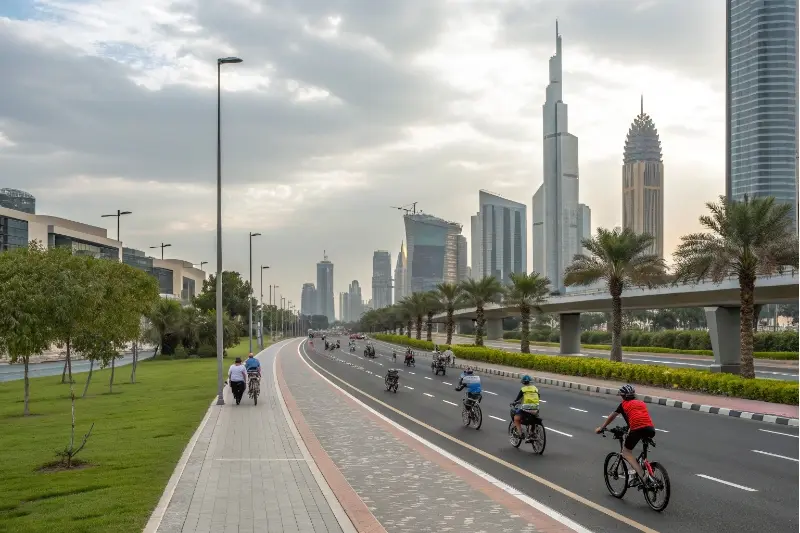
I’ve been in the e-bike manufacturing business for over two decades, and I’ve learned to spot the difference between short-term hype and real, structural growth. The Middle East isn't just another market; it’s a region where growth is being actively engineered. This is a rare opportunity for businesses that know where to look. Let's break down exactly what's happening and where the opportunities are for manufacturers like us.
What's Driving the E-bike Boom in the Middle East?
Worried about entering markets where demand is uncertain? In the Middle East, governments are building world-class cycling paths first, guaranteeing a user base for your e-bikes.
Massive government-led infrastructure investment is the core engine of growth. Countries like the UAE are building hundreds of kilometers of dedicated bicycle paths, actively shaping consumer behavior and creating demand for e-bikes before mass adoption even begins. This policy-driven approach significantly lowers entry barriers.
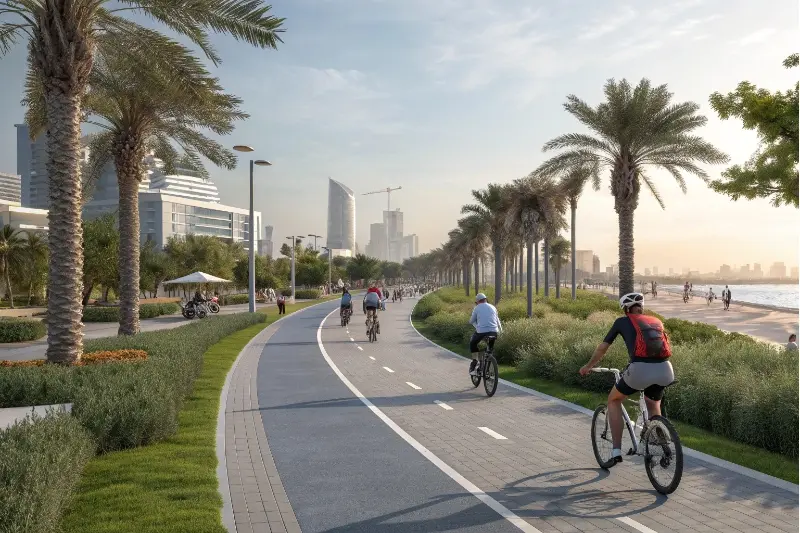
In my experience, most markets grow organically. People start buying bikes, and then cities slowly, sometimes reluctantly, build the infrastructure. The Middle East, especially the UAE, is doing the opposite. They are building the infrastructure to create the demand. This is a powerful signal for any e-bike business. Dubai's plan to expand its cycling network is a clear example. This isn't just about recreation; it's part of the Dubai 2040 Urban Master Plan3 to make the city more sustainable. For us as manufacturers, this means we aren't just selling a product; we're providing a solution that aligns with national goals. This policy-driven approach leads to faster normalization of e-bikes as a primary mode of transport.
| Infrastructure Initiative | Impact on E-bike Market |
|---|---|
| Dubai's 2026 Cycling Path Goal | Creates safe, dedicated routes, encouraging daily use. |
| UAE Bike Rental Program Expansion4 | Normalizes pedal-assist e-bikes in urban centers. |
| Government Sustainability Plans | Positions e-bikes as a key part of future mobility. |
Which E-bike Models Are Selling Best in the Middle East?
Unsure which e-bike models to focus on for a new market? In the Middle East, urban traffic and the rise of delivery services point to one clear winner.
City and urban e-bikes are the dominant force, making up about 75% of the market. The demand is driven by high traffic congestion, the growth of last-mile delivery services5, and a consumer shift towards practical, short-distance commuting. These bikes are becoming essential tools.
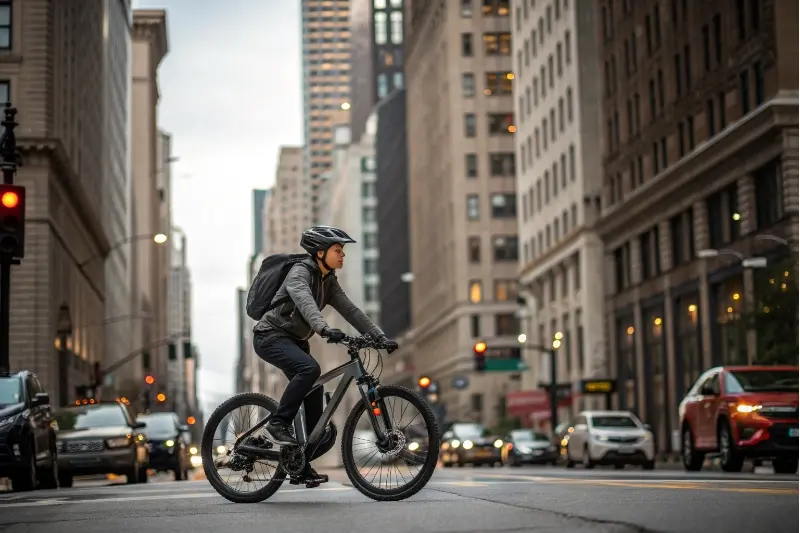
The biggest sales opportunities are right in the heart of the cities. Think about Dubai, Riyadh, and Doha. Traffic is a major headache, and car ownership is expensive. E-bikes offer a perfect solution for daily commutes that are often between 5 and 15 kilometers. But it's not just about personal commuting. The e-commerce and food delivery boom has created a massive need for commercial fleets. We've seen a huge increase in inquiries from companies looking for robust, reliable e-bikes for their delivery riders. This is a major opportunity for OEM suppliers like us. We can provide customized, fleet-ready e-bikes designed for heavy daily use. The key is to focus on durability and ease of maintenance.
| Key Demand Driver | OEM/ODM Opportunity6 |
|---|---|
| High Urban Traffic | Lightweight, efficient city e-bikes for commuters. |
| Last-Mile Delivery Growth | Durable cargo e-bikes with fleet-ready configurations7. |
| Rising Fuel Costs | Cost-effective, low-maintenance models for daily use. |
What Technical Features Are a Must-Have for Middle East E-bikes?
Confused about whether to offer pedal-assist or throttle e-bikes? The Middle East market has clear preferences, but a rising trend offers a competitive edge for savvy manufacturers.
Pedal-assist (PAS) systems8 are the standard, holding over 80% of the market share due to regulations and their "bicycle-first" feel. However, throttle-assisted9 e-bikes are the fastest-growing segment, especially for delivery and commercial use where minimal effort is preferred. Offering both is key.
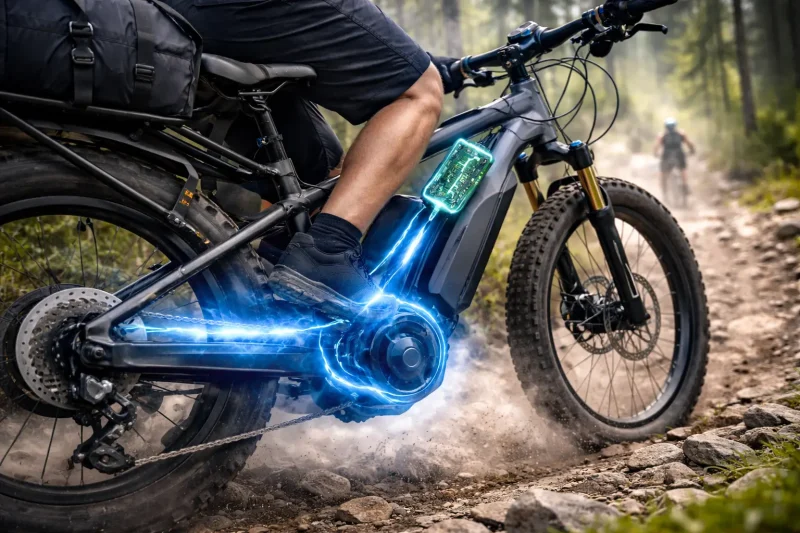
The technical specifications are where you can really win or lose in this market. While pedal-assist is the backbone, especially in government-backed rental programs, the demand for throttles is undeniable. We've found that delivery riders and users looking for pure convenience love the ease of a throttle. The smartest move for an OEM is to offer dual-mode systems that include both PAS and a throttle. On the battery side, lithium-ion is king. It holds about 70% of the market because it performs better in the heat, lasts longer, and charges faster. While some entry-level models still use lead-acid batteries to keep costs down, the future is clearly lithium-ion. Offering tiered battery solutions allows you to serve both the premium and the budget-conscious segments of the market effectively.
| Technology | Market Status | Key User Group |
|---|---|---|
| Pedal-Assist (PAS) | Market Standard | Commuters, recreational riders, rental fleets |
| Throttle-Assist | Fastest-Growing | Delivery riders, users seeking convenience |
| Lithium-Ion Battery | Dominant Standard | Mainstream, premium, and commercial users |
| Lead-Acid Battery | Niche / Entry-Level | Price-sensitive buyers, short-range use |
How Can You Design E-bikes That Survive the Middle Eastern Climate?
Think you can sell your European models in the Middle East without changes? The harsh climate of extreme heat, dust, and sand will quickly destroy standard components.
Simple model replication will fail. E-bikes for the Middle East require specific climate adaptations. This includes high-temperature resistance for batteries and motors, sealed components to protect against dust and sand, and robust, UV-resistant materials to prevent degradation from intense sunlight.
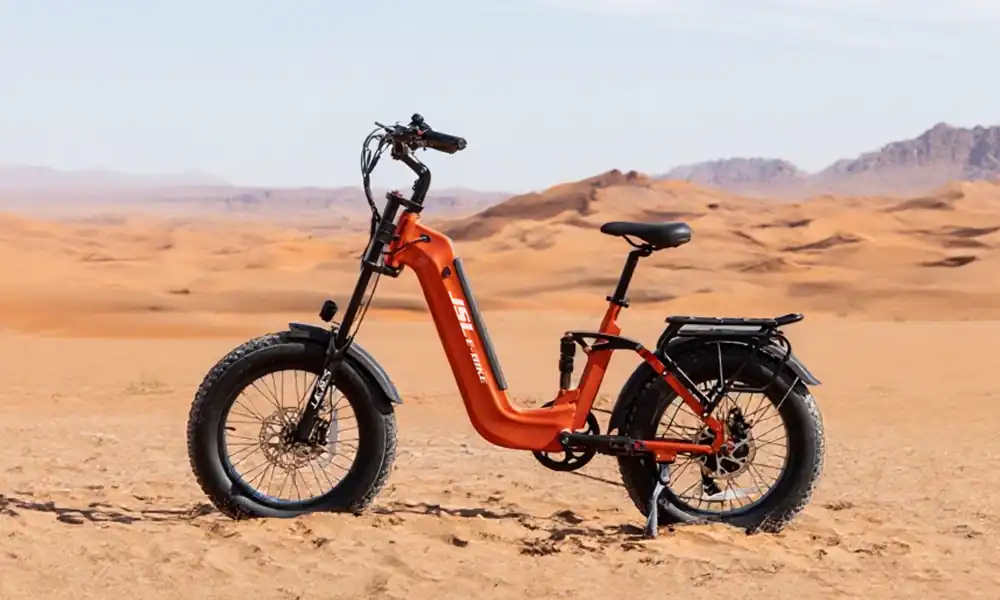
I cannot stress this enough: you must design for the local climate. We've seen brands fail because their batteries overheated, their motors got clogged with sand, or their plastic components became brittle and cracked under the constant sun. It's a costly mistake. When we develop e-bikes for our partners in the Middle East, we focus on what we call "climate-proofing10." This means using battery management systems (BMS)11 designed for thermal stability and ensuring all electronic housings are sealed. We also use UV-resistant paints and materials for frames and components. Communicating this to your distributors and customers is a powerful marketing tool. Saying your e-bike is "Designed for Middle East Conditions" builds immediate trust and sets you apart from competitors who are just importing standard models.
| Climate Challenge | Required Design Solution |
|---|---|
| Extreme Heat | Enhanced battery thermal management (BMS), heat-resistant motors. |
| Dust and Sand | Sealed bearings, motor housings, and electronic compartments. |
| Intense UV Rays | UV-resistant paint, plastics, and rubber components. |
| High Humidity | Corrosion-resistant frames and rust-proof chains/bolts. |
Which Middle Eastern Countries Should E-bike Businesses Focus On?
Spreading your resources too thin across a new region? Focusing on the right entry point is crucial for success. One country stands out as the clear leader.
The United Arab Emirates (UAE) is the ideal entry market, holding nearly 44% of the region's market share. It has the best infrastructure, strong government support, and high purchasing power. Saudi Arabia is the next major opportunity, with strong growth projected.
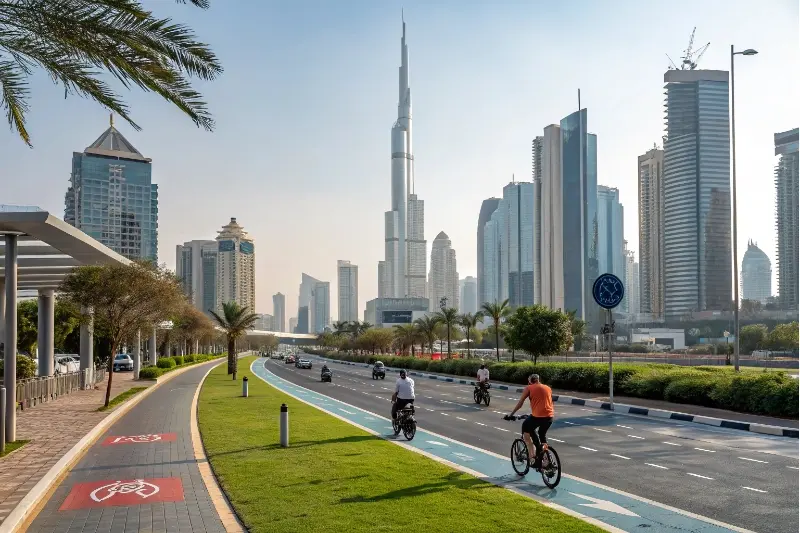
While the entire region has potential, you need a strategic entry point. The UAE is, without a doubt, the place to start. It's the most mature market, and success there can serve as a launchpad for the rest of the region. After the UAE, all eyes should be on Saudi Arabia. The country's Vision 2030 plan is heavily focused on sustainability and modernizing its cities. With a young, tech-savvy population, the acceptance of e-bikes for both recreation and commuting is growing fast. We're already seeing increased demand for trekking and mountain e-bikes there. Other markets like Qatar, Oman, and Bahrain are smaller but should not be ignored. They often have strong tourism sectors, creating demand for rental fleets. Expansion into these markets is typically best handled through local distributors who understand the specific needs and regulations.
| Country | Market Status | Key Opportunity |
|---|---|---|
| UAE | Regional leader, mature infrastructure | Urban commuting, delivery fleets, rental programs |
| Saudi Arabia | Emerging, high growth potential (Vision 2030) | Recreational, trekking, and urban e-bikes |
| Other GCC | Smaller, growing | Tourism-driven rentals, distributor-led sales |
Is There Still Room for New E-bike Manufacturers in the Middle East?
Worried the market is already dominated by big global brands? The Middle East e-bike market12 is still young, with major gaps that flexible OEM manufacturers can fill.
Yes, there is plenty of room. The market is not saturated. There is high demand for localized products, especially in the mid-range and commercial fleet segments. Flexible OEM/ODM partners who can offer customization and navigate local compliance13 have a significant advantage over bigger, less agile brands.
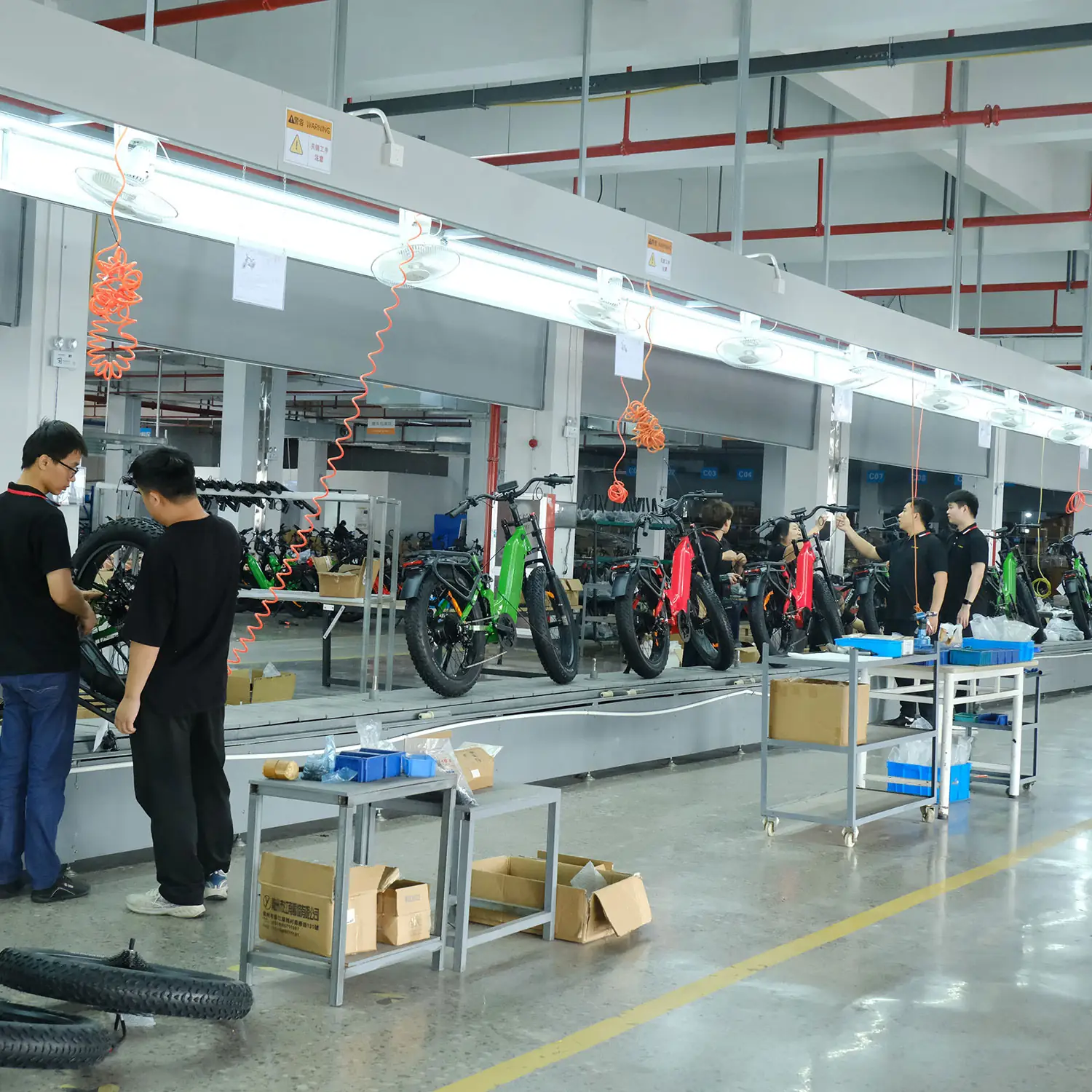
It's easy to look at names like Giant or Yadea and think the market is locked up. But from our position as an OEM manufacturer, we see a different story. The market is still defining its standards, and there's a huge need for products tailored specifically to local needs. Global brands often have a one-size-fits-all approach, which doesn't work well here. This leaves a massive gap for businesses that can offer customization. For example, a local delivery company might need a cargo e-bike with a specific battery range and a frame designed for the local climate. This is where an OEM/ODM partner shines. We can provide that flexibility. Success here isn't about being the biggest; it's about being the most adaptable. We have found success by focusing on these key factors:
- Customization Flexibility: Ability to design for specific needs (fleet, climate).
- Local Compliance: Understanding and meeting regional standards.
- Reliable Supply Chain: Ensuring consistent delivery of bikes and parts.
- After-Sales Support: Providing spare parts and service.
- Cost-Performance Balance: Offering quality at a competitive price point.
Conclusion
The Middle East is a strategic market, not a quick win. Success will come to manufacturers who enter early, invest in localization, and align with regional goals14.
Learn how government investments in cycling infrastructure are shaping the e-bike market in the Middle East. ↩
Discover the urban mobility solutions driving demand for e-bikes in the Middle East. ↩
Understand how the Dubai 2040 Urban Master Plan is influencing e-bike adoption and urban sustainability. ↩
Find out how the UAE's bike rental program expansion is normalizing e-bike usage in urban centers. ↩
Learn how the growth of last-mile delivery services is boosting demand for e-bikes in the Middle East. ↩
Discover the opportunities for OEM/ODM manufacturers to offer customized e-bike solutions in the Middle East. ↩
Discover the importance of fleet-ready configurations for e-bikes to meet the needs of delivery services in the Middle East. ↩
Understand the popularity of pedal-assist systems in the Middle East due to regulations and user preferences. ↩
Throttle-assisted e-bikes offer ease and efficiency for delivery riders, making them ideal for commercial use in the Middle East's growing market. ↩
Learn about climate-proofing strategies for e-bikes to withstand extreme heat, dust, and UV rays in the Middle East. ↩
Explore how BMS enhances e-bike performance in extreme heat, ensuring safety and longevity, crucial for Middle Eastern markets. ↩
Explore the growth potential and opportunities in the Middle East e-bike market, a region actively investing in cycling infrastructure. ↩
Learn about the importance of local compliance for e-bike manufacturers to succeed in the Middle Eastern market. ↩
Learn how aligning with regional goals can lead to success for e-bike manufacturers in the Middle East. ↩