Struggling to choose between a mid-drive and a hub motor for your e-bike line? The wrong choice can impact performance and sales. We can help you decide. The main difference is how they deliver power. Mid-drive motors assist your pedaling through1 the chain for a natural feel2, great for hills. Hub motors power the wheel directly, offering a consistent push. Your choice depends on the desired ride experience and budget.
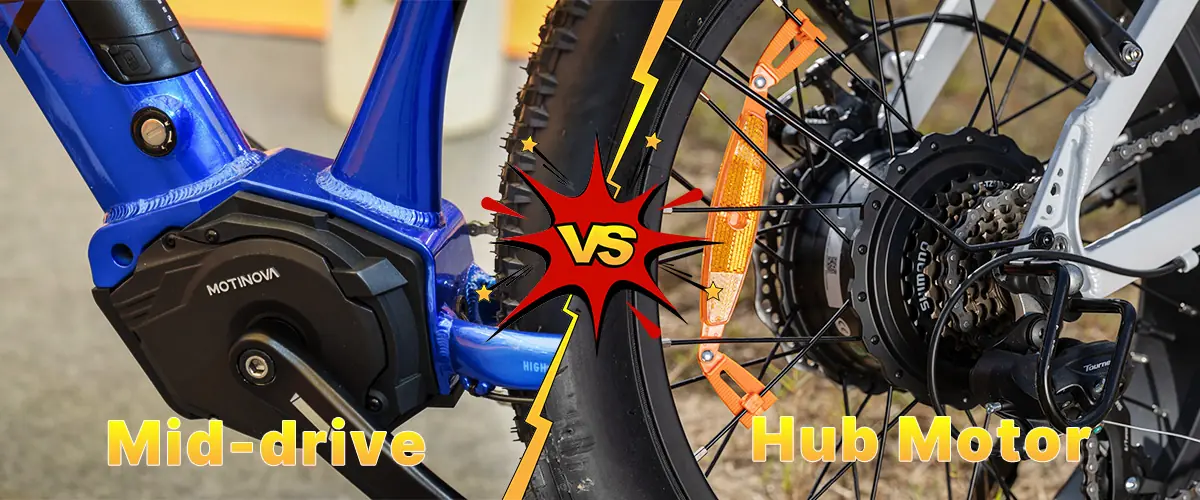
In my 20+ years in this industry, this is one of the most common questions our OEM partners3 ask. You will see that most e-bikes use either a rear-hub or a mid-drive motor. Both are excellent, but they serve different purposes and markets. Understanding the core differences in how they work, how they feel, and what they cost is the first step to building a successful e-bike line. Let's break it down so you can make the best choice for your customers.
Why Are Mid-Drive Motors More Expensive Than Hub Motors?
Worried about your budget? Mid-drive motors come with a higher price tag, which can affect your final retail price. Let's explore why this investment might be worthwhile for your brand. Mid-drive motors are more expensive because of their complex design4 and manufacturing. They integrate with the electric bike's drivetrain, requiring more intricate engineering and higher-quality materials to handle the forces involved. This complexity directly translates to a higher production cost compared to simpler hub motors.
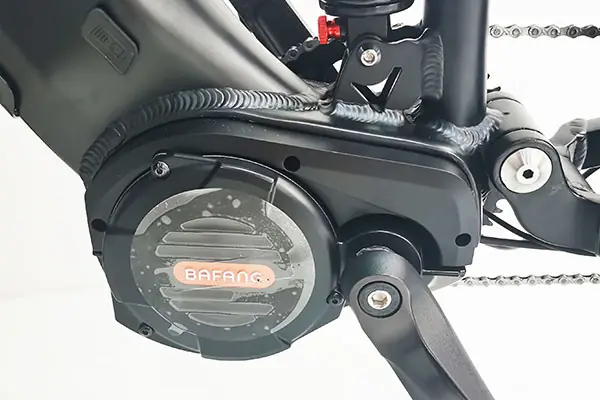
When we build an e-bike, the motor choice has a huge impact on the final cost. A mid-drive motor is installed at the bike's bottom bracket, right where the pedals are. This location requires a specially designed and reinforced frame to accommodate the motor unit. As a manufacturer with our own frame factory5, we know this adds significant engineering and production steps. The motor itself is also more complex. It contains a series of gears that work with the bike's chain and cassette. This design requires high-precision manufacturing and robust materials to ensure it works smoothly and lasts a long time. In contrast, a hub motor is a self-contained unit that is built directly into the wheel hub. It’s a much simpler design to produce and can be installed on a wider variety of standard frames, making it a more cost-effective solution6.
| Factor | Mid-Drive Motor | Hub Motor |
|---|---|---|
| Frame Integration | Requires custom frame design | Fits most standard frames |
| Mechanical Design | Complex internal gearing system | Simpler, self-contained unit |
| Manufacturing | Higher precision, more steps | Fewer steps, easier assembly |
| Resulting Cost | Higher | Lower |
How Does a Mid-Drive Motor Feel Different to Ride?
Do your customers want a ride that feels natural, like a regular bike but with a helpful boost? A mid-drive motor might be the answer they're looking for to create that premium experience7. A mid-drive motor provides a very intuitive and balanced ride. Because it applies power to the crank, it feels like your own pedaling power is being amplified. This makes climbing hills and navigating technical terrain8 feel smooth and controlled, as the electric bicycle responds directly to your effort.
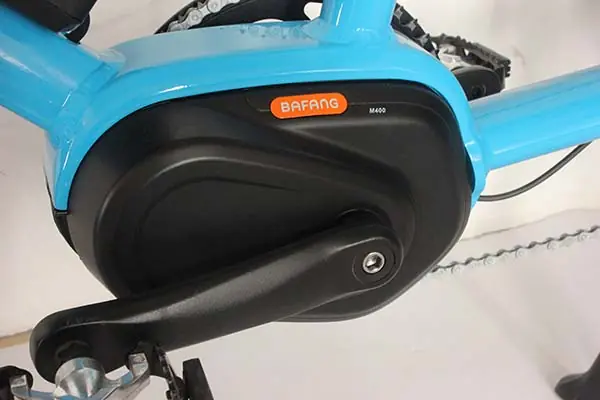
I remember the first time I tested one of our mid-drive mountain bike prototypes on a steep trail. The feeling was incredible. It didn't feel like a motor was unnaturally pushing me up the hill. Instead, it felt like my own legs had become stronger. This is the magic of a mid-drive motor. The motor is positioned low and in the center of the bike, which creates a very low center of gravity. This makes the bike feel incredibly balanced and stable, especially when making sharp turns or riding on uneven ground. The power from the motor is applied to the chain, just like the power from your legs. This means the motor can take advantage of the bike's gears. When you shift to an easier gear to climb a hill, the motor also gets the benefit, allowing it to operate efficiently and deliver powerful torque at low speeds. The assistance is also directly proportional to how hard you pedal, making the bike feel like a natural extension of your body.
Key Benefits of a Mid-Drive Motor
Natural Feel: The motor assistance syncs with your pedaling, making the ride feel intuitive and responsive. Superior Balance: The low, central motor placement improves handling and stability. Excellent for Climbing: High torque output and the ability to use the bike's gears make it unbeatable on hills.
Is a Hub Motor Still a Good Choice for Performance E-bikes?
You see hub motors everywhere, especially on city and commuter e-bikes. Are they just a budget option, or can they deliver a great, reliable ride for your customers? Absolutely. Hub motors, especially rear-hub motors, are a fantastic choice. They provide a powerful, independent push that's great for relaxed cruising and commuting. The motor powers the wheel directly, giving a steady output that doesn't depend on your pedaling, which many riders find very comfortable.
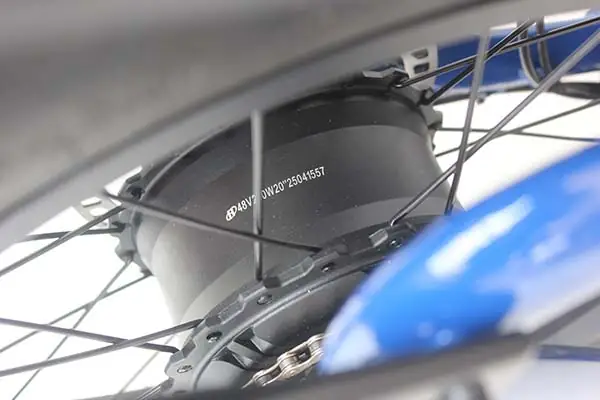
A rear-hub motor is a true workhorse. It's located in the center of the rear wheel and works by spinning the wheel directly. This system is completely separate from the pedals and chain. For the rider, this feels like a powerful and consistent push from behind. You choose an assistance level, and the motor provides that power, whether you are pedaling hard or just turning the pedals lightly. Many commuters and city riders love this feeling because it's predictable and effortless. While some say this feels less natural than a mid-drive, we can easily solve that. To create a more responsive ride, we often pair our hub motors with advanced torque sensors instead of basic cadence sensors. A torque sensor measures how much force you are putting on the pedals and tells the motor to match your effort. This simple addition makes a hub motor e-bike feel remarkably smooth and intuitive, closing the gap with the mid-drive experience while maintaining a lower cost.
| Sensor Type | How It Works | Rider Experience |
|---|---|---|
| Cadence Sensor (Basic) | Detects if pedals are turning | Motor turns on/off; can feel jerky or abrupt |
| Torque Sensor (Advanced) | Measures how hard you are pedaling | Motor assistance matches your effort; smooth and intuitive |
This makes a hub motor with a torque sensor a powerful and versatile option for city, cargo, and fat tire e-bikes.
Which Motor Type is Best for Different E-Bike Models?
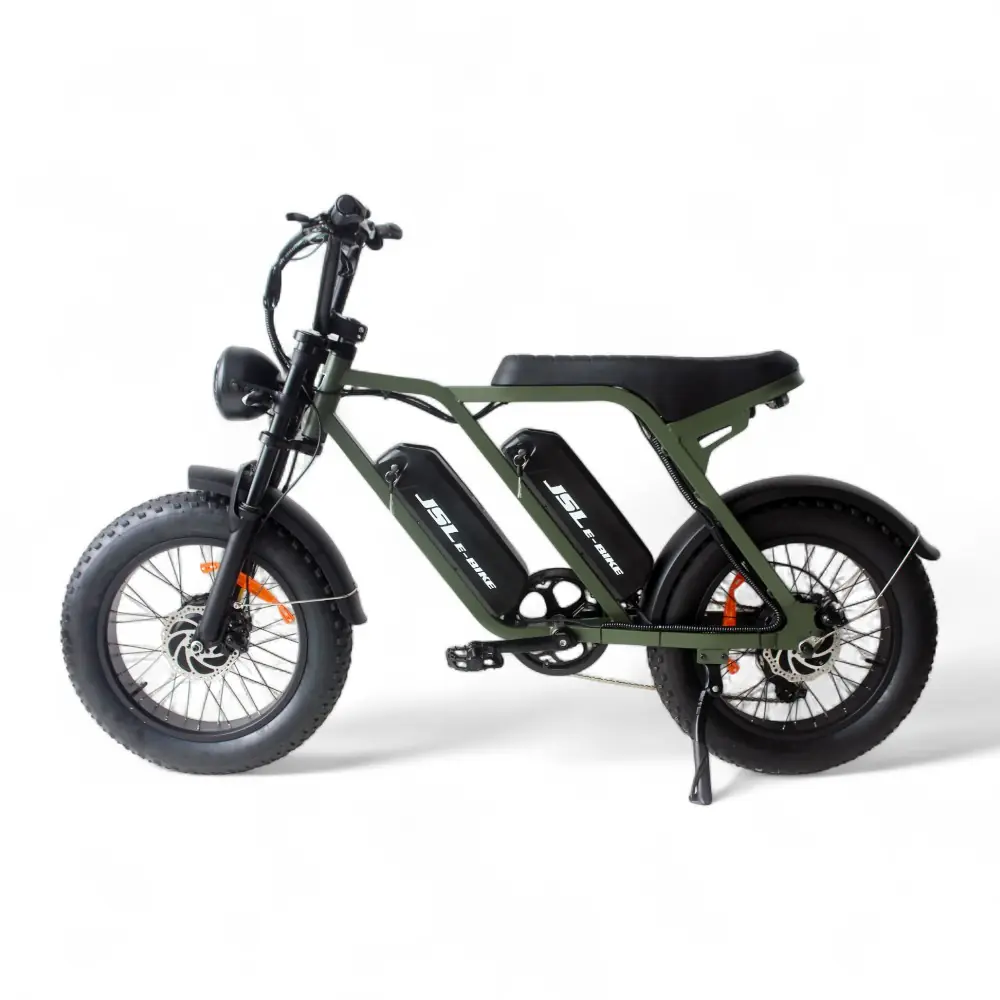
Your brand targets a specific rider, from mountain trails to city streets. Choosing the wrong motor can make your e-bike unsuitable for its intended purpose. Let's match the motor to the market. For high-performance mountain and trekking e-bikes, a mid-drive's superior torque and balance is ideal. For city, commuter, and cargo e-bikes9, a rear-hub motor offers a reliable, low-maintenance, and cost-effective solution that provides a comfortable and consistent ride.
As an OEM/ODM partner for over two decades, this is where we provide the most value. The best choice is not about "better" or "worse," but about what is "right for the job" and for your specific customer.
Mountain E-Bikes
Our Recommendation: Mid-drive motor. Why: For serious off-roading, there is no substitute. The high torque is essential for getting up steep, technical climbs. The low, central weight is critical for maintaining balance and control on tricky descents and through corners. A rider needs the bike to be an extension of their body, and a mid-drive delivers that responsive feel.
City & Commuter E-Bikes
Our Recommendation: Rear-hub motor for most, mid-drive for premium lines. Why: A rear-hub motor is perfect for the daily commute. It's reliable, requires very little maintenance, and provides a smooth, easy push that's ideal for navigating city streets. It keeps the overall bike cost down, which is a major factor for this market. For a high-end urban brand that wants to offer a more "bicycle-like" feel, a mid-drive is an excellent premium option.
Fat Tire & Cargo E-Bikes
Our Recommendation: A powerful rear-hub motor. Why: These bikes are all about power and utility. They are heavier and often carry large loads. A strong rear-hub motor provides the consistent, raw power needed to get things moving without demanding a lot of effort from the rider. The durability and simplicity of a hub motor are also huge advantages for these workhorse bikes.
Conclusion
Choosing between a mid-drive and a hub motor depends on your target market's needs and budget. Both are great technologies, and we can help you build the perfect e-bike.
Explore how mid-drive motors enhance pedaling efficiency, offering a natural feel and superior performance, especially on hills and technical terrain. ↩
Discover how mid-drive motors enhance the riding experience by syncing with your pedaling for a more intuitive ride. ↩
Learn about the importance of OEM partnerships in developing high-quality e-bikes tailored to market demands. ↩
Explore the engineering intricacies of mid-drive motors and why they come with a higher price tag. ↩
Discover how owning a frame factory enhances control over design, quality, and production efficiency, crucial for competitive e-bike manufacturing. ↩
Learn how hub motors can provide a budget-friendly option without compromising on performance. ↩
Discover how mid-drive motors enhance the overall riding experience, making them a premium choice for e-bikes. ↩
Understand the advantages of mid-drive motors when navigating challenging trails and technical landscapes. ↩
Find out why rear-hub motors are ideal for cargo e-bikes, focusing on power and utility. ↩